
Bali — The Tropical Island Where Nomads Come to Stay
Bali is the island that turned "digital nomad" from a niche concept into a lifestyle movement. It's where laptop workers first proved you could build a career from a rice paddy cafe — and in 2026, the infrastructure has finally caught up with the dream.
But Bali has changed. Canggu is now a full-blown nomad metropolis, Ubud has matured, and new areas are emerging. Here's the honest, up-to-date guide.
The Internet: It's Finally Good
Bali's WiFi used to be its Achilles heel. Not anymore. Fibre has rolled out across the main nomad hubs, and coworking spaces now deliver 100-200 Mbps consistently.
Home internet in Canggu and Ubud apartments averages 50-100 Mbps with fibre. Older villas might still be on slower connections — always ask before signing a lease.
Cafe WiFi is hit or miss: 20-60 Mbps in popular spots, but some still run on old connections. Always test before settling in.
Mobile data is cheap. Telkomsel or XL Axiata SIMs with 30-50GB cost 100,000-200,000 IDR ($6-$13/month). 4G coverage is strong in tourist areas; 5G is rolling out.
Pro tip: Use the WiFi Speed Test in Sour Mango religiously in Bali. More than any other nomad destination, WiFi quality varies dramatically between venues. Save your results and build a map of reliable spots.
Cost of Living: Tropical Value
Bali sits between Southeast Asian cheap and Instagram-influencer expensive. Your budget depends entirely on your lifestyle choices.
Budget Nomad (~$1,000/month)
- Rent: $300-$450 — private room or basic studio in Canggu or Ubud
- Coworking: $80-$120 — monthly hot desk at Dojo or Outpost
- Food: $250-$350 — warungs (local eateries) and some cafes
- Transport: $80-$100 — scooter rental
- Phone: $10-$15 — data SIM
- Fun: $150-$200 — beach clubs occasionally, day trips
- Health insurance: $60-$80
Comfortable Nomad (~$2,000/month)
- Rent: $600-$900 — private villa with pool in Canggu or Ubud
- Coworking: $120-$180 — dedicated desk
- Food: $400-$500 — mix of warungs, brunch spots, and nice restaurants
- Transport: $100 — scooter
- Phone: $15
- Fun: $300-$400 — beach clubs, surf lessons, island trips
- Health insurance: $60-$80
The trap: Bali's Instagram cafe culture can drain your budget fast. A smoothie bowl at a trendy spot costs $8-$12. A plate of nasi goreng at a warung costs $1.50. Choose wisely.
In Sour Mango: Check Bali in the Destinations tab for detailed cost breakdowns. The Currency Converter handles IDR (with all those zeros) cleanly.
The Visa Situation
Indonesia has stepped up its game for remote workers.
B211A Remote Worker Visa
- 6-month stay (extendable)
- Must earn at least $2,000/month from outside Indonesia
- No Indonesian income tax on foreign earnings
- Health insurance required
- Application fee: ~$350
Second Home Visa
- 5-year stay for higher earners
- Requires proof of $130,000+ in savings or investments
- Includes spouse and dependents
- Premium option for those who can qualify
Visa on Arrival (Tourist)
- 30 days (extendable once for another 30 days)
- $35 on arrival
- Technically no remote work allowed, but widely used by short-term nomads
In Sour Mango: Check Visa Requirements for Indonesia's rules for your passport. Add your visa to Visa Tracking for countdown alerts — especially important with the B211A's 6-month limit.
Best Areas for Nomads
Canggu
Best for: Social nomads, surfers, the full nomad experience
Canggu is Bali's nomad capital. Echo Beach and Batu Bolong are lined with cafes, coworking spaces, restaurants, and surf breaks. The community is massive and social. The downside: traffic is genuinely terrible, it's increasingly expensive, and it's not the "hidden gem" it was in 2016.
- Dojo Bali coworking
- Best surf breaks for beginners and intermediates
- Overwhelming cafe and restaurant scene
- Traffic at peak hours is painful
- $400-$900/month for accommodation
Ubud
Best for: Creatives, wellness-focused nomads, nature lovers
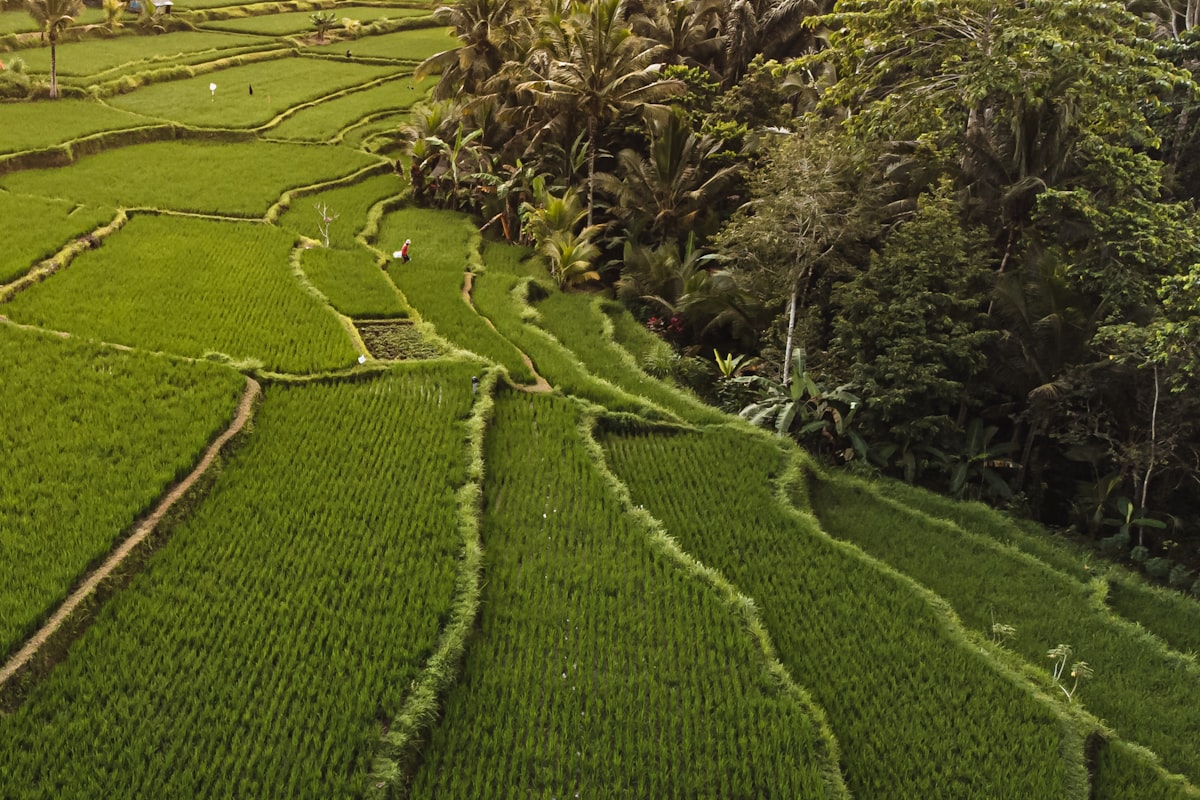
Ubud is Bali's spiritual and cultural heart. Rice paddies, yoga studios, art galleries, and a calmer pace. The nomad community here is smaller but more intentional. WiFi has improved significantly.
- Hubud and Outpost coworking
- Rice paddy views from your desk
- Yoga and meditation everywhere
- Cooler temperatures (it's higher elevation)
- $300-$700/month for accommodation
Sanur
Best for: Families, older nomads, people who want calm
Sanur is the anti-Canggu. Quiet, family-friendly, beachfront, and genuinely relaxed. The nomad community is small but growing. Good for people who want Bali without the party scene.
- Calm beach with no big waves
- More traditional Balinese feel
- Cheaper than Canggu
- $300-$600/month
Uluwatu
Best for: Surfers, cliff views, emerging scene
Uluwatu is Bali's southern tip — dramatic cliffs, world-class surf, and a growing nomad infrastructure. It's less developed than Canggu, which is part of the appeal. Getting around requires a scooter.
- World-class surf breaks
- Stunning cliff-top venues
- Less crowded, more raw
- Infrastructure still developing
In Sour Mango: Browse Bali's area guide in Destinations for cost comparisons and vibe descriptions.
Coworking Spaces
Dojo Bali (Canggu)
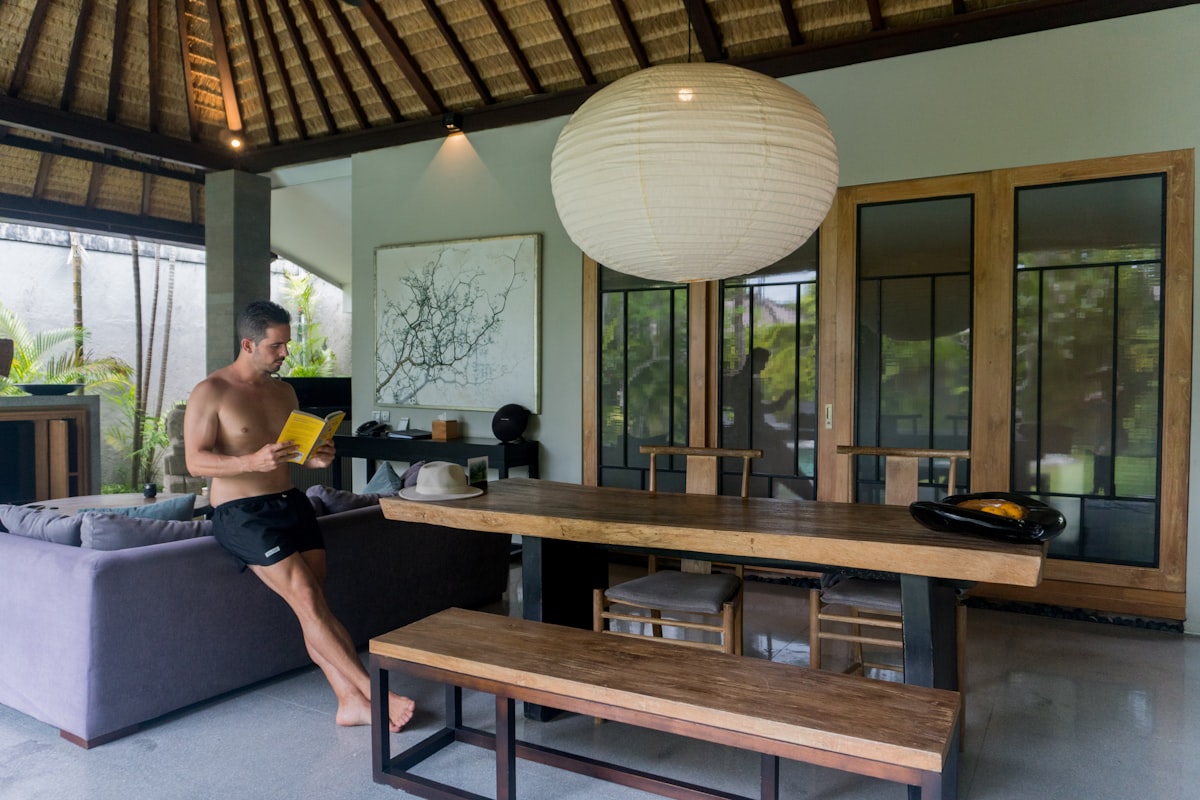
The most famous coworking space in Bali. Open-air tropical design, pool, strong community, events every week. WiFi is reliable at 100+ Mbps.
- Day pass: ~150,000 IDR ($10)
- Monthly: ~2,800,000 IDR ($180)
Outpost (Canggu + Ubud)
Professional spaces with a slightly more corporate feel. Great facilities, phone booths, meeting rooms.
- Day pass: ~200,000 IDR ($13)
- Monthly: ~3,000,000 IDR ($195)
Hubud (Ubud)
Beautiful bamboo coworking space surrounded by rice paddies. The vibe is creative and community-driven. Regular workshops and skill-shares.
- Day pass: ~200,000 IDR ($13)
- Monthly: ~2,500,000 IDR ($160)
Cafe Culture
- Crate Cafe (Canggu) — Brunch institution, decent WiFi
- Milk & Madu (Canggu) — Family-friendly, solid workspace
- Seniman Coffee (Ubud) — Best coffee in Ubud, laptop-friendly
- Anomali Coffee (Multiple) — Reliable chain, good WiFi
In Sour Mango: Run the WiFi Speed Test at every spot. In Bali, this is non-negotiable.
The Food
Bali's food scene splits into two worlds: local warungs and Instagram cafes.
Warung Food ($1.50-$3)
- Nasi Goreng — Fried rice with egg, chicken, and sweet soy. The national dish. 20,000-35,000 IDR
- Nasi Campur — Rice with mixed sides (vegetables, meat, sambal). 25,000-40,000 IDR
- Mie Goreng — Fried noodles. Simple, satisfying. 20,000-30,000 IDR
- Babi Guling — Suckling pig. Bali's signature dish (Hindu island = pork is everywhere). 35,000-50,000 IDR
- Sate Lilit — Minced seafood satay wrapped around lemongrass. Uniquely Balinese. 25,000-40,000 IDR
Cafe/Restaurant Food ($5-$15)
The smoothie bowl and avocado toast scene is real — and genuinely good. But it'll cost you 5-10x what a warung charges.
Where to eat:
- Any warung — Warung Local, Warung Murah, or just follow the locals
- Nalu Bowls (Canggu) — If you must have a smoothie bowl, this one's good
- Pasar Ubud — Ubud's morning market. Incredible produce
In Sour Mango: Use the Price Checker to verify you're not being overcharged at tourist spots. Check Local Food for warung recommendations.
Transport: Scooter or Suffer
There is no public transport in Bali. Your options:
Scooter
Mandatory. 500,000-800,000 IDR/month ($32-$52) for a Honda Vario or Scoopy. Bali without a scooter is like a laptop without WiFi — technically possible, deeply frustrating.
- International Driving Permit required (though rarely checked)
- Wear a helmet — enforcement has increased
- Canggu traffic is genuinely bad during rush hour
Grab / Gojek
Available but drivers can be limited in some areas. Good for nights out. Typical ride: 20,000-50,000 IDR ($1.30-$3.25).
Getting to the airport
Ngurah Rai Airport (DPS) is in the south. From Canggu: 45-90 minutes depending on traffic. From Ubud: 90+ minutes. Always leave extra time.
Healthcare
- BIMC Hospital (Kuta) — International-standard, English-speaking. The go-to for nomads
- Siloam Hospital — Good alternative, multiple locations
- Doctor's visit: 300,000-500,000 IDR ($20-$33)
- SafetyWing or World Nomads for insurance. The B211A visa requires coverage
The Community
Bali's nomad community is enormous and diverse.
- Bali Digital Nomads Facebook group — 50k+ members
- Dojo events — Weekly meetups, skill shares, parties
- Surf culture — Easy way to meet people. Beginner lessons everywhere
- Yoga community — Ubud especially
- Island escapes — Nusa Penida (1 hour), Gili Islands (2-3 hours), Lombok (ferry or short flight)
In Sour Mango: Find nomads in Bali through Mates. Create a Tribe for your Canggu or Ubud crew. Share Location is clutch when you're trying to find each other in Canggu's maze of back streets.
The Downsides
Canggu Traffic
It's bad and getting worse. The main road (Jl. Raya Canggu) is a single lane in each direction, and it can't handle the volume. Rush hour is miserable.
Tourist Crowds
Bali gets 5+ million tourists per year. Popular spots are packed. You'll need to venture beyond the main drag to find peace.
Rainy Season (Nov-March)
Heavy afternoon downpours. Roads flood. Humidity spikes. It's still warm, but plan around the weather.
Infrastructure Gaps
Power cuts happen. WiFi drops. Roads are narrow and potholed. Bali is still a developing area despite the Instagram polish.
Visa Enforcement Tightening
Indonesia has started enforcing work visa rules more strictly. Working on a tourist visa carries risk.
Quick Start: Your First Week
- Before you fly — Use Sour Mango's AI Trip Planner for a Bali itinerary. Check Visa Requirements and Packing Lists for tropical weather
- Land at DPS — Get a Telkomsel SIM at the airport (100,000 IDR). Get your VOA ($35)
- Grab to Canggu or Ubud — Book an Airbnb for week one
- Rent a scooter — Day 1. Non-negotiable. 500,000-800,000 IDR/month
- Try coworking — Day passes at Dojo, Outpost, or Hubud
- Find your villa — Facebook groups, walk-in visits, or ask at your coworking space. Monthly rates are much cheaper
- Eat at a warung — Skip the smoothie bowls for your first meal. Nasi campur, 25,000 IDR
- Run WiFi Speed Tests — At every cafe and coworking space you visit
- Join the community — Dojo events, surf lessons, add people on Mates
The Bottom Line
Bali is still the dream for a reason. Tropical weather, a massive nomad community, unique culture, surf breaks, rice paddies, and a cost of living that lets you live in a private villa with a pool — it's a package that no other destination quite matches.
It's not perfect. The traffic is getting worse, infrastructure can be unreliable, and Canggu has lost some of its charm to overdevelopment. But Bali keeps evolving — Ubud, Sanur, and Uluwatu offer alternatives that keep the magic alive.
Get the B211A visa, rent a scooter, find your favourite warung, and settle in.
Track your Indonesian visa, test WiFi at every Bali cafe, convert IDR without the zero confusion, and connect with nomads across the island — all in one app. Download Sour Mango and travel smarter.
Travel smarter with Sour Mango
Visa tracking, AI trip planner, WiFi speed tests, and a global nomad community — all in one free app.
Explore more guides
Browse all city guides →