
Best Cities for Surf and Remote Work
The surf-and-work lifestyle isn't a fantasy anymore. Enough towns around the world now have the combination of consistent waves, reliable internet, and coworking infrastructure to make it genuinely viable.
But not all surf towns are created equal. Some have great waves and terrible WiFi. Others have fast internet but mushy, inconsistent swell. The sweet spot — where you can paddle out at 6am, be at your laptop by 9, and catch a sunset session — is rarer than you'd think.
We've tested 12 spots that actually deliver on both sides of the equation.
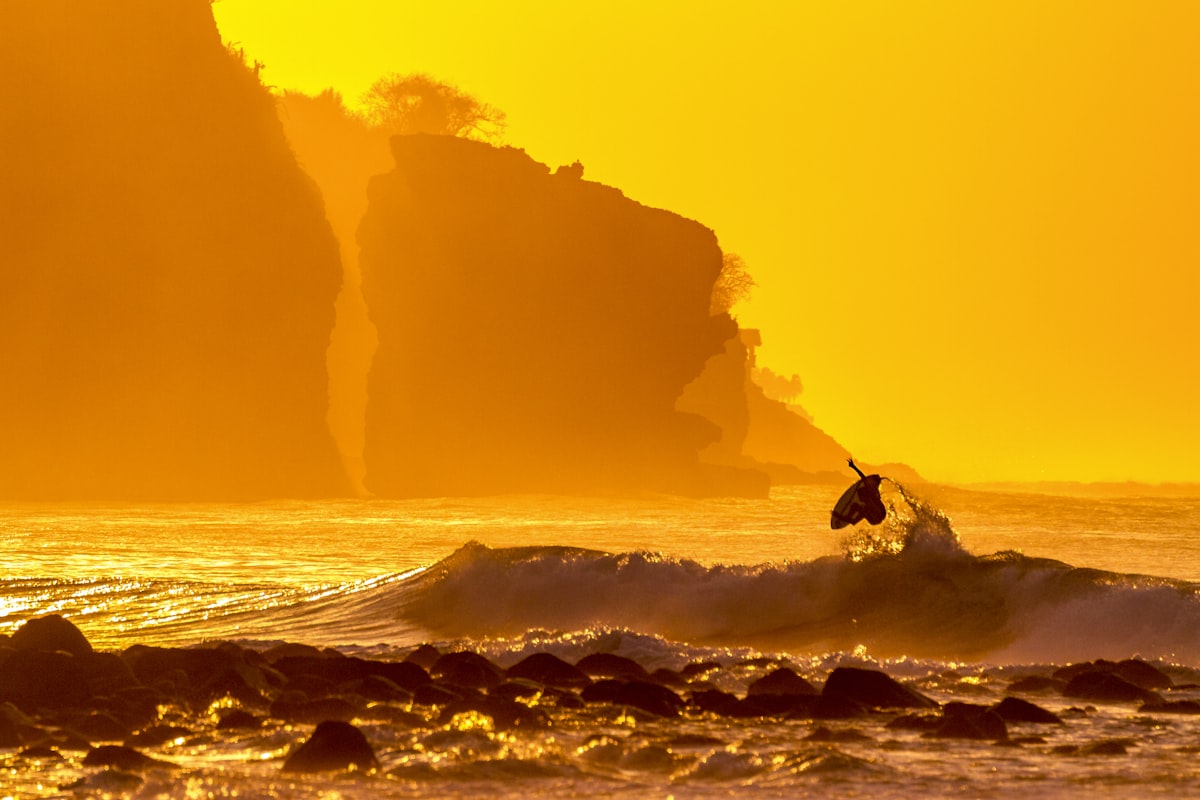
What Makes a Good Surf-Work Town?
It's not just about having waves and WiFi in the same postcode. The best surf-work towns share these traits:
- Consistent swell — not just "good waves sometimes" but reliable, surfable conditions most of the year
- Proximity — the beach should be 15 minutes or less from where you work and live
- WiFi speed — minimum 50 Mbps in coworking spaces, ideally 100+
- Coworking options — at least one dedicated space, not just hoping a cafe has good internet
- Affordability — the lifestyle needs to be sustainable, not a two-week splurge
We tested WiFi at every spot using Sour Mango's WiFi Speed Test and checked cost of living through the Destinations feature.
1. Canggu, Bali — The Original Surf-Work Hub
Canggu wrote the playbook that every other surf-work town is copying. The combination of consistent beach breaks, world-class coworking spaces, and a massive nomad community is hard to beat, even with the growing crowds.
- Wave quality: Beach breaks with consistent swell year-round. Batu Bolong for beginners, Echo Beach for intermediates, Pererenan for more space.
- Beginner-friendly?: Very. Multiple surf schools and gentle waves at Batu Bolong.
- WiFi: 80-150 Mbps in coworking (Dojo, Outpost), 30-80 Mbps in cafes
- Monthly cost: $1,200-$2,000 (rising every year)
- Coworking: Dojo (~$150/mo), Outpost (~$180/mo), Tribal (~$120/mo)
The morning routine is unbeatable: surf at 6am, breakfast smoothie bowl by 8, laptop open by 9. The infrastructure supports this lifestyle better than anywhere else in the world.
Downside: Canggu is getting crowded and expensive. Traffic is terrible. If you came five years ago, you'd barely recognise it.
In Sour Mango: Use the WiFi Speed Test to map your top cafes and coworking spots. Canggu's internet quality varies wildly between locations — the difference between a productive day and a frustrating one is often just knowing which cafe to pick. Check Visa Requirements for Indonesia's B211A remote worker visa.
2. Ericeira, Portugal — Europe's Surf Capital
Ericeira is the only World Surfing Reserve in Europe, and the nomad infrastructure has caught up to the wave quality. An hour from Lisbon, it delivers consistent Atlantic swell with a village feel that Canggu lost years ago.
- Wave quality: World-class point breaks and reef breaks. Ribeira d'Ilhas is the crown jewel. Foz do Lizandro for beginners.
- Beginner-friendly?: Yes, at specific breaks. The reef breaks are intermediate to advanced.
- WiFi: 100-150 Mbps in coworking, 40-80 Mbps in cafes
- Monthly cost: $1,500-$2,500 (Lisbon prices are creeping in)
- Coworking: Ericeira Cowork (~$140/mo), Outsite (~$160/mo)
The village vibe is the real draw. Walk to the break in five minutes, work from a coworking space with ocean views, eat fresh seafood for dinner. It's a simpler, more focused version of the surf-work life.
Downside: Winter water is cold (14-16°C). You need a 4/3 wetsuit minimum from November to April. The town is small — if you need big-city energy, Lisbon is your weekend escape.
3. Taghazout, Morocco — Raw Surf, Growing Infrastructure
Taghazout went from a sleepy fishing village to a legit surf destination in the last decade. The infrastructure is still catching up, but the waves and the cost make it worth the rougher edges.
- Wave quality: Right-hand point breaks that are among the best in Africa. Anchor Point and Killer Point are world-class. Hash Point for learners.
- Beginner-friendly?: Moderate. Beach breaks are manageable, but the famous points require experience.
- WiFi: 50-80 Mbps in coworking, 20-40 Mbps in cafes (improving rapidly)
- Monthly cost: $800-$1,200 (one of the cheapest on this list)
- Coworking: SunDesk (~$100/mo, includes coliving option), Taghazout Cowork (~$80/mo)
The cost of living is the killer feature. A one-bedroom apartment for $300, tagine dinners for $3, and some of the best right-hand point breaks in the world.
Downside: Internet can be unreliable outside coworking spaces. Power outages happen. If you need 100% uptime, have a mobile data backup.
Pro tip: Run Sour Mango's WiFi Speed Test at every spot you consider working from. Taghazout's speeds vary dramatically between establishments. The test saves your results with location data so you can build a reliable WiFi map.
4. Santa Teresa, Costa Rica — Jungle Surf Vibes
Santa Teresa is the Central American answer to Canggu — consistent waves, a growing nomad community, and enough coworking infrastructure to make it work. The unpaved roads and jungle setting keep things raw.
- Wave quality: Powerful, consistent beach break. Works year-round but best from November to April.
- Beginner-friendly?: Moderate. The main break can be punchy. Playa Carmen is gentler.
- WiFi: 50-100 Mbps in coworking, 20-50 Mbps in cafes
- Monthly cost: $1,200-$2,000
- Coworking: Selina (~$130/mo), Cafe Surf House (pay-per-day)
The vibe is yoga-surf-laptop in that order. Mornings start with surf or yoga, work fills the middle of the day, and sunsets are a communal event.
Downside: Getting there is a journey (fly to San Jose, drive 5+ hours or take a puddle jumper). The road is rough. Isolation is part of the charm and the challenge.
5. Tenerife, Canary Islands — Year-Round European Surf
Tenerife's south coast gets consistent swell year-round, and as a Spanish territory, it comes with European internet infrastructure and legal simplicity for EU citizens.
- Wave quality: Reef and point breaks on the south coast. El Medano for wind/kite, Las Americas for protection from wind. Variety within short drives.
- Beginner-friendly?: Yes. Las Americas has gentle waves and multiple schools.
- WiFi: 100-200 Mbps in coworking, 50-100 Mbps in cafes
- Monthly cost: $1,200-$1,800
- Coworking: The Market (~$130/mo), Coworking del Sur (~$100/mo)
The year-round warm weather (20-28°C) and Spanish time zone make Tenerife ideal for European-based remote workers who want surf without the long-haul flight.
6. Da Nang, Vietnam — The Underrated Pick
Da Nang's surf scene is small but real. My Khe Beach and the breaks around Marble Mountains pick up swell from September to March, and the rest of the year the water is warm and flat enough for SUP and swimming.
- Wave quality: Seasonal. Good surf from September to March, smaller waves the rest of the year.
- Beginner-friendly?: Very. The beach breaks are gentle and uncrowded.
- WiFi: 100-150 Mbps in coworking, 50-80 Mbps in cafes
- Monthly cost: $800-$1,200
- Coworking: Enouvo (~$80/mo), Hub Hoi An (30 min south, ~$70/mo)
The value proposition is insane. $800/month gets you a beachfront apartment, fast internet, and some of the best food in Asia. The surf isn't world-class, but everything else makes up for it.
In Sour Mango: Check Da Nang on the Destinations tab — the cost breakdown will make you question why you're paying $2,000/month anywhere else. Use the Local Food feature to find the best mi quang and banh mi spots near the beach.
7. Playa del Carmen, Mexico — Caribbean Surf (Sort Of)
Let's be honest — Playa itself is flat. But within an hour's drive, you've got surf at Puerto Morelos and Tulum, and the town's nomad infrastructure is top-tier. It's more of a "surf-adjacent" base.
- Wave quality: Inconsistent locally. Best with north swells in winter. Better breaks within driving distance.
- Beginner-friendly?: Yes, the small waves are perfect for learning.
- WiFi: 80-150 Mbps in coworking, 30-80 Mbps in cafes
- Monthly cost: $1,200-$2,000
- Coworking: Nest (~$120/mo), Selina (~$100/mo), Terminal Cowork (~$90/mo)
You come for the nomad infrastructure, the food, the cenotes, and the warmth. The surf is a bonus when the swell cooperates, not the main event.
8. Siargao, Philippines — Paradise With a Catch
Siargao is a world-class surf destination that's building nomad infrastructure fast. Cloud 9 is one of the best waves in Asia. The catch? The internet.
- Wave quality: World-class. Cloud 9 is a fast, hollow right. Jacking Horse and Stimpy's for variety. Beginner waves at Daku Beach.
- Beginner-friendly?: At specific spots, yes. Cloud 9 is experts only.
- WiFi: 30-80 Mbps in coworking (improving), 10-30 Mbps in cafes
- Monthly cost: $700-$1,200
- Coworking: Harana Surf Resort cowork space (~$60/mo), various cafe setups
The trade-off is real: the waves are incredible, the island is beautiful, and the community is wonderful. But if you're on video calls all day, the internet will test your patience.
Pro tip: Sour Mango's WiFi Speed Test is essential here. Test every single spot before committing. The difference between 10 Mbps and 60 Mbps on Siargao can be one building apart. Share your tested spots with your Mates so the community benefits.
9. Lagos, Portugal — Algarve Surf and Sun
Lagos sits on the western Algarve where Atlantic swell meets dramatic cliffs. The town itself is postcard-perfect, and the nomad scene is smaller and calmer than Lisbon or Ericeira.
- Wave quality: Beach breaks and reef breaks along the coast. Praia do Amado (30 min) is the standout.
- Beginner-friendly?: Very. Meia Praia is a long, gentle beach break.
- WiFi: 100-150 Mbps in coworking, 40-80 Mbps in cafes
- Monthly cost: $1,200-$1,800
- Coworking: Lagos Cowork (~$120/mo), Bora Community (~$100/mo)
10. Uluwatu, Bali — For Serious Surfers
If Canggu is the beginner-friendly surf-work town, Uluwatu is where you go when your surfing outgrows beach breaks. The cliffside breaks here are world-class, the sunsets are cinematic, and the coworking scene is developing.
- Wave quality: World-class reef breaks. Uluwatu, Padang Padang, Bingin, Impossibles. Powerful, fast, and not forgiving.
- Beginner-friendly?: No. This is intermediate to advanced territory.
- WiFi: 50-100 Mbps in coworking, 20-50 Mbps in cafes
- Monthly cost: $1,000-$1,500
- Coworking: Outpost Uluwatu (~$160/mo), various cafe setups
11. El Medano, Tenerife — Wind and Wave Paradise
Technically part of Tenerife, but El Medano deserves its own entry. It's the wind and kitesurfing capital of the Canaries, with surf breaks nearby and a laid-back town that attracts water-sport obsessives.
- Wave quality: Wind-dependent. Great for kiting and windsurfing. Surf breaks at La Fitenia and Cabezo.
- Beginner-friendly?: For kitesurfing, yes. For surfing, moderate.
- WiFi: 80-120 Mbps in coworking, 40-60 Mbps in cafes
- Monthly cost: $1,000-$1,500
- Coworking: Coworking del Sur (~$100/mo)
12. Nosara, Costa Rica — The Wellness Surf Town
Nosara is Santa Teresa's calmer, more wellness-oriented cousin. The waves are consistent, the yoga scene is world-class, and the town is far enough off the beaten path to keep the crowds down.
- Wave quality: Playa Guiones is one of the most consistent beach breaks in Central America. Works year-round.
- Beginner-friendly?: Very. Guiones is one of the best learning waves in the world.
- WiFi: 40-80 Mbps in coworking, 20-40 Mbps in cafes
- Monthly cost: $1,500-$2,500 (pricier than Santa Teresa)
- Coworking: Outsite Nosara (~$150/mo), The Guilded Iguana cowork area
Gear You'll Need
Surf-work travel has specific gear requirements that regular nomad travel doesn't. Here's what the veterans carry:
Board situation: Don't travel with a board unless you're staying 3+ months. Every town on this list has board rentals ($5-$15/day) and decent secondhand boards for sale. Buy local, sell before you leave.
Wetsuit: If you're doing Portugal, Morocco, or Tenerife, you need a 3/2mm minimum. Bring your own — rental wetsuits are universally disgusting. For tropical spots (Bali, Costa Rica, Philippines), a rashguard is enough.
Reef booties: Essential for Uluwatu, Siargao, and parts of Tenerife. Sharp reef and sea urchins will end your trip fast.
Dry bag: For your laptop and electronics on beach days. A $20 dry bag protects $2,000 worth of gear. Non-negotiable.
In Sour Mango: The Packing Lists feature has a dedicated surf-travel packing list. Customise it per destination — it adjusts for water temperature and trip length. The Nomad Essentials section also covers travel insurance options that include adventure sports coverage, which standard policies often exclude.
Building Your Surf-Work Routine
After testing all 12 spots, the nomads who make the surf-work lifestyle sustainable all share the same structure:
Dawn patrol is non-negotiable. Surf at sunrise, before the wind picks up and before your first meeting. This is the whole point.
Block your calendar. Protect 6-8am for surf and 5-7pm for sunset sessions. Schedule meetings in the 10am-4pm window. Most remote teams can accommodate this with notice.
Invest in a good board bag. You're going to be moving between these spots. A padded travel bag pays for itself on the first flight.
Test the WiFi before you commit. Use Sour Mango's WiFi Speed Test at every potential workspace. In surf towns especially, internet quality varies wildly. One block from the beach might be 100 Mbps; the beach cafe might be 10.
In Sour Mango: Use the AI Trip Planner to build a surf-work itinerary that follows the swell seasons — Bali in dry season, Portugal and Morocco in autumn/winter, Costa Rica from November to April. Check Visa Requirements for each destination, use the Packing Lists feature to make sure you've got your wetsuit thickness right for each stop, and share your location with Mates so your crew knows which break you're chasing.
The perfect wave and the perfect WiFi signal are out there. Sometimes they're even in the same town.
Travel smarter with Sour Mango
Visa tracking, AI trip planner, WiFi speed tests, and a global nomad community — all in one free app.
Explore more guides
Browse all city guides →