
Why Bangkok Is the Best City for Digital Nomads in 2026
Bangkok isn't just a stopover anymore. It's become one of the most complete cities in the world for remote workers — combining blazing-fast internet, an incredibly low cost of living, a food scene that'll ruin every other city for you, and a digital nomad visa that actually makes sense.
Whether you're a first-time nomad or a seasoned one looking for your next long-term base, here's everything you need to know about working and living in Bangkok in 2026.
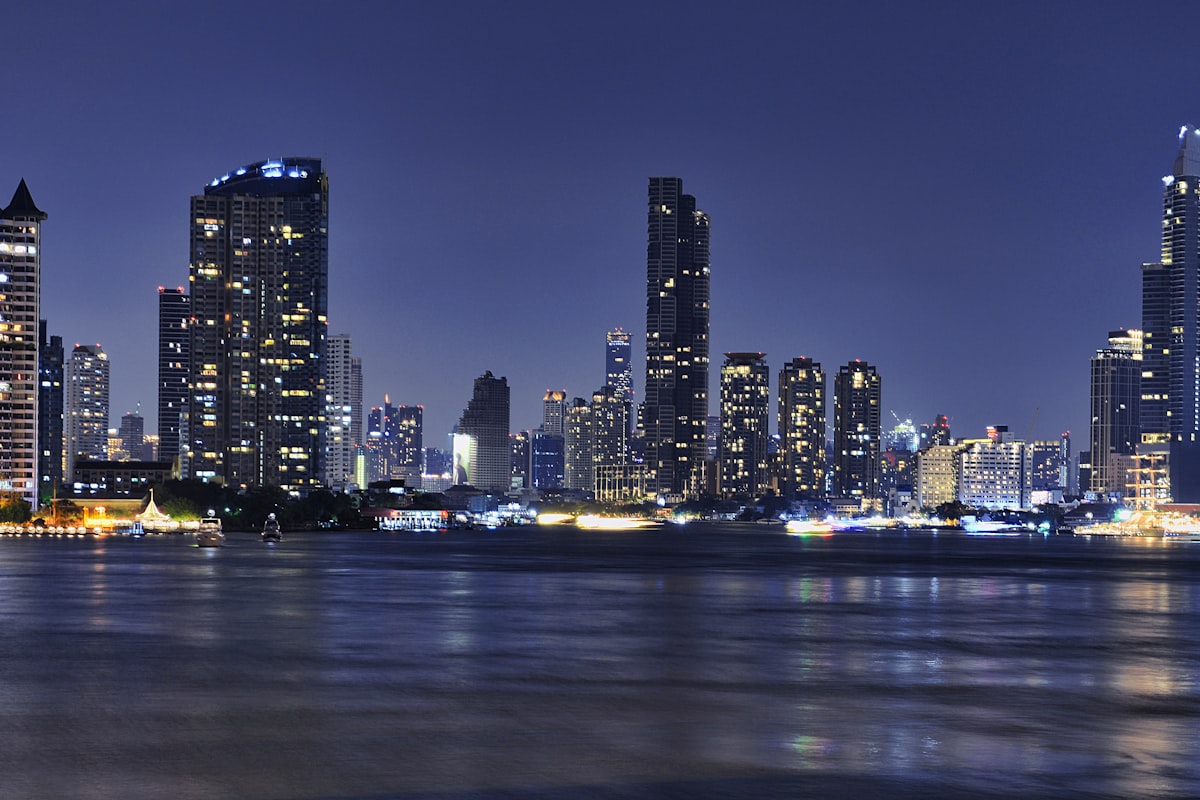
The Internet Is Absurdly Fast
Let's start with what matters most: the WiFi. Bangkok's internet infrastructure is genuinely world-class. Most condos come with fibre connections delivering 300-500 Mbps as standard. That's not a premium tier — that's the default.
Cafes regularly hit 50-150 Mbps. Coworking spaces push 200+ Mbps. You can take Zoom calls from a random coffee shop and have a better connection than most offices in Europe or North America.
Mobile data is equally impressive and dirt cheap. A 5G plan with 100GB of data costs around 300-500 THB ($9-$15/month). AIS, TRUE, and DTAC all offer prepaid tourist SIMs at any 7-Eleven or airport counter.
Pro tip: Use the WiFi Speed Test in Sour Mango before committing to a cafe or coworking space. Run it at the door — if the download speed is under 30 Mbps, keep walking. Your results are saved so you can compare spots later.
Cost of Living: Your Money Goes Far
This is where Bangkok truly shines. You can live comfortably on $1,200-$1,500/month, or very well on $2,000-$2,500/month. Try doing that in Lisbon or Barcelona.
Here's a realistic monthly breakdown:
Budget Nomad (~$1,200/month)
- Rent: $400-$500 — studio condo with pool and gym in Ari or On Nut
- Coworking: $80-$100 — monthly hot desk or cafe-hopping
- Food: $300-$400 — mostly street food and local restaurants
- Transport: $50-$80 — BTS/MRT and occasional Grab rides
- Phone: $10-$15 — unlimited data SIM
- Fun: $150-$200 — drinks, activities, day trips
- Health insurance: $60-$80 — SafetyWing or local plan
Comfortable Nomad (~$2,000/month)
- Rent: $700-$900 — one-bedroom condo in Thonglor or Ekkamai
- Coworking: $120-$180 — dedicated desk at The Hive or JustCo
- Food: $400-$500 — mix of street food, cafes, and nice restaurants
- Transport: $80-$120 — BTS/MRT plus regular Grab
- Phone: $15
- Fun: $250-$350
- Health insurance: $60-$80
The key insight: your quality of life at $1,500 in Bangkok matches $3,500+ in most European capitals. That's not an exaggeration.
In Sour Mango: Open Bangkok in the Destinations tab to see the full cost breakdown — accommodation, food, coworking, transport, and entertainment — so you can plan your budget before you arrive. The Currency Converter auto-detects your location and shows live THB rates.
The Visa Situation: DTV Changes Everything
Thailand launched the Destination Thailand Visa (DTV) in July 2024, and it's arguably the best digital nomad visa in Asia.
What you get:
- 5-year multiple-entry visa
- 180 days per entry (extendable by another 180 days for ~$58)
- Multiple entries — fly out, fly back in, get another 180 days
- Covers remote workers, freelancers, and their dependents
Requirements:
- Passport valid for at least 6 months
- Proof of 500,000 THB (~$14,500) in savings (bank statements for last 3 months)
- Proof of remote employment or freelance work (contracts, invoices, pay stubs)
- Health insurance covering Thailand
- Application fee: ~$275-$400 depending on your embassy
How it works in practice:
Apply at a Thai embassy in your home country or a nearby country (many nomads apply from Kuala Lumpur, Vientiane, or Phnom Penh). Processing takes 5-15 business days. Once approved, you get 180 days on arrival. When your 180 days are up, you can either:
- Extend for another 180 days at Thai immigration (~$58)
- Leave and re-enter for a fresh 180 days
- Repeat for up to 5 years
This is a massive upgrade from the old days of border runs and tourist visa gymnastics. The DTV gives you legal stability to actually settle in and build a life here.
In Sour Mango: Use Visa Requirements to instantly see Thailand's entry rules for your passport. Once you're in, add your DTV to Visa Tracking — set your entry date and the app will count down your remaining days and send you alerts at 30, 10, 5, and 1 day before expiry. Never accidentally overstay.
Best Neighbourhoods for Nomads
Bangkok is enormous — choosing the right area matters more than in most cities. Here's an honest breakdown:
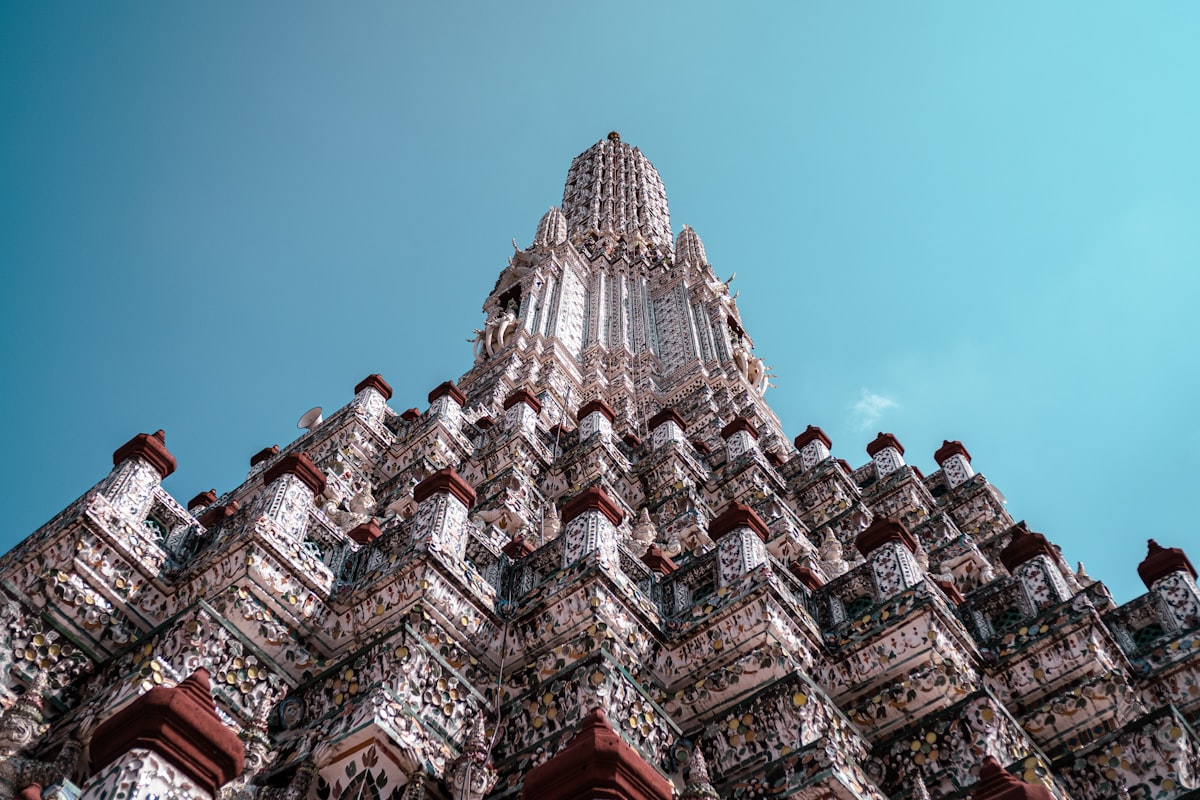
Thonglor (Sukhumvit Soi 55)
Best for: Socialising, nightlife, networking
The flashiest nomad neighbourhood. Thonglor is packed with rooftop bars, Japanese restaurants, specialty coffee shops, and coworking spaces. It's where the well-funded startup crowd and creative freelancers hang out. Rent is higher ($700-$1,200 for a one-bed), but the lifestyle is hard to beat.
- BTS Thong Lo station
- Walkable strip with everything you need
- The Hive Thonglor for coworking
- Best nightlife in the city
Ari
Best for: Creatives, writers, people who want peace
Bangkok's hipster neighbourhood. Leafy streets, independent cafes, vintage shops, and a genuine community feel that's rare in a city this size. Ari is where you go when you want to slow down without leaving Bangkok. Rent is reasonable ($450-$800).
- BTS Ari station
- The cafe density is unreal — you could work from a different one every day for a month
- Saturday walking market
- Quieter, more local, fewer tourists
Ekkamai (Sukhumvit Soi 63)
Best for: The sweet spot — cool but affordable
Ekkamai has Thonglor's energy at 70% of the price. It's creative, well-connected, and packed with good food. A lot of nomads end up here after trying the flashier areas and realising they want something more grounded.
- BTS Ekkamai station
- Excellent Japanese and Thai food scene
- W District mall for casual working
- Close to Thonglor but calmer
Silom / Sathorn
Best for: Business types, older nomads, expat infrastructure
The financial district by day, but surprisingly liveable. Silom has Lumpini Park (Bangkok's Central Park), excellent transport links, and a mix of street food and upscale dining. If you need to meet clients or prefer a more professional environment, this is your zone.
- BTS Sala Daeng / MRT Silom
- Lumpini Park for morning runs and outdoor workouts
- Rocket Coffeebar — one of the best work cafes in the city
- Close to embassies and hospitals
In Sour Mango: Check out Bangkok's Best Neighbourhoods section in the destination guide — it breaks down each area with cost ranges, vibe descriptions, and what type of nomad each suits best.
On Nut / Phra Khanong
Best for: Budget nomads, long-term stays
Further down the Sukhumvit line, On Nut is where your money stretches the furthest. Modern condos with pools and gyms for $350-$500/month. Tesco Lotus, street food galore, and still on the BTS line so you're 20 minutes from central Bangkok.
- BTS On Nut / Phra Khanong
- Best value for money in Bangkok
- Large local markets
- Growing nomad community
Coworking Spaces Worth Your Money
Bangkok's coworking scene is mature and competitive, which means great value for nomads.
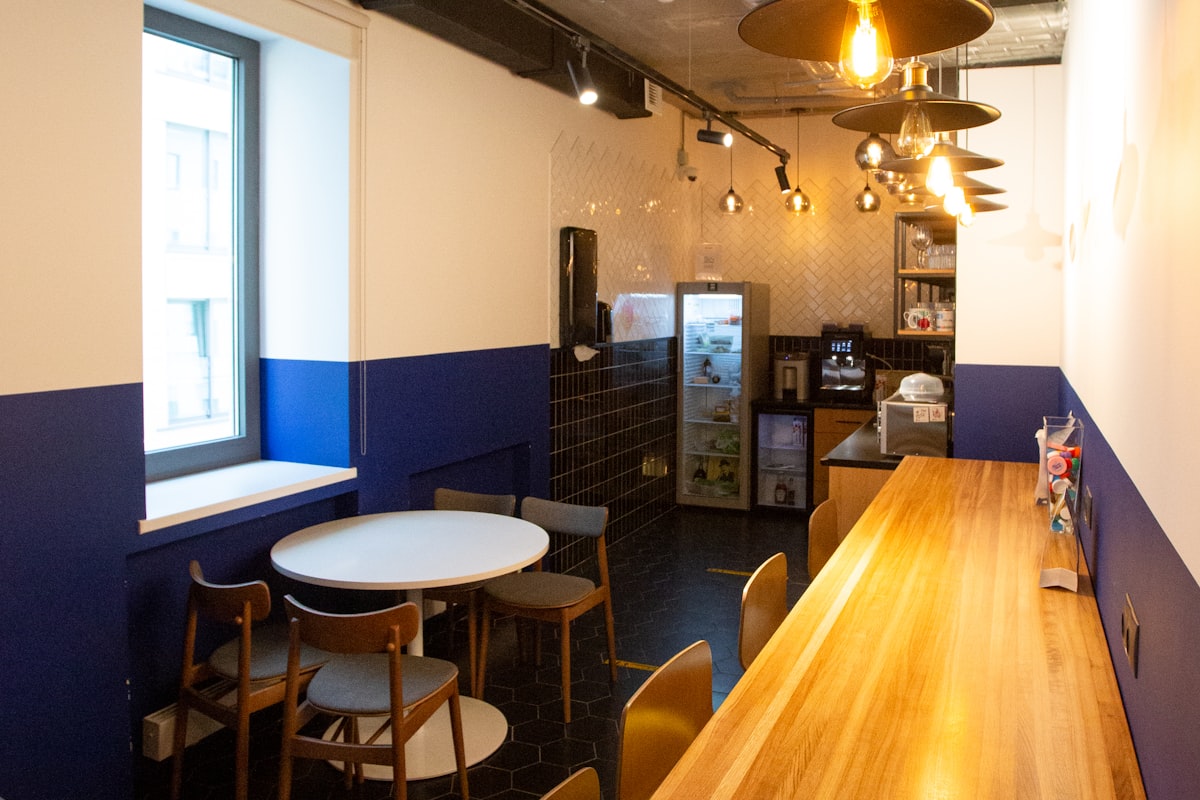
The Hive
Multiple locations (Thonglor, Prakanong). The most established nomad-friendly coworking brand in Bangkok. Fast WiFi (200+ Mbps), community events, meeting rooms, and a solid mix of locals and internationals.
- Day pass: ~350 THB ($10)
- Monthly hot desk: ~5,000 THB ($145)
- Dedicated desk: ~7,500 THB ($215)
JustCo
Premium coworking with locations across the city (AIA Sathorn, Samyan Mitrtown). More corporate feel but the facilities are top-notch — phone booths, nap pods, free-flow coffee, and fast WiFi.
- Day pass: ~500 THB ($15)
- Monthly hot desk: ~6,000 THB ($175)
Hubba-To
Ekkamai-based community coworking. Less fancy, more soul. Popular with Thai entrepreneurs and foreign nomads alike. 24/7 access and a strong community calendar.
- Monthly: ~3,500 THB ($100)
CAMP by AIS (Free!)
Not technically a coworking space — it's a free workspace by AIS (Thai telecom) on the top floor of various malls (Central World, Maya Chiang Mai). Free WiFi, power outlets, air conditioning. Just get an AIS SIM for access. Perfect when you need a quick work session without paying for a day pass.
Work-Friendly Cafes
Bangkok's cafe culture is massive, and many cafes actively welcome laptop workers:
- Rocket Coffeebar (Sathorn) — Scandinavian design, fast WiFi, great coffee, productive vibe
- Hands and Heart (Sukhumvit) — Moody craft coffee spot, magazines everywhere, perfect for deep focus
- Factory Coffee (multiple locations) — Reliable chain with good WiFi and power outlets at every seat
- Brave Roasters (Thonglor) — Specialty coffee with a minimalist work-friendly space
- Too Fast To Sleep (Samyan) — 24/7 cafe near Chulalongkorn University, popular with night owls
In Sour Mango: Browse Coworking Spaces in the Bangkok destination guide for a full list with prices, WiFi speeds, and directions. Run the WiFi Speed Test at each spot and build your own ranking of where to work.
The Food: You'll Never Cook Again
This is not an exaggeration. Bangkok's food is so good and so cheap that cooking at home makes zero financial sense.
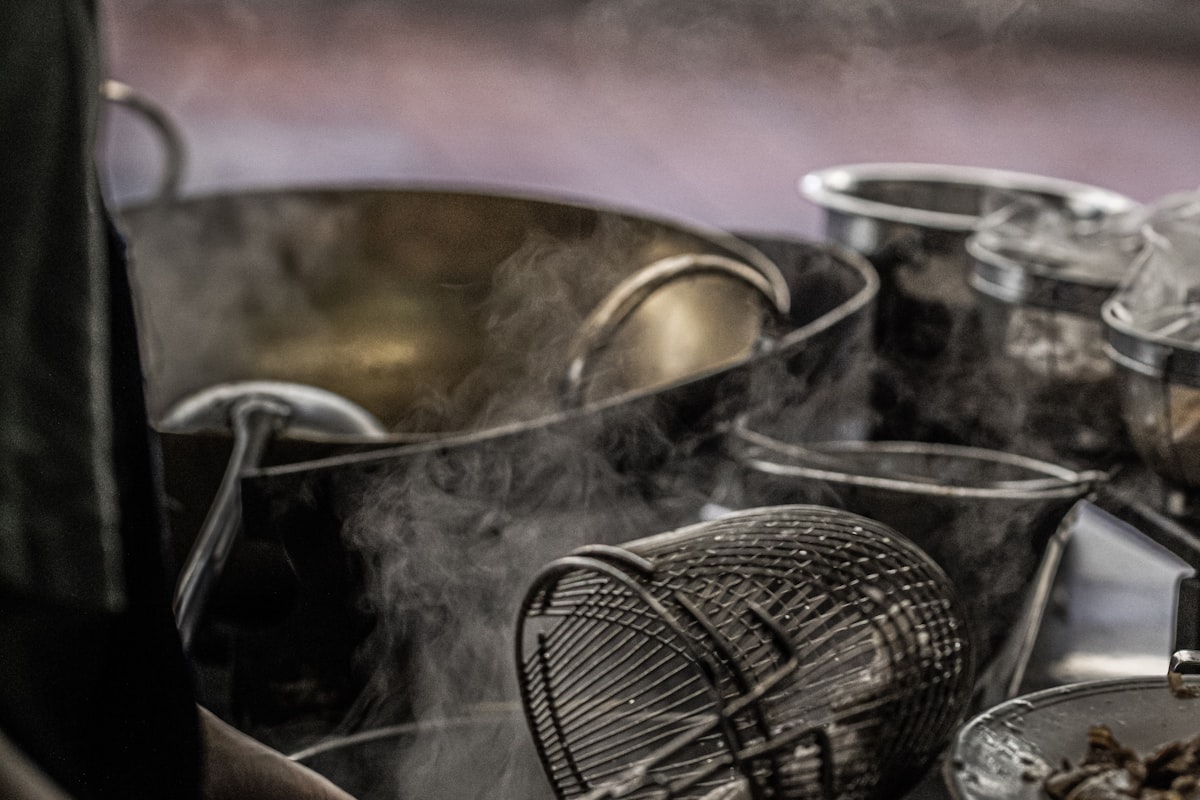
Street Food ($1-$3 per meal)
Thai street food isn't just cheap — it's some of the best food you'll eat anywhere in the world. Bangkok has more street food vendors than most countries have restaurants.
Must-try dishes:
- Pad Thai — Stir-fried rice noodles with tamarind sauce, egg, peanuts, and lime. The classic. Best eaten from a street cart, not a restaurant. 40-60 THB ($1.20-$1.80)
- Som Tam — Green papaya salad. Spicy, sour, sweet, salty — all at once. Specify your spice level or regret it. 35-50 THB ($1-$1.50)
- Khao Man Gai — Poached chicken over fragrant rice with a ginger-chili sauce. Simple, perfect, addictive. 40-50 THB ($1.20-$1.50)
- Moo Ping — Grilled pork skewers served with sticky rice. The ultimate grab-and-go breakfast. 10 THB per stick
- Pad Krapao — Minced pork or chicken with holy basil and chili, served over rice with a fried egg on top. This is what Thai people actually eat for lunch every day. 40-60 THB
- Mango Sticky Rice — Ripe mango with sweet coconut sticky rice. The dessert that makes everyone fall in love with Thailand. 60-80 THB
- Boat Noodles — Tiny bowls of rich, spiced noodle soup. You'll eat 3-5 bowls. 15-20 THB per bowl
Where to eat:
- Yaowarat (Chinatown) — The epicentre. Come at night for seafood, oyster omelettes, and roasted duck noodles. This is a must-visit at least once
- Victory Monument — Boat noodle alley. Dozens of stalls serving small bowls of rich noodle soup
- Ari market — Saturday walking market with local vendors
- Terminal 21 food court — Air-conditioned, clean, and shockingly cheap (40-60 THB per meal). Great for when you want street food prices with mall comfort
- Or Tor Kor Market — The "gourmet" market next to Chatuchak. Higher quality produce and prepared food
Beyond street food:
- Mid-range restaurants: $5-$15 per meal
- Nice dinner out: $20-$40
- Japanese food is exceptionally good and affordable in Bangkok (large Japanese expat community)
- 7-Eleven is genuinely a food destination — toasties, onigiri, iced coffee for $1-$2
In Sour Mango: Use the Price Checker to verify fair prices before you buy — especially at tourist-facing stalls. Point, snap, and the AI tells you if that 200 THB pad thai is a ripoff (it is — should be 50-60 THB). Browse Local Food in the Bangkok guide for dish recommendations with price ranges.
Transport: Cheap and Easy
Getting around Bangkok is simple once you understand the system:
BTS Skytrain + MRT Subway
The backbone of Bangkok transit. Clean, air-conditioned, and covers most areas nomads care about. A single trip costs 16-59 THB ($0.50-$1.70). Get a Rabbit card (BTS) for tap-and-go convenience.
Grab (Southeast Asia's Uber)
Grab Motorbike is the secret weapon. Weave through traffic for a fraction of the cost and time of a car. A typical cross-city ride is 50-100 THB ($1.50-$3). Grab Car is great for when you have luggage or it's raining.
Boats
The Chao Phraya river boats and canal boats are a genuinely useful (and fun) way to commute. The orange flag boat runs along the river for 16 THB ($0.50) and connects to BTS at Saphan Taksin.
Getting to the airport
Suvarnabhumi Airport (BKK): Airport Rail Link from Phaya Thai BTS station — 45 THB, 30 minutes. Or Grab for 250-400 THB.
Don Mueang Airport (DMK): Cheaper airlines fly here. Bus A1 to Mo Chit BTS for 30 THB, or Grab for 200-350 THB.
Healthcare: Surprisingly World-Class
Bangkok is a global medical tourism hub, and nomads benefit from that infrastructure.
- Bumrungrad Hospital — Literally feels like a five-star hotel. International-standard care, English-speaking staff, and a fraction of Western prices
- MedPark Hospital — Newer, modern, excellent
- Bangkok Hospital — Multiple branches, reliable
A doctor's visit costs 500-1,500 THB ($15-$45). Dental cleaning: 1,000-2,000 THB ($30-$60). Many nomads fly to Bangkok specifically for medical and dental work.
Insurance: SafetyWing ($45-$80/month) or a local Thai insurer like Pacific Cross covers most needs. The DTV visa requires health insurance, so factor this in.
The Community
Bangkok's nomad community is large, established, and welcoming. Unlike some cities where nomads exist in isolated bubbles, Bangkok has:
- Regular meetups — Nomad Coffee Club, Startup Grind Bangkok, and dozens of informal gatherings
- Facebook groups — "Digital Nomads Bangkok" (50k+ members), "Bangkok Expats" for practical questions
- Coworking events — The Hive and Hubba regularly host talks, workshops, and social nights
- Sports — Hash House Harriers (running), football leagues, Muay Thai gyms, CrossFit boxes, climbing gyms
- Weekend escapes — Koh Samet (3 hours), Koh Chang (5 hours), Hua Hin (3 hours), Khao Yai (3 hours)
The community skews younger (25-35) but there's a growing contingent of families and older remote workers, especially since the DTV visa made long-term stays legal.
In Sour Mango: Find nomads already in Bangkok through the Mates feature — add people, see who's in your city, and organise meetups. Create a Tribe group chat with your Bangkok crew to share tips, plan dinners, and coordinate coworking sessions. Use Share Location so your mates can find you at that rooftop bar you can't remember the name of.
The Downsides (Being Honest)
No city is perfect. Here's what you should know:
Traffic
Bangkok traffic is legendary — and not in a good way. A 5km drive can take an hour during rush hour. Solution: live near a BTS/MRT station and avoid road transport during peak times (7-9am, 5-8pm). The Skytrain makes traffic irrelevant if you plan your location right.
Heat and humidity
Bangkok is hot. Year-round. Expect 30-36C (86-97F) most days with high humidity. March-May is brutal (40C+). The rainy season (June-October) brings short, intense downpours but also cooler temperatures. You'll live in air conditioning and that's okay.
Air quality
November-February can see poor air quality (PM2.5). Check the AQI before outdoor exercise. Most modern condos and coworking spaces have air filtration.
Language barrier
Thai is not easy to learn, and English proficiency varies. In nomad-heavy areas (Sukhumvit, Silom) you'll be fine with English. Outside those bubbles, you'll need help. Sour Mango's Offline Translation works without WiFi — download the Thai language pack before you arrive and translate menus, signs, and conversations anywhere, even on a remote island with no signal.
Visa rules on local work
The DTV explicitly does not allow you to work for Thai companies or Thai clients. Your income must come from outside Thailand. This is fine for most remote workers, but freelancers should be aware.
Quick Start: Your First Week in Bangkok
- Before you fly — Open Sour Mango and use the AI Trip Planner to generate a Bangkok itinerary for your first week. Check Visa Requirements for your passport and read the Nomad Essentials (local SIM, cash vs card, VPN tips). Use Packing Lists to get a weather-based packing suggestion for Bangkok
- Land at Suvarnabhumi — Get a tourist SIM at the airport (AIS or TRUE, ~300 THB for 30 days of data)
- Grab to your area — Book an Airbnb or serviced apartment in Thonglor, Ari, or Ekkamai for your first week
- Get your bearings — Walk around, find the nearest BTS station, locate your coffee shops
- Try coworking — Buy day passes at 2-3 spaces before committing monthly
- Apartment hunt — After a week, you'll know your neighbourhood. Use Facebook groups and walk-in visits to find condos (much cheaper than Airbnb for monthly stays)
- Set up banking — Bangkok Bank offers accounts to foreigners with a passport and proof of address. Wise or Revolut work great for international transfers
- Join the community — Drop into a meetup, introduce yourself at your coworking space, and add people on Sour Mango Mates to stay connected as you all move between cities
The Bottom Line
Bangkok gives you everything a digital nomad needs: world-class internet, a low cost of living, incredible food, solid infrastructure, a legal visa pathway, and a massive community of like-minded people. Very few cities in the world tick every box like this.
It's not the cheapest city in Thailand (Chiang Mai wins that), and it's not the most chill (the islands win that). But for the complete package — work productivity, social life, food, healthcare, transport, and value for money — Bangkok is hard to beat.
The DTV visa makes it official: Thailand wants you here. Take them up on it.
Track your Thai visa, test WiFi speeds at every cafe, convert currencies on the fly, and connect with nomads already in Bangkok — all in one app. Download Sour Mango and travel smarter.
Travel smarter with Sour Mango
Visa tracking, AI trip planner, WiFi speed tests, and a global nomad community — all in one free app.
Explore more guides
Browse all city guides →