
Barcelona — Beach, Culture, and Europe's Nomad Hub
Barcelona is the city that has it all — beach, mountains, architecture, nightlife, food, and a cultural depth that most nomad destinations can't touch. It's not the cheapest option in Europe (not even close for Spain), but for the complete urban beach lifestyle with world-class everything, nothing compares. You can finish a deep-focus morning at a coworking space in Poblenou, eat fideuà at a beachside chiringuito by 2pm, swim laps in the Mediterranean at 4pm, and be watching the sunset from Bunkers del Carmel by 7pm. That's a Tuesday.
The nomad scene here is enormous, diverse, and genuinely international. Barcelona has been attracting remote workers since long before "digital nomad" was a phrase anyone used. Spain's digital nomad visa has only made it more compelling. Here's everything you need to know to make it work.
The Internet Is Solid
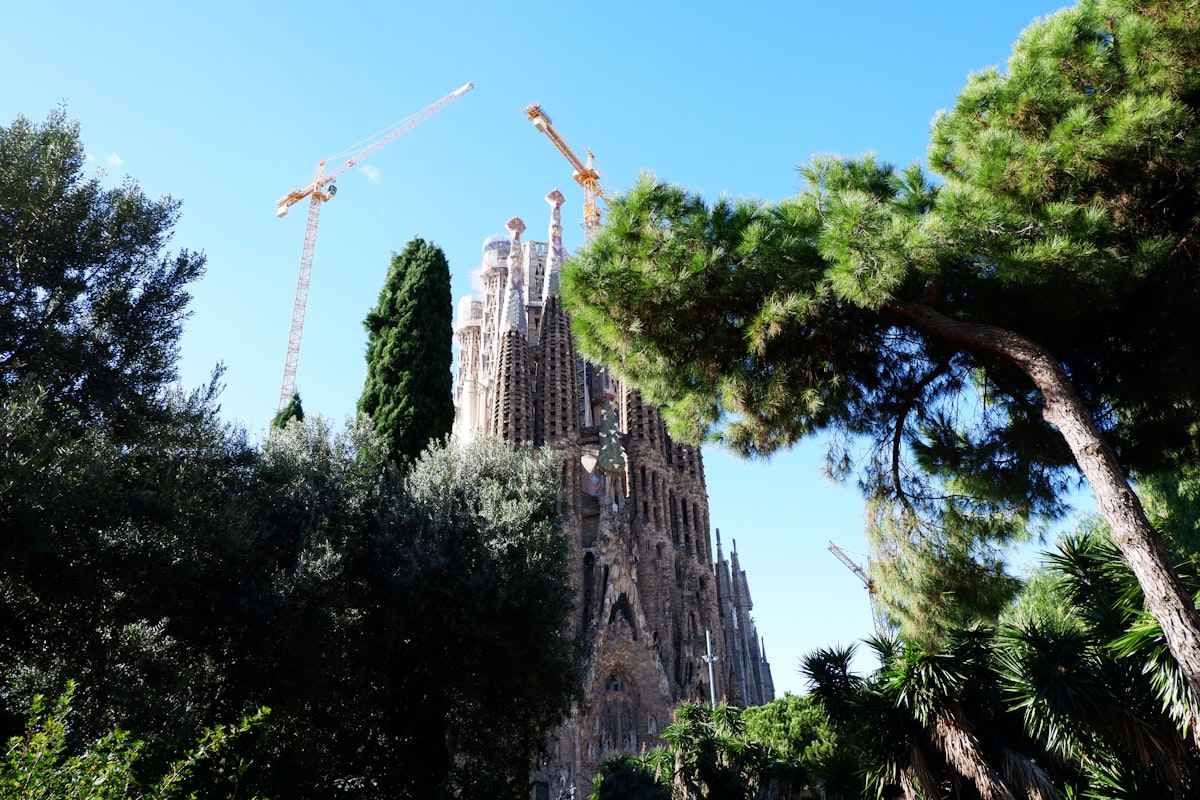
Spain's internet infrastructure is strong and getting better. Most apartments with Movistar, Vodafone, or Orange fibre deliver 100-600 Mbps. You won't have connectivity anxiety here — fibre is widespread across all central neighbourhoods.
Coworking spaces push 100-300 Mbps with dedicated lines. Cafe WiFi averages 20-50 Mbps, which handles video calls and general work fine, though you'll want to test before settling in for a full day.
Mobile data: Prepaid SIMs with 20-30GB run €10-€20/month from Orange, Vodafone, or Lycamobile. For heavier usage, monthly contracts with unlimited data cost €20-€30/month. Lycamobile is cheapest for data-only; Orange has the best coverage across Spain if you're planning day trips.
Pro tip: Use WiFi Speed Test in Sour Mango before committing to a cafe for the day. The prettiest terrace doesn't always have the fastest connection. Satan's Coffee Corner looks incredible but the WiFi can be spotty — Nomad Coffee two blocks away is more reliable.
In Sour Mango: Run WiFi Speed Test at any new spot. Save your best-performing cafes in the app so you build a personal rotation.
Cost of Living: Mid-to-High for Europe
Barcelona is Spain's priciest city for rent, neck-and-neck with Madrid. It's a bargain compared to London or Amsterdam, but significantly more expensive than Valencia, Málaga, or Lisbon. Housing is the biggest cost driver — the rental crisis is real and ongoing.
Budget Nomad (~€1,800/month)
- Rent: €800-€1,100 — room in a shared flat or studio in Gràcia, Poble Sec, or outer Eixample
- Coworking: €120-€180 — monthly hot desk
- Food: €300-€400 — heavy on cooking, menú del día lunches, market shopping
- Transport: €40 — T-Usual monthly metro/bus pass
- Phone: €15 — prepaid SIM
- Fun: €200-€300 — drinks, beach, some dining out
- Health insurance: €60-€80 — Cigna or SafetyWing
Comfortable Nomad (~€2,800/month)
- Rent: €1,200-€1,700 — one-bedroom in Eixample, El Born, or Poblenou
- Coworking: €180-€280 — dedicated desk or premium space
- Food: €450-€550 — restaurants 3-4x/week, quality groceries
- Transport: €40 — T-Usual plus occasional taxi
- Fun: €350-€450 — cocktail bars, concerts, weekend trips
- Health insurance: €60-€80
The menú del día is your secret weapon. Nearly every non-tourist restaurant offers a €10-€14 lunch that includes starter, main course, dessert, bread, and a drink (usually wine or beer). It's the best value meal in Southern Europe.
In Sour Mango: Check Barcelona's full cost breakdown in Destinations. Use Currency Converter to check EUR against your home currency in real time. Price Checker helps you benchmark costs at tourist-heavy areas like La Rambla or Barceloneta, where prices can be 40-60% higher than neighbourhood spots.
The Visa Situation
Spain's Digital Nomad Visa (Ley de Startups)
Spain launched its digital nomad visa under the Ley de Startups (Startup Act) in 2023, and it's become one of the most attractive in Europe.
Key details:
- Duration: Initial 1-year visa, renewable for up to 3 years, then convertible to standard residency
- Income requirement: Minimum €2,520/month (200% of Spain's minimum wage) — must come from clients/employers outside Spain
- Tax rate: 15% flat tax for the first 4 years under the Beckham Law regime (vs. standard progressive rates of 24-47%)
- Eligibility: Must prove remote work for a non-Spanish company or as a freelancer with primarily non-Spanish clients. At least 80% of income must come from outside Spain
- Health insurance: Required — private coverage valid in Spain
- Clean criminal record: Required from your country of origin and Spain
- Processing time: Officially 20 business days, realistically 1-3 months
- Application: Can be submitted at a Spanish consulate abroad or, if already in Spain on a tourist visa, at the Oficina de Extranjería (though this path is trickier)
Why it matters: That 15% flat tax rate is a game-changer. If you're earning €50,000/year, you'd pay roughly €7,500 in tax instead of potentially €15,000+ under standard rates. Over four years, the savings are massive.
The catch: Spanish bureaucracy is slow and occasionally Kafkaesque. Getting your NIE (tax identification number), registering your padrón (proof of address), and navigating the system requires patience. Budget 2-3 weeks for paperwork after arrival. A gestoría (administrative agency) costs €200-€400 but saves enormous headaches.
Schengen Zone Alternative
Non-EU citizens without a visa get 90 days per 180-day period in the Schengen Zone. Barcelona works well for a 2-3 month stint, but if you want to stay longer or access the tax benefits, the digital nomad visa is worth the paperwork.
In Sour Mango: Look up Spain's full requirements in Visa Requirements. Add your digital nomad visa to Visa Tracking so you never lose track of renewal dates or the 80% income threshold. The app sends reminders before key deadlines.
Best Neighbourhoods for Nomads
Barcelona has distinct barris (neighbourhoods), each with its own personality. Where you live will shape your entire experience.
Gràcia
Best for: Local vibes, plaza culture, independent spirit. Gràcia was its own town before Barcelona absorbed it, and residents haven't forgotten. The plaças — Plaça del Sol, Plaça de la Vila de Gràcia, Plaça de la Virreina — fill with people drinking vermouth every evening. Tons of independent shops, vinyl bars, and a genuinely local feel despite the nomad presence.
- Rent: €800-€1,200/month
- Vibe: Village-within-a-city. Best nightlife that isn't club-focused
- Work-friendly cafes: Federal Café, La Salada, Cafè del Centre
Eixample
Best for: Modernist architecture, wide boulevards, central convenience. The Cerdà grid means every block is walkable and well-connected. Two sub-zones: Dreta (right) Eixample is pricier and more polished; Esquerra (left) Eixample is slightly more affordable and residential. Everywhere you look, there's a Gaudí building or a gorgeous modernista facade.
- Rent: €900-€1,500/month
- Vibe: Classic European city living. Beautiful apartments, great transit
- Work-friendly cafes: Satan's Coffee Corner, Nomad Coffee, Slow Mov
El Born
Best for: History, nightlife, galleries, and being in the middle of everything. Narrow medieval streets packed with cocktail bars, boutiques, and the stunning Basílica de Santa Maria del Mar. The Picasso Museum is here. It's touristy but undeniably magnetic. Can be noisy at night — bring earplugs.
- Rent: €900-€1,400/month
- Vibe: Historic, social, buzzing every night of the week
- Work-friendly cafes: Espai Joliu, Alsur Café, Caravelle
Poblenou / 22@
Best for: Tech scene, beach proximity, modern living. Barcelona's answer to Shoreditch or Williamsburg — a former industrial district now packed with startups, design studios, and converted warehouse spaces. The beach is a 10-minute walk. The 22@ innovation district means coworking spaces and tech companies are everywhere. Slightly quieter at night than El Born or Gràcia.
- Rent: €800-€1,200/month
- Vibe: Creative, tech-forward, close to the sea
- Work-friendly cafes: Two Schmucks Coffee, The Coffee Side, Syra Coffee
Barceloneta
Best for: Beach life, if you can handle the tourists. Barcelona's original fisherman's quarter sits right on the beach. Tiny streets, seafood restaurants, and that salt-air lifestyle. The tradeoff: tourist saturation from April to October. Locals are increasingly frustrated. Best as a place to visit daily rather than live, unless you find a good flat through local connections.
- Rent: €850-€1,300/month
- Vibe: Beach town within a city. Loud in summer
Sant Antoni
Best for: Budget-conscious nomads who want a central location. Sant Antoni has boomed in the last few years — the renovated Mercat de Sant Antoni is gorgeous, Carrer del Parlament is lined with bars and restaurants, and it's walking distance to Eixample and Poble Sec. Still slightly cheaper than Eixample or Born.
- Rent: €750-€1,100/month
- Vibe: Up-and-coming, great food scene, slightly more affordable
- Work-friendly cafes: Tarannà Café, Federal Café Sant Antoni
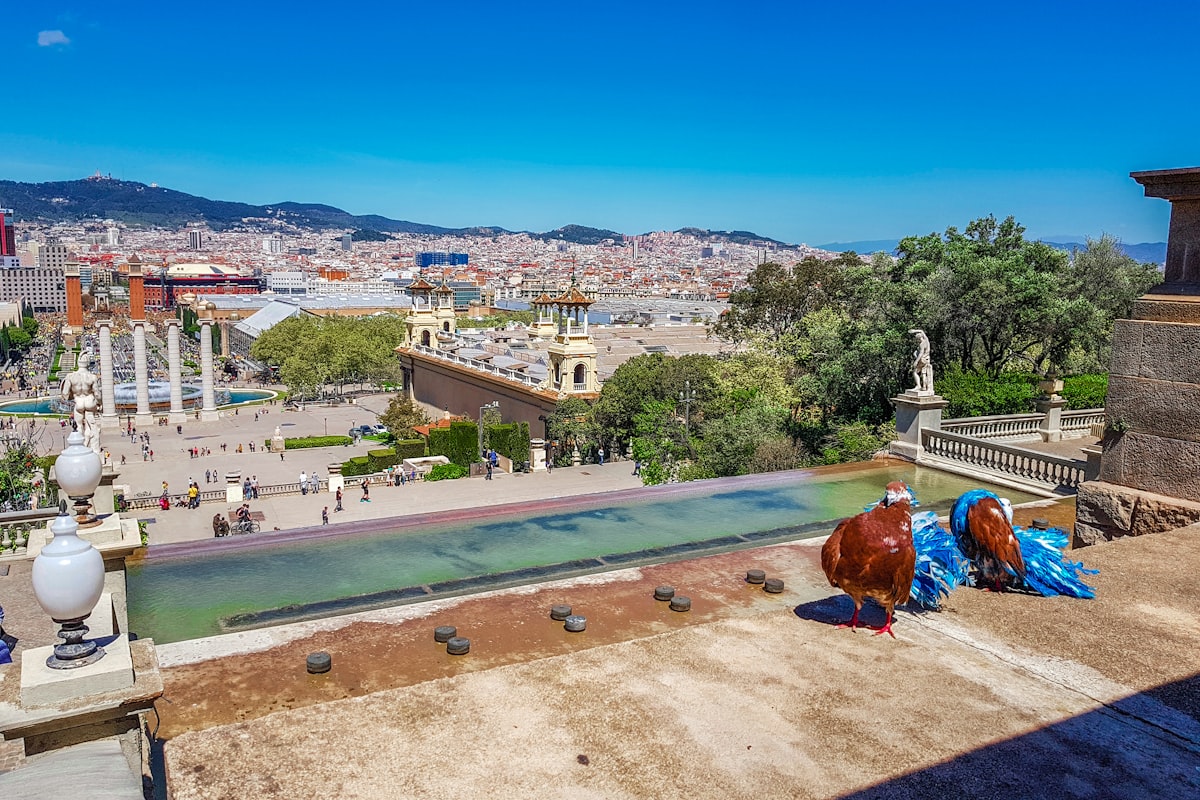
In Sour Mango: Use Destinations to compare Barcelona's neighbourhoods. Share Location with your Mates so friends know which barri you're based in. Planning your move? The AI Trip Planner can build a neighbourhood-hopping itinerary for your first week so you test each area before signing a lease.
Coworking Spaces
Barcelona's coworking scene is deep. You won't struggle to find a space that fits your style and budget.
MOB (Makers of Barcelona) — El Born
The OG community-focused coworking in Born. Creative crowd, regular events, strong social scene. The rooftop terrace is a genuine perk. More community than corporate.
- Hot desk: €180/month
- Dedicated desk: €250/month
- Day pass: €20
Aticco — Eixample / Diagonal
Polished, professional spaces with multiple locations. Good meeting rooms, reliable internet, well-maintained. Attracts more corporate remote workers and funded startups.
- Hot desk: €200/month
- Dedicated desk: €300/month
- Day pass: €25
OneCoWork — Multiple Locations
Premium coworking with spaces in Plaça Catalunya and the marina. Beautiful interiors, strong WiFi, professional vibe. The Plaça Catalunya location puts you in the dead centre of the city.
- Hot desk: €250/month
- Dedicated desk: €350/month
- Day pass: €25-€30
Betahaus — El Born
Berlin-born coworking with a Barcelona outpost. Great for the startup and freelance crowd. Regular workshops, pitch nights, and community events. The café downstairs is open to the public and is a good trial run before committing.
- Hot desk: €190/month
- Dedicated desk: €270/month
- Day pass: €18
Itnig — Eixample
Tech-focused space with a strong startup community. If you're building a product or want to be around founders, this is your spot. Regular demo days and tech talks.
- Monthly: €200
- Focused on: Startups, tech, product teams
In Sour Mango: Check coworking listings and reviews in Destinations. Use WiFi Speed Test during your trial day — most spaces offer free day passes or tours. Save your favourites in Nomad Essentials for quick reference.
The Food: Mediterranean at Its Absolute Best
Barcelona's food scene is one of the deepest in Europe. Catalan cuisine is its own thing — distinct from the rest of Spain — and the city's international influence means you can eat incredibly well at every price point.
What to Eat
- Pa amb tomàquet — Bread rubbed with ripe tomato, drizzled with olive oil and salt. Deceptively simple, unreasonably good. Served with almost every meal. Free or €2-€3 as a starter
- Patatas bravas — Fried potatoes with spicy bravas sauce and sometimes alioli. Every bar has its own version. €4-€6
- Bombas — A Barcelona original: deep-fried potato balls stuffed with meat, topped with bravas sauce and alioli. Born in Barceloneta. €5-€7
- Fideuà — Like paella but made with short noodles instead of rice. Often better than the paella, honestly. Best with seafood. €12-€16/person
- Croquetas — Creamy béchamel croquettes, usually filled with jamón ibérico, bacalao (salt cod), or wild mushrooms. Perfectly crispy outside, molten inside. €1.50-€2.50 each
- Crema catalana — Catalonia's answer to crème brûlée (they'll tell you theirs came first, and they're right). Custard with caramelised sugar, infused with lemon and cinnamon. €4-€6
- Calçots (seasonal, Jan-Mar) — Grilled spring onions dipped in romesco sauce. Eaten at calçotades, which are essentially onion BBQ parties. An experience. €15-€25 for a calçotada menu
- Pintxos — Basque-style bar snacks on Carrer de Blai in Poble Sec. Grab a plate, point at what you want. €1-€2.50 each
- Bocadillo de jamón — Jamón ibérico on a crusty baguette. Simple perfection from any good bar. €3-€5
Where to Eat
- Mercat de la Boqueria — The famous market on La Rambla. Yes, it's tourist-priced at the front stalls, but walk to the back and you'll find locals buying produce. The fruit juices (€2-€3) and seafood counters are worth it. Go before 10am to beat the crowds
- Mercat de Sant Antoni — Recently renovated, less touristy than Boqueria, and surrounded by excellent bars and restaurants. Sunday morning book market outside
- Mercat de Santa Caterina — In El Born, beautiful Gaudí-influenced roof, excellent food stalls
- Bar Cañete (Raval) — Serious Catalan tapas. The grilled razor clams are legendary. Not cheap (€40-€50/person) but worth it for a splurge
- Cervecería Catalana (Eixample) — One of the best tapas bars in the city. Always packed, no reservations. Get there at opening (1pm) or wait 30+ minutes. Tapas €4-€9
- El Xampanyet (El Born) — Tiny, classic cava bar with simple tapas. Been there forever. Standing room mostly. Cava + anchovies = €8
- La Pepita (Gràcia) — Gourmet sandwiches and small plates in a gorgeous space. €8-€14 per dish
- Can Paixano / La Xampanyeria (Barceloneta) — Chaotic, standing-room cava bar with massive bocadillos for €3-€5. Cava for €1.20/glass. An institution
- Carrer de Blai (Poble Sec) — The entire street is pintxos bars. Hop between them. Budget €10-€15 for a full meal with drinks
Menú del día remains the best-kept secret for nomads who eat out at lunch. Nearly every neighbourhood restaurant offers a €10-€14 set lunch: starter, main, dessert, bread, and a drink. Check the chalkboard outside. Quality varies, but the good ones are extraordinary value.
In Sour Mango: Use Local Food for curated Barcelona restaurant and dish recommendations. Price Checker is essential in tourist zones — compare what you're being charged against neighbourhood averages. Offline Translation helps when menus are in Catalan (which is more common than you'd expect, and appreciated when you try).
Getting Around
Barcelona is a walkable, bikeable, well-connected city. You don't need a car.
Metro and Bus (TMB)
The TMB metro has 12 lines covering the entire city. Clean, efficient, runs from 5am to midnight Sunday-Thursday, until 2am Friday, and 24 hours Saturday. The bus network fills the gaps. Google Maps integrates perfectly with Barcelona's transit.
- T-Casual: 10 trips — €11.35 (metro, bus, tram)
- T-Usual: Unlimited monthly pass — €40 (all zones 1 transport)
- Single ticket: €2.55
Bicing (Bike Share)
Barcelona is flat (except Gràcia and Montjuïc) with excellent bike lanes. The Bicing system costs €50/year and gives you access to bikes and e-bikes across the city. You need a local address to register, but it's one of the best bike-share systems in Europe. For casual use, Donkey Republic or Bolt e-scooters are alternatives.
Renfe (Trains)
Renfe commuter trains (Rodalies) connect Barcelona to the airport, Sitges, and surrounding towns. For longer trips, high-speed AVE trains reach Madrid in 2.5 hours (€30-€70), Valencia in 3 hours, and Girona in 38 minutes.
Airport
El Prat (BCN) is the main airport. The Aerobús runs to Plaça Catalunya every 5 minutes for €7.75 (35 minutes). The metro L9 also connects the airport for €5.15. Ryanair and Vueling fly cheap routes across Europe — weekend trips to Lisbon, Rome, or Paris for €30-€60 return if you book ahead.
In Sour Mango: The AI Trip Planner can map out day trip itineraries to Montserrat, Costa Brava, or Girona using Renfe schedules. Packing Lists help you prep for weekend trips — Barcelona weather shifts quickly from beach to mountain.
Healthcare
Public Healthcare
Spain has excellent public healthcare. If you're on the digital nomad visa and paying into social security (autónomo), you get access to the public system (CatSalut in Catalonia). Quality is high, wait times for non-urgent care can be long (weeks to months for specialists), but emergency care is immediate and free.
Private Healthcare
Most nomads carry private insurance. Cigna Global, SafetyWing, or Allianz Care are common choices at €60-€120/month. Local Spanish private providers like Sanitas (€60-€90/month) or Adeslas (€50-€80/month) offer great coverage with short wait times and English-speaking doctors in Barcelona.
Pharmacies (farmàcies) are everywhere and staffed by actual pharmacists who can advise and dispense many medications without a prescription that would require one elsewhere.
In Sour Mango: Check healthcare info for Spain in Nomad Essentials. Store your insurance details and pharmacy locations for quick access.
The Community
Barcelona's nomad and expat community is one of the largest and most diverse in Europe. You will not struggle to meet people.
Tech and Startup Scene
Barcelona is a genuine tech hub. The Mobile World Congress is held here annually. The 22@ district in Poblenou is packed with startups and tech companies. Regular events include:
- Startup Grind Barcelona — Monthly founder talks and networking
- Barcelona Digital Nomads — Active Meetup group, weekly events
- BcnEng — Slack community for Barcelona-based engineers
- Product Hunt Barcelona — Monthly product demos
Social and Active
- Beach volleyball — Pickup games at Barceloneta and Bogatell beaches year-round
- Running groups — Barcelona Running Club, Midnight Runners BCN
- Yoga and fitness — Dozens of studios; outdoor yoga on the beach is a thing
- Language exchanges — Tons of intercambio events at bars across the city. Practice Spanish, Catalan, or whatever else
- Sailing — Group lessons from the Port Olímpic. From €25/session
Day Trips
Barcelona's location is incredible for weekend escapes:
- Montserrat — Dramatic mountain monastery, 1 hour by train. Free to visit, jaw-dropping scenery
- Costa Brava — Stunning coves and coastal towns (Tossa de Mar, Cadaqués). 1.5-2 hours by car or bus
- Girona — Beautiful medieval city with Game of Thrones filming locations. 38 minutes by AVE train
- Sitges — Beach town with great nightlife. 40 minutes by Rodalies train
- Tarragona — Roman ruins and a quieter beach scene. 1 hour by train
- Andorra — Duty-free shopping and skiing in winter. 3 hours by bus
In Sour Mango: Find other nomads through Mates — filter by location and see who's in Barcelona right now. Create or join a Tribe for your neighbourhood, coworking space, or activity (beach volleyball crew, hiking group, tapas crawl regulars). Share Location so your tribe knows when you're at the beach or the coworking space.
The Downsides — Be Honest With Yourself
Barcelona is incredible, but it has real problems. Ignoring them won't make them disappear.
Pickpocketing Is Serious
This isn't hype. Barcelona has one of the highest pickpocketing rates in Europe. La Rambla, the metro (especially L3), Plaça Catalunya, and the beach are hotspots. Phone snatching on terraces is common. Use a front pocket or crossbody bag. Don't put your phone on a restaurant table near the sidewalk. Stay aware — it's not dangerous, but you will get targeted if you look distracted.
Tourist Crowds
Barcelona receives 12+ million tourists per year. From April to October, the Gothic Quarter, La Rambla, and Barceloneta beach are uncomfortably packed. Locals have legitimate, growing resentment toward mass tourism — "tourists go home" graffiti is common. Be respectful, learn some Catalan basics (bon dia, gràcies, si us plau), and spend your money in neighbourhood spots rather than tourist traps.
Expensive for Spain
Barcelona is the most expensive city in Spain for rent, and the housing crisis is severe. Finding a flat takes 2-4 weeks of active searching. Scams on Idealista and other platforms are common — never pay before viewing in person. Budget at least €800 for a room and €1,200+ for a solo apartment. Other Spanish cities (Valencia, Málaga, Seville, Las Palmas) offer 30-50% lower costs.
Bureaucracy
Spanish bureaucracy is legendarily slow. Getting your NIE appointment can take weeks. The padrón registration requires your landlord's cooperation. Visa processing exceeds official timelines. A gestoría (€200-€400) is almost mandatory for navigating the system without losing your mind.
Catalan Politics
Catalonia has a complicated relationship with the rest of Spain. Independence sentiments are strong. This rarely affects daily nomad life, but be aware of the cultural context. Catalan is the co-official language and increasingly used in signage, menus, and government services. Learning a few phrases goes a long way.
Quick Start: Your First Week in Barcelona
Day 1-2: Land and settle. Get a Vodafone or Orange SIM at the airport. Take the Aerobús to Plaça Catalunya (€7.75). Check into your temporary accommodation (book a week on Airbnb while you flat-hunt). Walk your neighbourhood, buy groceries at a Mercadona or Bon Preu.
Day 3-4: Find your workspace. Do trial days at 2-3 coworking spaces. Visit MOB, Betahaus, and Aticco. Test cafe WiFi at Nomad Coffee and Satan's Coffee Corner. Buy a T-Casual metro card.
Day 5-6: Start the paperwork. Book your NIE appointment online (extranjeros.inclusion.gob.es). Register for padrón at your district's oficina. Find a gestoría if you're applying for the digital nomad visa. Open a bank account at N26, Wise, or a local Spanish bank if needed.
Day 7: Explore and connect. Walk from Barceloneta through El Born to the Gothic Quarter. Eat pa amb tomàquet at El Xampanyet. Join a Barcelona Digital Nomads Meetup. Sign up for Bicing. Watch the sunset from Bunkers del Carmel with a beer from the corner shop.
In Sour Mango: Use AI Trip Planner to structure your entire first week. Packing Lists for Barcelona (don't forget a good padlock and crossbody bag). Nomad Essentials has a Spain-specific checklist covering NIE, padrón, SIM cards, and banking. Offline Translation works without WiFi — essential when you're navigating bureaucracy in Spanish or Catalan.
The Bottom Line
Barcelona gives you the complete European urban beach package — culture, food, nightlife, architecture, and 300 days of Mediterranean sunshine per year. The digital nomad visa with its 15% flat tax rate makes it financially smarter than ever. The coworking scene is mature, the food is world-class, and the community of nomads and expats is enormous.
It's not cheap by Spanish standards, and the bureaucracy will test you. The housing market is brutal. Pickpocketing is a daily consideration. But if you want a city where you can build a genuine life — not just pass through — Barcelona delivers in ways few places can. The beach is always there. The mountains are an hour away. The vermut is always cold. And the city never stops surprising you.
Track your Spanish digital nomad visa, test WiFi at every cafe, find your tribe, and plan your Barcelona life — all in Sour Mango. Download and travel smarter.
Travel smarter with Sour Mango
Visa tracking, AI trip planner, WiFi speed tests, and a global nomad community — all in one free app.
Explore more guides
Browse all city guides →