
Berlin — Europe's Creative Capital for Digital Nomads
Berlin is the city that breaks the European nomad mould. While Lisbon and Barcelona have become expensive and oversaturated, Berlin remains stubbornly affordable, aggressively creative, and genuinely unbothered by what anyone thinks of it. It's a city that attracts misfits, artists, entrepreneurs, and remote workers — and somehow makes room for all of them.
The internet is fast, the coworking scene is the most developed in Europe, the food is international in ways that only a truly multicultural city can be, and the rent — while rising — is still half of what you'd pay in London, Paris, or Amsterdam. Berlin doesn't care about your Instagram aesthetic. It cares about whether you're doing interesting work.
The Internet Situation
Germany's internet reputation is mixed — the country famously lags behind on rural broadband — but Berlin is a different story. The capital has caught up, and most apartments in the central districts now come with 50-250 Mbps connections from providers like Telekom, Vodafone, or 1&1.
Cafes are generally solid. Berlin's cafe culture is deeply entrenched, and the laptop-friendly spots — The Barn, Bonanza, Five Elephant — typically offer 30-80 Mbps. Some newer specialty cafes push higher.
Coworking is where Berlin truly shines. The city has more coworking spaces per capita than any other European city, and the infrastructure reflects it. Factory Berlin, Betahaus, and St. Oberholz all deliver 200-500 Mbps with redundant connections.
Mobile data has improved dramatically. 5G coverage now blankets central Berlin through Telekom, Vodafone, and O2. A prepaid SIM (Aldi Talk, Lidl Connect, or Fraenk) costs EUR 8-15 ($9-$16/month) for 10-20GB of data. Telekom has the best 5G coverage.
Pro tip: Use the WiFi Speed Test in Sour Mango at every cafe you try. Berlin has hundreds of work-friendly spots across dozens of neighbourhoods, and speeds vary enormously. Your saved results become a personal speed map — invaluable when you're in an unfamiliar Kiez and need to find a reliable connection fast.
Cost of Living: Cheap for Western Europe, Not Cheap Overall
Berlin is the most affordable major city in Western Europe for nomads. It's not Southeast Asia — nobody's living on $800/month here — but compared to London, Paris, Amsterdam, or Barcelona, the savings are real and significant.
Budget Nomad (~EUR 1,600 / $1,750/month)
- Rent: EUR 700-900 — room in a WG (shared flat) in Neukölln, Wedding, or Friedrichshain. Finding housing is Berlin's biggest challenge (more on this below)
- Coworking: EUR 100-200 — monthly hot desk at Betahaus or a smaller independent space
- Food: EUR 300-400 — mix of home cooking, street food (doner kebabs, falafel), and cheap restaurants
- Transport: EUR 58 — Deutschlandticket for all public transport nationwide
- Phone: EUR 10-15 — prepaid SIM
- Fun: EUR 150-250 — clubs (many are free or EUR 10-20), bar nights (beer is cheap), weekend activities
- Health insurance: EUR 60-80 — SafetyWing, or mandatory German insurance if on a freelance visa
Comfortable Nomad (~EUR 2,500 / $2,700/month)
- Rent: EUR 1,000-1,400 — one-bedroom apartment in Kreuzberg, Prenzlauer Berg, or Mitte. Furnished and all-in
- Coworking: EUR 200-350 — dedicated desk at Factory Berlin or WeWork
- Food: EUR 400-550 — eating out regularly, nice restaurants, farmers market groceries
- Transport: EUR 58 — same Deutschlandticket
- Phone: EUR 15
- Fun: EUR 300-400 — concerts, exhibitions, weekend trips to Dresden or the Baltic coast, bar culture
- Health insurance: EUR 80-100
The Deutschlandticket at EUR 58/month is a game-changer: unlimited travel on all local and regional public transport across the entire country. That includes Berlin's world-class U-Bahn, S-Bahn, trams, and buses — plus trains to Potsdam, Hamburg, or Munich on regional services.
In Sour Mango: Open Berlin in the Destinations tab for the full cost breakdown. The Currency Converter handles EUR instantly — tap any price and see it in your home currency with live rates.
The Visa Situation
Germany has one of the most nomad-practical visa frameworks in Europe — if you're willing to navigate some bureaucracy.
Freelance Visa (Freiberufler)
Germany's freelance visa is legendary among nomads who want to base themselves in Europe long-term:
- Up to 3-year residence permit, renewable
- Open to freelancers in "liberal professions" — writing, design, development, consulting, teaching, translation, art
- Must demonstrate clients and income (contracts, invoices, bank statements)
- Requires German health insurance (public or private, EUR 200-400/month)
- Must register a Berlin address (Anmeldung) and open a German bank account
- Apply at the Ausländerbehörde (foreigners' office) in Berlin — notorious for long waits and bureaucracy, but the actual process is straightforward
EU/EEA Citizens
Full freedom to live and work. Just register your address (Anmeldung) within 14 days of moving.
Other Options
- Job Seeker Visa — 6 months to find employment in Germany
- 90-day Schengen visa-free — For US, Canadian, Australian, and many other passport holders. Good for a trial run
- ICT (Intra-Company Transfer) — If your employer has a German entity
The freelance visa is the prize. It's one of the few European visas that explicitly lets you freelance legally, and Berlin's Ausländerbehörde — while frustrating — processes more of these than any other German city. Get a German-speaking friend or hire an immigration consultant (EUR 200-500) to help with the appointment and paperwork.
In Sour Mango: Use Visa Requirements to check Germany's entry rules for your specific passport. Track your visa or Schengen days with Visa Tracking — the countdown timer and push notifications ensure you never overstay.
Best Neighbourhoods for Nomads
Berlin is enormous — the city is nine times the size of Paris. Choosing the right Kiez (neighbourhood) is crucial.
Kreuzberg
Best for: Creative nomads, food lovers, nightlife, diversity
Kreuzberg is Berlin's beating heart for creatives and internationals. It's gritty, multicultural, endlessly interesting, and home to the city's best food scene. The stretch along the Landwehr Canal is beautiful for morning walks, and Oranienstrasse buzzes with bars, restaurants, and late-night energy.
- Home to legendary clubs and bars — the nightlife epicentre
- Incredible Turkish, Middle Eastern, and Vietnamese food
- Markthalle Neun — weekly Street Food Thursday (every Thursday, 5-10pm)
- Betahaus coworking is right here
- EUR 800-1,200/month for a one-bed (if you can find one)
- Very international — English works everywhere
Neukölln
Best for: Budget nomads, young creatives, bar culture
South of Kreuzberg, Neukölln is where Berlin's latest creative energy is concentrated. It's scruffier, cheaper, and has a rawer energy. Weserstrasse and Sonnenallee are lined with bars, cafes, and restaurants. The northern part (around Schillerkiez and Reuterkiez) is the sweet spot — close enough to Kreuzberg to walk, cheap enough to breathe.
- Cheapest central rents: EUR 600-900/month for a one-bed
- Tempelhofer Feld — the former airport runway, now a massive public park. Cycle, skate, or just enjoy the surreal openness
- Thriving bar scene — Weserstrasse is famous for its density of good, cheap bars
- Growing cafe and coworking scene
- Diverse, local, authentic
Prenzlauer Berg
Best for: Families, couples, quieter lifestyle, beautiful architecture
The "grown-up" neighbourhood. Prenzlauer Berg is what happens when creative people have kids. Beautiful Altbau (pre-war) apartment buildings, tree-lined streets, excellent playgrounds and parks, and a more refined cafe and restaurant scene. Mauerpark flea market on Sundays is an institution.
- Gorgeous architecture — some of the most beautiful streets in Berlin
- Excellent cafes — The Barn Roastery, Bonanza Coffee
- Mauerpark Sunday flea market and karaoke
- Family-friendly infrastructure
- EUR 900-1,300/month for a one-bed
- Quieter evenings — less nightlife than Kreuzberg
Friedrichshain
Best for: Nightlife, young energy, East Berlin atmosphere
East of the Spree river, Friedrichshain is where Berlin's legendary club scene lives. Berghain is here (good luck getting in), along with RAW Gelände (a sprawling former railway complex of clubs, bars, and skate parks). More affordable than Kreuzberg, with a younger, more raucous energy.
- RAW Gelände for bars, clubs, flea markets, and climbing
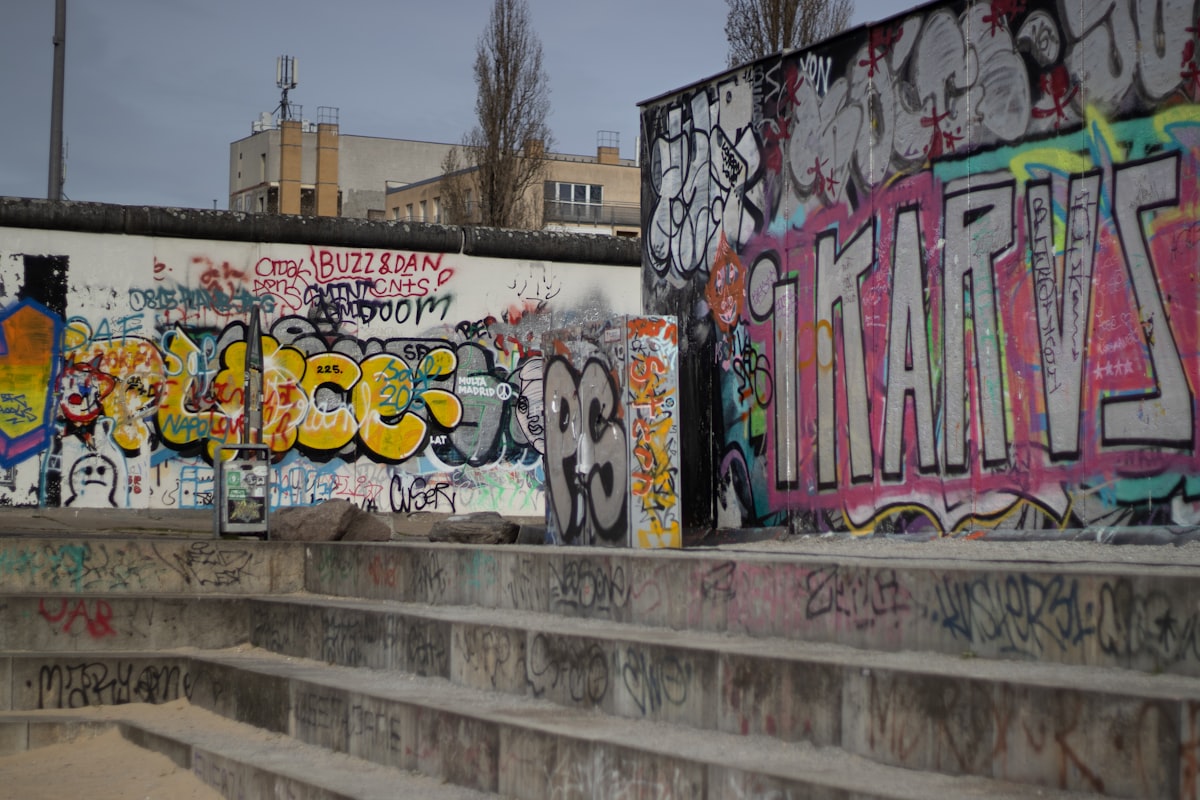
- East Side Gallery — longest remaining stretch of the Berlin Wall
- Good coworking at Ahoy! Berlin
- EUR 700-1,100/month for a one-bed
- Very lively, sometimes noisy at night
Wedding
Best for: Budget-conscious long-term residents, up-and-coming energy
Wedding is Berlin's current "next big thing" — where creative types and budget nomads are moving as Neukölln and Kreuzberg prices creep up. It's less polished, more residential, but has a growing cafe scene, the beautiful Plötzensee lake, and rents that are genuinely affordable.
- EUR 550-850/month for a one-bed — Berlin's best value in a central location
- Growing cafe and food scene
- Panke river and Plötzensee for summer swimming
- U-Bahn connects to everything
- More local, less international — good for immersion
In Sour Mango: Check the Berlin Destinations guide for neighbourhood comparisons. Find the vibe that matches your style.
Coworking Spaces Worth Your Money
Betahaus (Kreuzberg)
Berlin's original coworking space and still one of the best. Betahaus helped invent the European coworking concept, and the Kreuzberg location on Prinzessinnenstrasse has a community that genuinely functions — events, workshops, casual conversations that turn into collaborations.
- Day pass: EUR 15
- Monthly hot desk: EUR 175
- Dedicated desk: EUR 275
- Fast WiFi (200+ Mbps), meeting rooms, event space
- Ground-floor cafe open to the public — good for days when you don't want to commit to a pass
- Regular community events, workshops, pitch nights
Factory Berlin (Mitte / Kreuzberg)
More corporate and tech-focused than Betahaus, Factory is where Berlin's startup scene works. The Mitte campus is a converted brewery; the Kreuzberg campus (Görlitzer Park) has a more creative vibe. If you're in tech or want to network with Berlin's startup ecosystem, this is where you need to be.
- Monthly: EUR 200-350 depending on plan
- Beautiful, well-designed spaces
- Strong tech and startup community
- Events with founders, investors, and industry leaders
- Gorillas, SoundCloud, and other Berlin startups have roots here
St. Oberholz (Mitte)
The OG Berlin laptop cafe that evolved into a proper coworking space. Located on Rosenthaler Platz, St. Oberholz has been a meeting point for Berlin's digital scene since the mid-2000s. The cafe downstairs is still open and still full of laptops.
- Monthly hot desk: EUR 150
- Iconic location on Rosenthaler Platz
- History and community that few spaces can match
- Cafe culture meets coworking
The Cafe Circuit
Berlin's cafe culture is fundamental to the city's identity. Many cafes not only tolerate laptops — they expect them.
- The Barn (multiple locations) — Specialty coffee pioneers. The Roastery in Prenzlauer Berg is the flagship. Fast WiFi, serious coffee, minimal aesthetic
- Bonanza Coffee (Prenzlauer Berg / Kreuzberg) — Excellent beans, good space, reliable connection
- Five Elephant (Kreuzberg) — Specialty coffee and cheesecake. The Reichenberger Strasse location has a big communal table perfect for working
- Concierge Coffee (Mitte) — Tiny, perfect, impossibly good espresso. Not for working — for recharging between work sessions
- Hallesches Haus (Kreuzberg) — Part cafe, part design shop. Beautiful space near the canal, good for creative work
In Sour Mango: Run the WiFi Speed Test at every spot. After a week of exploring, you'll have a speed-ranked personal guide to Berlin's best work spots.
The Food: International and Affordable
Berlin's food scene is less about traditional German cuisine and more about the incredible international diversity that decades of immigration have created. You can eat Turkish for breakfast, Vietnamese for lunch, and Levantine for dinner — and none of it will cost more than EUR 10.
Street Food and Cheap Eats (EUR 3-8)
- Döner Kebab — Berlin's unofficial national dish. A proper Berlin doner in fresh bread with salad, sauce, and perfectly seasoned meat. EUR 5-7. Go to: Mustafa's Gemüse Kebap (Kreuzberg — legendary queue, but legendary doner), Rüyam Gemüse Kebab (Schöneberg), or any of a thousand local spots
- Falafel — The other Berlin staple. EUR 3.50-5. Azzam on Sonnenallee (Neukölln) is routinely called the best falafel in Berlin
- Vietnamese Pho — Berlin has a massive Vietnamese community dating back to East German labour agreements. Excellent pho and bun for EUR 7-10. Go to: Monsieur Vuong (Mitte), Co Chu (Prenzlauer Berg)
- Currywurst — The classic Berlin street food. Cut sausage with curry ketchup and fries. EUR 3-5. Curry 36 (Kreuzberg) is the tourist classic; Konnopke's Imbiss (Prenzlauer Berg, under the U-Bahn tracks) is the local's choice
- Turkish breakfast — Elaborate spreads of cheese, olives, eggs, bread, and tea for EUR 8-15 per person. Sunday tradition at places like Ora (Kreuzberg) or Five Elephant
Markets and Groceries:
- Markthalle Neun (Kreuzberg) — Historic market hall. Street Food Thursday every week. Regular market on other days with artisan food vendors
- Turkish Market (Kreuzberg, Maybachufer) — Tuesday and Friday along the canal. Fresh produce, cheese, bread, olives, and prepared food at great prices
- Winterfeldtplatz Market (Schöneberg) — Saturday farmers market. Beautiful, upscale, good for special ingredients
- Supermarkets: Aldi, Lidl, Netto for budget groceries. Edeka, REWE for better selection. Bio Company for organic
Restaurants:
- Mid-range: EUR 10-20 — Excellent variety. Korean BBQ on Kantstrasse, Japanese ramen at Cocolo, modern Israeli at Gordon
- Fine-ish dining: EUR 25-50 — Berlin has a growing serious restaurant scene without the pretension of Paris. Nobelhart & Schmutzig, Ernst, and many others
- Beer: Berlin beer is cheap. A 0.5L Pilsner at a Späti (corner shop) costs EUR 1-2. At a bar, EUR 3-5. Germany's beer culture is alive and well
In Sour Mango: Browse Local Food in the Berlin destination guide for recommendations. Use the Currency Converter to keep EUR prices in your home currency context.
Transport: World-Class Public System
Berlin's public transport is extensive, reliable, and now absurdly cheap thanks to the Deutschlandticket.
U-Bahn / S-Bahn / Tram / Bus
The integrated network covers the entire city:
- U-Bahn (metro) — 10 lines, frequent service, covers all central neighbourhoods
- S-Bahn (city rail) — Ring line plus radial lines reaching the suburbs and beyond
- Trams — Primarily in the eastern districts. Scenic and convenient
- Buses — Fill the gaps. Night buses run after midnight when the U-Bahn stops (except weekends, when the U-Bahn runs 24 hours)
- Deutschlandticket: EUR 58/month for unlimited travel on all local and regional public transport in ALL of Germany. This is not a typo. Berlin to Hamburg by regional train? Included
Cycling
Berlin is flat and has an extensive (if imperfect) bike lane network. Many nomads cycle year-round:
- Swapfiets: EUR 20/month for a rental bike with maintenance included
- Nextbike/Lime: Pay-per-ride bike and e-scooter sharing
- Used bikes: EUR 50-200 from flea markets or eBay Kleinanzeigen
Getting to the Airport
Berlin Brandenburg Airport (BER) is the city's sole airport:
- Airport Express (FEX) — Direct train from Hauptbahnhof, 30 minutes. Covered by Deutschlandticket
- S-Bahn S9/S45 — Slower but also covered by Deutschlandticket
- Taxi/Grab: EUR 40-60, 30-50 minutes depending on traffic
Healthcare
Germany has excellent healthcare, and Berlin has some of the best hospitals and doctors in the country.
- Charité — One of Europe's largest university hospitals. World-class across all departments
- English-speaking GPs: Many doctors in central Berlin speak English. Doctolib.de for booking appointments
- General consultation: EUR 30-80 with insurance copay, or EUR 80-150 without
- Dental: Covered partially by German insurance. Out-of-pocket cleaning: EUR 80-150
- Pharmacies (Apotheke): On every corner. Many medications require prescriptions
Insurance note: If you're on a German freelance visa, you must have German health insurance — public (TK, AOK, Barmer) at ~EUR 200-400/month based on income, or private (from EUR 150/month for younger, healthy freelancers). For short stays on tourist visas, SafetyWing or World Nomads work.
The Community
Berlin's nomad and remote work community is massive, diverse, and deeply integrated into the city's broader creative and tech ecosystem.
- Berlin Digital Nomads and Berlin Startups — Active Meetup.com groups with regular events
- Coworking community events — Betahaus, Factory, and others host regular socials, workshops, and talks
- Tech scene — Berlin is Europe's startup capital. If you're in tech, the networking opportunities are unmatched
- Creative scene — Artists, musicians, filmmakers, writers. Berlin attracts creators from every discipline
- Expat community — Massive and established. English is widely spoken in central districts. Toytown Germany and InterNations for community connections
- Weekend escapes — Potsdam (30 min by S-Bahn, stunning palaces), Dresden (2 hours by train), Hamburg (1.5 hours by ICE), the Baltic Sea coast (3 hours), Prague (4.5 hours by bus)
In Sour Mango: Find nomads in Berlin through Mates — connect by location and interests. Create a Tribe group for your Berlin crew. Use Meetups to find coworking sessions, dinners, and weekend trips.
The Downsides (Being Honest)
Finding an Apartment Is Brutal
This is Berlin's biggest problem for nomads. The rental market is extremely tight, and finding a long-term apartment can take weeks or months. Demand far outstrips supply, and landlords can be picky. Furnished apartments for foreigners without a German credit history (SCHUFA) are available but cost 30-50% more than the regular market. Start with a short-term sublet (WG-Gesucht, HousingAnywhere) and search for permanent housing once you're on the ground.
Winter Is Dark and Cold
November to February is grey, dark, and cold. Temperatures hover around 0-5°C, daylight lasts only 7-8 hours, and overcast skies are the default. SAD (seasonal affective depression) is real and common. If you're a sunshine person, plan to be elsewhere from November to February, or invest in a vitamin D lamp and warm coat.
Bureaucracy
German bureaucracy is legendary — and not in a good way. Registering your address (Anmeldung), opening a bank account, dealing with the Ausländerbehörde — all of it involves waiting, paperwork, and Kafka-esque processes. Patience is required. A German-speaking friend is invaluable.
The Language Barrier
Despite English being widely spoken in central Berlin, dealing with official institutions (Bürgeramt, landlords, insurance companies) almost always requires German. Learning basic German makes life significantly easier and opens doors socially.
Quick Start: Your First Week in Berlin
- Before you fly — Use Sour Mango's AI Trip Planner for a Berlin itinerary. Check Visa Requirements for your passport. Packing Lists will remind you to bring layers — Berlin weather shifts fast
- Land at BER — Take the Airport Express to Hauptbahnhof (30 min). Get an Aldi Talk or Fraenk SIM at a supermarket or electronics store
- Stay in Kreuzberg or Neukölln — Book a short-term Airbnb or hostel for your first week (EUR 30-60/night)
- Buy a Deutschlandticket — EUR 58 for unlimited public transport. Buy through the BVG or DB Navigator app
- Cafe-hop — Try The Barn, Five Elephant, and St. Oberholz. Run the Sour Mango WiFi Speed Test at each
- Try coworking — Day pass at Betahaus (EUR 15). Get a feel for the community
- Start apartment hunting — WG-Gesucht for shared flats, HousingAnywhere for furnished sublets. Be prepared: this takes time
- Eat a proper doner — Mustafa's if you're patient, Rüyam if you're not. Both are perfect
- Connect — Attend a Betahaus community event, check Meetup.com for nomad gatherings, and add people on Sour Mango Mates
The Bottom Line
Berlin is the European nomad city that actually makes sense financially. While Lisbon drowns in tourist-price inflation and Barcelona struggles with regulation, Berlin remains affordable, creative, infrastructurally excellent, and genuinely welcoming to anyone doing interesting work.
The apartment hunt is a genuine challenge. The winters are dark. The bureaucracy will test you. But the rewards — a world-class city with fast internet, the best coworking scene in Europe, incredible food diversity, a EUR 58 unlimited transport pass, thriving creative and tech communities, and a cost of living that's half of London — make it worth every frustrating Bürgeramt visit.
Berlin doesn't sell itself. It doesn't have to.
Track your Schengen days or German visa countdown, test WiFi speeds across Berlin's cafe scene, check cost breakdowns, convert EUR instantly, plan your stay with AI, and connect with nomads already in the city — all in one app. Download Sour Mango and travel smarter.
Travel smarter with Sour Mango
Visa tracking, AI trip planner, WiFi speed tests, and a global nomad community — all in one free app.
Explore more guides
Browse all city guides →