
Bogotá — Colombia's High-Altitude Nomad Powerhouse
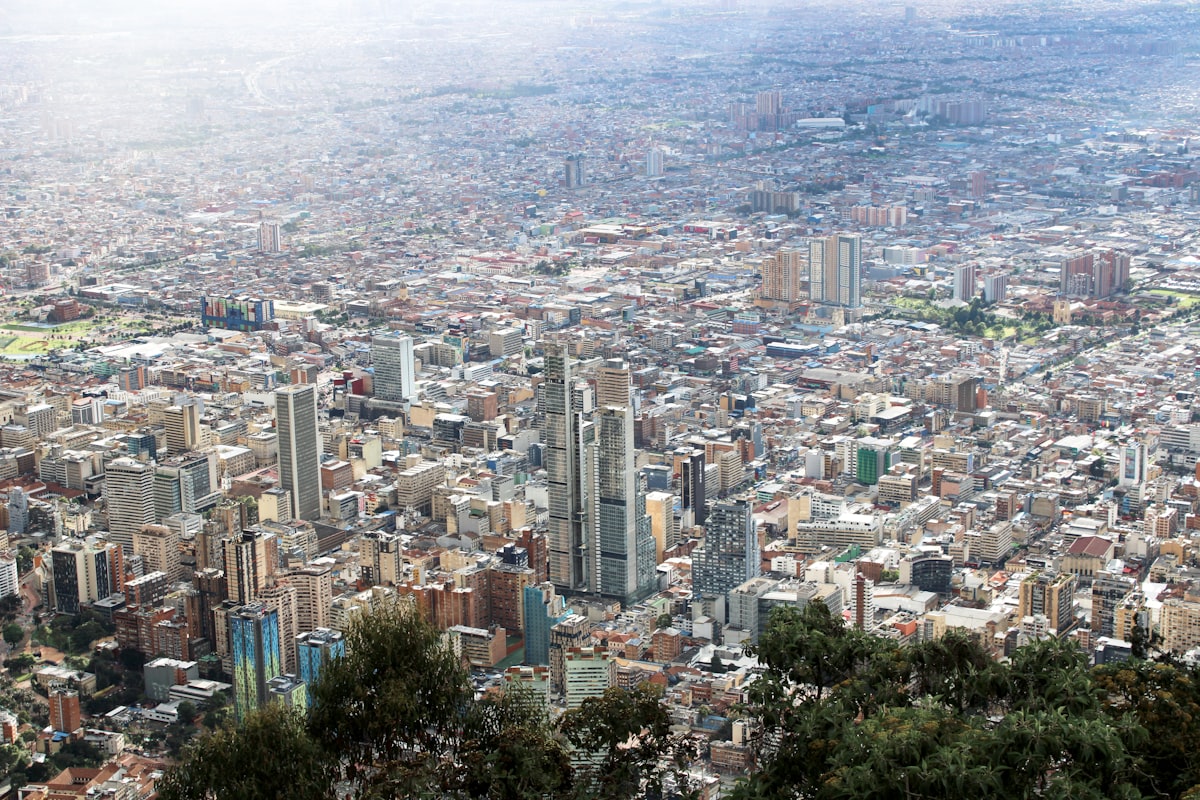
Bogotá sits at 2,640 metres above sea level, which means the weather is permanently spring-like, the coffee is the best on the planet, and your first walk uphill will leave you gasping. Colombia's capital is a city of 8 million people that doesn't slow down for anyone. It has fibre internet in most apartments, a booming coworking scene, street food that costs less than a dollar, and a cultural energy — museums, street art, live music, dance — that makes most nomad hubs feel sterile by comparison.
The city has shed its old reputation faster than almost any place on earth. Modern Bogotá is a tech hub, a startup incubator, and a magnet for remote workers from across the Americas and Europe. The Colombia digital nomad visa makes staying long-term straightforward, and the cost of living lets you live well on a fraction of what you'd spend in Mexico City or Buenos Aires.
The Internet Situation
Bogotá's internet infrastructure is strong — probably the best in South America outside Santiago and São Paulo. Most apartments in the neighbourhoods where nomads live come with fibre connections delivering 100-300 Mbps through providers like Claro, Movistar, or ETB. You can often upgrade to 500 Mbps for an extra 30,000-50,000 COP per month.
Coworking spaces reliably hit 100-200 Mbps with business-grade connections. Cafe WiFi is more variable — the specialty coffee shops in Chapinero and Usaquén typically push 30-80 Mbps, while older neighbourhood cafes might give you 10-15 Mbps on a shared connection.
Mobile data is affordable. A Claro or Movistar prepaid SIM with 20-40GB costs 25,000-45,000 COP ($6-$11/month). Pick one up at any Claro store or Éxito supermarket — you'll need your passport.
Pro tip: Run the WiFi Speed Test in Sour Mango at any cafe before you unpack your laptop. The test saves your results with the location tagged, so over time you build a personal map of reliable work spots across the city. Bogotá's cafe scene is enormous, and you'll want to filter out the places with pretty lattes but terrible upload speeds.
Cost of Living: Serious Value
Bogotá is remarkably affordable for a major capital city with genuine infrastructure. The Colombian peso (COP) has been favourable for foreign earners, and the purchasing power difference is dramatic. You're not roughing it — you're living well for less.
Budget Nomad (~4,800,000 COP / $1,150 / €1,050 per month)
- Rent: 1,500,000-2,500,000 COP ($360-$600) — furnished studio or one-bedroom in Chapinero, Teusaquillo, or La Candelaria
- Coworking: 300,000-500,000 COP ($72-$120) — monthly hot desk
- Food: 800,000-1,200,000 COP ($190-$290) — mix of cooking, almuerzo corriente (set lunches), and street food
- Transport: 150,000-250,000 COP ($36-$60) — TransMilenio, buses, occasional Uber
- Phone: 30,000-50,000 COP ($7-$12)
- Fun: 400,000-600,000 COP ($96-$145) — drinks, salsa lessons, day trips
- Insurance: 250,000-350,000 COP ($60-$85) — SafetyWing or World Nomads
Comfortable Nomad (~7,500,000 COP / $1,800 / €1,650 per month)
- Rent: 2,800,000-4,500,000 COP ($670-$1,080) — modern one-bedroom in Chapinero Alto, Rosales, or Usaquén
- Coworking: 500,000-800,000 COP ($120-$190) — dedicated desk or private office
- Food: 1,200,000-1,800,000 COP ($290-$430) — restaurants, specialty coffee daily, weekend brunches
- Transport: 200,000-350,000 COP ($48-$84) — mix of TransMilenio and Uber/Didi
- Phone: 40,000 COP ($10)
- Fun: 600,000-1,000,000 COP ($145-$240) — nightlife, cultural events, weekend trips
- Insurance: 250,000-350,000 COP ($60-$85)
The almuerzo corriente (set lunch) is your best friend. For 12,000-18,000 COP ($3-$4.50), you get soup, a main plate with rice, beans, meat, plantain, salad, and a juice. Every neighbourhood restaurant serves them between 11:30am and 2pm. This is how Bogotanos eat lunch, and it's the best value meal in the Americas.
In Sour Mango: Open Bogotá in the Destinations tab for a full cost breakdown updated with current averages. The Currency Converter handles COP in real time — essential when you're dealing with numbers in the millions and need to quickly figure out that 45,000 COP is about $10.80.
The Visa Situation
Tourist Entry
Most nationalities get 90 days on arrival with a passport stamp. You can extend once for another 90 days at a Migración Colombia office for about 115,000 COP ($28). That gives you up to 180 days per calendar year.
Colombia Digital Nomad Visa (Visa V — Tipo Nómada Digital)
Colombia launched its digital nomad visa, and it's one of the better ones in Latin America:
- Duration: Up to 2 years
- Income requirement: Proof of remote income of at least 3x the Colombian minimum wage (roughly $950/month — very achievable)
- Application: Online through the Cancillería website
- Cost: Approximately 315,000 COP ($75) for the visa plus 75,000 COP ($18) for the cédula de extranjería
- Tax implications: You're not automatically considered a tax resident, but staying more than 183 days may trigger obligations. Consult a local accountant
Other Options
- Student visa — Enrol in a Spanish school and get a student visa. Some nomads combine language learning with work
- Business visa — If you're contracting with Colombian companies or establishing a local entity
In Sour Mango: Check Visa Requirements for Colombia's specific rules for your passport. Use the Visa Tracker to monitor your 90-day tourist stay or your digital nomad visa expiry — the app sends alerts at 30, 14, 7, and 1 day before your time runs out.
Best Neighbourhoods for Nomads
Bogotá is massive, but the nomad-friendly areas are concentrated in the north-central part of the city. Choose based on budget, vibe, and altitude tolerance.
Chapinero (Alto and Centro)
Best for: The full nomad experience, nightlife, restaurants, walkability
This is ground zero for digital nomads in Bogotá. Chapinero is split into several sub-areas: Chapinero Alto is the upscale, quiet residential section with tree-lined streets and excellent restaurants. Chapinero Centro is grittier, more urban, and where the nightlife and LGBTQ+ scene thrive. The Zona G (gourmet zone) has some of the city's best restaurants.
- Rent: 1,800,000-3,500,000 COP ($430-$840) for a one-bedroom
- Best restaurant and cafe concentration in the city
- Walking distance to Parque de la 93 and Zona T
- TransMilenio along Carrera 7 and Carrera 13
- Very walkable day and night
Usaquén
Best for: Families, quiet living, weekend markets, polished atmosphere
Bogotá's most upscale neighbourhood for everyday living. The Usaquén flea market on Sundays is a major draw. Colonial architecture around the central park, excellent restaurants, and a safer, quieter atmosphere. Further north, so commuting to other areas takes longer.
- Rent: 2,500,000-4,500,000 COP ($600-$1,080) for a one-bedroom
- Sunday flea market is unmissable
- Great for families with kids
- Feels almost like a separate town within the city
Teusaquillo
Best for: Budget nomads who want character, architecture buffs
A residential neighbourhood with beautiful art deco and republican-era houses. Cheaper than Chapinero, quieter, and with a distinct local character. Good access to TransMilenio and near the National University campus. The Parkway (a tree-lined pedestrian strip) is a lovely daily walk.
- Rent: 1,200,000-2,200,000 COP ($290-$530) for a one-bedroom
- Beautiful old houses, some converted to guesthouses
- Close to Simón Bolívar Park for running
- Less nightlife, more neighbourhood feel
La Candelaria
Best for: Culture lovers, budget travellers, short stays
The historic centre. Cobblestone streets, colonial architecture, street art, museums (the Gold Museum, Botero Museum), and universities. It's atmospheric and cheap, but also the area with the most petty crime — be aware of your surroundings after dark. Best for shorter stays or if you really want to immerse yourself in Bogotá's cultural heart.
- Rent: 1,000,000-1,800,000 COP ($240-$430) for a one-bedroom
- Best museums and cultural sites
- Street art tours start here
- Be cautious at night and avoid flashing expensive gear
Rosales / Nogal
Best for: Upscale living, safety, established professionals
An affluent residential zone in the hills above Chapinero. Quieter, leafier, and very safe. Excellent restaurants, proximity to hiking trails in the Cerros Orientales, and a more Colombian upper-class feel. Higher rents but worth it for peace of mind.
- Rent: 3,000,000-5,000,000 COP ($720-$1,200) for a one-bedroom
- Close to Monserrate hiking trail access points
- Very safe, residential
- Limited nightlife — you'll head to Chapinero
In Sour Mango: Check out Bogotá's neighbourhood breakdowns in the Destinations guide — each area is rated for cost, internet, walkability, safety, and vibe.
Coworking Spaces Worth Your Money
Selina Chapinero (Calle 65 #5-01, Chapinero)
Part of the global Selina chain, but the Bogotá location is genuinely good. Great rooftop, social atmosphere, regular events, and solid WiFi. Good for meeting other nomads. The coliving option is available if you want housing and workspace in one.
- Day pass: 55,000 COP ($13)
- Monthly hot desk: 450,000 COP ($108)
- Dedicated desk: 650,000 COP ($156)
- WiFi: 80-150 Mbps
Tinkko (Carrera 7 #116-50, Usaquén)
One of the largest and most professional coworking spaces in Bogotá. Multiple locations across the city. Modern, well-equipped, with meeting rooms, phone booths, and an on-site cafe. More corporate than Selina but excellent facilities.
- Day pass: 60,000 COP ($14)
- Monthly hot desk: 500,000 COP ($120)
- Dedicated desk: 750,000 COP ($180)
- WiFi: 100-200 Mbps
HubBOG (Calle 67 #7-35, Chapinero)
A favourite among Colombian and international entrepreneurs. Startup-oriented community with regular pitch nights and workshops. Central location in Chapinero with good cafe vibes downstairs.
- Day pass: 45,000 COP ($11)
- Monthly hot desk: 380,000 COP ($91)
- Dedicated desk: 580,000 COP ($139)
- WiFi: 100-150 Mbps
Work-Friendly Cafes
Bogotá's coffee culture is obviously world-class. These spots combine great coffee with workspace vibes:
- Azahar Coffee (multiple locations, Chapinero and Usaquén) — Single-origin Colombian specialty coffee, laptop-friendly with power outlets at most tables. Fast WiFi. The Chapinero Alto location is the best for working
- Café Cultor (Carrera 4A #66-84, Chapinero) — Direct-trade specialty coffee, beautifully designed space, reliable WiFi, good for longer sessions
- Libertario Coffee Roasters (Calle 69 #5-03, Chapinero) — Excellent espresso, spacious, and one of the more consistent WiFi connections in the area
- Bourbon Coffee Roasters (Usaquén) — Roastery cafe with outstanding filter coffee. Quieter neighbourhood location, great for morning work sessions
- Catación Pública (multiple locations) — Coffee cupping experiences and regular cafe service. The Chapinero location has a dedicated upstairs work area
In Sour Mango: Browse Coworking Spaces in the Bogotá guide for the full list. Run the WiFi Speed Test at each spot to build your personal ranking.
The Food: Incredible Diversity, Ridiculous Prices
Colombian food gets unfairly dismissed by people who've only tried it in tourist areas. Bogotá, as the capital, pulls in regional cuisines from across the country — Caribbean coast, Pacific, Andean, Amazonian — and adds its own high-altitude staples.
Must-Try Dishes
- Ajiaco — Bogotá's signature soup: three types of potato, chicken, corn on the cob, capers, cream, and avocado. Hearty, warming, perfect for the cool mountain evenings. 15,000-25,000 COP ($3.60-$6)
- Bandeja paisa — A platter of beans, rice, ground meat, chicharrón (pork belly), plantain, avocado, arepa, and a fried egg. A feast on a plate. 18,000-30,000 COP ($4.30-$7.20)
- Almuerzo corriente — The daily set lunch. Soup, main plate, juice. The best deal in the city. 12,000-18,000 COP ($2.90-$4.30)
- Empanadas — Fried corn dough stuffed with potato and meat. Street food staple. 2,000-4,000 COP ($0.50-$1)
- Arepa de choclo con queso — Sweet corn arepa stuffed with melted cheese. Breakfast perfection. 5,000-8,000 COP ($1.20-$1.90)
- Tamales — Steamed corn dough parcels wrapped in banana leaf, filled with chicken, pork, rice, and vegetables. Sunday morning tradition. 8,000-14,000 COP ($1.90-$3.40)
- Changua — Milk and egg soup for breakfast. Sounds weird, tastes comforting. A true Bogotano morning ritual. 6,000-10,000 COP ($1.45-$2.40)
- Lechona — Whole roasted pig stuffed with rice and peas. Found at markets and street stalls. A plate costs 12,000-18,000 COP ($2.90-$4.30)
Where to Eat
- Mini-Mal (Carrera 4A #57-52, Chapinero) — Contemporary Colombian cuisine using indigenous ingredients. One of the best restaurants in Latin America. Mains 35,000-60,000 COP
- Leo Cocina y Cava (Calle 27B #6-75) — Leonor Espinosa's restaurant, ranked among the world's best. A splurge but unforgettable. Tasting menu around 280,000 COP
- La Puerta Falsa (Calle 11 #6-50, La Candelaria) — Operating since 1816. Tamales, chocolate santafereño (hot chocolate with cheese and bread), and ajiaco. Tiny, historic, essential. Mains 10,000-20,000 COP
- Andrés Carne de Res (Chía, outside Bogotá) — Part restaurant, part nightclub, part carnival. The most famous Colombian dining experience. Go on a Friday night for the full spectacle
- Mercado de Paloquemao — Bogotá's biggest market. Fresh fruit juices for 3,000 COP, ceviche for 10,000 COP, and produce you've never seen before. Go hungry
- La Hamburguesería (Chapinero) — Because sometimes you want a burger. Excellent ones here
Coffee
You're in Colombia. The coffee is transcendent. A specialty pour-over costs 6,000-12,000 COP ($1.45-$2.90). A tinto (small black coffee) from a street vendor costs 1,000-2,000 COP ($0.25-$0.50). You will drink more coffee here than anywhere else on earth, and you will not regret it.
Transport
TransMilenio
Bogotá's Bus Rapid Transit system. It's fast, covers the city well, and costs 2,950 COP ($0.70) per ride. You need a rechargeable TuLlave card (get one at any station). Peak hours are brutal — sardine-level crowding between 7-9am and 5-7pm. Off-peak, it's perfectly fine.
SITP Buses
The regular bus network complements TransMilenio. Same TuLlave card, same price. Routes cover areas TransMilenio doesn't reach.
Uber / Didi / InDriver
All three work in Bogotá. Uber technically operates in a legal grey area, but everyone uses it. A cross-city ride in normal traffic costs 12,000-25,000 COP ($2.90-$6). Traffic in Bogotá is horrific during rush hour — a ride that takes 15 minutes at 10am can take 90 minutes at 6pm.
Ciclovía
Every Sunday and public holiday, Bogotá shuts down 120km of roads to cars and opens them to cyclists, runners, and walkers. It's one of the most impressive urban events in the world and the best way to see the city. Rent a bike and join the 2 million Bogotanos who participate weekly.
Getting to the Airport
El Dorado International Airport (BOG) is about 15km west of the centre. Uber/Didi: 20,000-35,000 COP ($5-$8.50). TransMilenio runs close but doesn't go directly to the terminal — you'll need a short taxi from the Portal El Dorado station. Budget 45-90 minutes depending on traffic.
Healthcare
Colombia has excellent healthcare, especially in Bogotá. The private system is modern, well-equipped, and shockingly affordable compared to the US or Europe.
- General consultation: 80,000-150,000 COP ($19-$36)
- Dental cleaning: 60,000-120,000 COP ($14-$29)
- Fundación Santa Fe de Bogotá — The best private hospital. International standard, English-speaking doctors
- Clínica del Country — Another top-tier private hospital
- Country Dental and Dentisalud — Excellent dental care at a fraction of US prices
Pharmacies (droguerías) are on every block. Many medications available over-the-counter that would require prescriptions elsewhere. Insurance: SafetyWing ($45-$80/month) covers most needs.
The Community
Bogotá's nomad community has grown significantly. The city's size means there's always someone around, and the Colombian social culture makes it easy to connect.
Meetups and Groups
- Bogotá Digital Nomads — Facebook and WhatsApp groups with apartment leads, cafe reviews, and weekly meetups
- Selina Chapinero events — Regular social nights, skill shares, and salsa classes
- Startup Grind Bogotá — Monthly talks and networking for the tech and entrepreneur scene
- Meetup.com — Active groups for hiking, language exchange (tandem), board games, and more
- Colombian friends — Bogotanos are genuinely warm and social. Join a salsa class, play tejo (Colombia's national sport involving gunpowder), or say yes to invitations. This city rewards people who participate
Activities
- Monserrate — The mountain overlooking the city. Hike up (or take the funicular) for sunrise views. 3,500m elevation — take it slow
- Salsa dancing — Take classes in Chapinero. Go to La Negra or Quiebracanto on weekends
- Street art tours — La Candelaria has some of the best street art in the Americas. Free walking tours run daily
- Tejo — Colombia's traditional sport. You throw a metal puck at a clay target packed with gunpowder. It explodes. You drink beer. It's perfect. Try Club de Tejo La 76
In Sour Mango: Find nomads already in Bogotá through Mates. Create a Tribe group chat with your crew to share apartment leads, restaurant discoveries, and weekend hiking plans.
The Downsides (Being Honest)
Altitude Sickness
At 2,640 metres, Bogotá will affect you for the first 2-4 days. Shortness of breath walking uphill, headaches, disrupted sleep. Drink plenty of water, avoid alcohol for the first two days, and don't plan any hikes up Monserrate on day one. It passes.
Traffic Is Terrible
Bogotá's traffic is legendary — in the worst way. Rush hour can turn a 20-minute ride into 90 minutes. Plan your schedule around it or live close to where you work.
Safety Concerns
Bogotá is much safer than its reputation suggests, but petty theft is real. Don't flash expensive phones on the street, be cautious with bags on TransMilenio, and avoid walking alone in poorly lit areas at night. Standard big-city awareness applies — similar to any major Latin American or Southern European city.
Grey Weather
Bogotá is not sunny Medellín. Expect overcast skies, afternoon rain showers, and temperatures between 8-18°C year-round. Pack layers. If you need sunshine, this isn't your city.
The Sprawl
The city is huge and not particularly pretty in many areas. The pleasant neighbourhoods are islands within a vast, chaotic urban landscape. Stick to the recommended areas and you'll be fine.
Use Sour Mango's Offline Translation — download the Spanish language pack before you arrive. While many young Bogotanos speak English, you'll need Spanish for everyday interactions, markets, and anything involving bureaucracy.
Quick Start: Your First Week in Bogotá
- Before you fly — Use Sour Mango's AI Trip Planner to generate a Bogotá itinerary. Check Visa Requirements for your passport. Review the Packing Lists tool — Bogotá's altitude means cooler weather than you'd expect for a city near the equator
- Arrive at El Dorado — Get a Claro SIM at the airport, grab an Uber to Chapinero. Expect 45-60 minutes in traffic
- Book a short-term base — Airbnb in Chapinero for your first week. 120,000-200,000 COP/night ($29-$48) for a good apartment
- Acclimatise — Take it easy for the first two days. Walk around Chapinero, drink water, eat well. The altitude is real
- Test coworking — Buy day passes at Selina, HubBOG, and Tinkko. Try Azahar Coffee and Café Cultor for cafe work. Run the Sour Mango WiFi Speed Test everywhere
- Eat your way through the city — Almuerzo corriente at a neighbourhood restaurant, empanadas from a street vendor, ajiaco at La Puerta Falsa, fruit juices at Paloquemao
- Do Ciclovía on Sunday — Rent a bike and join the city. This is when you fall in love with Bogotá
- Apartment hunt — Check Facebook groups (Bogotá Apartments for Rent, Expats in Bogotá), Fincaraiz.com.co, and walk-in rental agencies. Monthly rates are 40-50% cheaper than Airbnb
- Join the community — Attend a Selina event, sign up for salsa classes, connect through Sour Mango Mates
The Bottom Line
Bogotá gives you something rare: a massive, culturally rich Latin American capital with fast internet, a functional digital nomad visa, world-class coffee, serious food culture, and a cost of living that lets you live well for $1,200-$1,800/month. It's not a beach town. It's not always pretty. It's a real, complicated, endlessly interesting city that rewards curiosity and engagement.
The altitude, the traffic, and the grey skies will test you. The food, the people, the music, the street art, and the Sunday Ciclovía will win you over. Bogotá is for nomads who want to live somewhere with substance — not just another coworking space with a pool.
Colombia is having a moment. The infrastructure is improving, the nomad community is growing, and the digital nomad visa makes it easy to stay. Get here before the secret is fully out.
Track your Colombia visa countdown, test WiFi at every Bogotá cafe, convert pesos on the fly, plan your trip with AI, and find nomads already in the city — all in one app. Download Sour Mango and make Bogotá your next base.
Travel smarter with Sour Mango
Visa tracking, AI trip planner, WiFi speed tests, and a global nomad community — all in one free app.
Explore more guides
Browse all city guides →