
Budapest — The Thermal Bath Capital of Remote Work
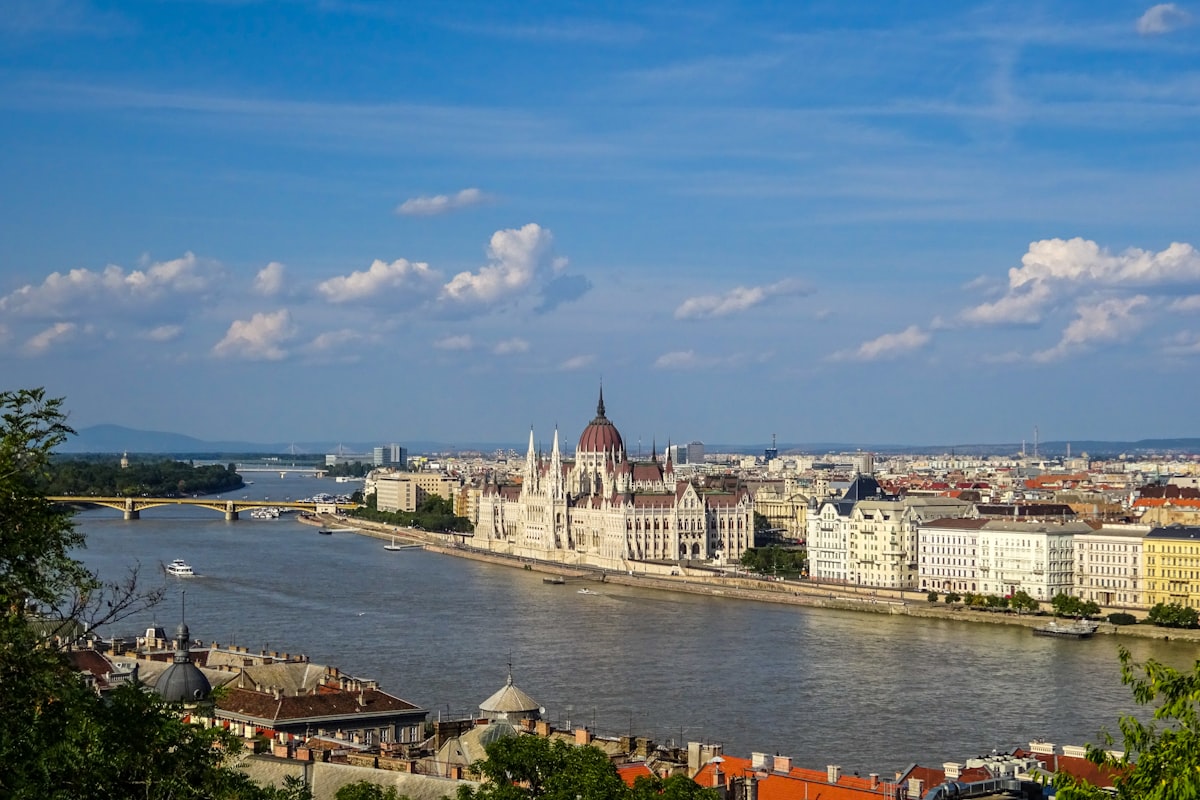
Budapest is the city that makes you wonder why anyone pays London or Paris prices. Split by the Danube into hilly Buda and flat Pest, Hungary's capital delivers everything a digital nomad wants: blazing fast internet, genuinely affordable rent, a legendary food and nightlife scene, architecture that rivals Vienna, and thermal baths where you can soak away your screen fatigue in water that's been heated by the earth since Roman times.
The city has been on the nomad radar for years, and for good reason. It's centrally located in Europe, well-connected by budget airlines, and offers a quality of life that's wildly out of proportion to its price tag. The ruin bars of the Jewish Quarter, the coffee houses of District V, the Danube embankment at sunset — this is a city built for people who want to work hard and live well.
The Internet Situation
Hungarian internet is fast and cheap. Most apartments in central Pest come with fibre connections delivering 100-500 Mbps through providers like Digi (the budget champion), Vodafone, or Telekom. Digi in particular offers some of the cheapest fast internet in Europe — 1 Gbps for around 4,000 HUF ($11/€10)/month.
Coworking spaces push 150-300 Mbps reliably. Cafe WiFi in the specialty coffee belt around Rákóczi út and Károly körút averages 30-80 Mbps. The grand coffee houses (New York Café, Central Café) have WiFi but it's slow and you'll feel guilty opening a laptop among the chandeliers.
Mobile data is very affordable. A Vodafone or Yettel prepaid SIM with 30-50GB costs 3,000-5,000 HUF ($8-$14/€7-€12) per month. Pick one up at any provider shop or Relay newsstand.
Pro tip: Use the WiFi Speed Test in Sour Mango at every ruin bar and cafe. Budapest has hundreds of potential work spots, and the speed difference between neighbouring cafes can be enormous. Build your personal map early.
Cost of Living: Europe's Best Value Big City
Budapest occupies the sweet spot: a genuine European capital with world-class culture, food, and nightlife — at prices that let you save money instead of bleeding it. The Hungarian forint (HUF) has been volatile, which sometimes makes things even cheaper for foreign earners.
Budget Nomad (~350,000 HUF / $950 / €870 per month)
- Rent: 150,000-220,000 HUF ($410-$600) — studio or one-bedroom in District VII, VIII, or IX
- Coworking: 30,000-50,000 HUF ($82-$137) — monthly hot desk
- Food: 80,000-120,000 HUF ($220-$330) — cooking at home, market halls, daily menus
- Transport: 9,500 HUF ($26) — monthly pass for all public transport
- Phone: 3,000-5,000 HUF ($8-$14)
- Fun: 50,000-80,000 HUF ($137-$220) — ruin bars, baths, concerts
- Insurance: 20,000-30,000 HUF ($55-$82)
Comfortable Nomad (~550,000 HUF / $1,500 / €1,380 per month)
- Rent: 250,000-380,000 HUF ($685-$1,040) — modern one-bedroom in District V, VI, or VII
- Coworking: 50,000-80,000 HUF ($137-$220) — dedicated desk
- Food: 120,000-180,000 HUF ($330-$495) — eating out regularly, nice restaurants
- Transport: 9,500 HUF ($26)
- Phone: 4,000 HUF ($11)
- Fun: 80,000-130,000 HUF ($220-$357) — thermal baths, wine bars, weekend trips
- Insurance: 20,000-30,000 HUF ($55-$82)
The daily menu (napi menü) at local restaurants is your cheat code: soup plus a main course for 1,800-2,800 HUF ($5-$8). Available 11am-3pm at most Hungarian restaurants. This is how locals eat lunch, and it's always freshly prepared.
In Sour Mango: Open Budapest in the Destinations tab for real-time cost averages. The Currency Converter handles HUF conversions — essential when you're dealing with numbers in the hundreds of thousands and trying to figure out if 85,000 HUF for rent is cheap or expensive (it's very cheap).
The Visa Situation
EU / EEA Citizens
Free to live and work in Hungary. Register your address at the local immigration office if staying more than 90 days.
Non-EU Citizens (Schengen Rules)
Hungary is in the Schengen zone. Standard 90 days per 180-day period for visa-exempt nationalities. Your time in Hungary counts against all other Schengen countries.
Long-Term Options
- White Card (Guest Worker Permit) — Hungary introduced a digital nomad-style permit. It allows remote workers to stay beyond 90 days with proof of employment or freelance income. Check the latest requirements as the programme evolves
- Student visa — Enrol in a Hungarian university programme (some teach in English) for a residence permit
- Business route — Establishing a Hungarian company is possible and the corporate tax rate is just 9% — the lowest in the EU. Requires a local accountant and legal setup
Important note: Hungary's political environment can mean immigration rules shift. Always verify current regulations before planning a long stay.
In Sour Mango: Check Visa Requirements for Hungary's entry rules for your passport. Add your Schengen entry date to Visa Tracking — the countdown alerts at 30, 14, 7, and 1 day help you avoid overstaying.
Best Neighbourhoods for Nomads
Budapest's districts (kerületek) on the Pest side are numbered with Roman numerals. Most nomad life happens in Districts V through IX.
District VII (Erzsébetváros / Jewish Quarter)
Best for: Nightlife, ruin bars, social life, the full Budapest experience
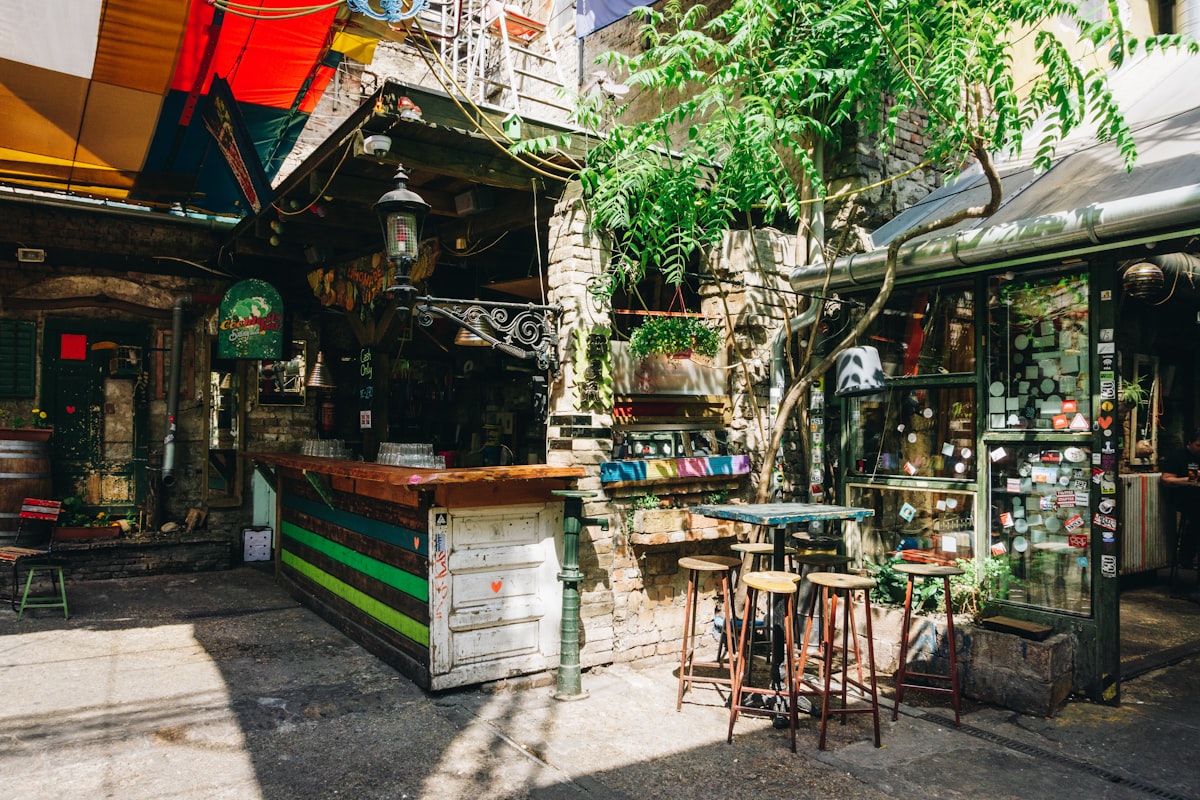
The epicentre of Budapest's famous ruin bar scene and the historic Jewish Quarter. Szimpla Kert, the original ruin bar, is here. The streets are packed with bars, restaurants, vintage shops, and street art. It's loud, lively, and the most social neighbourhood in the city.
- Rent: 200,000-350,000 HUF ($550-$960) for a one-bedroom
- Best nightlife in Budapest (arguably in Europe)
- Walking distance to everything in Pest
- Can be noisy — choose an apartment on a side street away from the main bar strips
- Great Synagogue (Dohány Street) is here
District VI (Terézváros)
Best for: Central living, Andrássy Avenue elegance, balance of calm and convenience
The grand boulevard district, anchored by Andrássy út — Budapest's answer to the Champs-Élysées. The Hungarian State Opera, Heroes' Square, and Liszt Ferenc Square are all here. More polished than District VII, slightly pricier, but still very affordable by European standards.
- Rent: 220,000-380,000 HUF ($600-$1,040) for a one-bedroom
- Beautiful architecture, wide boulevards
- Liszt Ferenc Square is a social hub with outdoor terraces
- Close to City Park (Városliget) and Széchenyi Baths
- Good metro access (M1 line along Andrássy)
District V (Belváros-Lipótváros)
Best for: River views, Parliament area, first-time visitors
The most central and tourist-facing district. The Danube embankment, Parliament, Chain Bridge, Váci utca shopping street, and the Central Market Hall are all here. Beautiful but the most expensive district, and heavily touristic.
- Rent: 280,000-450,000 HUF ($770-$1,235) for a one-bedroom
- Best Danube views
- Walking distance to Buda across the bridges
- Most tourist-oriented — restaurant prices reflect this
- Central Market Hall is here
District IX (Ferencváros)
Best for: Up-and-coming, budget-friendly, local feel
The rapidly gentrifying district south of the centre. Ráday utca is a restaurant-lined pedestrian street. The neighbourhood around the Corvinus University and the revitalised areas along the Danube are increasingly popular with young professionals and nomads seeking better value.
- Rent: 150,000-250,000 HUF ($410-$685) for a one-bedroom
- Best value among central districts
- Ráday utca restaurant and bar scene
- Near Central Market Hall
- Improving rapidly — new cafes and coworking spaces opening
Buda Side (Districts I, II, XI)
Best for: Quiet living, nature, families, castle views
The hilly western bank offers a completely different experience: quieter, greener, with Castle Hill, Gellért Hill, and the Buda Hills for hiking. Fewer nightlife options but excellent for those who want calm. District XI (around Buda University of Technology) is popular with students and offers good value.
- Rent: 180,000-320,000 HUF ($495-$880) for a one-bedroom
- Gellért Baths, Castle District, panoramic views
- Quieter, more residential
- Bus-dependent in some areas
In Sour Mango: Browse Budapest's neighbourhood ratings in Destinations for cost, WiFi, nightlife, and walkability scores.
Coworking Spaces Worth Your Money
Loffice Budapest (Paulay Ede utca 52, District VI)
The most established coworking community in Budapest. Beautiful space in a renovated building, regular community events, and a genuine social atmosphere. Mix of locals and internationals. The rooftop terrace is a highlight in summer.
- Day pass: 4,500 HUF ($12)
- Monthly hot desk: 45,000 HUF ($123)
- Dedicated desk: 70,000 HUF ($192)
- WiFi: 150-250 Mbps
Kaptár Coworking (Rumbach Sebestyén utca 10, District VII)
In the heart of the Jewish Quarter. Great for social nomads who want to combine work and nightlife proximity. Active community with events and workshops.
- Day pass: 4,000 HUF ($11)
- Monthly hot desk: 40,000 HUF ($110)
- Dedicated desk: 65,000 HUF ($178)
- WiFi: 100-200 Mbps
Impact Hub Budapest (Ferenciek tere 2, District V)
Part of the global Impact Hub network. More professional and purpose-driven community. Central location near the Danube. Good for social enterprise and tech-oriented nomads.
- Day pass: 5,500 HUF ($15)
- Monthly hot desk: 55,000 HUF ($151)
- Dedicated desk: 85,000 HUF ($233)
- WiFi: 100-200 Mbps
Mosaik (Wesselényi utca 20, District VII)
Smaller, more intimate coworking space in the Jewish Quarter. Less structured programming but a welcoming atmosphere and good value.
- Monthly hot desk: 35,000 HUF ($96)
- WiFi: 80-150 Mbps
Work-Friendly Cafes
Budapest's cafe culture is legendary — the grand coffee houses are part of the city's identity. These spots are laptop-friendly:
- Espresso Embassy (Arany János utca 15, District V) — The best specialty coffee in Budapest. Fast WiFi, laptop-friendly, excellent pastries. The go-to nomad cafe
- Madal Cafe (Hollán Ernő utca 3, District VI) — Health-focused cafe near Andrássy. Good WiFi, plant-based menu, calm atmosphere
- Tamp & Pull (Czuczor utca 3, District V) — Specialty coffee with a light-filled space. Power outlets and fast WiFi
- My Little Melbourne (Madách Imre út 3, District VII) — Australian-style cafe with strong flat whites and work-friendly setup
- Fekete (Múzeum körút 5, District VIII) — Cafe and cultural space. Good WiFi, interesting events, near the National Museum
In Sour Mango: Browse Coworking Spaces in the Budapest guide. Run the WiFi Speed Test to build your personal ranking of work spots.
The Food: Hungarian Comfort Meets Modern Gastronomy
Hungarian food is bold, rich, and deeply satisfying. Paprika runs through everything, portions are generous, and the recent wave of modern Hungarian restaurants has elevated the cuisine without losing its soul.
Must-Try Dishes
- Gulyás (Goulash) — The real thing is a soup, not a stew. Beef, potatoes, carrots, onions, and a serious amount of paprika. Served in a kettle (bogrács) at traditional places. 2,500-4,000 HUF ($7-$11)
- Lángos — Deep-fried dough topped with sour cream and grated cheese. Street food perfection. 800-1,500 HUF ($2-$4). The ones at Central Market Hall are iconic
- Töltött káposzta — Stuffed cabbage rolls with pork and rice in a paprika-sauerkraut sauce. Hungarian grandmother food at its finest. 2,800-4,500 HUF ($8-$12)
- Pörkölt — Thick paprika meat stew (this is what most of the world mistakenly calls goulash). Usually pork or beef, served with nokedli (egg noodle dumplings). 2,500-4,000 HUF ($7-$11)
- Kürtőskalács — Chimney cake. Spiral-shaped pastry coated in sugar or cinnamon, baked over charcoal. Found at every market and street corner. 800-1,200 HUF ($2-$3)
- Halászlé — Fisherman's soup. Spicy, paprika-red, made with river fish. A Christmas tradition but available year-round at riverside restaurants. 3,000-5,000 HUF ($8-$14)
Where to Eat
- Hungarikum Bistro (Steindl Imre utca 13, District V) — Modern takes on Hungarian classics. Excellent goulash and duck leg. Tourist-friendly but genuinely good. Mains 3,500-6,000 HUF
- Kéhli Vendéglő (Óbuda, District III) — Old-school Hungarian restaurant in Óbuda. Bone marrow, pörkölt, and the kind of portions that make you reconsider dinner. Mains 3,000-5,500 HUF
- Bors GasztróBár (Kazinczy utca 10, District VII) — Tiny soup bar with some of the best and most creative soups in Budapest. Always a queue. 1,500-2,500 HUF
- Central Market Hall (Nagyvásárcsarnok) — Ground floor for produce and meat, upper floor for lángos and traditional lunch plates. Essential Budapest experience
- Pesti Disznó (Nagymező utca 19, District VI) — Hearty Hungarian mains at fair prices. Popular with locals. Great pörkölt
- Mazel Tov (Akácfa utca 47, District VII) — Middle Eastern-Mediterranean in a stunning courtyard setting. Not Hungarian, but one of the best dining experiences in the city
Drinks
- Beer: 800-1,500 HUF ($2-$4) — Try Dreher, Borsodi, or the excellent craft beer scene (FIRST, Mad Scientist, Horizont)
- Wine: 1,000-2,500 HUF ($3-$7) per glass — Hungarian wine is world-class. Tokaji (sweet), Egri Bikavér (Bull's Blood, red), Furmint (dry white)
- Pálinka: 800-2,000 HUF ($2-$5) — Fruit brandy. Plum (szilva) and apricot (barack) are the classics. Sip, don't shoot
Transport
Metro
Four lines covering central Budapest. Clean, efficient, and the M1 line (under Andrássy) is the second-oldest metro in continental Europe. Single ride: 450 HUF ($1.23). Monthly pass: 9,500 HUF ($26) for all public transport.
Trams
Budapest's tram network is excellent. Trams 4 and 6 along the Grand Boulevard are among the busiest in the world. Tram 2 along the Danube has one of the best urban views anywhere.
Buses and Trolleybuses
Extensive network filling gaps between metro and tram lines. Night buses run after midnight on major routes.
Getting Around
The 9,500 HUF monthly pass covers metro, trams, buses, trolleybuses, suburban railways, and even the Danube ferries. It's one of the best transit deals in Europe.
Getting to the Airport
Budapest Ferenc Liszt Airport (BUD) is 20km from the centre. Bus 100E (direct airport express): 2,200 HUF ($6), 40 minutes. Bolt/taxi: 8,000-12,000 HUF ($22-$33).
The Thermal Baths
This is Budapest's superpower. The city sits on a network of thermal springs that have been used for bathing since Roman times. There are over 120 thermal springs feeding dozens of public baths. As a nomad, these become your recovery ritual.
- Széchenyi Baths (City Park, District XIV) — The most famous. Massive yellow Neo-Baroque complex with 18 pools. Outdoor pools steaming in winter is iconic. Entry: 7,500-9,000 HUF ($21-$25). Go on weekday mornings to avoid crowds
- Gellért Baths (District XI, Buda side) — Art Nouveau masterpiece. More intimate than Széchenyi, gorgeous interiors. Entry: 7,500-9,500 HUF ($21-$26)
- Rudas Baths (District I, Buda side) — Ottoman-era baths from the 1550s. Rooftop pool with Danube views. Night bathing on weekends. Entry: 5,000-8,000 HUF ($14-$22)
- Király Baths (District II) — Another Ottoman original. Intimate, historical, less touristy. Entry: 4,000-6,000 HUF ($11-$16)
Pro tip: Buy a monthly bath pass if you're staying long-term. Regular thermal bathing genuinely helps with the neck and back tension that comes from laptop work. Some nomads build bath visits into their daily routine.
The Community
Budapest has one of the stronger nomad communities in Central Europe, helped by the city's party reputation attracting a younger crowd.
- Budapest Digital Nomads — Active Facebook group with meetups, apartment tips, and cafe recommendations
- Loffice and Kaptár events — Regular community events at the main coworking spaces
- Ruin bar crawls — Szimpla Kert, Instant-Fogas, Anker't — the Jewish Quarter bar scene is where most nomad socialising happens
- Sparty (Spa Parties) — Periodic parties held in the thermal baths. Unique to Budapest
- Weekend trips — Vienna (2.5 hours by train, €15-€25 on RegioJet), Bratislava (2 hours), Lake Balaton (1.5 hours in summer)
In Sour Mango: Find nomads through Mates. Create a Tribe for bath visits, ruin bar crawls, and weekend trips to Vienna.
The Downsides
Winter Can Be Bleak
November through February is cold (around 0°C), grey, and damp. The Danube fog can sit on the city for days. The thermal baths become essential rather than optional. If you need sunshine, plan to escape to the Mediterranean mid-winter.
Language Barrier
Hungarian is famously difficult — unrelated to any neighbouring language. English proficiency is decent among younger Budapestians but limited elsewhere. Government offices, landlords, and tradespeople often speak only Hungarian. Sour Mango's Offline Translation with the Hungarian language pack is invaluable here.
Political Climate
Hungary's political situation is complex and can affect the atmosphere for foreigners. The practical impact on daily nomad life is minimal, but it's worth being aware of.
Scam Restaurants
Tourist-facing restaurants in District V are notorious for overcharging. The "pretty girl" bar scam still exists — don't follow strangers to bars. Stick to reviewed places and check prices before ordering.
Apartment Quality
Some Budapest apartments look great in photos but are poorly maintained. Inspect before committing, check heating (crucial in winter), and verify that the WiFi speed matches what's advertised. Use Sour Mango's WiFi Speed Test at the viewing.
Quick Start: Your First Week
- Before you fly — Use Sour Mango's AI Trip Planner for a Budapest itinerary. Check Visa Requirements and Packing Lists for the season
- Arrive at BUD — Take bus 100E to Deák Ferenc tér in the centre
- Base in District VII — Airbnb for week one, 15,000-30,000 HUF/night ($41-$82)
- Walk both sides — Cross the Chain Bridge or Liberty Bridge. See Buda Castle, Fisherman's Bastion, then back to Pest for the Parliament and Shoes on the Danube
- Test coworking — Day passes at Loffice and Kaptár. Try Espresso Embassy for cafe work. WiFi Speed Test everywhere
- Central Market Hall — Lángos upstairs, produce downstairs, paprika to take home
- Thermal baths — Széchenyi on a weekday morning. Bring a lock, flip-flops, and a towel (or rent one)
- Ruin bars — Szimpla Kert for the experience, then explore Instant-Fogas, Anker't, and Mazel Tov
- Apartment hunt — Facebook groups (Budapest Rent a Flat, Budapest Apartments), ingatlan.com, and local agents. Monthly rates drop significantly versus Airbnb
- Join the community — Coworking events, ruin bar meetups, connect through Sour Mango Mates
The Bottom Line
Budapest is the European capital that gives you world-class culture, legendary nightlife, thermal baths, beautiful architecture, blazing internet, and a full life for under €1,500/month. It's not the cheapest city on this list, but the value-to-experience ratio is arguably the best in Europe.
The ruin bars will keep you social, the thermal baths will keep you sane, and the daily menu at your neighbourhood restaurant will keep you fed for less than the price of a sandwich in London. Budapest is a city that doesn't just tolerate remote workers — it actively makes their lives better.
Come for a month, stay for a season. The Danube will still be there when your meeting ends.
Track your Schengen countdown, test WiFi at ruin bars, convert forints instantly, plan your week with AI, and find nomads already in Budapest — all in one app. Download Sour Mango and make Budapest your Central European base.
Travel smarter with Sour Mango
Visa tracking, AI trip planner, WiFi speed tests, and a global nomad community — all in one free app.
Explore more guides
Browse all city guides →