
Buenos Aires — World-Class Culture, Unbeatable Prices
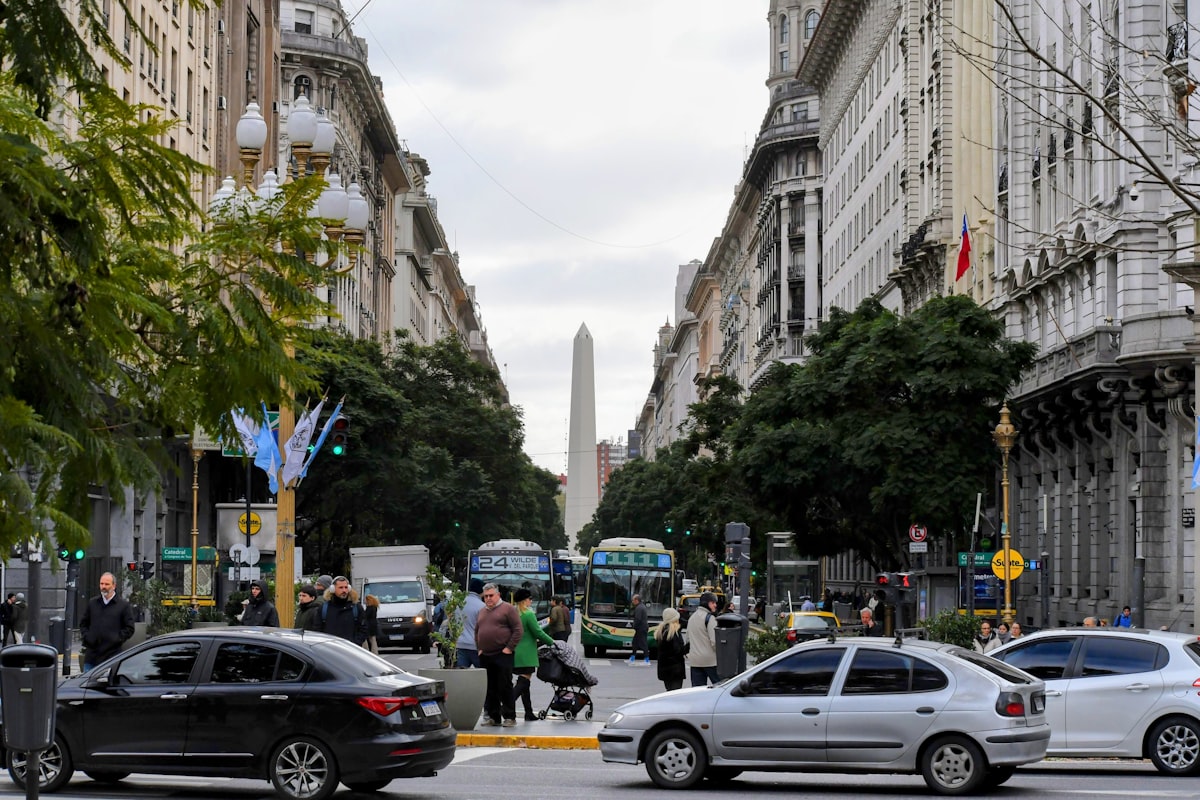
Buenos Aires is the city that feels like it should cost three times what it does. Grand Haussmann-style boulevards, world-class steak, Malbec that costs less than water in some cities, tango spilling out of milongas at midnight, and a creative, restless energy that seeps into everything. For digital nomads earning in dollars or euros, the favourable exchange rate turns this already incredible city into something almost unfairly affordable. A proper asado dinner with a full bottle of Malbec for $15. A furnished apartment in a gorgeous neighbourhood for $500/month. This is not a drill.
But BA is not a tropical easy-mode destination. It rewards the nomad who leans in — who learns some Spanish, who figures out the blue dollar, who can roll with inflation chaos and bureaucratic absurdity. If you can handle that, you get one of the most culturally rich cities on the planet at prices that make zero sense.
Quick Start: Your First Week
Day 1-2: Get settled. Arrive at Ezeiza (EZE), grab a Cabify to your Airbnb in Palermo or San Telmo. Buy a SUBE card at any kiosk and load it with ARS. Get a Claro or Personal prepaid SIM on Avenida Santa Fe. Read the blue dollar section below before you withdraw any cash — this matters enormously. Download the Sour Mango Offline Translation pack for Argentine Spanish before you leave the airport WiFi.
Day 3-4: Find your rhythm. Test cafes for work — try Cuervo Cafe in Palermo Soho or Coffee Town in Palermo Hollywood. Use Sour Mango's WiFi Speed Test at each spot, because BA cafe WiFi ranges from excellent to unusable, sometimes in the same block. Walk the neighbourhood. Locate your nearest supermercado (Disco, Coto, or Carrefour Express) and verduleria (fruit/veg shop).
Day 5-7: Go deeper. Visit the Sunday San Telmo antique market on Calle Defensa. Eat your first proper asado at a parrilla. Sign up for a coworking day pass. Use Sour Mango's Mates to find other nomads already in the city — BA has one of the strongest nomad communities in South America.
Use the AI Trip Planner in Sour Mango to map out your first week based on your neighbourhood and work schedule. It accounts for BA's late-night culture (dinner at 9pm is early here).
The Blue Dollar — Read This Before You Do Anything
This is the single most important section of this guide. Argentina has capital controls and a multi-exchange-rate system. The official rate (what Google shows you) and the parallel "blue dollar" rate can differ by 20-40% or more. This gap fluctuates constantly.
What this means: If you use a foreign debit card at an ATM, you get a rate close to the official rate — the worst rate. You are effectively overpaying for everything by 20-40%.
How nomads actually handle money in BA:
- Western Union: Send money to yourself from your own bank account. WU in Argentina pays out near the blue dollar rate. Pick it up in cash at any WU location (there are hundreds). The most popular method among nomads.
- Crypto (USDT): Sell stablecoins on local P2P platforms and get paid out in ARS at excellent rates. BA's crypto community is massive.
- Cuevas (informal exchange houses): Around Calle Florida in Microcentro. They advertise "cambio" and offer blue dollar rates. Technically not legal, but extremely common and widely used by tourists and locals alike.
- MEP Dollar (Dollar Bolsa): A legal mechanism involving buying Argentine bonds in dollars and selling in pesos. Some fintech apps facilitate this. More complex but fully legal.
The practical difference: A $500 apartment at the official rate effectively costs you $700 from your ATM. Through Western Union it costs you $500. This is not a small detail — it changes your entire cost of living.
Use Sour Mango's Currency Converter — it shows both the official and blue dollar rates so you always know the real price. This is genuinely one of the most useful features for BA specifically.
The Internet
Apartment fibre (Fibertel, Telecentro, Movistar): 100-300 Mbps down, 20-50 up. Reliable in modern buildings. Older buildings in San Telmo can be spottier — ask your landlord about the connection before booking.
Coworking: 100-200 Mbps, generally stable. WeWork and AreaTres are the most consistent.
Cafe WiFi: 15-60 Mbps — wildly variable. Some cafes are perfect for a full work day. Others drop you every 20 minutes. Test before you commit.
Mobile data: Claro or Personal SIM with 20-30GB: ~5,000-8,000 ARS ($5-$8/month). Solid city coverage. Use as a hotspot backup.
Pro tip: BA cafes are not like Chiang Mai cafes where you can reliably camp out for 8 hours. The WiFi inconsistency means you want a primary workspace (apartment or coworking) and use cafes for shorter sessions. Use Sour Mango's WiFi Speed Test religiously — the difference between cafes two blocks apart can be 5 Mbps vs 80 Mbps. Save your results to build a personal map of reliable spots.
Cost of Living
All prices in USD at blue dollar rates. Prices change fast because of inflation — everything is approximate.
Budget (~$800-1,000/month)
- Rent: $300-$500 — furnished studio in San Telmo, Almagro, or Villa Crespo
- Coworking: $40-$70 — or work from cafes/apartment
- Groceries: $100-$150 — cooking at home, shopping at Coto or the local verduleria
- Eating out: $80-$120 — empanadas, pizza, choripan, occasional parrilla
- Transport: $15-$25 — SUBE card for subte and colectivos
- Phone: $5-$8
- Fun: $80-$120 — bars, milongas, football matches
- Health insurance: $60-$80 — SafetyWing or similar
Comfortable (~$1,500-2,000/month)
- Rent: $600-$900 — nice one-bedroom in Palermo Soho or Recoleta
- Coworking: $80-$130 — dedicated desk at WeWork or AreaTres
- Groceries: $150-$200
- Eating out: $200-$300 — parrillas and wine bars multiple times a week
- Transport: $30-$50 — mix of SUBE and Cabify
- Fun: $200-$300 — nice bars, shows, weekend trips to Tigre or Colonia
- Health insurance: $60-$80
Reality check: A world-class bife de chorizo with chimichurri, a provoleta starter, a bottle of Luigi Bosca Malbec, and dessert at a proper Palermo parrilla costs $18-$28 total. You would pay $80-$120 for the equivalent in New York or London.
Check BA in Destinations within Sour Mango for live cost data. Use Price Checker to compare against what other nomads report — inflation means prices shift monthly.
The Visa Situation
Tourist Entry (90 Days)
Most nationalities (US, EU, UK, Canada, Australia) get 90 days visa-free on arrival. You get a stamp, no questions asked, no proof of onward travel typically required.
Extension (+90 Days)
You can extend once for an additional 90 days at the Direccion Nacional de Migraciones (Av. Antartida Argentina 1355). Costs ~$50 USD equivalent. Go early, bring patience, and expect a wait.
The Uruguay Reset
When your 180 days are up, take the Buquebus or Colonia Express ferry to Colonia del Sacramento, Uruguay — one hour each way, the town is charming. Re-enter Argentina for a fresh 90-day stamp. Nomads have been doing this for years. Some skip the extension entirely and just ferry over every 90 days.
Rentista Visa (Long-Term)
For people who can prove regular foreign income (~$1,500/month from abroad). Grants one-year residency, renewable. Heavy paperwork — apostilled bank statements, background checks, the works. Most nomads do not bother unless staying 1+ years. The tourist + ferry system works fine for shorter stays.
Use Sour Mango's Visa Requirements to check entry rules for your passport, and Visa Tracking to set reminders for your 90-day window so you do not overstay.
Best Neighbourhoods
Palermo Soho
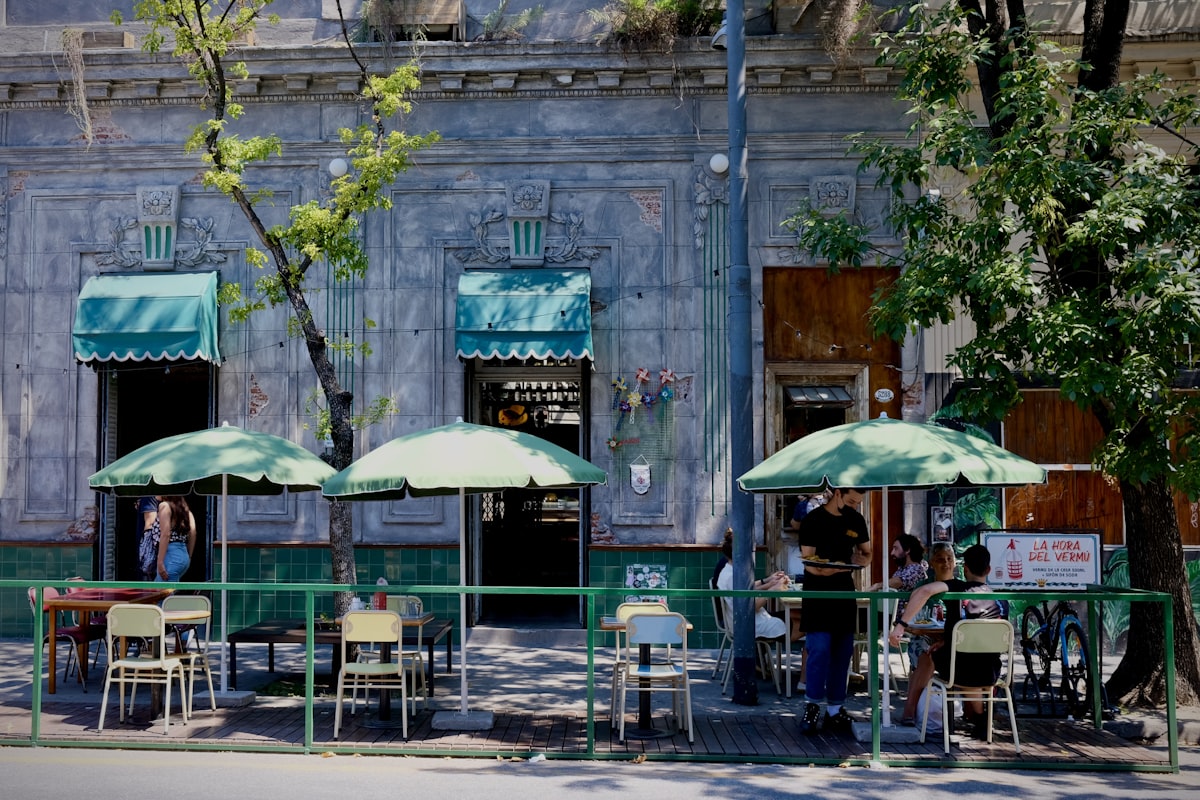
The default nomad neighbourhood, and for good reason. Tree-lined cobblestone streets, independent boutiques, cafes on every corner, and Plaza Serrano as the social centre. This is where you will find the highest concentration of English-speaking nomads, the most coworking options, and the easiest transition into BA life. The downside: it can feel like a bubble. You might go weeks without needing Spanish.
Rent: $500-$800/month for a furnished one-bedroom.
Vibe: Brooklyn meets Barcelona. Brunch culture, design shops, street art.
Palermo Hollywood
Just north of Soho, across the train tracks along Honduras/Fitz Roy. More restaurants and bars, fewer boutiques. The food scene here is arguably better than Soho — more variety, more local spots mixed in with the trendy places. Slightly more residential, slightly cheaper.
Rent: $450-$700/month.
Vibe: Restaurant-heavy, good nightlife, slightly more local than Soho.
San Telmo
Buenos Aires at its most atmospheric. Colonial buildings, cobblestone streets, tango bars, antique shops, and the legendary Sunday market on Defensa. The buildings are older — check your apartment WiFi before committing. The neighbourhood has a gritty, artistic energy that Palermo lacks. More Spanish required here.
Rent: $300-$550/month.
Vibe: Bohemian, historic, raw. Think Montmartre but with tango.
Recoleta
The most elegant neighbourhood. French-style mansions, the famous Recoleta Cemetery (go see Evita's tomb), MALBA art museum nearby. Fewer nomads, fewer English speakers, better architecture. Cafes here are more traditional — marble tables and bow-tied waiters.
Rent: $550-$850/month.
Vibe: Paris in South America. Grand, polished, cultured.
Villa Crespo
The "next Palermo" — adjacent, connected by the same streets, but noticeably cheaper and more local. The food scene is booming, especially along Calle Thames. Great for nomads who want walkable access to Palermo's cafes and coworking but do not want to pay Palermo prices.
Rent: $350-$550/month.
Vibe: Up-and-coming, local, excellent value.
Belgrano
Further north, more residential. The Chinatown (Barrio Chino) area adds food diversity you will not find elsewhere. Good parks, a quieter pace, very few tourists. The trade-off is distance — 20-30 minutes by subte to Palermo or the centre.
Rent: $400-$650/month.
Vibe: Residential, quiet, family-oriented.
Use Destinations in Sour Mango to compare neighbourhood ratings from other nomads, and Share Location to let your connections know which barrio you are based in.
Coworking Spaces
AreaTres (Palermo)
The most popular dedicated coworking among nomads. Multiple floors, good natural light, reliable 150+ Mbps WiFi, meeting rooms, phone booths, and a genuine community with regular events. The terrace is excellent for mate breaks. Located on Humboldt near Plaza Serrano.
Price: Hot desk ~$60-$80/month. Dedicated desk ~$100-$130/month.
WeWork (Palermo & Microcentro)
The familiar WeWork experience. Consistent WiFi, professional environment, good for video calls. The Palermo location on Humboldt is the best one for nomads. Microcentro is fine but the neighbourhood is dead after 7pm.
Price: Hot desk ~$90-$130/month. Day pass ~$15-$20.
La Maquinita Co (Palermo Hollywood)
Creative-focused coworking with a relaxed atmosphere. Smaller than AreaTres or WeWork, more personal. Good for freelancers, designers, and people who want a less corporate vibe.
Price: ~$50-$70/month.
Urban Station (Multiple Locations)
Pay-by-the-hour model across Palermo, Belgrano, and Recoleta. Good WiFi, decent coffee included. Flexible for nomads who split time between coworking and cafes.
Price: ~$3-$5/hour. Monthly plans ~$45-$65.
HIT Coworking (San Telmo)
If you are based in San Telmo, this is your spot. Converted historic building with exposed brick, high ceilings, and reliable internet. Smaller but tight-knit community. Walking distance to the market.
Price: ~$45-$60/month.
Use Sour Mango's WiFi Speed Test to verify speeds on trial days, and check Nomad Essentials for current nomad ratings of each space.
Work-Friendly Cafes
Buenos Aires has one of the great cafe cultures of the world. Portenos sit for hours over a single cortado and nobody bats an eye. Not every gorgeous cafe has usable WiFi though — these deliver on both atmosphere and connectivity.
Cuervo Cafe (Palermo Soho — Thames & Honduras) — The de facto nomad HQ in Palermo. Solid WiFi (40-60 Mbps), good flat whites, plenty of outlets. Gets busy after 11am — arrive early for a table.
Coffee Town (Palermo Hollywood — Fitz Roy) — Specialty coffee, excellent WiFi (50-70 Mbps), big communal tables, more local crowd. Best cold brew in the neighbourhood.
LAB Training Center & Coffee (Palermo Soho — Gurruchaga) — Part gym, part cafe, serious about coffee. Reliable WiFi, quiet mornings, good for focused deep work.
Cafe Tortoni (Avenida de Mayo) — The oldest cafe in Buenos Aires, open since 1858. Stunning interior. WiFi is not great and it is touristy, but go at least once. Order a submarino (hot milk with a chocolate bar melted in it) and soak in 160+ years of history. Not a daily work spot — a pilgrimage.
Full City Coffee House (San Telmo — Defensa) — The best work cafe in San Telmo. Decent WiFi (30-50 Mbps), good specialty coffee, chill atmosphere. A block from the Sunday market route.
Birkin (Recoleta — Junin) — Modern, good WiFi, great pastries. Walking distance to the Recoleta Cemetery and the French-style parks. Quieter than anything in Palermo.
Log your favourites in Sour Mango's Packing Lists (it doubles as a personal checklist system) and share your tested cafe list with other nomads via Tribes.
The Food
Argentine cuisine is built on three pillars: beef, Italian immigration, and dulce de leche. The quality-to-price ratio for anyone paying in dollars is staggering.
Asado (Argentine BBQ) — $8-$18 at a parrilla. The centrepiece of Argentine food culture. Bife de chorizo (thick sirloin — not sausage despite the name), entraña (skirt steak), vacio (flank), morcilla (blood sausage), and provoleta (grilled provolone with oregano) to start. At a good parrilla, this is the best beef you will ever eat. Go to: Don Julio (Palermo — Guatemala 4691) for world-famous and worth the wait, El Desnivel (San Telmo — Defensa 855) for local and affordable, La Cabrera (Palermo — Cabrera 5099) for absurd complimentary sides, Parrilla Pena (San Telmo) for zero-pretension neighbourhood excellence.
Empanadas — $500-$1,000 ARS each ($0.50-$1 USD). Baked or fried pastry pockets. Carne, jamon y queso, humita, verdura. A dozen is lunch for two for $6-$10. Go to: El Sanjuanino (Recoleta — Posadas 1515) is an institution. La Cocina (Palermo) does excellent baked empanadas.
Milanesa — $4,000-$7,000 ARS ($4-$7 USD). Breaded and fried meat cutlet — Argentina's schnitzel. Milanesa napolitana (topped with tomato sauce, ham, and melted cheese) is the maximalist version. Served with puré (mashed potatoes) or fries. Absolute comfort food.
Choripan — $2,000-$4,000 ARS ($2-$4 USD). Grilled chorizo sausage split and served in crusty bread with chimichurri. The ultimate street food. Find choripan carts near football stadiums, markets, and the Costanera Sur ecological reserve.
Medialunas — $500-$1,000 ARS each ($0.50-$1 USD). Sweet, buttery croissants. The breakfast staple. Order "tres medialunas y un cafe con leche" at any cafe and you have the quintessential porteno breakfast for $2-$3.
Pizza — $3,000-$7,000 ARS ($3-$7 USD). Argentine pizza is its own thing — thick, doughy, overloaded with cheese. Fugazzeta (cheese and caramelized onions, no tomato) is iconic. El Cuartito (Microcentro — Talcahuano 937) and Guerrin (Av. Corrientes 1368) are the legendary spots — both serving since the 1930s.
Dulce de Leche — $1,000-$2,000 ARS ($1-$2 per jar). Caramelised milk spread that appears in everything: alfajores (cookie sandwiches), ice cream, crepes, cakes. Havanna alfajores are the premium brand. Freddo and Persicco heladerias for dulce de leche ice cream that will ruin you for all other ice cream.
Malbec Wine — $3,000-$8,000 ARS ($3-$8 per bottle). Argentina's signature grape. Excellent bottles from Mendoza — Catena Zapata, Zuccardi, Trapiche, Luigi Bosca — cost $3-$8 at a vinoteca or supermarket. At a restaurant, a good bottle runs $8-$20. Pain et Vin (Palermo — Gorriti 5132) pours excellent glasses for $3-$5.
Use Local Food in Sour Mango for neighbourhood-specific restaurant picks, and Price Checker to see if that tourist-area parrilla is overcharging you.
Transport
SUBE Card: Your lifeline. Tap-and-go for subte (subway), colectivos (buses), and trains. Buy at any kiosk or subway station. Load with cash at kiosks, ticket machines, or Mercado Pago. Rides: $200-$600 ARS ($0.15-$0.40 USD). Public transport costs nearly nothing.
Subte (Subway): Six lines (A through H, minus F and G). Covers the centre and Palermo reasonably well. Runs 5:30am to 11pm, later on weekends. Line A has beautifully preserved 1913 wooden carriages — ride it at least once. Not as extensive as Mexico City or Santiago, so you will combine it with buses.
Colectivos (Buses): Over 100 routes crisscrossing the city. They go everywhere the subte does not. Use BA Como Llego app or Google Maps for routing. SUBE only — no cash. Run 24/7, though late-night frequency drops.
Cabify / Uber: Both work. Cabify is the more "official" option. Uber technically operates in a legal grey zone but everyone uses it. City rides: $2,000-$5,000 ARS ($2-$5 USD). To Ezeiza airport: $10,000-$15,000 ARS ($10-$15 USD).
Airports: Ezeiza (EZE) is 35-45 min from Palermo without traffic. Tienda Leon bus ~$5 USD. Cabify ~$10-$15. Aeroparque (AEP) is the domestic/regional airport, much closer — just 15-20 min from Palermo. Flights to Mendoza, Bariloche, Iguazu, and Montevideo depart from here.
Check Nomad Essentials in Sour Mango for the latest transport tips and SUBE loading spots near your neighbourhood.
Healthcare
Argentina has excellent private healthcare — seriously excellent. Many BA hospitals are world-class, and costs are a fraction of US/European prices.
- Private doctor consultation: $20-$50 USD
- Dental cleaning: $30-$60 USD
- Emergency room visit (private): $50-$150 USD
- Specialist appointment: $30-$80 USD
Most nomads rely on travel insurance (SafetyWing, World Nomads, or Genki) and pay out of pocket for minor things — the costs are often less than insurance copays elsewhere. Pharmacies (farmacias) are everywhere, and many medications that require prescriptions in the US/EU are available over the counter.
Hospitals to know: Hospital Aleman (Recoleta) and Hospital Italiano (Almagro) — both world-class with English-speaking staff.
Community and Culture
Buenos Aires is not a place you just work and sleep. The city pulls you in.
Nomad Community
BA has a mature, well-established digital nomad scene. The BA Digital Nomads Meetup runs regular events, and there is a strong Slack/WhatsApp group ecosystem — ask at any coworking and you will get invited. The community is more diverse than some SE Asian hubs: designers, writers, developers, creatives.
Use Sour Mango's Mates to find nomads near you and Tribes to join BA-specific groups for language exchange, asado meetups, and coworking recommendations.
Tango
You cannot come to Buenos Aires and not engage with tango. Start with a beginner class at La Viruta (Palermo — Armenia 1366) on Wednesday nights. Milongas range from tourist-friendly to seriously traditional. La Catedral (Almagro) is a favourite — raw warehouse space, authentically underground.
Football
Attending a Boca Juniors match at La Bombonera or River Plate at the Monumental is one of the most intense sporting experiences on earth. Go through an official tour group for your first match — safer and easier. $30-$60 for a tourist package.
Nightlife
Buenos Aires does not go out before midnight. Pre-drinks (previa) start at 11pm. Clubs open at 1-2am and peak at 3-4am. Main nightlife zones: Palermo Hollywood, San Telmo, Costanera Norte. Niceto Club and Club Araoz are popular. Thursday is the new Friday.
Language Exchange
Dozens of intercambio events weekly where you trade English for Spanish conversation. Mundo Lingo runs popular ones across the city. One of the best ways to meet both locals and other nomads.
Day Trips
- Colonia del Sacramento, Uruguay: One-hour ferry. Charming colonial town, plus it resets your visa. Book Buquebus or Colonia Express.
- Tigre Delta: One hour by train from Retiro. River delta with islands, kayaking, restaurants on stilts.
- San Antonio de Areco: Two hours by bus. Gaucho country — estancias, horseback riding, traditional countryside culture.
Use the AI Trip Planner in Sour Mango to build day trip itineraries, and Share Location to coordinate group trips with your Tribes.
The Honest Downsides
Inflation and Currency Chaos. Argentina's annual inflation has been running 50-200%+. Prices at restaurants change monthly. Rent gets renegotiated quarterly. The blue dollar rate shifts daily. You need to stay on top of exchange rates and convert money strategically. It is exhausting at first, but you get used to it — and the Sour Mango Currency Converter with real-time parallel rates genuinely helps.
Safety. Buenos Aires is not dangerous the way some Latin American cities are — violent crime targeting tourists is relatively rare. But petty crime is real and constant. Phone snatching is the biggest risk — people on motorcycles grabbing phones from your hand on the sidewalk. Keep your phone pocketed on busy streets. Do not flash expensive gear. Avoid La Boca outside the tourist strip, parts of Constitucion, and dark San Telmo side streets late at night. Use common sense and you will be fine.
Internet Reliability. Apartment fibre is generally good, but outages happen during storms. Older buildings can have poor infrastructure. Some cafes have WiFi that is more decorative than functional. Always have a mobile hotspot backup. This is not Lisbon or Seoul where you can count on connectivity everywhere.
Bureaucracy. Everything involving paperwork takes three times longer than expected. The visa extension office. Getting a long-term apartment lease. Dealing with any government office. Bring a book and your patience. This is deeply cultural and will not change.
Air Quality. In winter (June-August), agricultural burning in surrounding provinces can make BA air quality legitimately bad. If you have respiratory issues, time your stay for September-May.
Late Culture Shock. If you are a morning person, BA's schedule will disorient you. Dinner at 10pm, clubs at 2am, brunch at noon. Many nomads work European or East Coast US hours and live on Argentine time socially.
The Bottom Line
Buenos Aires gives you European grandeur, the best beef on earth, wine that costs nothing, a cafe culture that invites you to linger, tango in the streets, and an exchange rate that makes it all absurdly affordable. The inflation chaos is real. The safety concerns require attention. The bureaucracy will test you. But for the nomad who can handle a bit of beautiful chaos — who wants a city with genuine soul, world-class culture, and a cost of living that makes no rational sense for what you get — Buenos Aires is unbeatable.
It is not the easiest city. But the best ones never are.
Convert ARS at real-time blue dollar rates, find nomads in Palermo, track your 90-day visa window, and plan your Colonia ferry trip — all in Sour Mango.
Travel smarter with Sour Mango
Visa tracking, AI trip planner, WiFi speed tests, and a global nomad community — all in one free app.
Explore more guides
Browse all city guides →