
Cartagena — Caribbean Color Meets Remote Work
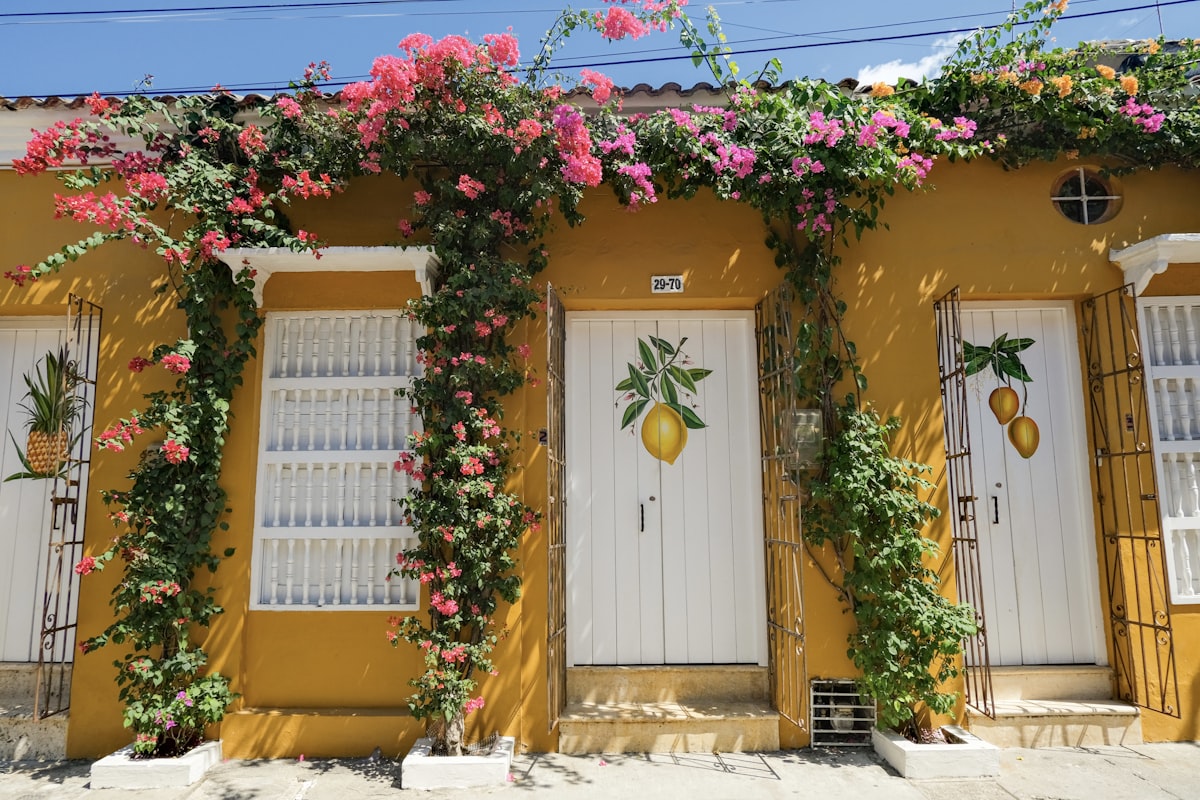
Cartagena de Indias sits on Colombia's Caribbean coast like something from a fever dream — 500-year-old colonial walls draped in bougainvillea, candy-colored buildings with wooden balconies, street vendors selling fresh mango with lime and salt, and warm turquoise water twenty minutes away by boat.
It's the kind of place where you sit down at a cafe to answer one email and three hours later you're still there, watching the light change on a 16th-century church while a cumbia band warms up across the plaza. For digital nomads, Cartagena offers a unique proposition: genuine Caribbean magic combined with increasingly solid infrastructure for remote work.
The Internet
Cartagena's internet has improved significantly in the last two years. Most modern apartments in Bocagrande and the Walled City now come with fibre through Claro or Tigo, pushing 50-200 Mbps.
Coworking spaces are reliably fast: 100-300 Mbps at the established spots. Cafe WiFi is the weak link — many historic buildings in the old city have thick stone walls that strangle signals. Expect 10-40 Mbps at cafes, with plenty of dead zones.
Mobile data is your backup plan. A Claro SIM with 30GB runs about 40,000 COP ($10/month), and 4G coverage in the main neighbourhoods is solid.
Pro tip: Use the WiFi Speed Test in Sour Mango religiously here. Cartagena's cafe WiFi is more variable than Medellín or Bogotá's, so test before you settle in for a work session. The stone walls in the Walled City are beautiful but brutal for signals.
Cost of Living: Affordable Caribbean
Cartagena is pricier than Medellín or Bogotá but still excellent value by Caribbean standards. Budget $1,400-$1,800/month for a comfortable life.
Budget Nomad (~$1,400/month)
- Rent: $450-$650 — furnished apartment in Getsemaní or Manga
- Coworking: $80-$130 — monthly hot desk
- Food: $280-$380 — local restaurants, cooking, street food
- Transport: $30-$50 — buses, walking, occasional Uber
- Phone: $10-$15 — data SIM
- Fun: $180-$250 — beach trips, nightlife, island hopping
- Health insurance: $60-$80
Comfortable Nomad (~$2,200/month)
- Rent: $800-$1,200 — apartment in the Walled City or Bocagrande with AC
- Coworking: $130-$200 — dedicated desk
- Food: $450-$550 — restaurants, seafood dinners, nice cafes
- Transport: $60-$80 — Uber, taxi boats
- Phone: $15
- Fun: $300-$400 — Rosario Islands, nightlife, salsa classes
- Health insurance: $60-$80
Important note: Air conditioning drives electricity costs up significantly. Budget an extra $30-$60/month for AC-heavy apartments. Cartagena's heat is no joke — 30-35°C with high humidity year-round.
In Sour Mango: Open Cartagena in the Destinations tab for real-time cost breakdowns. The Currency Converter makes those COP calculations painless.
The Visa Situation
Cartagena operates under the same Colombian visa rules as the rest of the country.
Digital Nomad Visa (V-Type)
- 2-year stay permitted
- Must earn at least 3x Colombia's minimum wage (~$900/month in 2026)
- Income from outside Colombia
- Health insurance required
- Application processed online through Cancillería
Tourist Visa
- 90 days on arrival for most nationalities
- Extendable once for another 90 days at Migración Colombia in Cartagena (office in Bocagrande)
- 180 days max per calendar year
- The extension process can take a few hours — arrive early
In Sour Mango: Check Visa Requirements for Colombia before booking flights. Set up Visa Tracking to get reminders before your 90-day tourist window closes — it sneaks up on you.
Best Neighbourhoods
Getsemaní
Best for: Budget nomads, nightlife, creative energy
Getsemaní is Cartagena's coolest neighbourhood, full stop. Once a working-class barrio, it's now the city's creative heart — street art on every corner, live music spilling from open doorways, and a mix of locals, travellers, and nomads that feels genuinely organic. Plaza Trinidad is the social centre.
- $400-$700/month for a furnished apartment
- Walkable to the Walled City (5 minutes)
- Best street food in the city
- Lively nightlife around Plaza Trinidad and Calle de la Media Luna
- Getting more touristy but still has character
- Some noise at night — bring earplugs
The Walled City (Centro Histórico)
Best for: First-timers, Instagram aesthetics, walkability
Living inside the walls is living inside a UNESCO World Heritage Site. Every alley is a photograph. The downside: it's the most touristy area, and rents reflect that.
- $700-$1,500/month for a furnished apartment
- The most photogenic streets in the Americas
- Restaurants, bars, and cafes everywhere
- Tourist prices at many establishments
- Can feel like a theme park during cruise ship days
Bocagrande
Best for: Beach access, modern amenities, longer stays
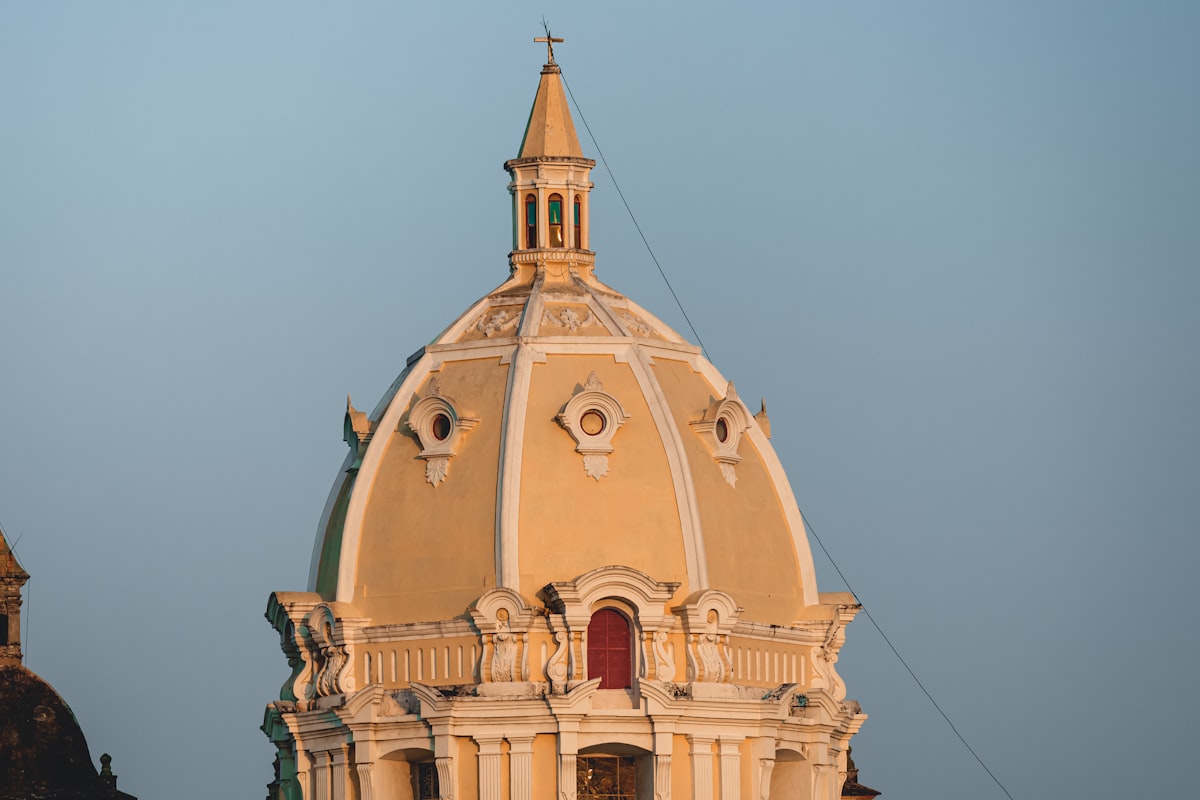
Cartagena's modern neighbourhood stretches along a peninsula with high-rise condos, a boardwalk beach, and a more residential feel. Less charm than the old town, but more practical for daily life.
- $500-$900/month for a furnished apartment
- Beach access (though Bocagrande beach itself is mediocre)
- Supermarkets, gyms, malls within walking distance
- Better internet infrastructure than the old town
- More "normal city" than postcard-perfect
Manga
Best for: Local life, budget-friendly, quiet
A residential island neighbourhood between Getsemaní and Bocagrande. Authentic, quiet, and significantly cheaper than the tourist zones. Growing slowly as nomads discover it.
- $350-$550/month
- Local restaurants and bakeries
- Walkable to Getsemaní
- Very few tourists
- Limited nightlife
In Sour Mango: Browse Cartagena's neighbourhood guide in Destinations for up-to-date cost comparisons and community ratings.
Coworking Spaces
Espacio 71 (Getsemaní)
The nomad favourite. Located in a converted colonial house with a courtyard, high ceilings, and reliable AC. Great community and regular events.
- Day pass: ~40,000 COP ($10)
- Monthly: ~480,000 COP ($120)
Clock Coworking (Walled City)
Professional space with meeting rooms, phone booths, and strong WiFi. A more corporate feel than Espacio 71 but well-equipped.
- Day pass: ~50,000 COP ($12)
- Monthly: ~560,000 COP ($140)
Selina (Walled City)
Part of the global coliving chain. Good for meeting other nomads. Rooftop with Caribbean views.
- Day pass: ~45,000 COP ($11)
- Monthly: ~500,000 COP ($125)
Cafe Circuit
Cafe WiFi in Cartagena requires scouting, but these spots work:
- Café del Mural (Getsemaní) — Art-covered walls, decent WiFi, laptop-friendly
- Epoch Coffee (Walled City) — Specialty coffee, reliable connection, AC
- Mila Pastelería — Great pastries, quiet mornings, fair WiFi
- Juan Valdez (Bocagrande) — Chain coffee but consistent WiFi and AC when you're desperate
Pro tip: Always run a WiFi Speed Test through Sour Mango before ordering your second coffee. Cartagena cafes can drop from 30 Mbps to 3 Mbps when they fill up.
The Food
Caribbean Colombian food is its own universe — heavier on seafood, coconut, and plantain than the interior.
Local Staples ($2-$6)
- Arroz con coco y pescado frito — Coconut rice with fried fish. The signature dish. 18,000-30,000 COP at local spots
- Ceviche de camarón — Shrimp ceviche sold from street carts in Styrofoam cups. 8,000-15,000 COP. Surprisingly excellent
- Arepa de huevo — Fried corn cake stuffed with egg. Street food perfection. 3,000-5,000 COP
- Cazuela de mariscos — Creamy seafood stew with coconut milk. Rich and addictive. 25,000-40,000 COP
- Patacón — Flattened fried plantain topped with meat, cheese, or shrimp. 8,000-15,000 COP
- Fresh fruit — Mango biche with salt and lime from street vendors. 3,000 COP. Life-changing
Seafood Dinners
Cartagena has world-class seafood at a fraction of what you'd pay in Miami or Barcelona. A full seafood dinner at a good restaurant in Getsemaní runs 50,000-80,000 COP ($12-$20). In the Walled City, expect tourist markups of 30-50%.
Coffee and Juice
Colombian coffee is excellent everywhere. Specialty cafes charge 6,000-12,000 COP ($1.50-$3). Fresh fruit juices — lulo, maracuyá, guanábana — are 4,000-8,000 COP and are mandatory daily consumption.
In Sour Mango: Use the Currency Converter for quick COP-to-your-currency math. Browse Local Food recommendations from other nomads in Cartagena.
Transport
Walking
The Walled City and Getsemaní are compact and walkable. This will be your primary mode of transport if you live in either neighbourhood.
Uber / Didi / InDriver
All three work in Cartagena. Rides within the city: 8,000-20,000 COP ($2-$5). Use InDriver for price negotiation. Note: some taxi drivers get territorial about ride-share — sit in the front seat and treat it like a taxi.
Buses
Local buses (Transcaribe) cost 2,800 COP (~$0.70). They connect Bocagrande, the centre, and outer neighbourhoods. Not the most intuitive system but functional.
Getting to the Islands
The Rosario Islands and Barú are Cartagena's beach escapes. Boat tours from the Muelle Turístico run 80,000-150,000 COP ($20-$37) for day trips. For Playa Blanca specifically, you can take a cheaper lancha from the market area for about 40,000 COP ($10) round trip.
Airport
Rafael Núñez Airport (CTG) is just 15 minutes from the Walled City. Uber: 15,000-25,000 COP ($4-$6). One of the most convenient airport-to-city connections in Latin America.
The Heat
This deserves its own section. Cartagena is hot. Not "oh it's warm" hot. Properly, relentlessly, soaking-through-your-shirt hot. Daytime temperatures hover around 32-35°C with 80-90% humidity. It barely cools down at night.
Survival strategies:
- Work in AC environments during midday (coworking spaces, malls, AC cafes)
- Morning and late afternoon are the sweet spots for outdoor activities
- Drink 3-4 litres of water daily — you'll sweat it out
- Light, loose clothing only — merino wool is for Bogotá, not here
- AC in your apartment is a necessity, not a luxury
- A small personal fan can save a sweaty night
In Sour Mango: Check the Packing Lists feature before arriving. The app will flag Cartagena's climate and suggest appropriate gear — light fabrics, sun protection, and reef-safe sunscreen.
Healthcare
Cartagena has decent private healthcare, though options are fewer than in Medellín or Bogotá.
- Doctor's visit: 80,000-150,000 COP ($20-$37)
- Hospital: Medihelp and Clínica Madre Bernarda for emergencies
- Pharmacy: Droguería Olímpica and Cruz Verde are everywhere — many medications available without prescription
- Dengue mosquitoes are present — use repellent, especially in Getsemaní
The Community
Cartagena's nomad community is smaller and more seasonal than Medellín's, but it's tight-knit and social.
- Cartagena Digital Nomads — Facebook group and weekly meetups
- Espacio 71 events — Community dinners, workshops, salsa nights
- Salsa classes — Caribbean salsa has a different feel from Cali or Medellín styles. Take a class at Crazy Salsa
- Isla del Pirata — Weekend island camping trips that nomads organize regularly
- Sunset at Café del Mar — The classic Cartagena social ritual. Drinks on the old city walls watching the sun drop into the Caribbean
In Sour Mango: Find nomads already in Cartagena through Mates. Start a Tribe for island trips and weekend plans. Use Share Location to coordinate meetups around the Walled City.
Weekend Escapes
- Rosario Islands — 45-minute boat ride. Crystal clear water, snorkeling, beach lounging. Day trips from 80,000 COP
- Playa Blanca (Barú) — The best mainland beach near the city. Go on weekdays to avoid crowds
- Minca — 5 hours east in the Sierra Nevada foothills. Mountain air, waterfalls, coffee farms. The escape from Cartagena's heat
- Santa Marta / Tayrona — 4-5 hours east. Colombia's most famous national park. Jungle-meets-beach perfection
- Islas del Rosario overnight — Rent a cabin on one of the smaller islands. Total disconnection
The Downsides
The Heat (Again)
It bears repeating. If you don't handle tropical heat well, Cartagena will test you. Some nomads last two weeks and flee to Medellín's eternal spring. Know yourself.
Tourist Inflation
The Walled City in particular charges tourist prices for everything. Restaurants, taxis, even corner shops inside the walls mark things up. Living in Getsemaní or Manga keeps costs more reasonable.
Cruise Ship Days
When cruise ships dock, the old town floods with day-trippers. Street vendors double prices, restaurants fill up, and the charm gets diluted. Check the cruise schedule and plan work days accordingly.
Hustlers and Scams
Street vendors, especially around the Walled City, can be persistent. Palenqueras (women in colourful traditional dress) will place a fruit bowl on your head, take a photo, and demand 20,000 COP. Wristband sellers tie bracelets on your arm before you can refuse. Be firm, polite, and keep walking.
Quick Start: Your First Week
- Before you fly — Use Sour Mango's AI Trip Planner for a Cartagena itinerary. Check Visa Requirements and Packing Lists (tropical essentials: sunscreen, light fabrics, mosquito repellent)
- Land at CTG — Get a Claro SIM at the airport. Uber to your accommodation
- Stay in Getsemaní first — Book an Airbnb for week one. Walk to the Walled City, eat arepas de huevo, get oriented
- Test coworking — Day passes at Espacio 71 and Clock Coworking. Run the WiFi Speed Test
- Find your cafe spots — Test three or four. Speed-test everything
- Eat ceviche from a street cart — Trust the process
- Take a boat to Rosario Islands — You're on the Caribbean. Act like it
- Watch sunset from Café del Mar — Sit on the old walls with a beer
- Join the community — Hit up Cartagena Digital Nomads meetup, add people on Mates
The Bottom Line
Cartagena is not the most efficient or cheapest nomad base in Colombia — that title belongs to Medellín. What Cartagena offers instead is something you can't get anywhere else: the romance and beauty of a Caribbean colonial city with enough infrastructure to work remotely, at prices that let you enjoy it all.
Come for a month. Work mornings in a coworking space, eat coconut rice for lunch, take a boat to an island on weekends, and watch the sunset paint the old walls gold every evening. Some cities are optimized for productivity. Cartagena is optimized for living.
Track your Colombian visa, speed-test every cafe in the Walled City, convert COP instantly, and find nomads already soaking up the Caribbean — all in Sour Mango. Download it and travel smarter.
Travel smarter with Sour Mango
Visa tracking, AI trip planner, WiFi speed tests, and a global nomad community — all in one free app.
Explore more guides
Browse all city guides →