
Traveling With Pets as a Digital Nomad — Full Guide
The number one reason people say they can't become digital nomads is usually a job. The number two reason is a pet. And while the job problem has been solved by remote work, the pet problem is still seen as an insurmountable barrier.
It's not. Thousands of nomads travel internationally with dogs and cats. It requires more planning, costs more money, and limits your destination options — but it's entirely doable. We've talked to dozens of nomads who travel with pets full-time, and the consensus is clear: the logistics are manageable, and the companionship is worth it.
Here's everything you need to know to make it work.
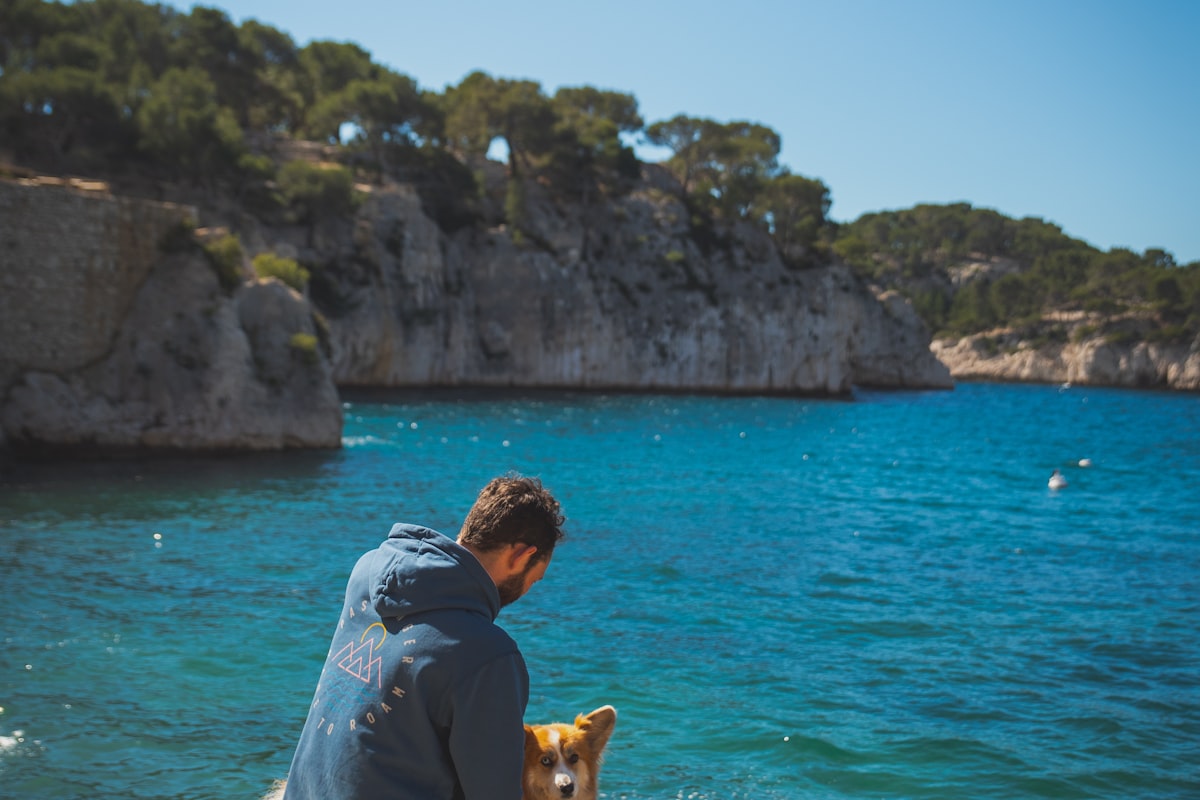
The Honest Assessment: Is It Right for You?
Before diving into logistics, be honest about the trade-offs.
Traveling with a pet means:
- Higher costs — flights, vet visits, pet deposits on apartments, pet-specific insurance
- Fewer accommodation options — many landlords don't allow pets
- Destination restrictions — some countries have quarantine requirements or breed bans
- Slower travel pace — you can't hop between countries every two weeks
- More planning — every border crossing requires paperwork
Traveling with a pet also means:
- Constant companionship (the loneliness problem that plagues many nomads disappears)
- Built-in routine and exercise (walking a dog forces you outside and into neighborhoods you'd never explore)
- Instant community (dog owners connect everywhere in the world)
- Emotional grounding (pets provide stability when everything else is constantly changing)
If you're planning to stay in each destination for 1-3 months minimum, traveling with a pet is practical. If you want to country-hop every two weeks, it's not.
Essential Documentation
Every international border crossing with a pet requires paperwork. The exact requirements vary by country, but these are the universal basics.
Microchip
Your pet must be microchipped with an ISO 11784/11785 compliant chip (15-digit). This is non-negotiable — it's required by virtually every country. If your pet was chipped in the US with a 10-digit chip, you may need a universal reader or re-chipping. Get this done first, before anything else.
Rabies Vaccination
Required by almost every country. Must be administered after the microchip is implanted (so the vaccination record links to the chip number). Most countries require the vaccination to be at least 21 days old before travel. Some require a rabies titer test (blood test proving immunity) — this takes 3-30 days for results.
Health Certificate
An official veterinary health certificate issued within 10 days of travel (some countries require 5 days). Must be signed by an accredited veterinarian. For US travelers, this often needs USDA endorsement. For EU entry, you need an EU animal health certificate (Regulation 576/2013).
Pet Passport
The EU issues pet passports that simplify travel within Europe. If you're entering the EU with a pet, getting a pet passport on arrival streamlines all subsequent intra-EU travel. Cost: €15-€30.
Additional Requirements by Region
- EU/UK: Tapeworm treatment 24-120 hours before entry (for dogs)
- Australia/New Zealand: Strict quarantine (10-30 days). Expensive and complex. Most nomads avoid these.
- Japan: Rabies titer test + 180-day wait period. Plan far in advance.
- Singapore: AVA import permit required. 30-day quarantine possible.
In Sour Mango: Use Visa Requirements to check pet import rules alongside your own visa — many country profiles include pet entry requirements. The Documents feature helps you keep all vaccination records, health certificates, and import permits organized in one place.
Flying With Pets
In-Cabin
Most airlines allow small dogs and cats (under 8-10 kg including carrier) in the cabin. The carrier must fit under the seat in front of you.
Airlines with good pet policies:
- Turkish Airlines — Up to 8 kg in cabin. €35-€70 per flight segment. One of the most pet-friendly major airlines.
- TAP Air Portugal — Up to 8 kg in cabin. €35-€65 per flight segment. Popular with Europe-based nomads.
- Air France — Up to 8 kg in cabin. €40-€75 per flight segment.
- Lufthansa — Up to 8 kg in cabin. €50-€80 per flight segment.
- LATAM — Up to 7 kg in cabin. Good for Latin America routes.
- AeroMexico — Up to 9 kg in cabin. Useful for Mexico-based nomads.
Airlines to avoid (no pets in cabin):
- Most budget airlines (Ryanair, EasyJet, Wizz Air — though some allow guide dogs)
- Most Middle Eastern carriers (Emirates, Etihad — cargo only for pets)
- Many Asian carriers (check individually)
Cargo/Hold
Larger dogs travel as checked baggage or cargo. This is more stressful for the animal and more expensive ($200-$1,000+ per flight depending on route and animal size).
Tips for cargo travel:
- Book IATA-approved crates sized correctly for your dog (they must be able to stand, turn, and lie down)
- Fly direct whenever possible — layovers increase stress and risk
- Avoid extreme temperature routes — many airlines won't fly pets when ground temps exceed 29°C or drop below 7°C
- Freeze water in the crate's bowl so it melts during the flight
- Include a worn t-shirt with your scent in the crate
Cost Budgeting
Budget $100-$300 per flight for in-cabin pets and $300-$1,000 for cargo. Over a year of traveling, flight costs for a pet typically add $500-$2,000 to your budget.
Pet-Friendly Destinations for Nomads
Not all nomad hubs are equally pet-friendly. Here are the best and worst options.
Top Tier: Excellent for Pets
Lisbon & Porto, Portugal
Portugal is one of Europe's most pet-friendly countries. Dogs are welcome in most outdoor cafes and many restaurants. Rental apartments commonly allow pets (though expect a deposit). Parks and beaches (seasonal restrictions) provide space. Great vet care at reasonable prices — routine checkup: €30-€50.
Mexico City, Mexico
Mexicans love dogs. Condesa and Roma neighbourhoods are packed with dog-friendly cafes, parks, and shops. Parque México is a daily dog gathering spot. Vet care is affordable — vaccination: $200-$400 MXN ($10-$20). Pet-friendly apartment rentals are common.
Barcelona & Madrid, Spain
Spain's cities are dog-friendly in practice. Dogs are allowed in many cafes and restaurants with terraces. Parks are abundant. Finding pet-friendly rentals takes more effort but is doable, especially through longer-stay platforms.
Berlin, Germany
Berlin might be the most dog-friendly city in Europe. Dogs ride public transport (reduced ticket), enter most restaurants and shops, and are generally welcomed everywhere. The city has dedicated dog parks, dog-friendly lakes, and a culture that considers dogs part of daily life.
Medellín, Colombia
El Poblado and Laureles have many pet-friendly rentals and cafes. Colombian cities generally tolerate dogs well. Vet care is excellent and cheap — routine visit: 50,000-80,000 COP ($12-$19).
Mid Tier: Works With Planning
Chiang Mai, Thailand
Thai culture is generally tolerant of pets but pet-friendly rentals are fewer. The stray dog population means your dog will encounter unfamiliar dogs regularly. Vet care is excellent and affordable — Chiang Mai has several international-standard vet clinics.
Bali, Indonesia
Bali has a significant stray dog and rabies issue. Travelling with a dog is possible but requires extra caution. Rabies vaccination must be current. Many villas allow pets, but be prepared for encounters with street dogs. Vet care is improving — Sunset Vet in Canggu is well-regarded.
Avoid With Pets
Australia & New Zealand — Quarantine requirements (10-30 days) and import complexity make short-term stays impractical with pets.
Japan — The 180-day rabies titer waiting period means you need to plan 6+ months ahead. Doable for a long stay, not for casual visits.
Singapore — Import permits, potential quarantine, and strict breed restrictions. Not worth the hassle for a nomad stay.
UAE (Dubai) — Restricted breeds, hot climate, cultural attitudes toward dogs. Cats fare better.
Iceland — 4-week quarantine for all imported pets. A non-starter for nomad stays.
In Sour Mango: Use the AI Trip Planner and specify that you're traveling with a pet — it filters destinations by pet import complexity, quarantine requirements, and pet-friendliness ratings. The Visa Requirements section for each country notes pet import rules where available.
Finding Pet-Friendly Accommodation
This is the biggest practical challenge. Here's what works:
Platforms
- Airbnb — Filter for "pets allowed." Many hosts accept pets with a deposit. Always message the host directly to confirm and discuss your specific pet.
- Booking.com — Pet-friendly filter available. Hotels are often easier than apartments for pet acceptance.
- Furnished Finders — US-focused but useful. Many listings allow pets.
- Facebook groups — "Digital Nomads with Pets" and city-specific expat groups often have pet-friendly rental leads.
- Spotahome / HousingAnywhere — European long-stay platforms. Pet filters available.
Tips
- Offer a pet deposit upfront — even before asked. €200-€500 shows responsibility and reduces landlord hesitation.
- Provide a pet CV — seriously. A short message with your pet's breed, size, age, temperament, vaccination status, and a photo converts more landlords than you'd expect.
- Show proof of training — if your dog has any obedience certifications, include them.
- Agree to professional cleaning — offering to pay for end-of-stay cleaning removes the main landlord concern.
- Budget 10-20% more for rent — pet-friendly options cost more or require deposits. Factor this in.
Health & Vet Care Abroad
Finding Vets
- Google Maps reviews — the most reliable method in most cities
- Expat Facebook groups — always have vet recommendations
- Your embassy — many maintain lists of English-speaking veterinarians
- International Veterinary Association directories
Common Issues
- Stomach bugs — new food, new water. Transition your pet's diet gradually. Bring their regular food for the first week.
- Parasites — ticks and fleas vary by region. Maintain your pet's preventive treatment schedule. Tropical destinations require stronger protection.
- Heat stress — brachycephalic breeds (pugs, bulldogs) struggle in tropical climates. Consider this seriously when choosing destinations.
- Altitude — some dogs struggle at elevation. Medellín (1,500m), Mexico City (2,240m), and Bogotá (2,640m) can cause temporary symptoms.
Insurance
Pet travel insurance exists but is limited. Petplan and Healthy Paws offer some international coverage. Many travel insurance policies exclude pets entirely. Budget for out-of-pocket vet costs ($200-$500/year in most developing countries, more in Europe).
In Sour Mango: Use Packing Lists — the pet-specific packing list includes vaccination records, medication, familiar toys/blankets, collapsible water bowl, airline-approved carrier, and destination-specific items like tick preventive treatments.
Country-Hopping Strategy With Pets
The most successful pet nomads follow a slower travel rhythm. Here's a practical framework:
The 3-Month Minimum Rule
Stay at least 3 months in each destination. This gives you time to:
- Find good vet care
- Establish a routine for your pet
- Build a network of dog-sitters or pet-sitters for day trips
- Amortize the cost and stress of international pet travel
Sample Annual Route (Dog-Friendly)
- January-March: Lisbon, Portugal (mild winter, excellent pet culture)
- April-June: Berlin, Germany (spring/summer, most dog-friendly city in Europe)
- July-September: Mexico City, Mexico (rainy season keeps temperatures manageable, great pet infrastructure)
- October-December: Medellín, Colombia (eternal spring, affordable vet care)
This route keeps you in pet-friendly cities, avoids extreme climates, and follows logical flight paths. Each leg requires one international pet transport — manageable at 4 per year.
The Hub Strategy
Alternatively, pick one pet-friendly hub and do 6-12 months there, with short pet-free trips (using pet-sitters) to less accessible destinations. Many nomads base in Lisbon or Mexico City and travel solo for 1-2 week stretches while a trusted sitter watches their pet.
Pet Sitters & Boarding
You will need someone to watch your pet sometimes. Options:
- TrustedHousesitters — connect with sitters who stay in your accommodation for free in exchange for pet care. Membership: $129/year. Works best in popular destinations.
- Rover — available in many countries. Professional sitters. $20-$60/night.
- Local pet sitters — found through expat groups. Often the best and cheapest option. $10-$30/night in developing countries.
- Vet clinic boarding — most vet clinics in nomad hubs offer boarding. $15-$40/night. Your pet gets medical oversight.
- Nomad friends — the nomad community is generally very pet-friendly. Building relationships with other pet owners creates a mutual pet-sitting network.
Budget: What Pets Actually Add
Here's a realistic breakdown of what a medium-sized dog adds to your annual nomad budget:
- Flights: $1,000-$3,000/year (4 international moves, cargo class)
- Vet care: $300-$800/year (checkups, vaccinations, unexpected issues)
- Pet insurance: $300-$600/year
- Documentation: $200-$500/year (health certificates, import permits, endorsements)
- Accommodation premium: $1,200-$3,000/year (pet deposits, higher rent)
- Food: $600-$1,200/year
- Pet sitters: $300-$800/year
- Miscellaneous (new carrier, supplies, medications): $200-$500/year
Total additional cost: $4,100-$10,400/year
For a small dog or cat traveling in-cabin, the lower end is realistic. For a large dog requiring cargo flights, budget toward the upper range.
In Sour Mango: Use Currency Converter to budget vet costs and pet deposits in local currencies for each destination. The AI Trip Planner factors in pet travel costs when building your itinerary if you specify you're traveling with an animal.
Cats vs Dogs: Different Challenges
Dogs
- Require more exercise and outdoor access
- More airline restrictions (size limits for cabin, breed restrictions)
- More documentation (some countries have breed-specific import bans)
- Easier to socialize and meet people through
- More destination restrictions
Cats
- Easier to transport (almost always qualify for in-cabin)
- Less outdoor space needed
- Adapt to new apartments faster
- Fewer country-specific restrictions
- Less social benefit (you won't meet people at cat parks)
- Can be stressed by frequent moves — cats are territorial
Both work as nomad pets. Dogs require more logistics but add more to your social life. Cats are logistically simpler but need careful attention to stress from environment changes.
Final Checklist Before Your First Trip
- Microchip your pet (ISO compliant)
- Rabies vaccination (after microchip, 21+ days before travel)
- Rabies titer test if your destination requires it (allow 30+ days for results)
- Health certificate from accredited vet (within 5-10 days of travel)
- USDA endorsement (if departing from the US)
- Airline booking with pet confirmed (book early — most flights have limited pet spots)
- Destination import permit if required
- Pet-friendly accommodation confirmed with landlord
- Vet identified at your destination
- Pet insurance active
- Packing: carrier, food for 1 week, medications, vaccination records, microchip documentation, familiar blanket/toy
In Sour Mango: Use Documents to store digital copies of all pet paperwork — vaccination records, health certificates, import permits, microchip registration. Having everything accessible on your phone saves time at airports and border crossings. Use Visa Tracker to manage both your own visa deadlines and pet documentation expiry dates.
You Can Do This
Traveling with a pet as a digital nomad is harder than traveling solo. There's no way around that. The costs are higher, the logistics are more complex, and your destination list is shorter.
But the nomads we've spoken to who travel with pets almost universally say the same thing: they wouldn't go back to traveling without them. The companionship, the routine, the forced slowdown, and the joy of exploring new places together outweigh the hassles.
Start with one international move to a pet-friendly destination. Get the paperwork process down. Build confidence. It gets easier after the first trip, and by the third or fourth, it's just part of your routine.
Travel smarter with Sour Mango
Visa tracking, AI trip planner, WiFi speed tests, and a global nomad community — all in one free app.
Explore more guides
Browse all city guides →