
Dubai — The Tax-Free Nomad Hub Between East and West
Dubai is the city that shouldn't work for digital nomads — but increasingly, it does. The stereotype is all supercars, shopping malls, and artificial islands. The reality in 2026 is a strategically located, hyper-connected, tax-free city with a dedicated digital nomad visa, infrastructure that actually functions, and a cost of living that — while not cheap — starts to make sense when you factor in the zero income tax.
For nomads earning good money and wanting to optimise their tax situation legally, Dubai is one of the smartest bases on earth. For everyone else, it's a fascinating, polarising, surprisingly diverse city that sits exactly halfway between Europe and Asia, making it the ultimate hub for nomads who need to be connected to both.
The Internet Situation
Dubai's internet is fast. The UAE has invested massively in digital infrastructure, and it shows. Most apartments come with fibre from du or Etisalat (e&) delivering 100-500 Mbps as standard. Gigabit plans are available in most residential areas.
Cafes are reliably connected. The specialty coffee scene — %Arabica, RAW Coffee Company, Nightjar — typically offers 40-80 Mbps. Mall-based cafes and chains are consistent at 30-60 Mbps.
Coworking spaces push 200-500 Mbps with enterprise-grade connections.
Mobile data is excellent but expensive by global standards. 5G coverage blankets Dubai through du and Etisalat. A prepaid SIM with 10GB of data costs AED 100-200 ($27-$55/month). Monthly postpaid plans with 50-100GB start at AED 200 ($55). The speed is phenomenal — 5G in Dubai regularly hits 500+ Mbps.
Important note: The UAE blocks VoIP services by default. WhatsApp calls, FaceTime Audio/Video, and other VoIP services are restricted. You can use licensed alternatives (BOTIM — AED 50/month) or a VPN (technically against UAE law, though enforcement for personal use is minimal). Factor this into your communication planning.
Pro tip: Use the WiFi Speed Test in Sour Mango at every cafe and coworking space. Dubai's connection speeds are generally excellent, but the VoIP restrictions mean you'll want to know which locations handle VPN connections smoothly for client calls.
Cost of Living: Not Cheap, But Tax-Free
Dubai is more expensive than Southeast Asia or Eastern Europe. It's comparable to Southern Europe — more expensive than Lisbon, similar to Barcelona, cheaper than London. But here's the critical difference: there is no personal income tax in the UAE. For nomads earning $50,000-$150,000+, this single factor can save $10,000-$50,000+ per year, completely changing the cost calculus.
Budget Nomad (~AED 8,000 / $2,200/month)
- Rent: AED 3,500-5,000 ($950-$1,360) — studio in JLT (Jumeirah Lake Towers), Dubai Marina, or International City. Shared accommodation in a flatshare: AED 2,000-3,000 ($545-$815)
- Coworking: AED 500-1,000 ($136-$272) — monthly hot desk at a smaller space
- Food: AED 1,500-2,000 ($410-$545) — mix of local restaurants, shawarma spots, and grocery cooking
- Transport: AED 350-500 ($95-$136) — Metro plus occasional RTA buses
- Phone: AED 150-200 ($41-$55) — prepaid data SIM
- Fun: AED 500-1,000 ($136-$272) — beach days (free), desert excursions, brunches
- Health insurance: AED 200-350 ($55-$95) — mandatory in Dubai, basic plans available
Comfortable Nomad (~AED 14,000 / $3,800/month)
- Rent: AED 6,000-9,000 ($1,635-$2,450) — one-bedroom in Dubai Marina, Downtown, or JBR with pool, gym, and sea/skyline views
- Coworking: AED 1,000-2,000 ($272-$545) — dedicated desk at WeWork or LETSWORK premium
- Food: AED 2,500-3,500 ($680-$950) — brunches, fine dining, delivery, international restaurants
- Transport: AED 500-1,000 ($136-$272) — Metro plus Uber/Careem
- Phone: AED 200
- Fun: AED 1,500-2,500 ($410-$680) — Friday brunches, desert safaris, rooftop bars, Ras Al Khaimah adventures
- Health insurance: AED 300-600 ($80-$165)
The tax equation: If you earn $100,000/year and establish UAE tax residency, you pay $0 in income tax. Compare that to 20-35%+ in most Western countries. Even at $3,800/month living costs, you could be saving $15,000-$25,000/year compared to a nominally "cheaper" city where you pay income tax. Use the Sour Mango Currency Converter alongside your own tax calculations to see the real numbers.
In Sour Mango: Open Dubai in the Destinations tab for the full cost breakdown. The Currency Converter handles AED with live rates — the dirham is pegged to the USD at 3.67, so the conversion is predictable.
The Visa Situation
Dubai was one of the first major cities to create a dedicated digital nomad visa, and the program has matured well.
Virtual Working Programme (Digital Nomad Visa)
- 1-year residence visa, renewable
- Must earn at least $3,500/month from remote employment or freelance work outside the UAE
- Proof of employment contract or business ownership (minimum 1 year of business operation for freelancers)
- Valid health insurance with UAE coverage
- Clean criminal record
- Processing time: 2-3 weeks
- Fee: AED 2,970 (~$810) for the visa, plus medical fitness test and Emirates ID (total approximately AED 4,000-5,000 / $1,090-$1,360)
- Includes access to UAE banking, phone contracts, and other resident services
- Does not include tax residency by default — you need to apply separately for a UAE Tax Residency Certificate if optimising taxes
Freelance Permits
For nomads who want to do some local work or need a more formal business setup:
- Dubai Freelance Permit through various free zones (IFZA, DMCC, Dubai Media City)
- AED 7,500-15,000 ($2,040-$4,085) per year depending on the free zone
- Provides a trade license, UAE residence visa, and the ability to invoice locally
- Popular with nomads who want to establish a formal UAE business presence
Other Options:
- 30-day visa on arrival — Available for many Western passport holders
- 90-day tourist visa — Extended automatically for many nationalities
- Property investor visa — Purchase property worth AED 750,000+ for a 2-year residence
In Sour Mango: Check Visa Requirements for UAE entry rules for your passport. Track your visa duration with Visa Tracking — the countdown timer and notifications keep you compliant.
Best Neighbourhoods for Nomads
Dubai is a car city, but the Metro connects the key areas, and certain neighbourhoods are walkable within themselves.
Dubai Marina / JBR (Jumeirah Beach Residence)
Best for: Beach lifestyle, walkability, social scene
Dubai Marina is a man-made canal city lined with towers, restaurants, and a long promenade. JBR (The Walk at JBR) is the beachfront extension with public beach access, outdoor restaurants, and a holiday resort vibe. This is where most nomads and expats gravitate — it's the most walkable, sociable part of Dubai.
- The Marina Walk — 7km waterfront promenade with restaurants and cafes
- JBR Beach — free public beach access
- Excellent coworking and cafe options
- Metro station (DMCC, Sobha Realty) connects to the rest of the city
- AED 4,000-7,000/month for a studio, AED 6,000-10,000 for a one-bed
- Friday brunch culture is centred here — a Dubai institution
- Can feel like a resort bubble — not "real Dubai"
Downtown Dubai / Business Bay
Best for: Urban energy, iconic skyline, business networking
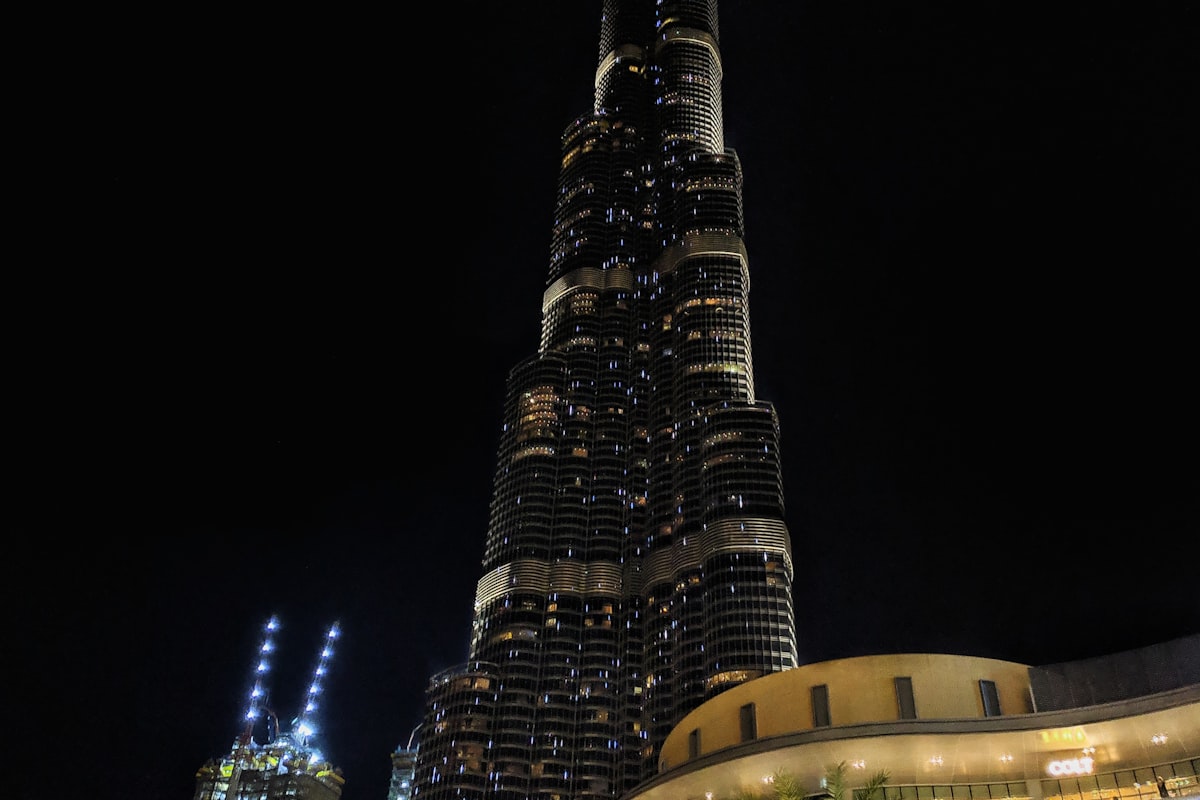
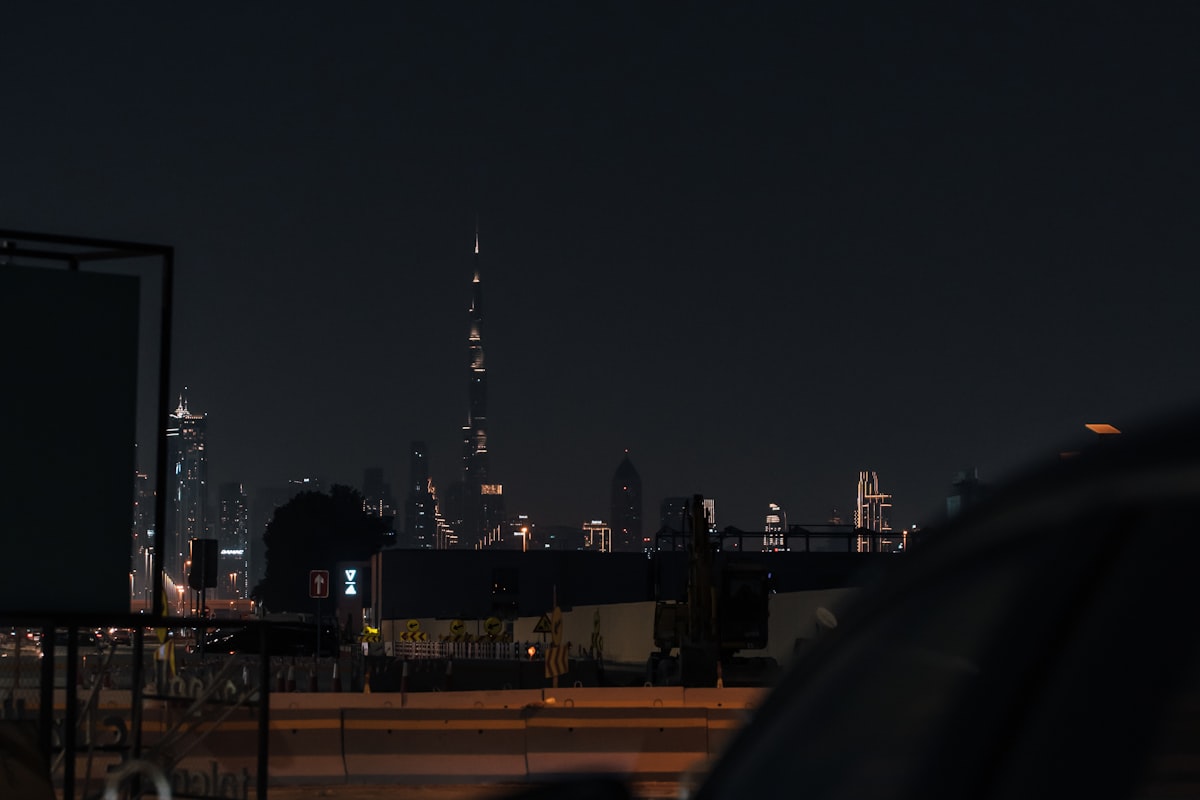
The Burj Khalifa, Dubai Mall, and Dubai Fountain are here. Business Bay is the adjacent business district — newer, slightly cheaper, with modern towers and the Dubai Water Canal running through it. This is where Dubai's ambition is most visible.
- Walk to Burj Khalifa, Dubai Mall, and the Fountain
- Business Bay has newer towers with better amenities
- WeWork and major coworking spaces concentrated here
- Metro: Burj Khalifa/Dubai Mall station
- AED 5,000-8,000/month for a studio, AED 8,000-14,000 for a one-bed in Downtown
- Business Bay is 20-30% cheaper than Downtown
- More business-oriented, less beach-lifestyle
JLT (Jumeirah Lake Towers)
Best for: Budget nomads, DMCC free zone, community feel
JLT is Dubai Marina's cheaper neighbour. Clusters of towers around artificial lakes, with ground-floor cafes, restaurants, and small shops. It lacks Marina's waterfront glamour but offers better value and a more community-oriented feel. DMCC (Dubai Multi Commodities Centre) free zone is based here — relevant for freelancers setting up a UAE business.
- AED 3,000-5,000/month for a studio — Dubai's best value central location
- DMCC free zone HQ — relevant for freelance permits
- Cafes and restaurants at every cluster base
- Metro station (DMCC) connects to the main line
- More diverse, less touristy than Marina
- Slightly less walkable — cars are more necessary between clusters
Al Quoz / Alserkal Avenue
Best for: Creatives, art lovers, alternative Dubai
Al Quoz is Dubai's industrial district turned arts hub. Alserkal Avenue is a converted warehouse complex housing galleries, studios, cafes, and creative businesses. It's the most "un-Dubai" part of Dubai — raw, creative, and genuinely interesting.
- Alserkal Avenue — galleries, Third Line, Carbon 12, Leila Heller Gallery
- A4 Space — creative coworking and event space within Alserkal
- The best specialty coffee in Dubai — RAW Coffee Company, Nightjar
- AED 3,500-6,000/month for studios in the broader area
- Requires car or Uber — not on the Metro line
- Best for nomads who want to escape the mall-and-tower aesthetic
In Sour Mango: Check the Dubai Destinations guide for neighbourhood comparisons with cost ranges and lifestyle descriptions.
Coworking Spaces Worth Your Money
LETSWORK (Multiple Locations)
Dubai's most popular coworking brand for nomads and freelancers. Locations across Marina, JLT, Downtown, and DIFC. The app-based system lets you book desks at multiple locations — good for variety. The Marina location is the most social.
- Day pass: AED 75-100 ($20-$27)
- Monthly hot desk: AED 750-1,000 ($204-$272)
- Dedicated desk: AED 1,500-2,000 ($410-$545)
- Multiple locations — work from a different space each day
- Good community events and networking
- App-based booking system
WeWork (Multiple Locations)
Global standard, well-executed in Dubai. The D3 (Dubai Design District) location has a creative vibe; the DIFC location is more corporate and finance-oriented. Reliable, professional, excellent for client calls.
- Monthly hot desk: AED 1,800 ($490)
- Dedicated desk: AED 2,800 ($762)
- Premium locations — DIFC, D3, One Central
- Professional meeting rooms and phone booths
- Global access for members
A4 Space (Alserkal Avenue, Al Quoz)
Creative coworking within the Alserkal arts complex. Not for corporate types — this is for creatives, designers, and people who want their workspace to feel like a gallery. Regular exhibitions and events.
- Monthly desk: AED 1,200 ($327)
- Creative, arts-focused community
- Beautiful warehouse space
- Regular exhibitions and cultural events
- A bit isolated — you need a car or Uber
Nasab (Downtown)
Emirati-focused coworking brand with a design-forward aesthetic inspired by Arabic geometric patterns. A distinctly Dubai experience.
- Monthly hot desk: AED 1,000 ($272)
- Arabic design aesthetic — unique among global coworking spaces
- Central Downtown location
- Growing community of local and international professionals
The Cafe Circuit
Dubai's cafe scene has come a long way:
- %Arabica (multiple locations) — Kyoto-born coffee chain, minimal aesthetic, excellent espresso. The Dubai Mall location has Fountain views
- RAW Coffee Company (Al Quoz) — Dubai's best specialty roaster. Industrial space, serious beans, fast WiFi. Worth the trip to Al Quoz
- Nightjar Coffee (Al Quoz / Jumeirah) — Specialty roaster with a dedicated following. Atmospheric, good for working
- Tom & Serg (Al Quoz) — Warehouse-style brunch spot and cafe. Laptop-friendly on weekdays, packed on weekends
- Cassette (Satwa) — Retro-themed, eclectic, good coffee. One of Dubai's more characterful independent cafes
- Common Grounds (multiple locations) — Spacious, reliable WiFi, good food menu. The DIFC location is popular with the business crowd
In Sour Mango: Run the WiFi Speed Test at every spot and note VPN stability — important for nomads using VoIP services in the UAE.
The Food: More Diverse Than You Expect
Dubai's food scene is one of the most diverse on earth. With 85% of the population being expatriates, every cuisine is represented — and often by people who actually know how to cook it.
Budget Eats (AED 15-40 / $4-$11)
- Shawarma — The universal Dubai snack. Chicken or lamb, wrapped in flatbread with garlic sauce, pickles, and fries. AED 8-15 ($2.20-$4.10). Available everywhere, always good. Go to: Al Mallah (Satwa) for the classic Dubai shawarma experience, or Al Reef Bakery for the Lebanese version
- Mandi / Madhbi — Yemeni-style rice and meat, slow-cooked in a clay oven or grilled over hot stones. Rich, aromatic, and incredibly filling. AED 25-40. Go to: Matam Al Yemeni (Satwa), Yemen Corner
- Dosa / South Indian — Dubai has a massive South Indian population, and the food shows it. Masala dosa, idli, vada — all excellent. AED 15-25 at any South Indian restaurant in Karama or Bur Dubai
- Manakish — Lebanese flatbread topped with za'atar, cheese, or meat. The Levantine breakfast staple. AED 5-15. Available at any Lebanese bakery, especially in Satwa and Deira
- Filipino food — Dubai's large Filipino community means excellent adobo, sinigang, and lechon. AED 20-35. Check the restaurants in Al Karama and Satwa
- Cafeteria food — Dubai's "cafeterias" (small, casual restaurants, often Pakistani or Indian) serve massive portions of biryani, curries, and grilled meats for AED 15-25. The best value in the city
Brunch Culture:
Dubai Friday brunch is an institution — a multi-course, multi-hour, often unlimited-drinks affair at hotels and restaurants:
- Budget brunch: AED 150-250 ($41-$68) including drinks. Many international hotels
- Mid-range brunch: AED 300-500 ($80-$136). Better food, better venues
- Premium brunch: AED 500-800+ ($136-$218+). Atlantis, Four Seasons, etc.
- The social highlight of the week for many Dubai residents
Fine Dining:
Dubai punches above its weight here. Michelin arrived in Dubai in 2022, and the scene has exploded:
- DIFC — Dubai International Financial Centre has the highest concentration of high-end restaurants
- La Petite Maison (DIFC) — French Mediterranean. A Dubai institution
- 3 Fils (Jumeirah Fishing Harbour) — Japanese-inspired, Michelin-starred, waterfront. One of the city's best
- Orfali Bros (Wasl 51) — Syrian-Latin fusion. Inventive, fun, excellent
Groceries:
- Carrefour and Lulu Hypermarket — Budget supermarkets with good variety
- Spinneys and Waitrose — More upscale, imported goods
- Union Cooperative — Local chain, great for Middle Eastern specialties
- Alcohol: Only available from licensed shops (MMI, African + Eastern) or hotels. Beer: AED 30-50 ($8-$14) at a bar. A six-pack from a shop: AED 50-80 ($14-$22). Expensive, but Dubai loosened regulations in 2023, making personal licenses easier to obtain
In Sour Mango: Browse Local Food in the Dubai destination guide for cuisine recommendations across all price ranges.
Transport: Metro + Ride-Hailing
Dubai is a car city by design, but the Metro and ride-hailing apps make carless living feasible in the right neighbourhoods.
Dubai Metro
- 2 lines (Red and Green) connecting the airport, Downtown, Marina, JLT, and other key areas
- Fares: AED 3-8.50 ($0.82-$2.31) using a Nol card
- Nol Silver card — Rechargeable transit card. Buy at any station. Also works on buses, water buses, and trams
- Runs from ~5:00am to midnight (extended hours on Fridays)
- Clean, air-conditioned, efficient
- Gold Class and Women & Children carriages available
- The tram connects to the Marina and JBR areas
Uber / Careem
- Both operate in Dubai. Careem (now owned by Uber) is the local favourite
- City rides: AED 20-50 ($5.45-$13.60)
- Airport to Marina: AED 60-90 ($16-$24.50)
- Reliable and significantly cheaper than traditional Dubai taxis
Getting to the Airport
- Dubai International (DXB) — The main airport. Metro Red Line connects directly. 30-45 minutes from Marina/Downtown
- Al Maktoum International (DWC) — Newer airport in the south. Less connected, mostly budget airlines. Taxi/Uber only
Car Rental
For desert trips, Abu Dhabi visits, and Ras Al Khaimah adventures:
- From AED 60-120 ($16-$33)/day for a basic car
- From AED 100-200 ($27-$55)/day for a comfortable SUV
- Salik (toll) tags: AED 4 per toll gate crossing
Healthcare
Healthcare in Dubai is excellent and private insurance is mandatory:
- Mediclinic (multiple locations) — Dubai's premier private hospital group. Excellent across all departments
- American Hospital Dubai — Long-established, international standard
- Aster Clinic (multiple locations) — Good for routine consultations
- General consultation: AED 200-500 ($55-$136)
- Dental: Professional cleaning AED 300-600 ($82-$163)
- Health insurance is mandatory — The Virtual Working Programme requires valid health insurance. Many plans start at AED 2,500-5,000/year ($680-$1,360)
Insurance tip: Dubai requires health insurance for all residents. Your virtual working visa application needs proof of coverage. Options range from basic plans (AED 2,500/year) to comprehensive (AED 10,000+/year). SafetyWing or Cigna Global are popular with nomads.
The Community
Dubai's nomad and remote worker community has grown dramatically since the Virtual Working Programme launched.
- Dubai Digital Nomads — Active Facebook and WhatsApp groups. Regular meetups, coworking sessions, and social events
- DIFC FinTech Hive / Hub71 — If you're in tech or fintech, the startup ecosystem is growing
- Brunch groups — The Dubai social calendar revolves around Friday brunch. Groups organise weekly brunch outings
- Fitness — Outdoor running (Dubai Creek, Marina), CrossFit (huge scene), padel tennis (Dubai's current obsession), beach volleyball on JBR
- Desert activities — Dune bashing, desert camping, camel treks. The desert is 30 minutes from the Marina
- Weekend escapes — Abu Dhabi (1.5-hour drive, Louvre Abu Dhabi, Yas Island), Ras Al Khaimah (1-hour drive, Jebel Jais mountain), Oman (Musandam peninsula, 2-hour drive), Bahrain (1-hour flight)
In Sour Mango: Find nomads in Dubai through Mates. Create a Tribe group for desert trips, brunch coordination, and coworking sessions. Use Meetups to find community events.
The Downsides (Being Honest)
It's Expensive
While the tax savings can offset costs, Dubai's daily expenses are real. Rent, food, and entertainment are all priced at Western European levels or above. If you're earning $3,000/month, the tax savings don't compensate for the higher costs. Dubai's value proposition scales with income — the more you earn, the more the tax-free status matters.
Summer Heat
June to September brings temperatures of 40-50°C with intense humidity. Outdoor activity is essentially impossible during the day. The entire city moves indoors — malls, hotels, and air-conditioned spaces. Many nomads leave Dubai for summer and return in October. The Sour Mango AI Trip Planner can help you plan a summer escape route.
VoIP Restrictions
WhatsApp calls, FaceTime, Skype, and Zoom (audio/video) are blocked or degraded without a VPN or licensed alternative. This is a genuine workflow issue for remote workers who rely on video calls. Plan around it.
Cultural Sensitivity
Dubai is a Muslim city in a conservative region. While it's the most liberal in the Gulf, there are rules: public drunkenness is illegal (though drinking is fine in licensed venues), PDA is frowned upon, and dress codes apply in certain areas (malls, government buildings). During Ramadan, eating and drinking in public during daylight hours is restricted. Respect the local culture.
It Can Feel Soulless
Dubai's rapid construction means much of the city is new, planned, and polished to a sheen. If you're looking for the organic, gritty, evolved-over-centuries character of a Lisbon or Berlin, Dubai won't provide it. The old town areas (Bastakiya, Deira) have charm, but most of the city is sleek, modern, and commercially oriented.
Quick Start: Your First Week in Dubai
- Before you fly — Use Sour Mango's AI Trip Planner for a Dubai itinerary. Check Visa Requirements for your passport. Packing Lists — light, breathable clothing for most of the year, but bring something covering for mosque visits and Ramadan
- Land at DXB — Get a du or Etisalat SIM at the airport. Take the Metro Red Line to your neighbourhood or Uber (AED 60-100 to Marina)
- Stay in Dubai Marina first — Airbnb or hotel for your first week (AED 200-400/night for a studio). Walk the Marina promenade, swim at JBR Beach
- Get a Nol card — Any Metro station. Load it up for all transit
- Cafe-hop — %Arabica, RAW Coffee Company, Tom & Serg. Run the WiFi Speed Test and test VPN stability
- Try coworking — Day pass at LETSWORK Marina (AED 75)
- Explore old Dubai — Take the Metro to Al Fahidi (Bastakiya), walk through the old streets, cross the Creek by abra (water taxi, AED 1), and explore the Deira spice and gold souks
- Shawarma tour — Al Mallah in Satwa, then a cafeteria in Karama. The real Dubai food experience
- Connect — Join Dubai Digital Nomads WhatsApp group, attend a Friday brunch, add people on Sour Mango Mates
The Bottom Line
Dubai is the digital nomad city for people who think strategically about money. The zero income tax, legitimate digital nomad visa, world-class internet, strategic location between Europe and Asia, and genuine diversity make it a compelling base — especially for higher-earning remote workers.
At $2,200-$3,800/month, it's not a budget destination. The summer heat is brutal, the VoIP restrictions are annoying, and the city's manufactured aesthetic isn't for everyone. But for nomads earning $60,000+ per year, the tax savings alone can make Dubai cheaper in net terms than cities with half the sticker price. Add in the connections to 260+ destinations from DXB, the safety, and the infrastructure, and Dubai starts to look like a very smart choice.
It's not the most charming city in the world. But it might be one of the most practical.
Track your UAE visa countdown, test WiFi and VPN stability, check cost breakdowns in AED, convert currencies instantly, plan your Dubai stay with AI, and connect with nomads already in the city — all in one app. Download Sour Mango and travel smarter.
Travel smarter with Sour Mango
Visa tracking, AI trip planner, WiFi speed tests, and a global nomad community — all in one free app.
Explore more guides
Browse all city guides →