
Genoa — Italy's Hidden Coastal Nomad Haven
Forget Florence. Skip the Rome markup. Genoa is the Italian city that nobody talks about — and that's exactly why it's perfect. While nomads pile into Lisbon and Barcelona, paying inflated rents and eating at restaurants designed for Instagram, Genoa offers genuine Italian coastal living at prices that would make a Roman weep. We're talking about a city where you can eat world-class pesto for €9, rent a flat in a medieval alley for €550, and take a train to Cinque Terre on your lunch break.
Italy's digital nomad visa launched in 2024, and Genoa is arguably the best place to use it. It's the capital of Liguria, a major port city with 600,000 people, a proper university, a functioning economy — not a tourist theme park. Christopher Columbus was born here. The pesto you love was invented here. The largest medieval old town in Europe is here. It's time to pay attention.
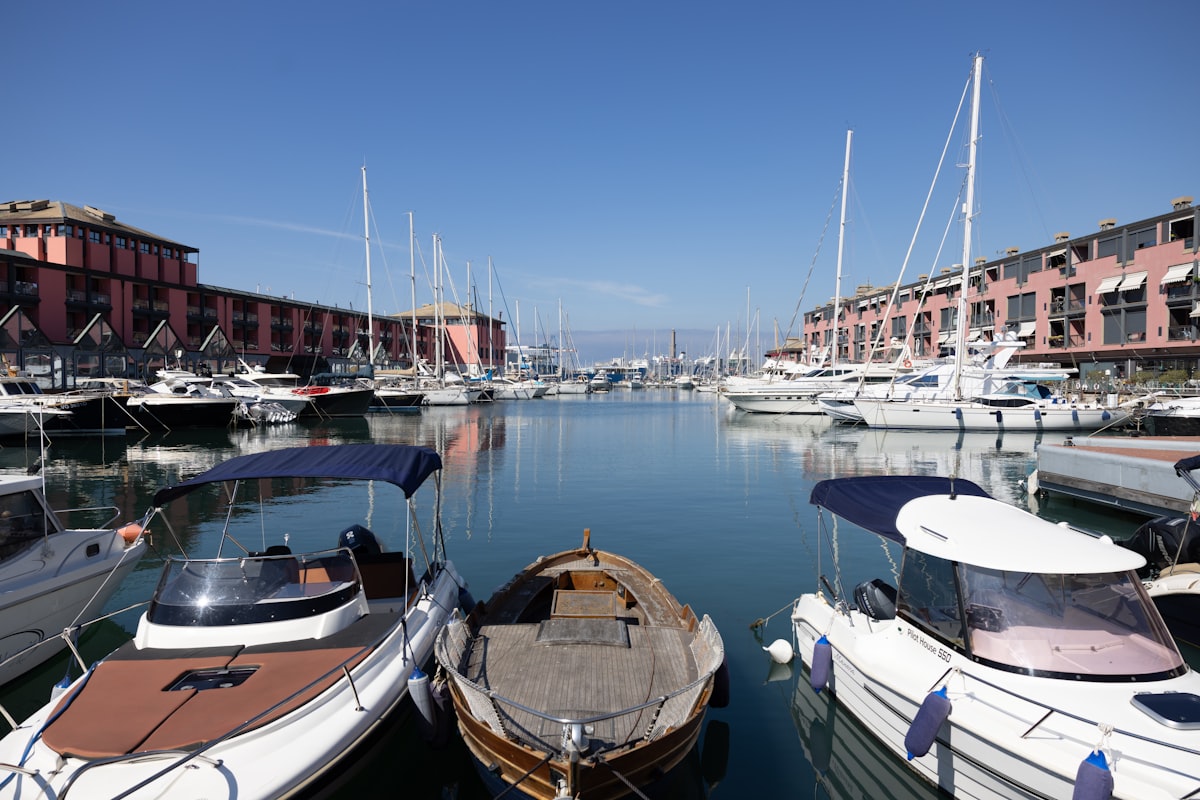
Quick Start: Your First Week
Day 1-2: Get settled. Land at Genoa Airport (GOA) or take the train from Milan Malpensa. Pick up a TIM or Iliad SIM at the station (€10-€15 for 100GB). Head to your Airbnb or short-term rental. Walk the caruggi (alleys) of Centro Storico. Eat focaccia from Antico Forno della Casana on Via di San Bernardo — this is non-negotiable.
Day 3-4: Find your workspace. Try Talent Garden Genova for a day pass (€25). Walk up to Castelletto via the Art Nouveau elevator on Piazza del Portello for the best panoramic view in the city. Pick up your AMT monthly bus pass (€37) from a tabaccheria.
Day 5-6: Explore the coast. Take the train east to Nervi (15 minutes) and walk the Passeggiata Anita Garibaldi along the cliffs. Or head to Boccadasse, the tiny fishing village at the end of Corso Italia, for gelato at Gelateria Amedeo. Use AI Trip Planner in Sour Mango to map out weekend excursions to Cinque Terre, Portofino, and Camogli.
Day 7: Lock in the essentials. Set up your coworking membership. Open Packing Lists and Nomad Essentials in Sour Mango to make sure you haven't forgotten anything critical — Italian plug adapters (Type L), a decent rain jacket for the Ligurian winters, and a VPN if you need one.
In Sour Mango: Use Share Location to let friends and family know where you've landed. Check Destinations for the full Genoa profile — average costs, weather data, internet speeds, and safety ratings.
The Internet
Italian fibre has gotten genuinely good. Home connections through TIM, Vodafone, or Fastweb deliver 100-300 Mbps in most apartments, especially in Castelletto and Carignano where the infrastructure is newer. Centro Storico is patchier — some of those medieval buildings are thick-walled and tricky to wire — so confirm speeds before signing a lease.
Coworking spaces run 100-200 Mbps reliably. Cafe WiFi is the weak link: 15-40 Mbps and inconsistent. Some spots cut you off after an hour. Others have no password but the speed is unusable for video calls. Test before you commit to a full afternoon.
Mobile data is where Italy shines. An Iliad SIM with 150GB costs €10/month. A TIM Tourist SIM gives you 100GB for €15. Italian mobile data pricing is among the cheapest in Western Europe, and 4G/5G coverage in Genoa is solid.
Use WiFi Speed Test in Sour Mango before settling into any cafe or coworking space. This is genuinely essential here — the gap between a good and bad WiFi spot in Genoa is enormous. Save your tested locations so you build up a reliable map over your first few weeks.
Cost of Living
This is where Genoa destroys the competition. We're talking 30-40% cheaper than Milan or Rome, and roughly 50% cheaper than Florence for comparable quality of life. That's real Italian living — the food, the coast, the architecture — at prices that actually make sense for remote workers.
Budget (~€1,200/month)
- Rent: €450-€650 — studio or shared apartment in Centro Storico or San Fruttuoso
- Coworking: €80-€120 — hot desk at a community space
- Groceries & dining: €250-€350 — cooking at home with market produce, eating out 2-3 times/week
- Transport: €37 — monthly AMT bus/metro pass
- Fun: €150-€200 — aperitivo, day trips, museum entries
- Health insurance: €60-€80 — private travel insurance
Comfortable (~€2,000/month)
- Rent: €750-€1,000 — one-bedroom apartment in Castelletto, Carignano, or near the sea
- Coworking: €150-€200 — dedicated desk at Talent Garden
- Groceries & dining: €400-€500 — eating out regularly, wine with dinner
- Transport: €37 — monthly pass plus occasional Trenitalia trips
- Fun: €300-€400 — sailing lessons, weekend trips to Cinque Terre, concerts
- Health insurance: €60-€80
A flat white at a specialty cafe costs €2-€3. A proper sit-down lunch (primo, secondo, water) at a trattoria runs €12-€18. A litre of excellent Ligurian olive oil from Mercato Orientale is €8-€12. A bottle of Vermentino at the enoteca is €6-€10.
In Sour Mango: Open Destinations and tap Genoa for a live cost-of-living breakdown. Use Currency Converter for quick EUR calculations — especially useful when comparing rents across Italian cities. Price Checker lets you verify what locals actually pay vs. tourist markups.
The Visa
Italy Digital Nomad Visa (Launched 2024)
Italy finally caught up. The digital nomad visa went live in April 2024 and it's a genuine option for non-EU remote workers who want to live legally in Italy long-term.
- Duration: Up to 1 year, renewable for an additional year
- Requirement: Must work remotely for a company or clients based outside Italy
- Minimum income: ~€28,000/year (~€2,333/month) — you need to prove this with contracts, tax returns, or bank statements
- Health insurance: Mandatory — must cover you in Italy for the duration of your stay
- Accommodation proof: Rental contract or booking confirmation
- Application: Through the Italian consulate in your home country, or online via the Italian Ministry of Interior portal
- Processing time: 30-90 days (Italian bureaucracy — budget for the longer end)
- Path to residency: Can lead to Italian/EU long-term residency after 5 years of legal stay
This is a big deal. Before 2024, nomads in Italy were either on tourist visas (90-day Schengen limit), student visas, or freelance visas (partita IVA) that required Italian clients and Italian tax obligations. The nomad visa lets you stay legal without entering the Italian tax system for income earned abroad.
Schengen Zone
If you're not going the visa route: 90 days per 180-day period for non-EU citizens. Track your days carefully — overstaying Schengen is taken seriously.
In Sour Mango: Check Visa Requirements for Italy's exact rules based on your passport. Set up Visa Tracking to monitor your 90/180-day Schengen count or your nomad visa renewal date. This alone can save you a fine or a denied entry.
Best Neighbourhoods
Centro Storico (Old Town)
The beating heart of Genoa and Europe's largest medieval old town. The caruggi — narrow, winding alleys barely wide enough for two people — open into sudden piazzas, baroque churches, and hidden courtyards. It's raw, atmospheric, occasionally gritty, and completely unlike anything you've seen in a tourism brochure. Via San Lorenzo, Piazza delle Erbe, and the area around the Porto Antico are the highlights.
Rent: €450-€700/month. Vibe: Authentic, dense, lively. Some streets feel rough at night — stick to the main arteries after midnight. Best for: Nomads who want to live inside the city's history. WiFi note: Older buildings can have connectivity issues; always test.
Castelletto
Perched above Centro Storico, accessible by the famous Spianata di Castelletto elevator from Piazza del Portello. The views from up here — the old town, the harbour, the sea — are staggering. The neighbourhood is residential, leafy, full of Liberty-style (Art Nouveau) buildings, and noticeably quieter than below.
Rent: €650-€1,000/month. Vibe: Refined, panoramic, residential. Best for: Nomads who want calm living with easy access to the centre. The elevator ride down takes 2 minutes.
Carignano
An elegant hilltop neighbourhood between Centro Storico and the eastern waterfront. Home to the Basilica di Carignano and some of the city's finest residential architecture. More spacious apartments, good local shops, a feeling of quiet prosperity.
Rent: €600-€900/month. Vibe: Upscale-residential, central, walkable. Best for: Those who want a slightly more polished base without losing proximity to everything.
Boccadasse
A postcard-perfect fishing village that got absorbed into greater Genoa. Colourful houses tumble down to a tiny pebble beach. There's one main lane, a handful of restaurants, a gelateria, and not much else — and that's the point. Limited apartment availability, so book early.
Rent: €650-€950/month. Vibe: Charming, tiny, photogenic. Best for: Romantics and anyone who wants to wake up to the sound of the sea.
Nervi
The easternmost neighbourhood, practically a small town of its own. A stunning 2km seaside promenade (Passeggiata Anita Garibaldi), lush parks (Parchi di Nervi), and a quieter, almost suburban pace. Connected to the centre by train in 15 minutes.
Rent: €500-€800/month. Vibe: Green, coastal, relaxed. Best for: Nomads who prioritise nature and sea access over nightlife. Excellent for morning runs along the promenade.
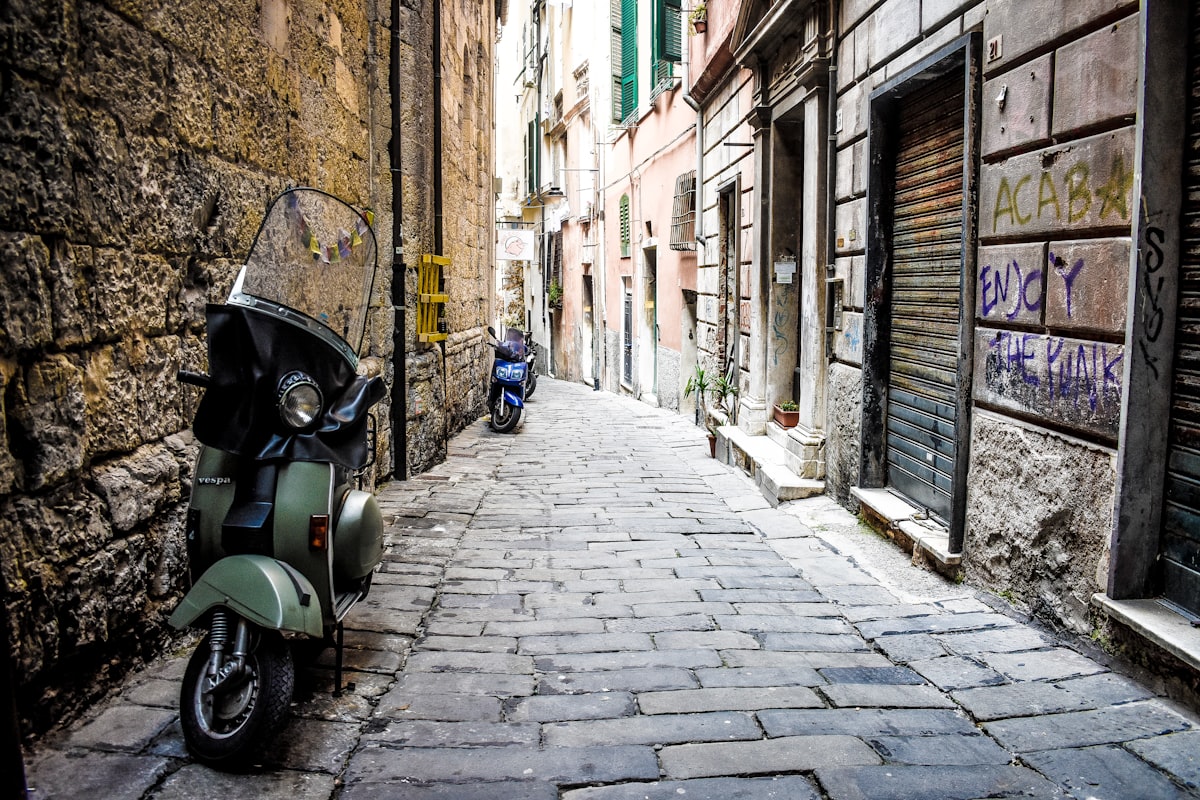
In Sour Mango: Use Destinations to compare neighbourhood profiles. AI Trip Planner can help you schedule flat viewings and neighbourhood walks during your first week so you don't waste time bouncing around aimlessly.
Coworking Spaces
Talent Garden Genova
The biggest name in Italian coworking, and Genoa's best-equipped space. Fast WiFi (150+ Mbps), meeting rooms, phone booths, regular community events, and a reliable espresso machine. Located near the Porto Antico area.
- Hot desk: €150-€200/month
- Dedicated desk: €200-€280/month
- Day pass: €25
Impact Hub Genova
Community-driven space with a social enterprise bent. Smaller than Talent Garden but warmer — you'll know everyone within a week. Good for freelancers who want a sense of belonging, not just a desk.
- Hot desk: €100-€130/month
- Day pass: €15
Warehouse Coworking Genova
A converted warehouse space in the port area with exposed brick and high ceilings. Industrial aesthetic, open floor plan, decent coffee from a local roaster. Popular with creatives, designers, and startup types. The acoustics can be rough during busy hours — bring noise-cancelling headphones.
- Hot desk: €90-€120/month
- Dedicated desk: €150-€180/month
- Day pass: €12
Binario Hub
Near Genova Brignole station. Smaller space, but well-maintained with good natural light and a friendly community manager who actually remembers your name. Occasional startup pitch nights and skill-sharing sessions.
- Hot desk: €80-€110/month
- Day pass: €10
MOG (Mercato Orientale Genova) — Upper Floor
Not technically a coworking space, but the renovated upper floor of Genoa's historic Mercato Orientale functions as one. Grab a table, connect to the WiFi (variable quality — test it), and eat your way through lunch downstairs at the market. A brilliant option for days when you want atmosphere over infrastructure.
- Cost: Free (buy a coffee)
- WiFi: 20-40 Mbps — not for heavy video calls
In Sour Mango: Use WiFi Speed Test at each space before committing to a monthly plan. Save your results — you'll thank yourself when you need to jump to a backup location.
Work-Friendly Cafes
Not every cafe in Genoa welcomes laptops. Italians traditionally drink espresso standing at the bar in 90 seconds. But the culture is shifting, especially in the centre. Here are spots where you can work for a few hours without getting side-eyed.
- Tazze Pazze (Via Colombo) — Specialty coffee, reliable WiFi (~30 Mbps), plenty of seating. The closest thing Genoa has to a "nomad cafe." Flat white €3.
- Manena Hostel & Cafe (Via di San Bernardo, Centro Storico) — Laptop-friendly hostel cafe in the heart of the old town. Decent WiFi, good vibes, cheap lunch. Americano €2.
- Cambi Cafe (Piazza della Vittoria) — Spacious, modern, strong WiFi. Good for longer sessions. Cappuccino €2.50.
- Libreria Feltrinelli (Via Ceccardi) — The bookshop cafe is quiet, air-conditioned, and nobody bothers you. WiFi is fine for writing but not for calls. Espresso €1.50.
- Mentelocale Cafe (Porto Antico) — Waterfront location, outdoor seating, decent speeds. Gets busy at lunch. Aperitivo €6-€8.
- Mescite Wine Bar (Via di Sottoripa) — More of an afternoon/evening spot, but the WiFi works and the natural wine selection is outstanding. Glass of Pigato €5.
In Sour Mango: After speed-testing each cafe with WiFi Speed Test, save your favourites. Use Offline Translation to order confidently — not every barista in Genoa speaks English, and attempting Italian goes a long way.
The Food
This is Liguria. The food is not just good — it's foundational. Genovese cuisine is one of Italy's great regional traditions, built on basil, olive oil, pine nuts, fresh seafood, and vegetables. Eating here is not an expense; it's the primary reason to be here.
The Essentials
- Pesto alla Genovese — The original. Made with Genovese basil (DOP), pine nuts, garlic, Parmigiano Reggiano, Pecorino, and Ligurian olive oil. Served on trofie (short twisted pasta) or trenette (flat ribbons). A plate at a trattoria costs €9-€13. Do not compare this to the jar in your cupboard at home. It's a different substance.
- Focaccia di Recco — Paper-thin, crispy flatbread filled with molten stracchino cheese. Technically from the nearby town of Recco, but served all over Genoa. One of the great Italian street foods. €3-€6 for a generous portion. Try it at Focacceria di Recco or Manuelina (if you take the train to Recco itself).
- Farinata — A chickpea-flour flatbread baked in a wood-fired oven until crispy on top and creamy underneath. Simple, ancient, perfect. €2-€4 a slice. Best from Sa Pesta on Via dei Giustiniani — they've been making it since 1873.
- Trofie al pesto — The definitive Genovese pasta dish. Hand-rolled trofie with pesto, potatoes, and green beans. Yes, potatoes and green beans in the pasta. Trust the Genovese. €9-€12.
- Pansotti in salsa di noci — Triangular pasta stuffed with a mix of wild herbs and ricotta, served in a rich walnut cream sauce. Richer and more complex than you'd expect. €10-€14.
- Cappon magro — An elaborate cold seafood and vegetable salad layered on hardtack. A traditional Ligurian celebration dish. Harder to find, but worth seeking out. €14-€20.
- Fritto misto di pesce — Mixed fried seafood straight from the Ligurian Sea. Calamari, anchovies, shrimp, whatever came in that morning. Light batter, lemon, done. €10-€16.
- Cima alla Genovese — A cold veal breast stuffed with eggs, vegetables, and herbs, sliced thin and served as an appetiser. An old-school Genovese dish that you won't find outside Liguria. €8-€12.
- Gelato — Better and cheaper than almost anywhere else. A two-scoop cone runs €2.50-€3.50. Gelateria Profumo near Piazza De Ferrari is a local favourite. Gelateria Amedeo in Boccadasse is worth the walk.
Where to Eat
- Trattoria della Raibetta (Piazza della Raibetta) — Classic Genovese trattoria. Trofie al pesto here is textbook. Lunch for €15-€20.
- Sa Pesta (Via dei Giustiniani) — The farinata benchmark. Cash only. Absolutely packed at lunch. €5-€8.
- Il Genovese (Via di San Bernardo) — Unpretentious, local, excellent daily specials. Primi from €8.
- Trattoria Rosmarino (Via del Campo) — Fresh pasta, fair prices, a neighbourhood crowd. €12-€18 for a full meal.
- Osteria di Vico Palla (Vico Palla) — Near the port. Seafood-focused, honest cooking. Fritto misto €13.
- Le Rune (Salita Sant'Anna) — Slightly more upscale, creative takes on Ligurian classics. €20-€30 per person.
In Sour Mango: Open Local Food for a curated guide to Genovese dishes and where to find them. Price Checker helps you verify if that tourist-facing trattoria near the Acquario is charging fair prices or ripping you off.
Transport
Genoa is a long, narrow city squeezed between the Ligurian Sea and the Apennine mountains. It stretches about 30km along the coast but is only a few kilometres deep. This shape means public transport is essential — you can't walk the whole city.
- AMT buses and metro: The metro is a single line (8 stops) running east-west. Buses fill in the gaps. A monthly pass costs €37 and covers everything. Buy it at any tabaccheria.
- Funiculars and elevators: Genoa has two funicular railways (Zecca-Righi and Sant'Anna) and several public elevators. These aren't tourist attractions — they're how people get up the hills. All covered by your AMT pass.
- Trenitalia regional trains: This is where Genoa shines as a base. Cinque Terre: 1.5 hours, €8-€12. Camogli: 25 minutes, €3. Santa Margherita/Portofino: 40 minutes, €4. Milan: 1.5 hours on Frecciabianca, €15-€25. Nice: 3.5 hours, €15-€30. Turin: 1.5-2 hours, €12-€20.
- Airport: Genoa Cristoforo Colombo Airport (GOA) is small with limited international routes. For better connections, fly via Milan Malpensa (2 hours by train/bus) or Milan Linate. Budget airlines like Ryanair serve both.
- Bike/scooter sharing: Genoa has a bike-sharing scheme, but the hills make cycling painful outside the waterfront. Electric scooters (Lime, Tier) are available and fine for the flat coastal stretches.
- Ferries: In summer, Servizio Marittimo del Tigullio runs ferries from Porto Antico to Camogli, San Fruttuoso, and Portofino. Scenic and practical — €10-€18 one way.
- Walking: Centro Storico is best explored on foot. Wear decent shoes — the slate-paved caruggi are beautiful but slippery when wet.
In Sour Mango: Use AI Trip Planner to build weekend itineraries — the Ligurian coast is absurdly well-connected by train and you should take full advantage. Share Location keeps your travel companions updated when you're hopping between towns.
Healthcare
Italy has a universal healthcare system (Servizio Sanitario Nazionale / SSN). How you access it depends on your status.
- Tourist/short-stay (<90 days): You're relying on your travel health insurance. The European Health Insurance Card (EHIC/GHIC) works for EU citizens. Emergency rooms (Pronto Soccorso) will treat anyone regardless, but waits can be brutal — 4-8 hours for non-emergencies is normal.
- Digital nomad visa holders: You're required to have private health insurance as a visa condition. Some nomad visa holders eventually register with the SSN (€388/year for voluntary enrollment), which gives you access to a local GP (medico di base) and the full public system.
- Pharmacies: Well-stocked and staffed by trained pharmacists who can advise on minor ailments. Look for the green cross sign. Farmacia Pescetto near Piazza De Ferrari is a central option.
- Main hospital: Ospedale Policlinico San Martino — one of the largest hospitals in Europe. Quality of care is good; administrative efficiency is... Italian.
- Dentists: Private dental care is affordable by Western European standards. A cleaning runs €60-€80. English-speaking dentists exist but you'll need to search.
- Mental health: Finding an English-speaking therapist in Genoa is difficult. Online therapy platforms (BetterHelp, etc.) are your best bet.
In Sour Mango: Store your insurance details, vaccination records, and emergency contacts in Nomad Essentials so everything is accessible offline if you need it in a hurry.
The Community
Let's be honest: Genoa is not Bali. There's no built-in nomad social scene with sunset coworking sessions and networking brunches. The nomad community here is small, early-stage, and self-selecting — you'll find thoughtful, independent people who chose Genoa precisely because it's not on every "top 10 nomad cities" list.
- Talent Garden events — Regular meetups, talks, and workshops. The best structured networking in the city.
- University of Genoa international crowd — 40,000+ students, including a solid international contingent. The areas around Via Balbi and Piazza Sarzano have a young, social energy.
- Expat groups — InterNations Genova, Genova Expats on Facebook. Small but active.
- Language exchanges — Tandem meetups at bars in Centro Storico. Great way to practise Italian and meet locals.
- Sailing and outdoor sports — Genoa is a serious sailing city (it hosts boat shows and regattas). Joining a sailing club or a hiking group on the Ligurian trails is one of the best ways to build a social life outside the laptop.
- Day trips as social glue — Organize group trips to Cinque Terre, Portofino, or the thermal baths in pre-Apennine villages. Shared travel bonds people fast.
- Aperitivo culture — The evening aperitivo (a drink plus complimentary snacks, €6-€10) is a social institution in Genoa. Join the locals at bars along Via San Lorenzo or in Piazza delle Erbe. This is how you meet people here — not through apps, but over a Negroni and a plate of olives.
- Volunteering — Genoa has active environmental and cultural volunteer groups. Cleaning up the port area, restoring historical sites, or helping at local food banks are ways to embed in the community beyond the nomad bubble.
In Sour Mango: Mates connects you with other nomads in Genoa and along the Ligurian coast. Create a Tribe for your Genoa crew — coordinate coworking days, weekend hikes, and aperitivo runs. This feature matters more in a smaller city where you can't just stumble into a nomad community.
Seasons and When to Come
- Best months: April-June and September-October. Warm but not sweltering, fewer tourists than the Amalfi or Cinque Terre crowds, perfect for coastal walks and outdoor aperitivo.
- Summer (July-August): Hot (28-32°C), humid, and the city empties as Italians head to their beach houses. Some local restaurants close for ferie (summer holidays). The coast is gorgeous but crowded on weekends.
- Winter (November-February): Grey, rainy, 8-12°C. Not miserable, but not glamorous. The upside: you get the city almost to yourself, and the Christmas markets around Piazza De Ferrari are genuinely lovely.
- Spring: Wisteria blooms in the caruggi. The hills behind the city turn green. This is peak Genoa.
The Downsides — Be Honest With Yourself
Genoa is not for everyone. Here's what might frustrate you.
- Small nomad community: You might be one of a handful of remote workers in the entire city. If you need a buzzing coworking scene and nomad meetups every night, go to Lisbon. Genoa rewards self-starters and people comfortable building their own social life.
- Limited English: This is not the Netherlands. Many Genovese — especially older residents, shop owners, and bureaucrats — speak little to no English. Basic Italian is not optional here; it's essential for daily life. Sour Mango's Offline Translation with Italian will get you through emergencies, but invest in actual language learning.
- Italian bureaucracy: Legendary for a reason. Getting a codice fiscale (tax code), signing a rental contract, setting up utilities, dealing with the questura (immigration office) — every administrative task takes 2-3x longer than you expect. Bring patience and paper copies of everything.
- Fewer coworking options: Compared to Lisbon, Berlin, or Barcelona, the coworking landscape is thin. If your first choice is full or closes, your backup options are limited.
- Grey winters: November through February brings rain, grey skies, and chilly winds off the sea. It's not Scandinavia-dark, but it's a far cry from the summer Riviera postcard. Average winter temps: 8-12°C.
- Centro Storico at night: Parts of the old town feel sketchy after dark — poorly lit alleys, occasional petty crime. Use common sense and stick to busier streets late at night.
- Not a "scene" city: Genoa doesn't have the nightlife of Milan or the cultural programming of Rome. Entertainment options are more modest. You'll need to be proactive about filling your evenings.
- Apartment hunting is old-school: Forget Zillow-style platforms. Most Genovese landlords list on Idealista, Immobiliare.it, or Subito.it — often in Italian only. Many still prefer in-person viewings and handshake agreements. Patience and basic Italian are prerequisites.
The Bottom Line
Genoa is for the nomad who wants authentic Italian life — the food, the coast, the medieval architecture, the slower rhythm — without the tourist premiums of Rome, Florence, or Milan. It's the place where you eat better pesto for €9 than most people eat in their entire lives, where your apartment looks out over a harbour that's been active since the Roman Republic, and where a weekend trip to Cinque Terre costs less than a Friday night in Shoreditch.
The 2024 digital nomad visa makes it legal. The cost of living makes it sustainable. The Ligurian coast makes it beautiful. The food makes it unforgettable.
It's not polished. The nomad community is tiny. The bureaucracy will test you. English will fail you. But Genoa doesn't pretend to be anything it's not — and for the right person, that honesty is the whole point.
You're not here to be comfortable. You're here to live well. And if you play it right, Genoa might just become the place you stop looking for the next destination.
Track your Italian visa deadlines, discover the best farinata in Centro Storico, plan your Cinque Terre weekends, and find your people along the Ligurian coast — download Sour Mango and make Genoa your base.
Travel smarter with Sour Mango
Visa tracking, AI trip planner, WiFi speed tests, and a global nomad community — all in one free app.
Explore more guides
Browse all city guides →