
Ho Chi Minh City — The $900/Month Megacity
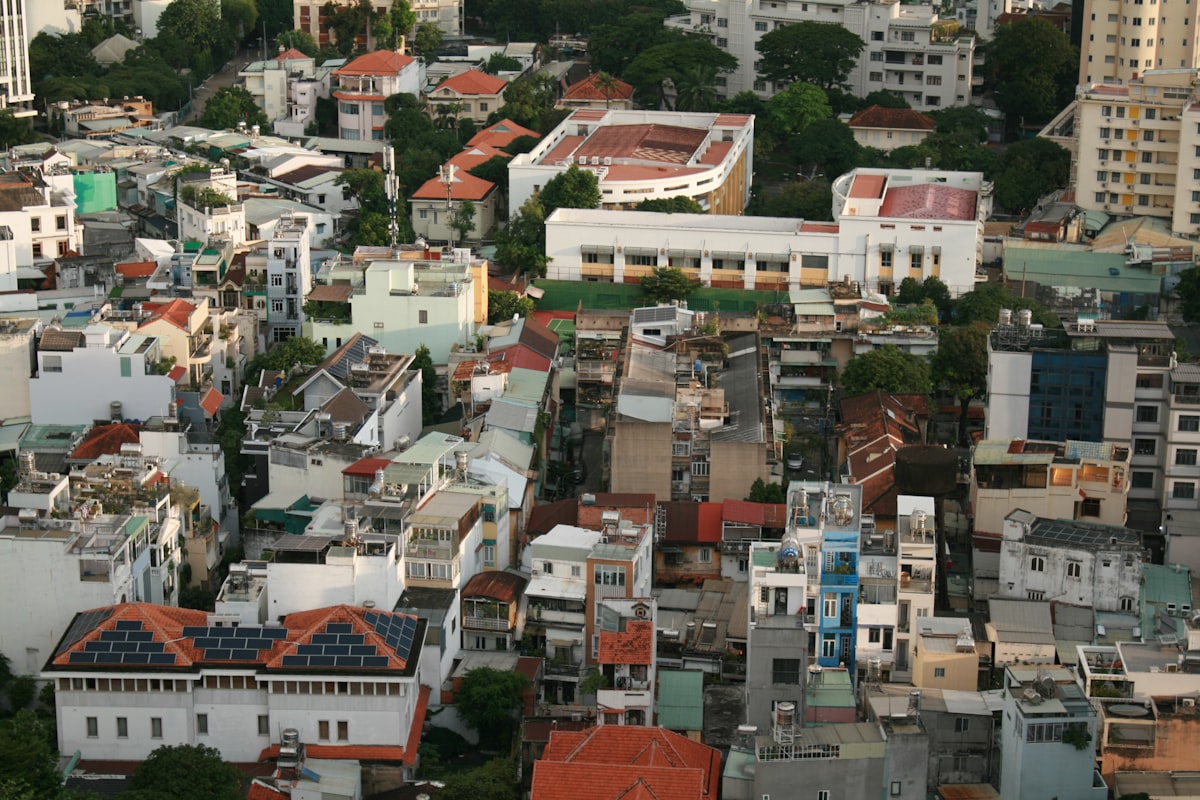
Ho Chi Minh City — still called Saigon by literally everyone who lives there — is Vietnam's electric, chaotic, endlessly fascinating economic engine. It's a city of 10 million people, 8 million motorbikes, and some of the cheapest, most delicious food on the planet. The skyline is rising fast, the cafe culture is world-class, and the energy is relentless.
For budget-conscious digital nomads, HCMC is nearly impossible to beat. You can live well on $900-$1,100/month in a genuine megacity with fibre internet, incredible street food, and a growing nomad community. Bump that to $1,800 and you're living comfortably by anyone's standards — serviced apartment, coworking membership, eating out every meal, weekend trips to the Mekong Delta.
This is not a sanitised tourist destination. Saigon is raw, loud, humid, and alive. That's exactly why people fall in love with it.
Quick Start: Your First Week in Saigon
Don't try to figure everything out before you land. Here's the playbook:
Day 1-2: Get settled. Fly into Tan Son Nhat (SGN), Grab to your Airbnb or hotel in District 1 or Thao Dien (District 2/Thu Duc). Buy a Viettel or Mobifone SIM at the airport — 60GB data for 100,000-150,000 VND ($4-$6). Download Grab (your lifeline). Walk around your neighbourhood, eat pho for breakfast, get your bearings.
Day 3-4: Find your work rhythm. Hit a coworking space for a day pass — Dreamplex on Ton Duc Thang or CirCO on Nguyen Thi Minh Khai are both solid starting points. Alternatively, post up at The Workshop on Le Loi for specialty coffee and fast WiFi. Use the WiFi Speed Test in Sour Mango to verify speeds before committing to a spot.
Day 5-6: Explore neighbourhoods. Grab bike to Binh Thanh, walk the alleys of District 3, explore the cafes of Thao Dien. You're deciding where to live — the vibe varies wildly between districts. Check the Destinations feature in Sour Mango for neighbourhood breakdowns and nomad-rated scores.
Day 7: Lock in your base. Sign a monthly apartment lease (most places want 1-2 months deposit), get a coworking membership, and set your routine. Use Sour Mango's AI Trip Planner to map out weekend trips for the coming weeks — Cu Chi Tunnels, Mekong Delta, Vung Tau beach.
The Internet Situation
Vietnam's internet is genuinely fast, and it keeps getting better. This is not a place where you'll struggle with Zoom calls.
- Apartments: 80-200 Mbps fibre (Viettel, VNPT, FPT). Most serviced apartments include WiFi in the rent. Upload speeds typically 40-80 Mbps
- Coworking spaces: 100-300 Mbps with backup connections. Dreamplex consistently hits 150+ Mbps
- Cafes: 20-80 Mbps. Highly variable — some cafes have excellent connections, others are barely usable
- Mobile data: Viettel 4G/5G SIM with 60-90GB: 100,000-200,000 VND ($4-$8/month). 5G coverage expanding rapidly in Districts 1, 2, and 7
The catch: Submarine cable cuts happen once or twice a year, routing international traffic through slower paths. When this happens, VPN to Singapore or Japan helps. Keep a backup mobile hotspot ready.
In Sour Mango: The WiFi Speed Test is essential here. Run it at every new cafe before you commit to a work session. Crowd-sourced speed data from other nomads means you'll know which spots actually deliver before you order that ca phe sua da.
Visa Options for Vietnam
Vietnam's visa situation has improved dramatically. Here's what matters for nomads:
E-Visa (90 days)
The go-to option. Apply online at evisa.xuatnhapcanh.gov.vn, costs $25 USD, takes 3 business days to process. Single-entry, but you can apply for a new one before expiry. Valid for citizens of most countries. This is what 90% of nomads use.
Visa-Free Entry (up to 45 days)
Citizens of the UK, France, Germany, Italy, Spain, Japan, South Korea, and several other countries can enter visa-free for up to 45 days. Good for a test run, but too short for a proper stay.
Digital Nomad Visa / Business Visa
Vietnam doesn't have an official digital nomad visa yet (as of early 2026), but the 90-day e-visa with extensions through local agencies is the practical workaround. Some nomads use a 3-month business visa arranged through a Vietnamese sponsor — costs around $150-$250 through an agency. Talk to Vietnam Visa Pro or similar services for current options.
Visa Runs
The classic border run is still alive. Quick flight to Bangkok or Phnom Penh, apply for a fresh e-visa, fly back. Budget $150-$250 for the trip. Many nomads time these with weekend getaways.
In Sour Mango: Visa Requirements gives you the exact rules for your passport. Visa Tracking sends reminders before your 90 days are up — critical because overstaying in Vietnam carries fines of 500,000-800,000 VND per day ($20-$32) and potential entry bans.
Cost of Living — Real Numbers
Saigon is cheap, but the "live on $500/month" posts are misleading. Here are honest budgets for 2026:
Budget Nomad (~$900-$1,100/month)
| Category | Monthly Cost (VND) | Monthly Cost (USD) |
|----------|-------------------|-------------------|
| Rent (studio, Binh Thanh/Phu Nhuan) | 5,000,000-8,000,000 | $200-$320 |
| Coworking (hot desk) | 1,000,000-1,750,000 | $40-$70 |
| Food (mostly street food + local restaurants) | 4,000,000-5,500,000 | $160-$220 |
| Transport (Grab motorbike) | 750,000-1,250,000 | $30-$50 |
| Phone + data | 150,000-250,000 | $6-$10 |
| Entertainment + socialising | 2,000,000-3,000,000 | $80-$120 |
| Health insurance | 1,500,000-2,000,000 | $60-$80 |
| Laundry + misc | 500,000-750,000 | $20-$30 |
| Total | | $596-$900 |
Realistically, once you add the occasional splurge, visa costs amortised monthly, and the "Saigon tax" of going out more than you planned, expect $900-$1,100.
Comfortable Nomad (~$1,800/month)
| Category | Monthly Cost (VND) | Monthly Cost (USD) |
|----------|-------------------|-------------------|
| Rent (1BR, serviced, D1/D2/D7) | 10,000,000-17,500,000 | $400-$700 |
| Coworking (dedicated desk) | 2,500,000-3,500,000 | $100-$140 |
| Food (mix of local + international) | 6,000,000-8,500,000 | $240-$340 |
| Transport (Grab car + occasional rental) | 1,500,000-2,500,000 | $60-$100 |
| Gym membership | 750,000-1,500,000 | $30-$60 |
| Entertainment | 4,000,000-6,000,000 | $160-$240 |
| Health insurance | 1,500,000-2,000,000 | $60-$80 |
| Weekend trips | 2,000,000-3,000,000 | $80-$120 |
| Total | | $1,130-$1,780 |
In Sour Mango: The Currency Converter handles VND instantly — you'll use it dozens of times a day because the large numbers (25,000 VND = $1) are genuinely confusing at first. The Price Checker tells you if that 80,000 VND banh mi is tourist-priced or legit.
Best Neighbourhoods for Nomads
District 1 — The Centre
The beating heart of Saigon. Notre-Dame Cathedral, Ben Thanh Market, Nguyen Hue Walking Street, the best rooftop bars, and the densest concentration of coworking spaces. This is where most nomads start.
Rent: 8,000,000-17,500,000 VND ($320-$700/month) for a studio or 1BR
Vibe: Urban, busy, walkable (by Saigon standards), international restaurants everywhere
Best for: Short-stay nomads, first-timers, people who want everything within Grab distance
Downsides: Noisier, more touristy around Bui Vien and Pham Ngu Lao backpacker area. Traffic around Ben Thanh is brutal at rush hour
Look for apartments on Hai Ba Trung, Ly Tu Trong, or the quieter streets behind the Opera House. Avoid anything directly on Bui Vien unless you enjoy bass at 2am.
District 2 / Thu Duc (Thao Dien)
The established expat hub, across the river via the Thu Thiem Bridge or Saigon Bridge. Tree-lined streets, international schools, brunch spots, and a distinctly calmer energy than D1. Thao Dien specifically feels like a village within the city.
Rent: 7,500,000-15,000,000 VND ($300-$600/month)
Vibe: Relaxed, green, family-friendly, strong expat community
Best for: Long-term nomads, people with kids, anyone who wants quiet evenings
Downsides: Can feel like an expat bubble. Commuting to D1 takes 20-40 minutes depending on traffic. Some say it lacks Saigon's authentic energy
Xuan Thuy and Thao Dien streets are the main arteries. The area around Thao Dien Pearl and Estella Heights has excellent apartment options.
District 3 — The Local Favourite
District 3 is where Saigon residents themselves love to hang out. Excellent street food, authentic neighbourhood feel, gorgeous tree-lined boulevards, and walking distance to D1. This is the sweet spot for nomads who want real Saigon without the D1 price tag.
Rent: 5,500,000-10,000,000 VND ($220-$400/month)
Vibe: Residential, hip, lots of indie cafes and local eateries, genuine Vietnamese neighbourhood
Best for: Nomads who want authenticity, food lovers, budget-conscious but not isolated
Downsides: Fewer coworking options (though CirCO has a D3 location). Less English spoken in shops and restaurants
The area around Vo Van Tan and Nam Ky Khoi Nghia has a growing cafe scene. Le Van Sy near the D3/Phu Nhuan border is excellent value.
District 7 (Phu My Hung)
Saigon's planned district — wide boulevards, parks, Korean and Japanese restaurants, modern high-rises. It feels like a different city compared to D1 or D3. Popular with Korean and Japanese expats, growing nomad presence.
Rent: 6,000,000-12,500,000 VND ($240-$500/month)
Vibe: Modern, clean, spacious, international but not backpacker-international
Best for: People who want order in the chaos, gym-goers, anyone allergic to motorbike noise
Downsides: Sterile compared to central Saigon. Far from D1 (30-45 minutes). Can feel suburban
Binh Thanh — The Budget Pick
Sandwiched between D1 and Thu Duc, Binh Thanh is where budget nomads get the best value. The Landmark 81 tower is here (tallest building in Vietnam), along with excellent local food, a growing cafe scene, and rents that are 30-40% lower than D1.
Rent: 4,500,000-8,000,000 VND ($180-$320/month)
Vibe: Local, bustling, rapidly developing, good mix of old Saigon and new construction
Best for: Budget nomads who don't want to sacrifice location, local food enthusiasts
Downsides: Flooding during heavy rain season (especially around Xo Viet Nghe Tinh). Less polished, fewer English-speaking services
The streets around Vinhomes Central Park and along Dien Bien Phu are the most popular with nomads.
In Sour Mango: Use Destinations to compare neighbourhood ratings from other nomads. The Share Location feature lets your Sour Mango contacts know which district you're based in — useful for spontaneous meetups.
Coworking Spaces
Dreamplex
HCMC's flagship coworking brand and it's earned the reputation. Beautiful design, strong community, reliable internet (150+ Mbps), free coffee, and regular events. Multiple locations across the city.
- Dreamplex Ton Duc Thang (D1): The original. River views, 5 floors, rooftop area. Hot desk: 1,500,000 VND/month ($60). Dedicated desk: 3,000,000 VND/month ($120). Day pass: 250,000 VND ($10)
- Dreamplex Dien Bien Phu (Binh Thanh): Newer, less crowded, excellent for focused work. Same pricing
- Dreamplex Le Thanh Ton (D1): Smaller but central. Good for meetings
CirCO Coworking
Professional, well-managed spaces with a more corporate feel. Popular with freelancers and small remote teams.
- CirCO Nguyen Thi Minh Khai (D1): Hot desk: 1,250,000 VND/month ($50). Dedicated desk: 2,000,000 VND/month ($80). Day pass: 200,000 VND ($8)
- CirCO D3: Quieter location, same quality. Slightly cheaper at 1,100,000 VND/month ($44) for hot desk
The Hive Saigon (D1)
Part of the regional chain, located on Nguyen Hue Walking Street. Great location, decent community, slightly more expensive. Hot desk: 2,000,000 VND/month ($80). Dedicated desk: 3,500,000 VND/month ($140).
Toong (Multiple locations)
Vietnamese-owned chain with stylish spaces. Locations in D1, D7, and Thu Duc. Hot desk: 1,400,000-1,800,000 VND/month ($56-$72). Good balance of price and quality.
KAFNU Saigon (D1)
Premium coworking and coliving concept on Ngo Duc Ke. Higher-end, with podcast studios, event spaces, and a rooftop. Hot desk: 2,500,000 VND/month ($100). Worth it if you need production facilities.
In Sour Mango: The WiFi Speed Test logs speeds at each coworking space you visit. After a week of testing, you'll have real data to choose your long-term spot. Check Nomad Essentials for gear recommendations — a good pair of noise-cancelling headphones is non-negotiable in Saigon.
Work-Friendly Cafes
When you need a change of scenery from coworking, Saigon's cafe game is extraordinary. Vietnamese coffee culture runs deep, and many cafes actively welcome laptop workers.
The Workshop (D1)
26 Le Loi, District 1. The gold standard for nomad cafes in Saigon. Third-floor loft space, specialty coffee, fast WiFi (50-70 Mbps), plenty of power outlets, and a crowd that's 60% laptops on any given day. Ca phe sua da: 65,000 VND ($2.60). Gets crowded after 10am — arrive early.
Oromia Coffee (D3)
193C3 Nam Ky Khoi Nghia, District 3. Single-origin Vietnamese beans, quiet atmosphere, strong WiFi (40-60 Mbps), and the kind of staff who won't give you the stink-eye for staying 4 hours. Pour-over: 55,000 VND ($2.20). One of the best work cafes outside D1.
The Loft Cafe (Binh Thanh)
26 Ly Chinh Thang, Ward 8. Industrial-chic space, good WiFi, excellent smoothies, and a dedicated quiet zone upstairs. Coconut coffee: 45,000 VND ($1.80). Popular with local freelancers.
Shin Coffee (D1)
13 Nguyen Thiep, District 1. Multiple floors including a rooftop with views of Nguyen Hue. Good WiFi (30-50 Mbps), reasonable prices for the location. Egg coffee: 45,000 VND ($1.80). Touristy but genuinely good.
%Arabica (D1)
Inside Takashimaya, Nguyen Hue. The Japanese chain's Saigon outpost. Excellent coffee, fast WiFi, air-conditioned (matters more than you think). Latte: 75,000 VND ($3). Good for a focused afternoon session.
Phuc Long (everywhere)
Vietnam's answer to Starbucks, and honestly better. Locations every few blocks. Reliable WiFi (20-40 Mbps), AC, cheap drinks. Peach tea: 35,000 VND ($1.40). Not glamorous, but dependable.
L'Usine (D1)
151/1 Dong Khoi, District 1. Part cafe, part concept store. Beautiful French-colonial space, strong WiFi, excellent pastries. Flat white: 80,000 VND ($3.20). Premium pricing but a premium experience.
In Sour Mango: Save your favourite work cafes in the Destinations feature with notes on WiFi speed, outlet availability, and best times to visit. The Offline Translation feature helps when ordering at local cafes where the menu is Vietnamese-only.
The Food — Saigon's Greatest Asset
Let's be honest: the food is half the reason people come to Saigon. Southern Vietnamese cuisine is distinct from the north — sweeter, more herbs, more coconut milk, more influenced by Chinese, Khmer, and French cooking. Here's what to eat and where to eat it.
The Essential Dishes
Pho (Pho Bo / Pho Ga) — Vietnam's iconic noodle soup. The Saigon version is slightly sweeter than Hanoi's, served with a massive plate of fresh herbs, bean sprouts, and chili. Eat it for breakfast like a local. 25,000-50,000 VND ($1-$2). Go to Pho Le on Nam Ky Khoi Nghia (D3) — no-frills, incredible broth, been open for decades.
Banh Mi — The world's greatest sandwich and it costs less than a dollar. Crusty baguette (French colonial legacy), pate, cold cuts, pickled daikon and carrot, cilantro, chili, and a smear of something magical. 15,000-30,000 VND ($0.60-$1.20). Banh Mi Huynh Hoa at 26 Le Thi Rieng (D1) has the most famous banh mi in the city — expect a queue, worth it. For a quieter option, Banh Mi Bay Ho on Huynh Khuong Ninh is excellent.
Com Tam (Broken Rice) — Saigon's lunch staple. Broken rice topped with a grilled pork chop (suon nuong), shredded pork skin (bi), steamed egg cake (cha trung), and fish sauce. Deeply satisfying. 30,000-50,000 VND ($1.20-$2). Com Tam Ba Ghien on Dang Van Ngu (Phu Nhuan) serves one of the city's best plates.
Bun Bo Hue — Technically from Hue in central Vietnam, but Saigon does it justice. Spicy, lemongrass-heavy beef noodle soup with thick round noodles, pork knuckle, and congealed blood (skip that part if you want). More complex than pho. 35,000-55,000 VND ($1.40-$2.20). Bun Bo Hue 3A3 on Nguyen Dinh Chieu (D3) is the locals' pick.
Bun Thit Nuong — Vermicelli noodles served cold with grilled pork, fresh herbs, crushed peanuts, pickled vegetables, and nuoc cham (fish sauce dressing). Perfect for Saigon's heat because it's served at room temperature. 35,000-50,000 VND ($1.40-$2).
Goi Cuon (Fresh Spring Rolls) — Rice paper wrapped around shrimp, pork, vermicelli, lettuce, and fresh herbs. Dipped in peanut hoisin sauce. Light, fresh, and dangerously addictive. 5,000-8,000 VND each ($0.20-$0.32). Available everywhere, but Quan An Ngon at 138 Nam Ky Khoi Nghia (D1) does a beautiful spread.
Bo Kho (Vietnamese Beef Stew) — Slow-braised beef in a star anise and lemongrass broth, served with bread or noodles. Comfort food at its finest. 40,000-60,000 VND ($1.60-$2.40).
Hu Tieu (Southern Noodle Soup) — Saigon's own noodle soup, lighter than pho, with pork, shrimp, and a clear broth. Can be served dry (kho) or in soup. 30,000-45,000 VND ($1.20-$1.80). Try it at Hu Tieu Nam Vang Thanh Xuan on Ton That Thiep (D1).
Ca Phe Sua Da — The Fuel of Saigon
Vietnamese iced coffee with condensed milk deserves its own section. Dark-roasted robusta, dripped through a phin filter directly over sweetened condensed milk, poured over ice. It's thick, sweet, intensely caffeinated, and absolutely addictive. 15,000-30,000 VND ($0.60-$1.20) at local shops. Every street corner has a ca phe, and they're almost all good.
Street Food Strategy
Saigon's best food is on the street and in the alleys. A few rules:
- Follow the crowds. If a stall has 30 plastic stools occupied at 7am, that's your breakfast spot
- Eat during peak hours. Street food is freshest when turnover is highest — breakfast (6-8am), lunch (11am-1pm), dinner (5-7pm)
- Point and nod. Language barrier? Point at what someone else is eating, hold up fingers for quantity, smile
- Carry small bills. Street vendors rarely break 500,000 VND notes. Keep 10,000-50,000 VND notes handy
In Sour Mango: The Local Food guide for HCMC includes nomad-rated dishes and specific stall locations. Price Checker tells you whether that tourist-area pho at 80,000 VND is a ripoff (it is — should be 35,000-50,000). Use Offline Translation to read Vietnamese menus and communicate dietary restrictions.
Getting Around
Saigon traffic is legendary — and not in a good way. But the transport options are cheap and mostly effective.
Grab (Your Default)
Grab is Southeast Asia's Uber and it works flawlessly in Saigon. Two options:
- GrabBike: 15,000-40,000 VND ($0.60-$1.60) for most trips within the centre. Fast because motorbikes weave through traffic. This is how you'll get around 90% of the time
- GrabCar: 50,000-120,000 VND ($2-$4.80) for longer trips or when it's raining. Slower in traffic but air-conditioned
Xe Om (Motorbike Taxi)
Traditional motorbike taxis, identifiable by drivers sitting on their bikes waiting for passengers. Negotiate the price before you get on. Generally 20,000-50,000 VND for short trips. Being replaced by Grab but still common in alleys where Grab drivers won't go.
Motorbike Rental
The full Saigon experience. Rental: 1,200,000-2,000,000 VND/month ($48-$80) for an automatic Honda. You technically need an International Driving Permit with a motorcycle endorsement — enforcement is inconsistent but fines are 400,000-800,000 VND if stopped. Honest advice: Saigon traffic is genuinely dangerous for inexperienced riders. Practise in quiet District 7 streets before attempting D1 rush hour. Tigit Motorbikes on Bui Vien is a reputable rental shop.
City Buses
Surprisingly extensive network, and they're air-conditioned. 5,000-7,000 VND per ride ($0.20-$0.28). Routes 1, 2, and 45 cover the main tourist/nomad areas. Google Maps has accurate bus routing. Slow but incredibly cheap.
Metro (Line 1)
The Ben Thanh-Suoi Tien metro line opened in late 2024 — a game-changer for the D1 to Thu Duc corridor. Fares: 8,000-15,000 VND ($0.32-$0.60). More lines under construction. Limited coverage for now but excellent where it runs.
Airport Transfer
Tan Son Nhat International (SGN) is just 7km from D1. Grab: 80,000-150,000 VND ($3.20-$6) depending on time of day. Bus 109 to the centre: 20,000 VND ($0.80). Avoid the taxi touts inside the terminal — walk outside and book a Grab.
In Sour Mango: Save your regular routes in the app. The Currency Converter is a lifesaver when negotiating with xe om drivers who quote in VND. Share Location lets your Sour Mango contacts track your Grab rides for safety — especially useful late at night.
Healthcare
Vietnam's healthcare is a tale of two systems. Public hospitals are overcrowded and Vietnamese-language only. Private hospitals and clinics are excellent and affordable by Western standards.
Hospitals
- FV Hospital (District 7): The gold standard for expats and nomads. International staff, English-speaking, modern facilities. Consultation: 500,000-800,000 VND ($20-$32). ER visit: 1,000,000-2,000,000 VND ($40-$80)
- Vinmec Central Park (Binh Thanh): Part of the Vingroup chain. New facilities, good English support. Similar pricing to FV
- University Medical Centre (D5): Cheaper than private but expect longer waits and less English. Good doctors though
Dental
Saigon is a dental tourism destination for a reason. Cleaning: 300,000-500,000 VND ($12-$20). Filling: 500,000-1,500,000 VND ($20-$60). Rose Dental Clinic on Le Quy Don (D3) and Elite Dental in D1 are popular with expats.
Pharmacies
Pharmacies are everywhere and most medications are available over the counter without prescription (antibiotics, etc.). Prices are very low. Ibuprofen strip: 15,000 VND ($0.60). Long Chau and Pharmacity chains are reliable.
Health Insurance
Get international nomad insurance before you arrive — SafetyWing, World Nomads, or Genki are popular. Budget 1,500,000-2,500,000 VND/month ($60-$100). FV and Vinmec accept most international insurance for direct billing.
In Sour Mango: Nomad Essentials includes recommended health insurance providers with price comparisons and covers what to pack in a basic medical kit for Vietnam (rehydration salts, activated charcoal, and insect repellent are the top three).
The Nomad Community
Saigon has a large, active, and welcoming digital nomad community. You won't be lonely here.
Online Groups
- Saigon Digital Nomads (Facebook): 15,000+ members. Job postings, apartment recommendations, weekly meetup announcements
- HCMC Remote Workers (Telegram): More real-time chat, good for quick questions
- r/VietNam and r/digitalnomad: Useful for research before arrival
Regular Meetups
- Dreamplex Community Events: Weekly happy hours, monthly pitch nights, skill-share workshops. Free for members
- Saigon Nomad Meetup: Bi-weekly at various bars in D1. Check the Facebook group for dates
- Language Exchange at Phat Café: Thursday evenings, Vietnamese-English exchange. Great way to meet both locals and nomads
Day Trips and Weekends
- Cu Chi Tunnels: 1.5 hours from D1. Vietnam War tunnel network. Sobering and fascinating. ~300,000 VND ($12) with a tour
- Mekong Delta: 2 hours south. Floating markets, fruit orchards, river life. Full day tour: 400,000-800,000 VND ($16-$32)
- Vung Tau: 2 hours southeast. Beach town, seafood, weekend escape. Hydrofoil ferry from D1: 250,000 VND ($10)
- Da Lat: 5 hours north (or 1-hour flight). Mountain town, cool weather, incredible scenery. Perfect multi-day escape from the heat
- Mui Ne: 4 hours northeast. Sand dunes, kitesurfing, resort vibes
In Sour Mango: Mates connects you with other nomads in Saigon right now — filter by interests, skills, or home country. Tribes lets you join or create groups (Saigon Runners, HCMC Devs, Vegan Nomads Saigon, etc.). The AI Trip Planner builds weekend itineraries for Cu Chi, Mekong, and beyond — including transport options and budget estimates. Packing Lists ensures you have everything for weekend trips (rain gear from May-November is non-negotiable).
The Honest Downsides
Saigon is incredible, but let's be real about the challenges:
Traffic Chaos
Eight million motorbikes. Crossing the street requires walking slowly and steadily into oncoming traffic while they flow around you — do NOT stop or step backwards. Rush hours (7-9am, 5-7:30pm) turn main roads into parking lots. The noise is constant. You will get used to it, or you won't — there's no in-between.
Heat and Humidity
30-35°C (86-95°F) year-round. Humidity regularly hits 80-90%. You will be drenched in sweat within 10 minutes of walking outside. Dry season (December-April) is marginally more comfortable. Rainy season (May-November) brings daily afternoon downpours that last 30-60 minutes — intense but brief. Air conditioning is not optional, it's survival equipment.
Air Pollution
AQI regularly hits 100-150 (unhealthy for sensitive groups). Worse during morning and evening rush hours. Motorbike exhaust is the primary culprit. Many nomads wear masks when riding Grab bikes. If you have respiratory issues, this is a serious consideration.
Language Barrier
Vietnamese is a tonal language with six tones — it's genuinely one of the hardest languages for English speakers to learn. Outside tourist areas, English is limited. Restaurant menus may be Vietnamese-only. Delivery apps default to Vietnamese. You'll get by with pointing, Google Translate, and patience, but communication friction is real and daily.
Scams and Overcharging
Tourist areas in D1 have the usual Southeast Asian scams — inflated prices at Ben Thanh Market (always negotiate to 40-50% of asking), rigged taxi meters (use Grab instead), and shoe-shine hustlers. Minor annoyances, not dangerous, but tiring after a while.
Sensory Overload
Saigon is LOUD. Horns, construction, karaoke from the neighbour's living room at 7am on a Sunday. It's visually chaotic — wires tangled overhead, motorbikes on sidewalks, organised disorder everywhere. Some people thrive on this energy. Others burn out after 4-6 weeks. Know yourself.
In Sour Mango: Offline Translation works without internet — critical for moments when you're in an alley, the SIM signal is weak, and you need to tell a motorbike mechanic what's wrong with your rental. Download the Vietnamese language pack before you leave your apartment.
The Bottom Line
Ho Chi Minh City is the cheapest major city for digital nomads that still delivers world-class internet, extraordinary food, genuine urban energy, and a growing community. At $900-$1,100/month you're living well. At $1,800 you're living extremely well. The food alone — $1 pho, $0.60 banh mi, $0.80 ca phe sua da — justifies the trip.
It's chaotic, humid, loud, and occasionally overwhelming. The traffic is genuinely dangerous, the pollution is real, and the language barrier won't go away. But Saigon rewards the people who lean into its chaos rather than fight it. Wake up early, eat pho on a plastic stool, work from a beautiful cafe, explore a new alley for dinner, drink bia hoi on the sidewalk, and do it all again tomorrow.
This city is raw, alive, and absurdly affordable. If you can handle the heat — literal and figurative — Saigon delivers more per dollar than almost anywhere else on earth.
Plan your Saigon move with Sour Mango — track your Vietnam e-visa countdown, test WiFi at every cafe, convert VND on the fly, find nomad Mates across the city, and let the AI Trip Planner handle your Mekong Delta weekends. Everything a Saigon nomad needs, in one app.
Travel smarter with Sour Mango
Visa tracking, AI trip planner, WiFi speed tests, and a global nomad community — all in one free app.
Explore more guides
Browse all city guides →