
Kuala Lumpur — Southeast Asia's Most Underrated Nomad City
Kuala Lumpur rarely tops the digital nomad city rankings, and that's exactly why you should go. While everyone flocks to Bali, Bangkok, and Chiang Mai, KL quietly offers faster internet, better infrastructure, cheaper rent, and some of the best food on the planet — all in a genuinely modern metropolis that speaks English.
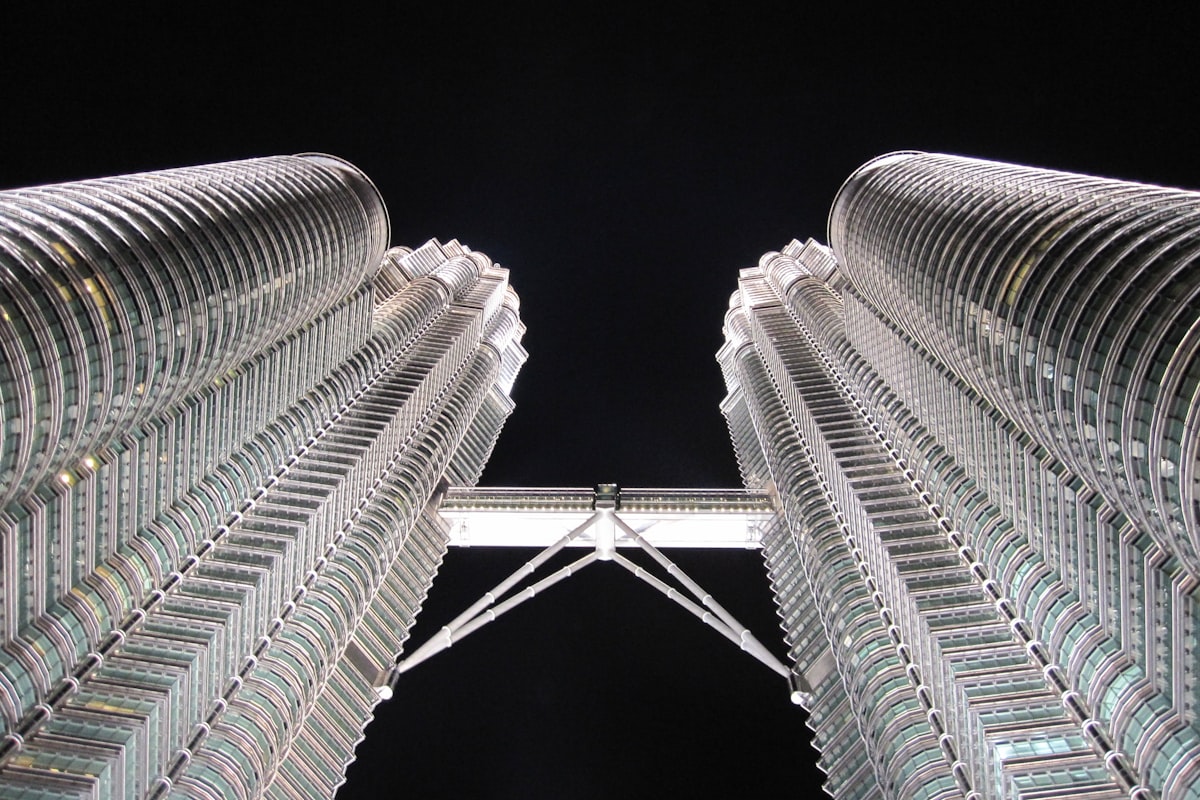
The Petronas Towers get all the Instagram attention, but the real story is the one-bedroom condo with infinity pool, gym, and 300 Mbps fibre that costs $500/month. KL is Southeast Asia's best-kept nomad secret, and it won't stay that way forever.
The Internet Situation
KL's internet is genuinely excellent — better than Bangkok, better than Bali, and on par with Seoul or Taipei. Malaysia invested heavily in fibre infrastructure, and it shows. Most condos come with TIME fibre or Unifi connections delivering 300-500 Mbps as standard. Some newer buildings offer gigabit.
Cafes are solid too. The big chains — VCR, Merchant's Lane, Pulp by Papa Palheta — reliably hit 50-100 Mbps. Smaller independent cafes can be hit or miss, but the floor is rarely below 20 Mbps.
Coworking spaces are the guaranteed option: Common Ground and WeWork both push 200-500 Mbps with ethernet backup available.
Mobile data is cheap and fast. Celcom, Maxis, and Digi all offer 5G in central KL. A prepaid SIM with 40GB of data costs RM30-50 ($7-$12/month) from any convenience store. Hotlink (Maxis) tends to have the best 5G coverage in the city centre.
Pro tip: Use the WiFi Speed Test in Sour Mango before committing to a cafe for the morning. KL's cafe scene is enormous, and connection speeds vary wildly even within the same neighbourhood. Your saved results build a personal map of the fastest spots — sort by download speed and you'll always know where to go.
Cost of Living: First-World City, Developing-World Prices
KL's cost of living sits in a sweet spot that's hard to find anywhere else: modern, clean, safe, air-conditioned everywhere, English-speaking — and still genuinely cheap. You're not roughing it here. You're living in a proper city with world-class infrastructure at a fraction of what it would cost in Singapore (45 minutes away by train).
Budget Nomad (~$900/month)
- Rent: $350-$500 — studio or one-bed condo with pool, gym, and security in Bukit Bintang, Bangsar, or Cheras. These are proper condos with infinity pools on the 30th floor
- Coworking: $70-$100 — monthly hot desk at Common Ground or WORQ
- Food: $200-$300 — hawker food for every meal. You'll eat like royalty
- Transport: $30-$50 — MRT/LRT/monorail plus occasional Grab rides
- Phone: $7-$12 — prepaid data SIM
- Fun: $100-$150 — drinks, weekend trips, cinema (RM15/$3.50 per ticket)
- Health insurance: $60-$80 — SafetyWing or local plan
Comfortable Nomad (~$1,600/month)
- Rent: $600-$800 — spacious one-bed in KLCC or Bangsar with skyline views and a rooftop infinity pool
- Coworking: $100-$180 — dedicated desk at Common Ground or WeWork
- Food: $350-$450 — mix of hawker food, hipster cafes, international restaurants
- Transport: $60-$100 — MRT plus regular Grab rides
- Phone: $12
- Fun: $250-$350 — rooftop bars, weekend trips to Cameron Highlands or Langkawi, craft cocktails
- Health insurance: $60-$80
The kicker: $500/month rent in KL gets you a condo that would cost $2,500 in Singapore or $3,500 in Sydney. The quality of accommodation per dollar is among the best in the world.
In Sour Mango: Open Kuala Lumpur in the Destinations tab for the full cost breakdown by budget level. The Currency Converter handles MYR-to-your-currency conversions instantly — tap any price in the app and see what it costs back home.
The Visa Situation
Malaysia has been actively courting digital nomads, and the visa situation is now one of the best in Southeast Asia.
DE Rantau Pass (Digital Nomad Visa)
Malaysia's dedicated digital nomad visa launched in 2022 and has been improving since:
- 12-month stay with option to renew
- Must earn at least $24,000/year from remote work
- Available to freelancers and remote employees
- Processing time: 2-4 weeks
- Fee: ~RM1,000 ($230)
- Dependents can be added
Alternatively:
- 90-day visa-free entry for most Western passports — generous enough for a solid trial run
- eNTRI visa for nationalities that don't get visa-free — cheap electronic visa for 15-30 days
- MM2H (Malaysia My Second Home) — longer-term option for those who want to settle, though requirements have tightened
The 90-day visa-free entry is the easiest way to test KL. If you love it (you will), apply for the DE Rantau from within Malaysia or from a neighbouring country.
In Sour Mango: Use Visa Requirements to check Malaysia's exact entry rules for your passport. If you apply for the DE Rantau, add it to Visa Tracking — the countdown timer and push notifications at 30, 10, 5, and 1 day before expiry keep you from accidentally overstaying.
Best Neighbourhoods for Nomads
KL is a sprawling city, but the neighbourhoods that matter for nomads are concentrated and well-connected by the MRT/LRT system.
Bukit Bintang / KLCC
Best for: First-timers, urban energy, convenience
The heart of KL. Petronas Towers, Pavilion KL mall, Jalan Alor street food strip, and some of the best coworking spaces in the city. Walk out your door and you're in the thick of it. The MRT Bukit Bintang station connects you to everywhere.
- Walking distance to everything — malls, food, nightlife, coworking
- The most condos per square kilometre — competitive rental market keeps prices reasonable
- $350-$600/month for a condo with pool and gym
- Jalan Alor night food street is literally around the corner
- Can feel touristy on the main drag, but side streets are local and genuine
- Best public transport connectivity in KL
Bangsar
Best for: Cafe culture, slightly upscale, expat-friendly
KL's most popular expat neighbourhood, and increasingly a nomad hub. Bangsar has the best cafe scene in the city — APW Bangsar is an entire converted warehouse complex of cafes, restaurants, and creative spaces. More residential feel than Bukit Bintang, still walkable, and connected by LRT.
- APW Bangsar — the creative hub with multiple cafes and coworking-friendly spots
- Bangsar Village mall for everyday needs
- Excellent brunch and specialty coffee scene
- $400-$700/month for condos
- LRT Bangsar station for easy city access
- Telawi Street's bar and restaurant strip for evenings out
Mont Kiara
Best for: Families, long-term residents, quiet luxury
The international neighbourhood. Mont Kiara has international schools, large condos and townhouses, and a more suburban feel. Popular with expat families and nomads who want space and quiet over urban buzz. You'll need Grab or your own transport — it's not on the rail network.
- Spacious apartments: $500-$900/month for two-bed condos
- International schools (Mont Kiara International, Garden International)
- 1Utama and Publika malls nearby
- Quieter, greener, more family-oriented
- Requires car or Grab — 20-30 minutes to city centre
Cheras / Taman Connaught
Best for: Budget nomads, local immersion, food lovers
South of the city centre, Cheras is where you go for the most authentic KL food experience and the lowest rents. The Taman Connaught night market on Wednesday nights is legendary — stretching for nearly a kilometre. MRT access is decent and improving.
- $250-$400/month for condos — the cheapest option in KL
- Incredible local food — hawker centres everywhere
- Wednesday night market at Taman Connaught is a must
- MRT Taman Connaught station connects to the city
- Less English-spoken, more local immersion
In Sour Mango: Check the Kuala Lumpur Destinations guide for neighbourhood breakdowns with cost ranges, transport info, and recommendations based on your nomad style.
Coworking Spaces Worth Your Money
Common Ground (Multiple Locations)
Malaysia's homegrown coworking success story, now across multiple KL locations. The Bukit Bintang location in Menara Worldwide is the most popular with nomads — fast WiFi (300+ Mbps), professional atmosphere, and a buzzing community. The TTDI location is quieter for deep focus.
- Day pass: ~RM60 ($14)
- Monthly hot desk: ~RM400 ($92)
- Dedicated desk: ~RM700 ($160)
- Free-flow coffee and tea
- Meeting rooms, phone booths, printing
- Regular networking events
WORQ (Multiple Locations)
Modern, design-forward coworking with a strong tech community. The Glo Damansara location has floor-to-ceiling windows and feels like a proper tech office. Good for developers and startup people.
- Monthly hot desk: ~RM350 ($80)
- Dedicated desk: ~RM600 ($138)
- Strong tech/startup community
- Regular workshops and talks
WeWork (Multiple Locations)
The global giant has a solid KL presence. More corporate-feeling than the local options, but reliable, professional, and with guaranteed fast internet. Good for client calls when you need a polished background.
- Monthly hot desk: ~RM600 ($138)
- Dedicated desk: ~RM900 ($207)
- Professional meeting rooms for client calls
- Global access if you travel between WeWork cities
The Cafe Circuit
KL's specialty coffee scene has exploded, and many cafes actively welcome laptop workers:
- VCR (Bukit Bintang) — Converted shophouse, industrial aesthetic, excellent coffee, fast WiFi (80+ Mbps). The nomad classic
- Merchant's Lane (Petaling Street) — Above a wet market in Chinatown. Atmospheric, quirky, great food menu beyond just coffee
- Pulp by Papa Palheta (Bangsar) — From the people behind Singapore's famous Nylon Coffee. Serious beans, great space
- Feeka Coffee Roasters (Bukit Bintang) — Cozy, reliable WiFi, excellent brunch menu. Good for a full working day
- APW Bangsar — Multiple cafes in one converted warehouse space. Breakfast Thieves, Pulp, and others. Rotate between them without leaving the compound
- Luckin Kopi (multiple locations) — Local chain that's laptop-friendly with power outlets everywhere. Good backup option
In Sour Mango: Run the WiFi Speed Test at each spot and build your ranked list. Share results with your Tribe group so everyone knows the fastest cafes.
The Food: Malaysia's Greatest Gift to the World
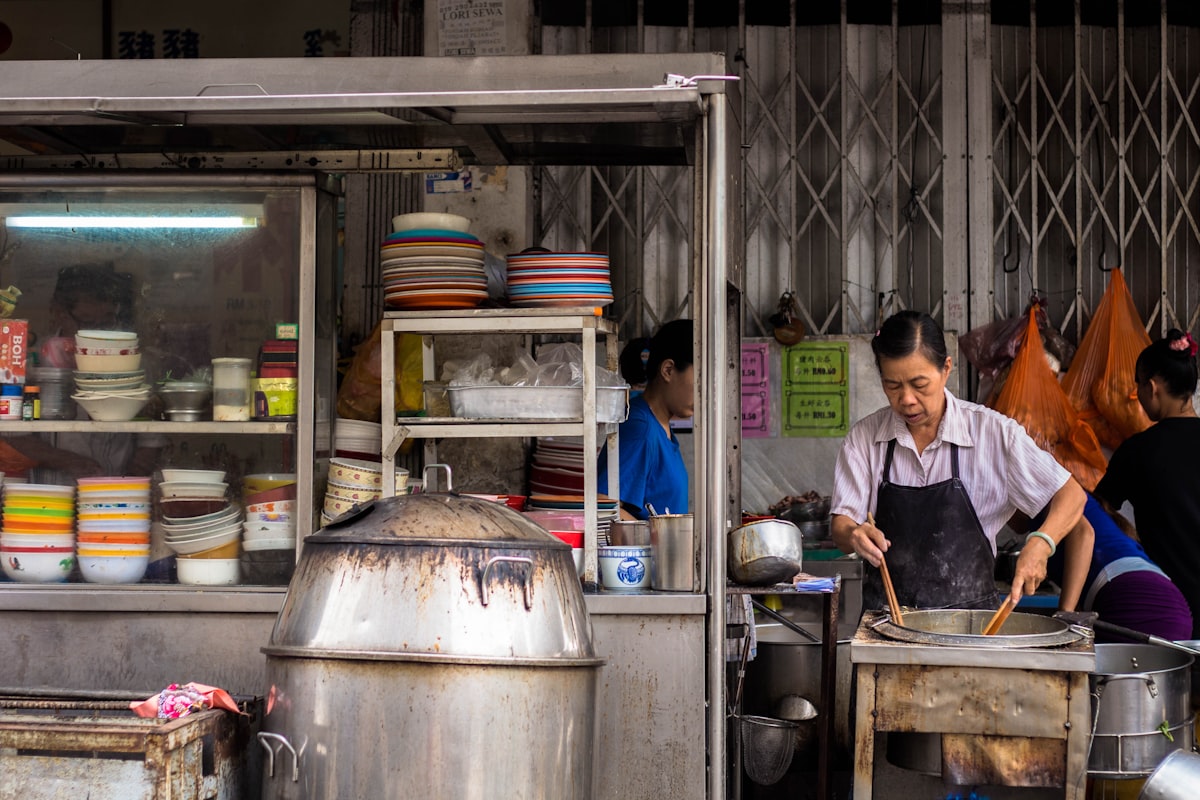
This is the real reason to choose KL. The food is, without exaggeration, among the best and most diverse on the planet. Malay, Chinese, Indian, and Peranakan cuisines collide in hawker centres that serve food so good it would win Michelin stars in any other city — for RM8 ($1.85).
Hawker Food (RM5-15 / $1.15-$3.50 per meal)
Must-try dishes:
- Nasi Lemak — The national dish. Coconut rice with sambal, fried anchovies, peanuts, cucumber, and a hard-boiled egg. Often with fried chicken or rendang. RM5-12. Every Malaysian has a favourite nasi lemak stall and will argue about it passionately. Go to: Village Park in Damansara Uptown (the gold standard), or Nasi Lemak Antarabangsa (24 hours, Kampung Baru)
- Roti Canai — Flaky, buttery flatbread served with dhal and curry. Best for breakfast. RM1.50-3 per piece. Tear, dip, repeat. Go to: Any mamak restaurant — they're all good, but Raju's in Bangsar and Valentino's in Sri Petaling are legendary
- Char Kway Teow — Flat rice noodles wok-fried with shrimp, cockles, Chinese sausage, egg, bean sprouts, and dark soy. The wok hei (smoky breath of the wok) is everything. RM8-12. Go to: Siam Road Char Kway Teow (yes, named after the Penang original) or hawker centres in Pudu
- Bak Kut Teh — Herbal pork rib soup simmered for hours with star anise, cinnamon, and white pepper. A Chinese-Malaysian classic. RM15-20 with rice. Go to: Sun Fong Bak Kut Teh in Pudu
- Banana Leaf Rice — An enormous spread of rice, curries, vegetables, papadum, and pickles served on a banana leaf at South Indian restaurants. Eat with your right hand for the full experience. RM10-15. Go to: Sri Nirwana Maju in Bangsar (be prepared to queue)
- Cendol — Shaved ice with pandan-flavoured rice flour jelly, coconut milk, and gula melaka (palm sugar). The perfect hot-weather dessert. RM5-8
Hawker Centres and Markets:
- Jalan Alor — Bukit Bintang's famous night food street. Touristy but genuinely good. Grilled chicken wings, satay, fried noodles — the works
- Petaling Street (Chinatown) — Bustling market with street food stalls serving Chinese-Malaysian classics
- Pudu Market area — Where KL locals eat. Less polished, more authentic, incredible food
- ICC Pudu — Indoor hawker centre, air-conditioned, with dozens of stalls under one roof
- Kampung Baru — Malay village in the heart of KL. Traditional Malay food at its best
Beyond Hawker Food:
- Mid-range restaurants: RM30-80 ($7-$18) — excellent Japanese, Korean, Thai, and modern Malaysian
- Mamak restaurants: Open 24 hours, everywhere. Roti canai, mee goreng, teh tarik — the backbone of Malaysian social life. RM5-15
- International: KL's diversity means genuinely good Japanese (Menya Musashi), Korean (Hansang), Middle Eastern (Al-Amar), and more
- Vegetarian/vegan: Strong scene thanks to the Buddhist Chinese and Hindu Indian communities. Plenty of hawker options are naturally vegetarian
In Sour Mango: Browse Local Food in the KL destination guide for dish recommendations with photos and price ranges. Use the Currency Converter to keep prices in perspective — RM10 converts differently every week.
Transport: Modern Rail + Cheap Ride-Hailing
KL has the best public transport in Southeast Asia outside of Singapore. The integrated rail network — MRT, LRT, monorail, and KTM — covers most areas nomads care about, and Grab fills the gaps.
MRT / LRT / Monorail
KL's rail system is extensive and expanding:
- MRT Kajang Line — The newest and most useful line. Runs through Bukit Bintang, Pasar Seni, and out to the suburbs
- MRT Putrajaya Line — Connects to the airport area and southern KL
- LRT (Kelana Jaya & Ampang lines) — Covers KLCC, Bangsar, and outlying areas
- Monorail — Loops through the city centre, connecting Bukit Bintang to KL Sentral
- Fares: RM1-6 ($0.23-$1.40) per ride. Absurdly cheap
- Touch 'n Go card — Malaysia's transit card. Load it up and tap. Also works at toll roads, parking, and many food stalls
Grab
The dominant ride-hailing app, and it works brilliantly in KL. A typical city ride: RM8-20 ($1.85-$4.60). Air-conditioned cars arrive in 3-5 minutes in central areas. Use GrabFood for delivery too.
Getting to the Airport
KLIA and KLIA2 are about 60km south of the city. Options:
- KLIA Ekspres — Express train from KL Sentral. 28 minutes, RM55 ($13). Fast and reliable
- KLIA Transit — Same route with stops. 35 minutes, RM55
- Grab: RM70-100 ($16-$23), 45-75 minutes depending on traffic
- Budget airlines (AirAsia) use KLIA2; full-service carriers use KLIA. Both are connected
Healthcare: Excellent and Affordable
Malaysia has world-class private healthcare at developing-world prices. Medical tourism is a significant industry, and the quality shows.
- Gleneagles KL — Premier private hospital, international standard. General consultation: RM80-200 ($18-$46)
- Prince Court Medical Centre — Modern, excellent, popular with medical tourists
- Pantai Hospital — Multiple locations, reliable, English-speaking staff everywhere
- Dental: Professional cleaning RM100-250 ($23-$58). Crowns: RM1,000-2,500 ($230-$575)
- Pharmacies: Guardian and Watsons on every corner. Many medications available without prescription
Insurance tip: SafetyWing ($45-$80/month) works well. For the DE Rantau visa, health insurance is required.
The Community
KL's nomad community is smaller than Chiang Mai or Bali but growing fast. The advantage: it's less transient and more genuine. People here tend to stay longer, and friendships form faster.
- KL Digital Nomads — Facebook group, growing steadily. Good for apartment leads and meetup announcements
- Nomad meetups — Regular gatherings at Common Ground and various bars. Less structured than Chiang Mai, more organic
- Malaysian hospitality — Locals are genuinely friendly and most speak English fluently. Making local friends is easier here than in most Asian cities
- Language school — Bahasa Malaysia classes are available, though English gets you everywhere in KL
- Weekend escapes — Penang (1-hour flight, incredible food), Cameron Highlands (3-hour drive, cool mountain air), Langkawi (1-hour flight, duty-free island), Malacca (2-hour drive, historic port city), Singapore (short flight or 4-hour bus)
In Sour Mango: Find nomads in KL through the Mates feature — browse by location, connect, and create a Tribe group chat. Use Meetups to find or organise group dinners, coworking sessions, and weekend trips.
The Downsides (Being Honest)
Heat and Humidity
KL is hot and humid year-round. Expect 30-35°C with 80-90% humidity every single day. There's no cool season. You will sweat. The trade-off is that everything — malls, offices, condos, coworking spaces, Grabs — is aggressively air-conditioned. You adapt, but if tropical heat is a dealbreaker, this isn't your city.
Traffic
KL traffic is notorious. During rush hour (7-9am, 5-8pm), driving anywhere takes three times longer than it should. Solution: use the MRT/LRT, work from your neighbourhood, and avoid Grab during peak hours. If you live near a rail station, traffic barely affects you.
Urban Sprawl
KL is not a walkable city outside of specific pockets. The city was built around cars, and distances between neighbourhoods can be significant. Choose your neighbourhood carefully — living near an MRT station is non-negotiable if you don't want to rely entirely on Grab.
Alcohol Is Expensive
As a Muslim-majority country, alcohol is heavily taxed. A beer at a bar costs RM18-30 ($4-$7) — comparable to Western cities. A bottle of wine at a restaurant can run RM100+ ($23+). If socialising revolves around drinking for you, budget accordingly.
Quick Start: Your First Week in KL
- Before you fly — Open Sour Mango and use the AI Trip Planner for a KL itinerary. Check Visa Requirements for your passport. Use Packing Lists for weather-appropriate gear — KL is hot every day, but bring a light layer for the aggressive AC
- Land at KLIA/KLIA2 — Get a Hotlink (Maxis) prepaid SIM at the airport. Take the KLIA Ekspres to KL Sentral (28 min, RM55)
- Stay in Bukit Bintang first — Book an Airbnb or hotel for your first week ($20-$35/night). Walk to Jalan Alor on night one for a proper introduction to Malaysian food
- Get a Touch 'n Go card — Buy one at any MRT station or convenience store. Top up and use for all public transport
- Cafe-hop for 3 days — Try VCR, Feeka, and APW Bangsar. Run the Sour Mango WiFi Speed Test at each one
- Try coworking — Day pass at Common Ground Bukit Bintang. See if you prefer the structured environment
- Find your condo — Check PropertyGuru, iProperty, or the KL Digital Nomads Facebook group. Walk-in to condo management offices in your preferred neighbourhood — they often have unlisted units at better rates than online
- Eat banana leaf rice — Sri Nirwana Maju, Bangsar. Arrive before noon to avoid the queue. Eat with your hand
- Connect — Drop into a nomad meetup, add people on Sour Mango Mates, and start building your KL crew
The Bottom Line
Kuala Lumpur is the digital nomad city that doesn't need to try hard. It's not Instagram-famous. It doesn't market itself to remote workers with trendy campaigns. It just quietly delivers world-class internet, absurdly good food, modern infrastructure, genuine diversity, English fluency, and a cost of living that makes no sense for the quality you get.
At $900-$1,600/month, you're living in a proper metropolitan city with a skyline, a functioning rail system, some of the best food on earth, and a condo that looks like it belongs in a luxury hotel brochure. The DE Rantau visa makes long-term stays legitimate, the nomad community is growing without being oversaturated, and Malaysia's central location makes weekend trips to Singapore, Thailand, Indonesia, and Vietnam dirt cheap.
Stop sleeping on KL. It's the real deal.
Track your Malaysian visa countdown, test WiFi at every KL cafe, check cost of living breakdowns, convert MYR instantly, plan your trip with AI, and connect with nomads already in Kuala Lumpur — all in one app. Download Sour Mango and travel smarter.
Travel smarter with Sour Mango
Visa tracking, AI trip planner, WiFi speed tests, and a global nomad community — all in one free app.
Explore more guides
Browse all city guides →