
Kyoto — Temples, Matcha, and Fibre-Optic Monks
Kyoto is where 1,200 years of Japanese culture meets gigabit internet. A city of 2,000 temples and shrines, bamboo groves, geisha districts, and some of the most refined food on earth — all running on infrastructure that puts Silicon Valley to shame. Japan is not the cheapest nomad destination, but Kyoto offers something no other city can: the ability to work from a machiya townhouse in the morning, walk through a thousand-year-old temple garden at lunch, and eat a $12 ramen that changes your understanding of what food can be.
Here's the complete guide to working remotely from Japan's cultural capital.
The Internet
Japan's internet is among the best in the world. Kyoto benefits from national infrastructure that's fast, reliable, and ubiquitous.
Home Connections
- Fibre speeds: 100 Mbps - 1 Gbps through NTT, au Hikari, or SoftBank
- Cost: ¥4,000-¥6,000 ($27-$40)/month — but most apartments include internet in the rent
- Reliability: Exceptional. Japan's uptime standards are obsessive
Coworking and Cafe WiFi
- Coworking spaces: 100-500 Mbps, rock solid
- Cafes: 20-80 Mbps average — many chains offer reliable free WiFi
- Convenience stores (konbini): Free WiFi at 7-Eleven, FamilyMart, and Lawson. Lifesaver for quick checks
Mobile Data
Japan's prepaid SIM market has improved dramatically. Options include:
- IIJmio or Mobal — eSIM with 20GB for ¥2,000-¥3,000 ($13-$20)/month
- Sakura Mobile — Nomad-friendly plans, English support, ¥4,000-¥6,000 ($27-$40)/month
- Pocket WiFi rental — ¥4,000-¥6,000 ($27-$40)/month for unlimited data. Popular for shorter stays
Pro tip: Use Sour Mango's WiFi Speed Test at cafes and coworking spaces. Kyoto's traditional buildings can sometimes limit signal strength, while modern buildings deliver blazing speeds.
Cost of Living: Premium But Manageable
Japan is more expensive than Southeast Asia or Eastern Europe, but cheaper than most nomads assume — especially with the yen's depreciation in recent years. Kyoto is slightly cheaper than Tokyo.
Budget Nomad (~$1,500/month)
- Rent: $500-$700 — share house room or small apartment in residential areas
- Coworking: $100-$150 — monthly membership
- Food: $300-$400 — konbini meals, ramen, cooking
- Transport: $60-$100 — bus pass + bicycle
- Phone: $20-$30 — data SIM or eSIM
- Fun: $100-$200 — temple visits, day trips, izakayas
- Health insurance: $80-$100
Comfortable Nomad (~$2,300/month)
- Rent: $800-$1,200 — one-bedroom apartment or machiya in a good area
- Coworking: $150-$200 — dedicated desk
- Food: $400-$600 — restaurants, kaiseki, nice dinners
- Transport: $80-$120
- Phone: $30
- Fun: $200-$350
- Health insurance: $80-$100
A bowl of ramen costs ¥800-¥1,200 ($5-$8). A convenience store lunch: ¥500-¥800 ($3.30-$5.30). A set lunch at a nice restaurant: ¥1,000-¥2,000 ($6.60-$13.20).
In Sour Mango: Open Kyoto in Destinations for the full cost breakdown. The Currency Converter handles JPY conversions — with the yen's fluctuations, checking regularly is essential.
The Visa Situation
Tourist Visa
- 90 days visa-free for most Western nationals (US, EU, UK, Canada, Australia)
- Stamped at the airport
- Extensions possible at immigration offices — an additional 90 days is sometimes granted
- You cannot legally work for Japanese companies, but remote work for foreign employers is in a grey area
Japan Digital Nomad Visa (2024)
Japan introduced a digital nomad visa that changed everything:
- 6 months stay
- Requires annual income of ¥10 million+ ($66,000+)
- Must have health insurance
- Can be renewed but not indefinitely
- Tax-free on foreign income during the stay
- Applied at Japanese embassies/consulates
Working Holiday Visa
- Available for citizens of specific countries (Australia, Canada, UK, France, Germany, and others)
- 1 year, ages 18-30 (35 for some nationalities)
- Allows part-time work in Japan
In Sour Mango: Check Visa Requirements for Japan based on your passport. Use Visa Tracking to monitor your stay — Japan's immigration is strict about overstays.
Best Neighbourhoods
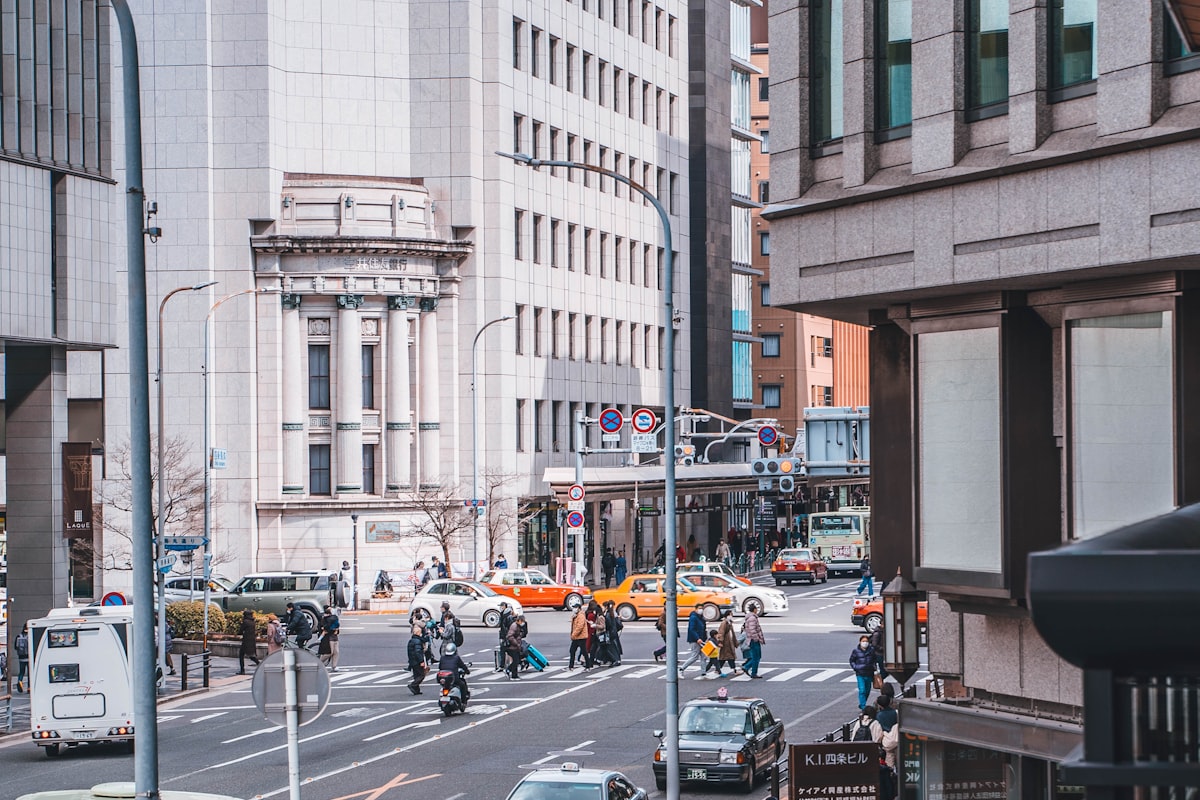
Downtown (Shijō-Karasuma / Shijō-Kawaramachi)
Best for: Central location, shopping, restaurants
The commercial heart of Kyoto. Shijō-dōri is the main shopping street. Close to Nishiki Market, Gion, and the best restaurant concentration. Modern buildings with good internet.
- ¥70,000-¥120,000/month ($460-$790)
- Walkable to most attractions
- Best restaurant density
- Nishiki Market for food shopping
Gion / Higashiyama
Best for: Traditional atmosphere, temple access, cultural immersion
The geisha district and eastern temple area. Wooden machiya houses, stone-paved lanes, and a concentration of UNESCO sites. Stunning but more expensive and tourist-heavy.
- ¥80,000-¥150,000/month ($530-$990)
- Kiyomizu-dera, Nanzen-ji, and Philosopher's Path nearby
- Traditional architecture
- Tourist crowds during the day
Demachi-Yanagi / Imadegawa
Best for: Student area, budget-friendly, local feel
Near Kyoto University. Young, intellectual atmosphere. Demachiyanagi Shotengai (covered shopping arcade) has excellent cheap food. The Kamo River confluence is a beloved local hangout.
- ¥50,000-¥80,000/month ($330-$530)
- Kyoto University campus and cafes
- Local restaurants and cheap eats
- Kamo River walks
Nishijin
Best for: Traditional Kyoto, weaving district, authentic
The historic textile-weaving district in northwest Kyoto. Quieter, residential, with machiya houses and small workshops. Authentic neighbourhood feel.
- ¥45,000-¥75,000/month ($300-$495)
- Traditional machiya accommodation
- Near Kinkaku-ji (Golden Pavilion) and Kitano Tenmangu
- Less English spoken, more immersive
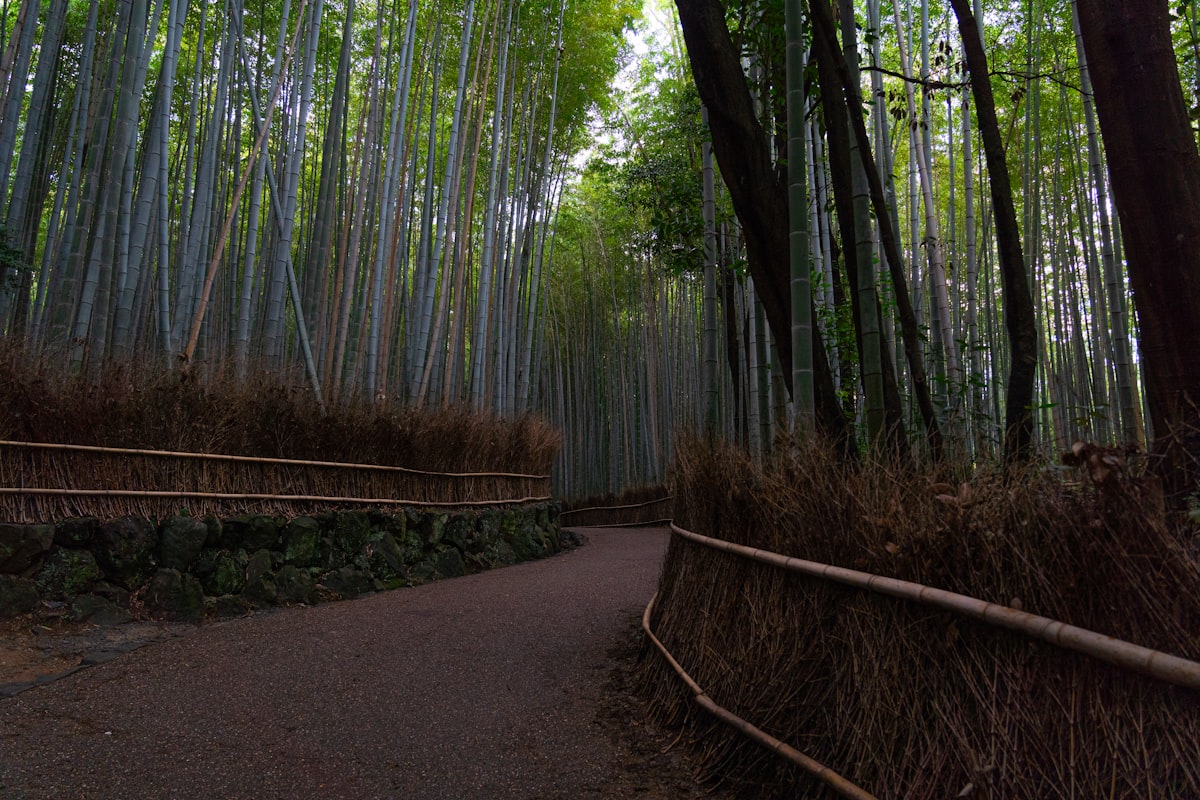
Arashiyama
Best for: Nature lovers, bamboo grove proximity, tranquility
The western district famous for its bamboo grove and monkey park. Beautiful but far from central Kyoto. Better for retreats than daily urban life.
- ¥50,000-¥90,000/month ($330-$590)
- Bamboo Grove and Tenryu-ji Temple
- Togetsukyo Bridge and Ōi River
- Requires train to the centre (20 minutes)
In Sour Mango: Browse Kyoto's neighbourhood guide in Destinations for price comparisons and proximity to transport.
Coworking Spaces
Impact Hub Kyoto
The most established coworking for nomads. In a renovated machiya near Nijo Castle. Beautiful traditional architecture with modern infrastructure. Community events and English-speaking staff.
- Day pass: ¥2,000 ($13)
- Monthly hot desk: ¥18,000 ($119)
- Dedicated desk: ¥30,000 ($198)
Groving Base
Modern coworking near Shijō-Karasuma. Professional setup, reliable internet, and meeting rooms. Good for focused work.
- Day pass: ¥1,500 ($10)
- Monthly: ¥15,000 ($99)
Kyoto Research Park (KRP)
Innovation hub with coworking, offices, and event spaces. Larger, more corporate. Good if you want a professional environment.
- Monthly: ¥20,000-¥35,000 ($132-$231)
Cafe Circuit
Working from cafes is culturally acceptable in Kyoto, though some places limit laptop use during busy hours. Look for 電源あり (power available) signs.
- Weekenders Coffee (multiple) — Specialty coffee, laptop-friendly, good WiFi
- Sarasa Nishijin — Converted bathhouse, stunning interior, work-friendly
- Walden Woods (Shijō) — Modern, fast WiFi, power outlets
- Starbucks Nineizaka — The famous tatami-floor Starbucks near Kiyomizu-dera. Tourist magnet but functional workspace
- Komeda Coffee — Chain with comfortable booths, generous portions, reliable WiFi
The Food: Kyoto's Culinary Heritage
Kyoto's food tradition is Japan's most refined. The city is the birthplace of kaiseki (multi-course haute cuisine), home to incredible tofu culture, and surrounded by matcha tea fields.
Must-Try Dishes
- Kaiseki — Multi-course meal reflecting seasons and Buddhist philosophy. The pinnacle of Japanese cuisine. ¥8,000-¥30,000+ ($53-$198+)
- Yudofu — Hot tofu, Kyoto's signature simple dish. Often served at temples. ¥1,500-¥3,000 ($10-$20)
- Matcha everything — Kyoto is matcha capital. Sweets, lattes, parfaits, ice cream. ¥500-¥1,500 ($3.30-$10)
- Ramen — Kyoto-style is rich and porky. Tenkaippin and Shinpuku Saikan are local legends. ¥800-¥1,200 ($5.30-$8)
- Obanzai — Traditional Kyoto home cooking. Small dishes, seasonal, often vegetable-heavy. ¥1,500-¥3,000 ($10-$20) for a set
- Saba-zushi — Pressed mackerel sushi, a Kyoto specialty. ¥1,000-¥2,000 ($6.60-$13.20)
Where to Eat
- Nishiki Market — "Kyoto's Kitchen." Five blocks of food stalls, pickles, tofu, sweets. Snacking paradise. ¥1,000-¥2,000 for a full graze
- Gion Nanba — Exquisite kaiseki at relatively accessible prices. ¥8,000-¥15,000 per person
- Ichiran Ramen — Solo-booth ramen chain. Customise everything. ¥980 per bowl
- Konbini — 7-Eleven, FamilyMart, and Lawson sell genuinely excellent ready meals for ¥300-¥800
- Ippudo — Famous tonkotsu ramen chain with Kyoto branches. ¥900-¥1,300
In Sour Mango: Browse Local Food for Kyoto dishes with prices and seasonal specialties. Use Price Checker at tourist-area restaurants.
Transport
Buses
Kyoto's bus network is the primary way to get around. The city is spread out, and buses cover what the limited subway doesn't.
- Single ride: ¥230 ($1.50)
- Day pass: ¥700 ($4.60) — unlimited bus rides
- Use IC cards (ICOCA or Suica) for seamless payment
Subway
Two lines — Karasuma (north-south) and Tōzai (east-west). Limited but useful for central routes.
- Single ride: ¥220-¥360 ($1.45-$2.40)
- Subway + bus day pass: ¥1,100 ($7.30)
Bicycle
Kyoto is flat and excellent for cycling. Many nomads rely on bicycles as their primary transport.
- Rental: ¥500-¥1,000/day ($3.30-$6.60)
- Monthly rental: ¥3,000-¥5,000/month ($20-$33)
- Used bicycle purchase: ¥5,000-¥15,000 ($33-$99) — sell when you leave
- Register your bicycle at the police box (kōban) to prevent theft issues
Train Connections
- Kyoto to Osaka: 15 minutes on the JR Special Rapid, ¥580 ($3.80). Run every 15 minutes
- Kyoto to Tokyo: 2 hours 15 minutes on the Shinkansen, ¥13,320 ($88)
- Kyoto to Nara: 45 minutes on the Kintetsu line, ¥760 ($5)
Getting to the Airport
Kyoto has no airport. Use either:
- Kansai Airport (KIX): 75 minutes on the Haruka Express, ¥3,640 ($24)
- Osaka Itami (ITM): 55 minutes by airport bus, ¥1,340 ($8.80)
Temple and Shrine Life
This is Kyoto's unique offering. No other nomad city gives you this kind of cultural access.
Morning Routines
Many nomads develop a morning temple routine — visiting a temple garden before work. It's meditative, free (many gardens are free before 9am), and sets a tone for the day that a gym never could.
Key Temples and Shrines
- Fushimi Inari Taisha — Thousands of vermillion torii gates. Free. Go at dawn to avoid crowds
- Kinkaku-ji (Golden Pavilion) — Iconic. ¥500 admission
- Ryōan-ji — Zen rock garden. ¥500
- Nanzen-ji — Massive temple complex, aqueduct, subtemples. Free grounds
- Tōfuku-ji — Autumn leaves paradise. ¥500-¥1,000
Healthcare
Japan has excellent healthcare, though navigating it as a foreigner requires some effort.
- Doctor's visit: ¥3,000-¥8,000 ($20-$53) without insurance
- Dental cleaning: ¥5,000-¥10,000 ($33-$66)
- Kyoto University Hospital — Major facility with some English-speaking staff
- Japan Healthcare Info helpline for English speakers: 0570-064-629
- National Health Insurance available for residents on visas longer than 3 months — covers 70% of costs
- Pharmacies are well-stocked but some medications require a prescription that's OTC in other countries
The Community
Kyoto's nomad community is small but deeply engaged, with a strong appreciation for the cultural setting.
- Kyoto Digital Nomads — Facebook group, monthly meetups
- Impact Hub events — Workshops, networking
- Language exchanges — Japanese-English exchanges at cafes and community centres. Excellent way to meet locals
- Temple meditation sessions — Several temples offer zazen (seated meditation) in English
- Day trips — Nara (deer and temples), Osaka (food capital), Uji (matcha origin), Koyasan (mountaintop temple town)
In Sour Mango: Find nomads through Mates. Create a Tribe for your Kyoto crew. Check Meetups for cultural events and language exchanges.
The Downsides
Summer Heat and Humidity
July-August in Kyoto is genuinely brutal. The city sits in a basin, trapping heat and humidity. 35-38°C with 80%+ humidity. Air conditioning is essential. The best months are March-May and October-November.
Tourist Overcrowding
Kyoto receives 50+ million visitors annually. Popular spots like Fushimi Inari, Kiyomizu-dera, and the bamboo grove can be overwhelmed. Early mornings and weekdays are the strategy.
Language Barrier
Outside tourist areas, English proficiency drops. Reading menus, navigating government services, and talking to landlords often requires Japanese. Sour Mango's Offline Translation is essential — download the Japanese language pack.
Housing Market
Finding apartments as a foreigner is harder in Japan than in most countries. Many landlords won't rent to foreigners. Share houses, gaijin houses, and services like GaijinPot Apartments and Real Estate Japan help.
Cost Relative to Other Nomad Cities
At $1,500-$2,300/month, Kyoto is significantly more expensive than Southeast Asia or Eastern Europe. The cultural return on investment is extraordinary, but your budget needs to accommodate it.
Cash Still Matters
Japan is more cash-dependent than other developed countries. Carry yen — many small restaurants, temples, and shops don't accept cards.
Quick Start: Your First Week
- Before you fly — Use Sour Mango's AI Trip Planner for a Kyoto itinerary. Check Visa Requirements and Packing Lists
- Land at KIX — Get a SIM card or pocket WiFi at the airport. Buy an ICOCA card
- Haruka Express to Kyoto Station — Check into accommodation near downtown
- Walk to Fushimi Inari at dawn — Thousands of torii gates, empty at sunrise
- Nishiki Market for lunch — Graze through "Kyoto's Kitchen"
- Try coworking — Impact Hub Kyoto or Groving Base for a day pass
- Evening in Gion — Walk Hanamikoji-dōri, spot geisha, eat at an izakaya
- Rent a bicycle — The best way to explore Kyoto day-to-day
- Join the community — Language exchange, Impact Hub events, add people on Mates
The Bottom Line
Kyoto gives you 1,200 years of cultural heritage, world-class food, impeccable infrastructure, and a pace of life that balances productivity with contemplation. It's not the cheapest option, and the language barrier is real. But no other nomad city offers what Kyoto does — the ability to step from your laptop into a Zen garden, to eat food that's been refined over centuries, and to live inside a culture that takes beauty and craftsmanship as seriously as anything.
Come in spring for cherry blossoms, or autumn for the momiji (maple leaves). Stay for a month minimum — Kyoto rewards patience. And prepare for the possibility that every city after this one feels a little less considered, a little less intentional.
Track your Japan visa, test WiFi at every Kyoto cafe, convert Yen on the fly, and connect with nomads in Japan's cultural capital — all in one app. Download Sour Mango and travel smarter.
Travel smarter with Sour Mango
Visa tracking, AI trip planner, WiFi speed tests, and a global nomad community — all in one free app.
Explore more guides
Browse all city guides →