
Madeira — The Island That Built a Digital Nomad Village
Madeira did something no other destination has pulled off — it built a purpose-designed digital nomad village, backed by the regional government, and then kept it running long after the pandemic hype faded. Ponta do Sol's programme launched in early 2021, and years later, the community is still thriving. That alone should tell you something.
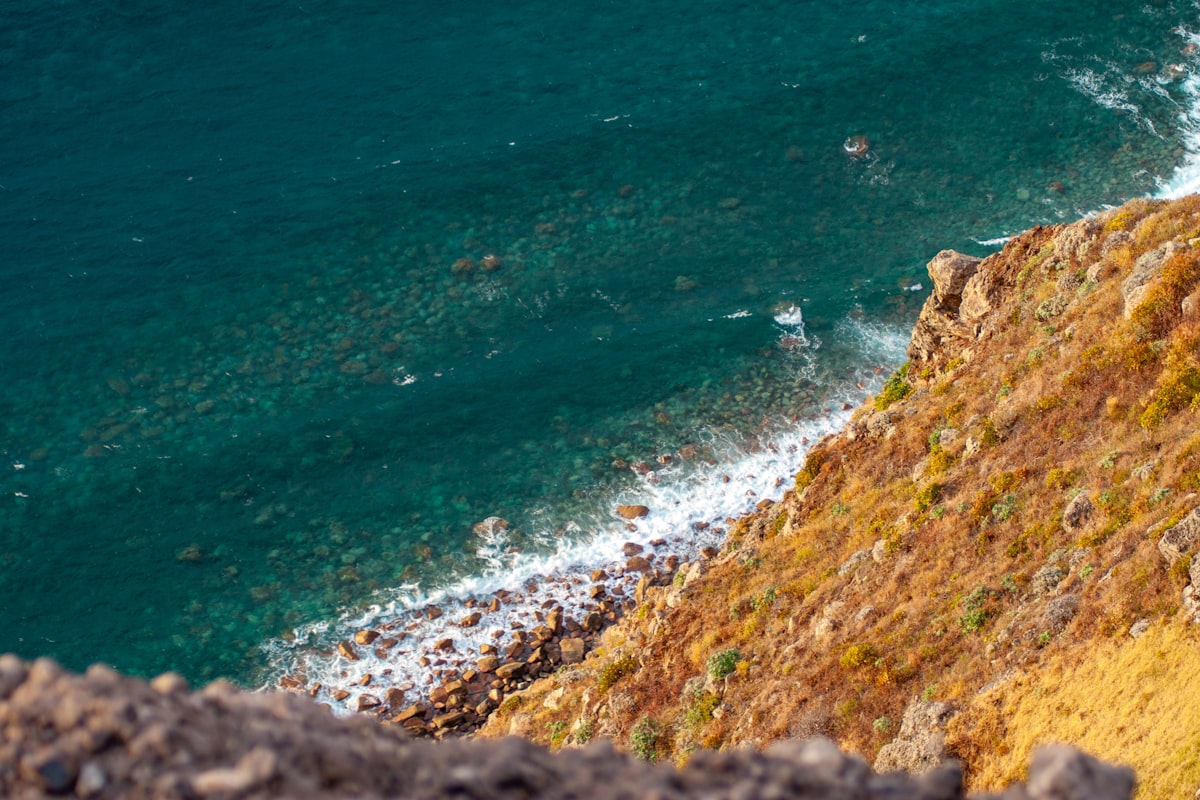
But the Digital Nomad Village is only part of the story. Madeira is a volcanic island floating in the Atlantic about 1,000 km southwest of Lisbon, with year-round temperatures between 17-26°C, dramatic cliffs plunging into deep blue water, ancient laurel forests, and a cost of living that undercuts most of Western Europe. Portugal's D8 Digital Nomad Visa gives you legal residency and a path toward EU citizenship. The WiFi is fast. The poncha is strong. And the levada trails will make your weekends feel like National Geographic episodes.
I spent three months based in Funchal with regular trips out to Ponta do Sol and the western coast, and this guide covers everything I wish I'd known before landing at that famously terrifying runway.
In Sour Mango: Pull up Destinations and search Madeira — you'll get a snapshot of costs, visa info, internet speeds, and community ratings before you book a single flight. The AI Trip Planner can build your first week's itinerary including coworking, cafes, and must-see spots.
The Internet
Let's start with what matters. Fibre broadband in Funchal apartments runs 100-300 Mbps down and 50-100 up — more than enough for video calls, screen sharing, whatever you need. Most Airbnbs in the city centre are on NOS or MEO fibre. Always confirm with your host before booking.
The Digital Nomad Village workspace in Ponta do Sol has dedicated high-speed WiFi, typically 150-200 Mbps, with backup connectivity. It's reliable.
Cafe WiFi is more of a mixed bag: 20-50 Mbps in Funchal's better spots, but some places outside the city drop to single digits. Test before you settle in for a four-hour session.
For mobile data, grab a NOS or MEO prepaid SIM at the airport or any phone shop in Funchal. 15GB for €10-€15/month. MEO tends to have slightly better coverage in the mountain villages. If you need a hotspot backup, the 30GB plans run about €20.
In Sour Mango: Run WiFi Speed Test at every cafe and coworking space you try. Your results feed into the community database, so other nomads benefit too. Speeds outside Funchal can vary wildly — a place in Câmara de Lobos might pull 80 Mbps or 8 Mbps depending on the building.
Cost of Living — Detailed Breakdown
Madeira is cheaper than Lisbon, significantly cheaper than most of Western Europe, and roughly on par with places like Plovdiv or Las Palmas. Here's what to actually expect.
Budget Tier (~€1,200/month | ~$1,300 USD)
This is tight but doable if you cook most meals and don't rent a car full-time.
- Rent: €550-€750 — studio or shared flat in Funchal or Ponta do Sol
- Coworking: €80-€120 — hot desk at a basic space, or cafe-hop for free
- Groceries & eating out: €250-€350 — cook at home 5 days/week, eat out 2-3 times
- Transport: €40-€60 — monthly bus pass (Horários do Funchal, €40) plus occasional Bolt
- Fun & social: €150-€200 — a few dinners, drinks, weekend hike trips
- Health insurance: €60-€80 — SafetyWing or equivalent
Comfortable Tier (~€2,000/month | ~$2,150 USD)
Your own one-bedroom, ocean-view balcony, eating out regularly, renting a car on weekends.
- Rent: €800-€1,100 — one-bedroom apartment with a view in Funchal or São Martinho
- Coworking: €120-€180 — dedicated desk or private office
- Food: €400-€500 — mix of home cooking and restaurants, no restrictions
- Transport: €80-€120 — bus pass plus weekend car rental or long-term scooter
- Fun & social: €250-€350 — diving, canyoning, wine tasting, weekend Porto Santo trip
- Health insurance: €60-€80
A few notes: rent has climbed since 2021 but remains reasonable by European standards. Grocery prices at Pingo Doce and Continente are 15-25% below mainland Portugal averages. Wine is absurdly cheap — a decent bottle of Madeiran table wine costs €3-€5 at the supermarket. A galão (Portuguese latte) runs €1.20-€1.50. A beer at a bar: €2-€3. These small daily costs add up to significant savings over months.
One more thing: Madeira has no sales tax surprises. Prices listed are prices paid. Tipping is appreciated but not expected — rounding up or leaving 5-10% for good service is the norm.
In Sour Mango: Use Currency Converter to keep EUR/USD (or your home currency) straight in real time. Price Checker lets you compare Madeira costs against other nomad destinations — it's eye-opening when you stack it next to Lisbon or Barcelona.
The Visa Situation
Portugal's D8 Digital Nomad Visa applies to Madeira (it's an autonomous region of Portugal, not a separate country). Here's what you need:
- Minimum income: €3,480/month (4x Portuguese minimum wage) from remote work
- Duration: 1-year temporary residence, renewable
- Path to citizenship: After 5 years of legal residence
- Tax: NHR (Non-Habitual Resident) status can mean 20% flat tax on Portuguese-source income for 10 years; foreign income may be exempt depending on your country's tax treaty
- Processing time: 2-4 months from application
You apply through the Portuguese consulate in your home country or, if you're already in Portugal on a tourist visa, you can start the process at SEF (now AIMA). Bring proof of remote employment or freelance contracts, proof of income, health insurance, and a clean criminal record.
For EU/EEA citizens: you don't need a visa at all. Just register at the local Câmara after 90 days.
In Sour Mango: Visa Requirements gives you the full D8 checklist tailored to your nationality. Visa Tracking sends you alerts on processing milestones and renewal deadlines — essential when Portuguese bureaucracy moves at its own unique pace.
Best Neighbourhoods & Areas
Funchal Centre (Sé / Santa Maria)
The old town. Narrow cobblestone streets, painted doors on Rua de Santa Maria, the Mercado dos Lavradores with its tropical fruit stalls and aggressive passion fruit vendors. This is where 70% of nomads end up, and for good reason: everything is walkable. The best cafes, restaurants, and coworking are here. The Zona Velha (Old Town) has the liveliest bar scene — small, but enough. Rent: €600-€1,100/month for a studio to one-bedroom.
Look for places near Rua da Carreira or around the Jardim Municipal for the sweet spot of price versus location. The streets closest to the waterfront (Avenida do Mar) tend to be noisier from cruise ship foot traffic.
Vibe: Urban-ish, social, convenient. You can walk to coworking, dinner, and the waterfront without touching a bus.
São Martinho / Lido
West of the centre, slightly uphill, with the Lido promenade and public swimming pools built into the volcanic rock. Quieter residential feel but still well-connected by bus (lines 1, 2, 4). Many apartment complexes here have pools and ocean-view terraces. Rent: €650-€1,000/month.
Vibe: Chill residential, great for morning swims, 15-minute bus to centre. Popular with nomads who want space and a balcony without the old-town noise.
Ponta do Sol (Digital Nomad Village)
Thirty minutes west of Funchal by car (or SAM bus line 142), this is the village that put Madeira on the nomad map. The Digital Nomad Village programme — run by Startup Madeira in partnership with the regional government — provides coworking space, community events, organized hikes, surf sessions, cultural workshops, and a ready-made social circle. The village itself is tiny and photogenic: pastel houses stacked on a cliff above a black pebble beach. Rent: €500-€850/month.
Vibe: Small-town, community-driven, nature-first. You'll know everyone within a week. Best if you want built-in structure and social life.
Câmara de Lobos
The fishing village Churchill used to paint, about 10 minutes west of Funchal. It's been gentrifying steadily — new restaurants, a beautiful seaside promenade, and lower rents than Funchal centre. The Cabo Girão skywalk (Europe's highest sea cliff, 580m) is a 5-minute drive up the hill. Regular bus connections to Funchal on line 154. Rent: €450-€750/month.
Vibe: Authentic fishing village meets slow gentrification. Cheaper, scenic, a bit quieter at night.
Calheta
Further west along the coast, Calheta has Madeira's only sandy beach (imported Moroccan sand, but still — it works). More isolated, fewer amenities, but dramatically beautiful. There's a small arts centre, a decent restaurant scene for the size, and some of Madeira's best banana plantations. Good for nature-focused nomads who don't need a buzzing cafe scene. Rent: €400-€700/month.
Vibe: Remote, beachy, peaceful. Bring a car. You'll feel properly off-grid here, in the best way.
In Sour Mango: Each area has its own profile in Destinations with nomad ratings for WiFi, walkability, cost, and social scene. Use AI Trip Planner to map out a neighborhood-hopping first week so you can test each area before committing to a lease.
Coworking Spaces
Digital Nomad Village Workspace (Ponta do Sol)
The flagship. Purpose-built space with fast WiFi, standing desks, meeting rooms, a terrace overlooking the ocean, and a full programme of community events. Not just a desk — it's a social hub. Hot desk: €100-€150/month. Day pass: €10-€15.
CoWork Funchal (Rua da Alfândega)
Professional setup in the city centre. Private offices available. Good for calls — proper sound insulation. Hot desk: €120/month. Dedicated desk: €160/month. Day pass: €12.
Madeira Maker Hub (Funchal)
Smaller, creative-leaning space near the marina. Popular with designers and developers. Regular skill-sharing sessions. Hot desk: €90/month. Day pass: €10.
Cowork Funchal by Sun & Co (Rua dos Aranhas)
Community-focused space with social events, workshops, and coliving options in the same building. Good if you want the all-in-one package. Hot desk: €110/month. Coliving + coworking combo packages start around €800/month.
John dos Passos Cultural Centre (Ponta do Sol)
Free coworking for Digital Nomad Village participants. Beautiful historic building, limited desks, first-come-first-served. WiFi is solid. If you're registered with the village programme, this is your default.
In Sour Mango: All listed coworking spaces appear in Destinations with verified WiFi speeds, community ratings, and pricing. Use Nomad Essentials to compare coworking costs across islands — Madeira vs. Gran Canaria vs. Tenerife is a popular comparison.
Work-Friendly Cafes
Not every day calls for a coworking space. Here are the cafes where you can park your laptop without getting dirty looks.
- Riso Risottoria & Café (Rua de Santa Maria, Funchal) — Right on the waterfront with a terrace. WiFi ~30 Mbps. Great risotto for lunch (€9-€12). They don't mind laptops during off-peak hours.
- Petit Fours Atelier (Rua do Esmeraldo, Funchal) — Tucked away in the centre. Excellent pastries (€2-€4), good coffee, calm atmosphere. WiFi ~25 Mbps. A favourite among local remote workers.
- The Snug (Funchal marina area) — Expat-run, openly laptop-friendly, solid breakfast menu. WiFi ~40 Mbps. English-speaking staff. Good for longer sessions.
- Loja do Chá (Rua do Sabão, Funchal) — Tea house with a garden patio. Quiet, WiFi ~20 Mbps. Ideal for deep-focus work. Lunch specials around €7-€9.
- Casa de Chá do Faial (Faial, north coast) — Worth the drive for a day trip. Perched on a cliff edge with staggering views. WiFi is basic (~10 Mbps) but the setting is unbeatable for creative work. Cake and tea for €4-€5.
- Esplanada do Calhau (Ponta do Sol) — Right next to the DNV. Ocean views, decent WiFi (~25 Mbps), and you'll inevitably run into other nomads. Coffee and pastel de nata: €2.50.
In Sour Mango: Every cafe you WiFi-test through the app gets logged in the community database. Check WiFi Speed Test history to see which spots perform best before heading out. Use Offline Translation if your Portuguese isn't there yet — ordering at the more local spots in Câmara de Lobos is easier with a few phrases loaded up.
The Food — What to Eat and Where
Madeiran food is hearty, generous, and built around seafood, beef, and tropical ingredients. Here's what you need to try.
Must-Eat Dishes
- Espetada — Thick chunks of beef marinated in garlic, salt, and bay leaf, skewered on a laurel branch and grilled over wood coals. Madeira's signature dish. Served hanging from a hook over your table with fries and salad. €10-€15 at most restaurants. Best at Restaurante Abrigo do Pastor in Eira do Serrado (mountain setting, incredible views) or Venda da Donna Maria in Câmara de Lobos.
- Bolo do caco — Round flatbread made with sweet potato flour, grilled, and slathered in garlic butter. Served as a side with everything or eaten as a snack on its own. €2-€3. Every restaurant serves it; the best is straight from the street vendors at Mercado dos Lavradores.
- Lapas grelhadas — Grilled limpets doused in garlic butter and lemon. Pulled off the volcanic rocks that morning. €8-€12 for a plate. Try them at Restaurante Gavião in Funchal's old town.
- Espada com banana — Black scabbardfish (caught from 800m depth, unique to Madeira's waters) fried in a light batter and served with sliced banana. Sounds odd. Tastes fantastic. €10-€14. Armazém do Sal in Funchal does a refined version.
- Sopa de tomate e cebola com ovo — Tomato and onion soup with a poached egg floating on top. Simple, cheap comfort food. €3-€5. Find it at any local tasca.
- Bolo de mel — Dense honey and spice cake made with sugarcane molasses, traditionally baked at Christmas but available year-round. Sold by the slice at bakeries. €1.50-€2.50.
- Poncha — The island drink. Aguardente de cana (sugarcane spirit), honey, lemon juice, and orange juice, mixed with a special wooden muddler called a caralhinho. Deceptively smooth, hits hard. €3-€4 at most bars. The original recipe comes from the village of Serra de Água — Taberna da Poncha there is a pilgrimage-worthy bar. In Funchal, Bar Poncha 31 on Rua de Santa Maria pours a reliable version.
- Milho frito — Fried cubes of cornmeal, crispy outside, soft inside. Served as a side with meat dishes. Think polenta fries. €2-€4.
Restaurant Recommendations
- Armazém do Sal (Funchal, Rua da Alfândega) — Upscale seafood in a converted salt warehouse. Tasting menus around €35-€45. Excellent espada.
- Restaurante Gavião (Funchal, Rua de Santa Maria) — Old-town classic for lapas and grilled fish. Mains €10-€16.
- Venda da Donna Maria (Câmara de Lobos) — Rustic, family-run, legendary espetada. Cash only. Mains €8-€13.
- Restaurante Abrigo do Pastor (Eira do Serrado) — Mountain restaurant with panoramic views of Curral das Freiras valley. Espetada and stews. Mains €10-€16. Worth the drive.
- O Celeiro (Câmara de Lobos) — Modern take on Madeiran classics. Good wine list. Mains €12-€18.
- Casa de Pasto Jango (Funchal) — No-frills local lunch spot. Daily specials under €8. The kind of place where construction workers eat next to laptop nomads.
In Sour Mango: Local Food gives you curated Madeira dishes with photos, descriptions, and where to find them. Price Checker helps you spot tourist markups — if a place charges €18 for espetada in the old town, the app will flag that the going rate is €10-€15.
Getting Around
Buses
Horários do Funchal runs the city network; SAM and Rodoeste cover the rest of the island. A monthly Giro card for Funchal city buses costs about €40. Individual rides: €1.35-€2.00 with the card, €1.95 cash. Service is decent in and around Funchal, but buses to rural areas can be infrequent — sometimes 2-3 per day. Check schedules at horariosdofunchal.pt.
Car Rental
Honestly, to see the real Madeira, you'll want a car at least on weekends. Rental rates: €15-€25/day for a small car, €300-€500/month for long-term. Book through local agencies like Guerin or Auto Jardim for better monthly rates than the internationals. Driving is on the right, roads are good but steep and winding. The tunnels through the mountains are a trip — some are modern motorway tunnels, others feel like you're driving through a mine shaft.
Bolt / Taxis
Bolt works in greater Funchal. A ride across town is €3-€6. Taxis use meters; Funchal to the airport runs about €20-€25. Taxis to Ponta do Sol: €30-€40.
Scooters
A solid option for solo nomads. Monthly scooter rental runs €150-€250. Parking is infinitely easier than a car in Funchal's narrow streets. Not ideal for mountain roads in rain, though.
Flights
Funchal Airport (FNC) is 20 minutes east of the city. Direct flights to Lisbon (1.5 hours, TAP/Ryanair, from €30 one-way), Porto, London, and several German cities. EasyJet and Transavia run seasonal routes to more European cities in summer. The runway is famously dramatic — extended on stilts over the ocean, crosswind landings can be hairy. Flights occasionally divert in bad weather. It's part of the charm (or terror, depending on your disposition).
Pro tip: book Lisbon flights early. The cheap fares sell out fast, and last-minute pricing on the FNC-LIS route can be surprisingly steep for a 1.5-hour hop.
In Sour Mango: The AI Trip Planner can route multi-stop island itineraries including bus schedules. Use Share Location when you're driving the mountain roads with friends — some of those hairpin turns above Encumeada pass are no joke, and it's good for someone to know where you are.
Healthcare
Madeira has solid public healthcare through the Portuguese SNS system. Hospital Dr. Nélio Mendonça in Funchal is the main public hospital — modern, competent, and free or very cheap for residents and EU citizens with an EHIC card.
For non-emergency care, private clinics are affordable. A GP visit at Clínica de Santa Catarina or Clínica da Sé costs €40-€60. Dental cleaning: €50-€70. Pharmacy basics (ibuprofen, allergy meds) cost a fraction of US prices.
Get travel/health insurance before you arrive. The D8 visa requires it. SafetyWing (~€45/month) or World Nomads are popular among the community.
Pharmacies (farmácias) are everywhere in Funchal and well-stocked. Look for the green cross signs. Many medications that require a prescription in the US or UK are available over-the-counter here. Pharmacists are knowledgeable and often speak English.
One thing to know: for anything specialized — certain surgeries, rare specialists — you may need to fly to Lisbon. This is the reality of island healthcare. It's excellent for 95% of what you'll need, but the most complex cases get transferred to the mainland.
Emergency number: 112 (same across Portugal and the EU).
In Sour Mango: Nomad Essentials includes a healthcare checklist for Madeira with clinic addresses, emergency numbers, and pharmacy locations. The Packing Lists feature reminds you to bring enough of any prescription medication — pharmacies here stock most things, but your specific brand may not be available.
The Community
This is where Madeira genuinely shines. The island's nomad community is the tightest I've encountered anywhere. Small island + purpose-built programme + spectacular shared experiences (levada hikes, cliff diving, wine tastings) = real friendships, not just networking.
Digital Nomad Village Programme (Ponta do Sol)
Weekly organized events: group levada hikes, surf sessions, cultural workshops, community dinners, skill-sharing talks. The programme coordinators actively introduce newcomers. It's structured enough to fight the isolation that plagues many nomads, without feeling forced. Register through digitalnomads.startupmadeira.eu.
Funchal Nomad Meetups
Less structured than Ponta do Sol, but a growing scene. Weekly informal meetups at various cafes and bars — check the Madeira Digital Nomads Facebook group or the Slack channel (linked through the DNV website). Monthly larger events at venues like Espaço Cerco.
Hiking Groups
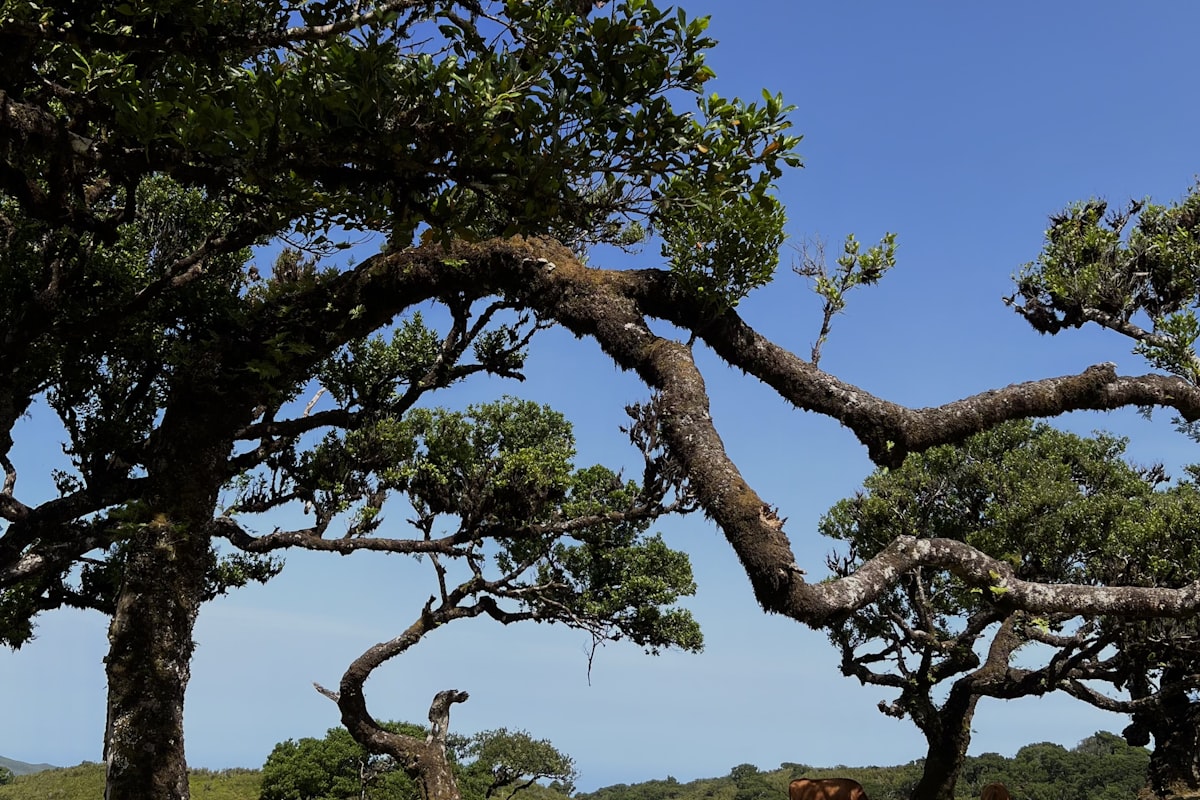
The levada walks are Madeira's secret weapon for community. These are trails that follow centuries-old irrigation channels through laurel forests, along cliff edges, and through tunnels. Highlights: Levada do Caldeirão Verde, Levada das 25 Fontes, and Vereda do Pico do Arieiro (the sunrise hike to the island's third-highest peak). Groups form organically through the nomad community — you'll never hike alone unless you want to.
Surfing & Water Sports
Ponta do Sol and Jardim do Mar have decent surf breaks. The DNV programme organizes group surf sessions. Stand-up paddleboarding in Calheta's calm bay is popular. Diving around the Garajau marine reserve is excellent — warm-ish water, manta rays, moray eels.
Day Trips
- Porto Santo Island — 2.5-hour ferry from Funchal (Lobo Marinho ferry). Nine kilometers of golden sandy beach. Completely different vibe from Madeira. Perfect weekend escape. Ferry: €40 return. Book ahead in summer.
- Curral das Freiras — The "Valley of the Nuns," a village hidden in a volcanic crater. Accessible by bus (line 81) or car. Famous for chestnut-based dishes and ginjinha.
- São Vicente — Volcanic caves (€8 entry) and the wild north coast. Dramatic ocean spray, natural basalt pools at Porto Moniz (€1.50 entry).
- Pico do Arieiro to Pico Ruivo — The island's premier mountain hike. Start before dawn for sunrise above the clouds. 10km, 4-5 hours, moderate-to-hard. Genuinely life-changing views.
In Sour Mango: Mates connects you with other nomads in Madeira right now — filter by interests, skills, or how long they've been on the island. Tribes lets you join or create groups (Madeira Hikers, Funchal Foodies, Surf & Work Ponta do Sol). Share Location is genuinely useful on group levada hikes — the trails can be remote, and having your group visible on a map adds real safety.
The Downsides — Be Honest With Yourself
Madeira is special, but it's not for everyone. Here's what might drive you crazy.
- It's an island. A small one. Flights to mainland Europe take 1.5-4 hours depending on destination, and there aren't that many direct routes. If you need to be in London or Berlin on short notice, this adds friction and cost. Bad weather can cancel or divert flights.
- It's small. Funchal has about 110,000 people. You'll run out of new restaurants within a month. The nightlife is modest — a handful of bars in the Zona Velha, one or two clubs. If you need a big-city buzz, this isn't it.
- Car dependency. Within Funchal you're fine on foot and bus. Outside it, you really need a car. The bus network exists but it's slow and infrequent for coastal and mountain routes.
- Clouds and microclimates. Madeira's mountains trap clouds. Funchal might be sunny while Ponta do Sol is socked in, or vice versa. The north coast is frequently overcast and rainy. You won't get guaranteed all-day sunshine like in the Canary Islands.
- Limited coworking options. Compared to Lisbon, Bali, or Bangkok, the coworking scene is small. If your first-choice space is full, options narrow fast.
- Seasonal crowds. Cruise ships dock in Funchal regularly, flooding the old town with day-trippers. It's not Dubrovnik-level, but the narrow streets feel it. Peak season (December through Carnival in February) also brings mainland Portuguese and European tourists.
- Bureaucracy. It's still Portugal. Administrative processes can be slow and opaque. Budget extra patience for anything involving paperwork.
- Dating scene. Let's be real — with a small nomad population and a modest local scene, options are limited compared to bigger cities. This is more of a "couples and friends" destination than a singles hub.
Quick Start: Your First Week in Madeira
- Day 1 — Land and settle. Grab a NOS or MEO SIM at the airport. Bolt or taxi to your accommodation. Buy groceries at Pingo Doce or Continente. Test your apartment WiFi with Sour Mango's WiFi Speed Test. Walk the Funchal waterfront to get your bearings.
- Day 2 — Explore Funchal centre. Mercado dos Lavradores for tropical fruit (try the passion fruit). Walk Rua de Santa Maria for the painted doors and street art. Lunch at Casa de Pasto Jango. First bolo do caco. Load up Offline Translation in Sour Mango — your Portuguese will improve faster.
- Day 3 — Set up your work routine. Try a coworking space (CoWork Funchal or Madeira Maker Hub). Or test two cafes — Petit Fours in the morning, Riso for the afternoon. Use WiFi Speed Test at each spot.
- Day 4 — Visit Ponta do Sol. Take the SAM bus or rent a car. Walk the village, check out the Digital Nomad Village workspace, have coffee at Esplanada do Calhau. Talk to people — the community is welcoming. Register for the programme if it feels right.
- Day 5 — Your first levada. Start with Levada do Caldeirão Verde (moderate difficulty, 13km return). Pack water, wear proper shoes. Use Share Location in Sour Mango so your people know your route. Dinner at Restaurante Gavião — you've earned the lapas.
- Day 6 — Câmara de Lobos and the cliffs. Morning at the Cabo Girão skywalk (glass platform, 580m above the ocean). Lunch at Venda da Donna Maria for espetada. Afternoon exploring the village and its murals. Check the Mates feature — you've probably met people by now.
- Day 7 — Admin and planning. Get your Giro bus card at the Horários do Funchal office. Sort out your monthly routine. Use Currency Converter to set your budget in EUR. Check Visa Requirements if you're staying beyond 90 days. Join a Tribe in the app. You're no longer a tourist — you live here now.
The Bottom Line
Madeira is for the nomad who wants a genuine community, world-class hiking, mild weather year-round, fast internet, and the legal structure of Portugal's nomad visa — all on a volcanic island with dramatically cheap wine and garlic bread made from sweet potatoes.
It's not for people who need a big city, a wild party scene, or quick/cheap flights to everywhere. It's not for the nomad who gets restless after two weeks in the same place. The island is small enough that you'll memorize the menu at your favourite restaurant and recognize faces at the supermarket. That's either exactly what you want, or exactly what you don't.
But if you've been bouncing between Bali and Lisbon and Chiang Mai and you're tired of surface-level connections and starting over every month? Madeira is the place where nomads actually put down roots. The Digital Nomad Village in Ponta do Sol isn't a marketing gimmick — it's a functioning community. Funchal is a real, walkable city with good food and fast internet. And the levadas will remind you, every single weekend, why you chose this life in the first place.
Three months on this island convinced me it's one of the most underrated nomad destinations in Europe. The combination of community infrastructure, natural beauty, legal framework, and affordability is hard to match anywhere.
Give it a real shot — not a two-week flyby, but a proper stay. One month minimum. Two or three if you can swing it. Madeira rewards commitment.
Plan your Madeira move, track your D8 visa, find your levada hiking crew, and discover the best espetada on the island — all in Sour Mango. Your digital nomad life, one app.
Travel smarter with Sour Mango
Visa tracking, AI trip planner, WiFi speed tests, and a global nomad community — all in one free app.
Explore more guides
Browse all city guides →