
Malta — The Tiny EU Island With Big Tax Advantages
Malta is the smallest EU nation, and it's punching way above its weight for digital nomads. English is an official language — not "people speak some English," but genuinely official, on every sign, in every government office, on every menu. The weather is Mediterranean (300+ days of sunshine). The Nomad Residence Permit comes with a 15% flat tax rate. The island has become a legitimate hub for gaming, blockchain, and fintech. And you can drive across the whole country in 45 minutes.
That last part is both the appeal and the catch. Malta is tiny. You will run into the same people at the same cafes. You will know every road within a month. But if you want EU Schengen access, zero language barrier, genuine tax advantages, and a growing tech scene — all wrapped in honey-coloured limestone and turquoise water — Malta is a seriously smart base.
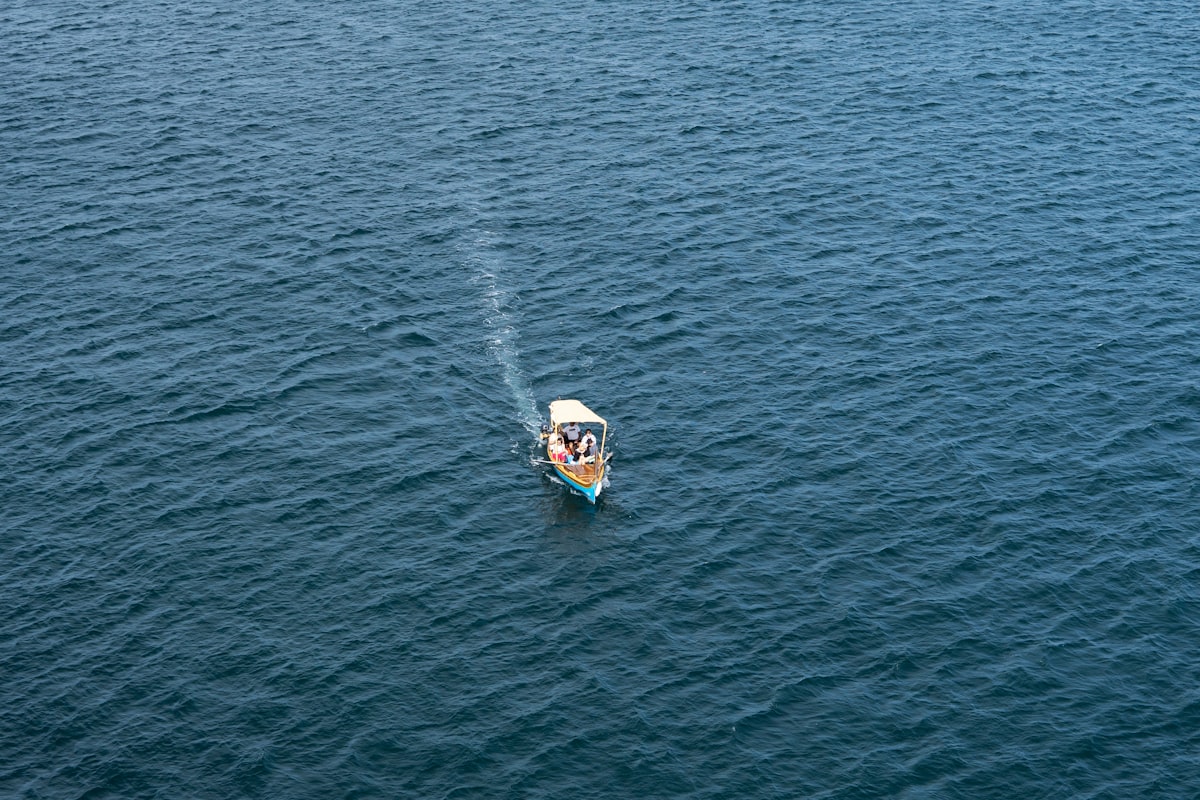
In Sour Mango: Open Destinations and tap Malta to get the full snapshot — cost of living, visa info, internet speeds, and community size — before you book anything.
The Internet
Good infrastructure for a small island. Malta invested heavily in fibre, and it shows.
- Home broadband: 100-300 Mbps through GO or Melita. Most apartments come pre-wired for fibre. €25-€35/month, but many landlords include it in rent
- Coworking spaces: 100-200 Mbps, generally reliable
- Cafe WiFi: 20-40 Mbps at most work-friendly spots. Enough for video calls if you pick the right cafe
- Mobile data: GO or Vodafone prepaid SIM with 20-30GB runs €10-€15/month. Coverage is excellent island-wide
- Backup plan: Melita's 5G hotspot device for €20/month if your apartment internet goes down
In Sour Mango: Run a WiFi Speed Test at every cafe and coworking space you try. Your results help other nomads in the community find reliable spots, and you can check speeds before you show up.
Cost of Living
Malta is mid-range for the EU. Cheaper than Western Europe, pricier than Southeast Asia. The real value is the tax treatment on the Nomad Residence Permit.
Budget (~€1,400/month)
- Rent: €600-€850 — studio or shared apartment in Sliema, Gzira, or St Julian's
- Coworking: €100-€150 — hot desk at 230 Works or a cafe rotation
- Groceries & eating out: €250-€350 — cook at home, pastizzi lunches, occasional restaurant dinner
- Transport: €26 — Tallinja monthly bus pass (covers the entire island)
- Phone: €10-€15 — prepaid SIM
- Entertainment: €150-€200 — drinks at Strait Street bars, weekend boat trips, diving
- Health insurance: €60-€80 — basic travel insurance or local policy
Comfortable (~€2,200/month)
- Rent: €900-€1,300 — one-bedroom with sea view in Valletta, Sliema, or Tigne Point
- Coworking: €150-€200 — dedicated desk at SOHO or The Vault
- Food: €400-€500 — mix of cooking and eating out 3-4 times a week
- Transport: €26 — bus pass plus occasional Bolt rides (€5-€10 per trip)
- Entertainment: €250-€350 — diving courses, harbour cruises, weekend Gozo stays
- Health insurance: €60-€80
Groceries tip: Lidl and Pavi supermarkets are the best value. Smart Supermarket in Sliema is convenient but pricier. The Marsaxlokk Sunday fish market is worth the trip — fresh catch directly from fishermen at great prices.
In Sour Mango: Use Price Checker to compare Malta costs against your current base. The Currency Converter handles EUR conversions on the fly — handy when you're being paid in USD or GBP.
The Visa — Malta Nomad Residence Permit
Malta launched its Nomad Residence Permit in 2021, one of the first dedicated nomad visas in the EU. The tax angle is the real draw.
Key Details
- Duration: 1 year, renewable up to 3 years
- Eligibility: Remote workers, freelancers, or business owners earning income from clients/employers outside Malta
- Minimum income: ~€2,700/month (gross)
- Tax rate: 15% flat tax on income remitted to Malta, with a minimum annual tax of €10,000
- Health insurance: Required — private policy covering Malta
- Processing time: 4-8 weeks typically
- Application fee: €300
- Family: You can include a spouse/partner and dependents
Why This Matters
The 15% flat rate is significantly lower than most EU countries. If you're tax resident somewhere charging 30-45%, the savings are substantial. Combine that with EU/Schengen membership — free travel across 27 EU countries — and Malta becomes a genuinely strategic base.
The English-Speaking Advantage
Malta is one of only two EU countries (alongside Ireland) where English is an official language. Not tourist English — native-level. Court proceedings, business, landlords, doctors, bus drivers — all fluently English. For nomads who don't want to learn a new language just to sort out their electricity bill, this is enormous.
Schengen Access
The Nomad Residence Permit gives you full Schengen zone access. Weekend in Barcelona, cheap Ryanair to Rome, hop to Lisbon — no visa complications. Malta International Airport (MLA) connects directly to most major European cities.
In Sour Mango: Check Visa Requirements for your nationality's specific documentation. Once you've applied, use Visa Tracking to monitor your application status and get reminded about renewal deadlines. The AI Trip Planner can help you map out Schengen trips from your Malta base.
Best Neighbourhoods and Towns
Malta is small, but each area has a distinct character. Choose based on your priorities.
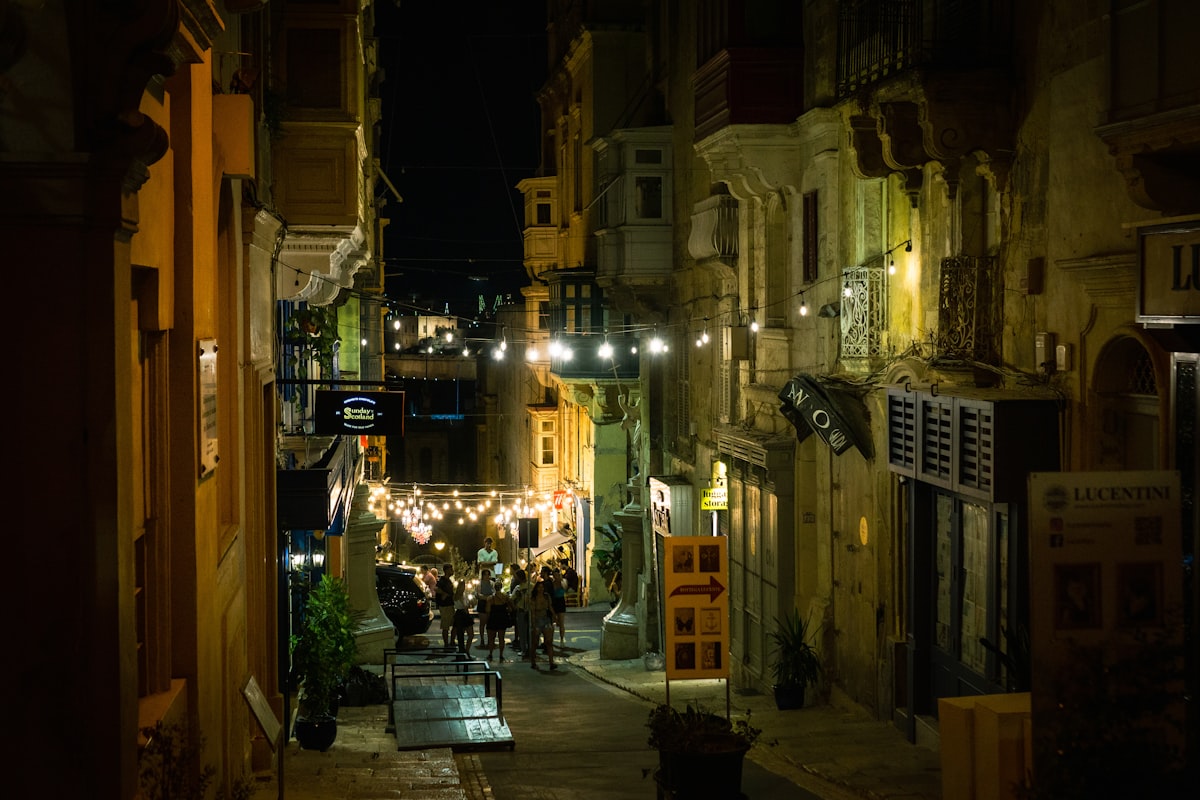
Valletta — The Capital
The UNESCO World Heritage capital is Malta's crown jewel. Baroque architecture, narrow streets, cultural events, and a compact, walkable layout. Republic Street and Merchants Street are the main arteries. The waterfront is gorgeous.
- Rent: €800-€1,300/month for a one-bedroom
- Vibe: Historic, cultural, boutique. Feels European in the best way
- Best for: Nomads who want character, walkability, and don't mind a smaller apartment
- Work spots: The Vault coworking, Lot Sixty One cafe, Bridge Bar for evening work sessions
- Downside: Smaller rental market, gets tourist-heavy during cruise ship days
Sliema — The Nomad Default
The seafront promenade, Tower Road, is where most expats and nomads end up. It's practical: supermarkets, pharmacies, gyms, restaurants, and a direct ferry to Valletta (10 minutes, €1.50). The Tigne Point area is the most upscale part.
- Rent: €600-€1,000/month
- Vibe: Residential, convenient, modern. Not the most charming but very liveable
- Best for: First-time Malta nomads who want easy logistics
- Work spots: Exiles cafe area, SOHO Office Space Sliema, various seafront cafes
- Downside: Construction noise is constant. Sliema is being rebuilt block by block
St Julian's — The Social Hub
Paceville (the nightlife strip) is in St Julian's, but the rest of the area is calmer than its reputation. Spinola Bay is genuinely pretty. Portomaso Business Tower hosts several tech companies. Good if you want to be near the action without living in it.
- Rent: €600-€1,000/month
- Vibe: Social, younger crowd, restaurants and bars within walking distance
- Best for: Nomads who want nightlife access and a social scene
- Work spots: 230 Works, Hugo's Lounge (daytime), Cafe Cuba
- Downside: Paceville noise on weekends. Avoid apartments directly above the club strip
Mdina and Rabat Area — The Quiet Interior
Mdina is the old medieval capital, and it's stunning — silent streets, fortress walls, and views across the whole island. Rabat, just outside the walls, is where you'd actually live. Much cheaper, much quieter, very Maltese.
- Rent: €450-€700/month
- Vibe: Quiet, local, historic. Almost no tourists outside Mdina's main gate
- Best for: Writers, deep-focus workers, anyone who wants authentic Malta
- Work spots: Limited — you'll need a good home setup or drive to Sliema/Valletta for coworking
- Downside: Isolated. No real nightlife. Bus connections to the coast take 30-40 minutes
Gozo — The Sister Island
A 25-minute ferry ride from Malta proper, Gozo is greener, quieter, and significantly cheaper. Victoria (Rabat) is the main town. The pace of life is noticeably slower. Some nomads split their time — weekdays on Gozo, weekends on Malta.
- Rent: €400-€700/month
- Vibe: Rural Mediterranean. Farmhouses, churches, empty beaches
- Best for: Nomads who want peace and don't mind the ferry commute for social life
- Work spots: Limited coworking, but home internet is solid. A few cafes in Victoria
- Downside: The ferry schedule dictates your life. Last ferry is around 11pm. Bad weather cancellations in winter
In Sour Mango: Use Share Location to let your Mates know which island you're on today. The Destinations feature has neighbourhood-level detail for Malta, including real-time nomad density so you can see where the community is clustering this season.
Coworking Spaces
Malta's coworking scene is growing. Here are the best options.
SOHO Office Space — Sliema, St Julian's, Valletta
The most professional option — meeting rooms, phone booths, fast internet, corporate feel. Good if you take client calls. Hot desk: €150/month. Dedicated: €200/month. Day pass: €15. Speed: 100+ Mbps.
The Vault — Valletta
Converted historic building in central Valletta. Creative atmosphere, good community events, unbeatable location. Hot desk: €130/month. Dedicated: €175/month. Speed: 80-120 Mbps.
230 Works — St Julian's
Startup-focused near Portomaso. Younger crowd, networking events, strong ties to Malta's gaming and tech industries. Hot desk: €120/month. Dedicated: €160/month. Day pass: €12. Speed: 100+ Mbps.
MITA Innovation Hub — SmartCity Malta
Government-backed innovation centre in Kalkara. Tech incubator vibe. Free-€80/month depending on programme. Speed: 150+ Mbps. Worth checking if you're in tech.
Bloxspring — Sliema
Specifically for blockchain and fintech professionals. Niche, but if you're in crypto or Web3, your people are here. Hot desk: €140/month. Dedicated: €190/month.
In Sour Mango: The WiFi Speed Test results from other nomads are tagged to specific coworking spaces, so you can verify speeds before committing to a monthly plan.
Work-Friendly Cafes
Sometimes you just want a flat white and a power outlet. These deliver.
Lot Sixty One — Valletta
Specialty coffee in a converted Valletta townhouse. Good WiFi (30+ Mbps), plenty of outlets, and the staff are used to laptop workers. Flat white: €3.20. They don't rush you.
Cafe Berry — Sliema
On Tower Road with sea views. Reliable WiFi, decent coffee, and big tables. Cappuccino: €2.80. Gets busy at lunch but mornings are perfect for focused work.
The Coffee Lodge — St Julian's
Near Spinola Bay. Strong coffee, good pastries, and a quiet back room that's basically an unofficial coworking space. Americano: €2.50. Open early.
Gugar Hangout & Bar — Valletta
On Republic Street. Quirky interior, solid WiFi, and they actively welcome remote workers during daytime hours. Latte: €3.00. Transforms into a bar in the evening.
Fontanella Tea Garden — Mdina
On top of Mdina's fortress walls with panoramic views of the island. WiFi is decent, and the setting is unmatched. Famous for their cake (€4.50 a slice). Not an everyday spot, but extraordinary for a change of scenery.
Busy Bee — Sliema
No-frills cafe that's popular with local remote workers. Cheap coffee (espresso: €1.50), fast WiFi, and zero pretension. The kind of place you go when you need to get actual work done.
In Sour Mango: Save your favourite work spots in the app and share them with your Tribes. When new nomads arrive, they can see community-vetted cafes instead of guessing.
The Food
Maltese cuisine is an underrated Mediterranean mashup — Italian, North African, and British influences. Hearty, flavourful, and cheap.
- Pastizzi — Flaky diamond-shaped pastry filled with ricotta (tal-irkotta) or mushy peas (tal-piżelli). Malta's undisputed national snack. Eaten at any hour. €0.50 each from any pastizzeria. Crystal Palace in Rabat is legendary
- Fenkata (Rabbit) — Malta's national dish. Slow-stewed rabbit in wine and garlic, or fried. Nearly every traditional restaurant serves it. €10-€15 for a full plate. Try it at Ta' Marija in Mosta
- Ftira — Gozitan flatbread topped with tomatoes, olives, capers, onions, and local peppered cheese. Think Maltese pizza but better. €3-€5 from bakeries, €7-€10 at restaurants. Maxokk Bakery in Nadur, Gozo is the gold standard
- Aljotta — Light fish soup with garlic, tomatoes, rice, and fresh herbs. Comfort food on cooler evenings. €6-€9 at local restaurants
- Bragioli — Beef olives: thin beef rolled around a stuffing of breadcrumbs, bacon, egg, and parsley, braised in red wine sauce. Rich and old-school. €9-€12
- Imqaret — Deep-fried pastry stuffed with a spiced date filling. Street food dessert, especially at village festas. €1-€2
- Kinnie — Bitter orange and herb soft drink. Uniquely Maltese, tastes like nothing else. An acquired taste but locals are obsessed. €1-€2 from any shop
- Gbejniet — Small round Gozitan cheeselets, fresh or sun-dried with pepper. Served with crackers or in salads. €2-€4 for a portion
- Lampuki Pie — Seasonal (September-November) pie made with dorado fish, spinach, cauliflower, and olives. A proper Maltese autumn tradition. €4-€6 a slice
Where to Eat
- Ta' Kris (Sliema) — Best introduction to Maltese food. Rabbit, bragioli, local wine. Mains €10-€16
- Noni (Valletta) — Modern Maltese tasting menus. Splurge night. €45-€65 per person
- Legligin (Valletta) — Wine bar with incredible Maltese platters. Perfect for a first date or group dinner. Platters €12-€18
- Gululu (St Julian's) — Reliable all-day restaurant with sea views. Good brunch. €8-€14
- Is-Serkin (Marsaxlokk) — Right on the harbour, fresh fish daily. Sunday lunch here after the fish market is a proper Maltese experience. Fish mains €12-€18
In Sour Mango: Local Food gives you a curated list of Maltese dishes with photos, descriptions, and where to find them. Price Checker shows what you should be paying — helpful when a tourist-trap restaurant in Valletta tries to charge €20 for pastizzi.
Getting Around
Buses
The Tallinja bus network covers the entire island. A monthly pass is €26 (or €21 with the Tallinja card for residents). Single ride: €2 in summer, €1.50 in winter. Routes radiate from the Valletta bus terminus.
Honest assessment: buses work but can be slow and crowded. Sliema to Valletta takes 20 minutes when it should take 10. Rush hour is painful. But for €26/month, you can't complain much.
Ride-Hailing
Bolt and eCabs are the main options. Rides within the main urban areas (Sliema-St Julian's-Valletta triangle) run €5-€10. To the airport from Sliema: €10-€15. Always use the app — don't negotiate with taxi drivers at the airport.
Ferries
- Malta to Gozo: Gozo Channel ferry, 25 minutes, departs from Cirkewwa. €4.65 return (you pay on the way back). Runs roughly every 45 minutes
- Sliema to Valletta: Ferry across Marsamxett Harbour, 10 minutes, €1.50 each way. Faster and more scenic than the bus
Car Rental
Useful for Gozo exploration. €15-€25/day from Goldcar or First Car Rental. Malta drives on the left (British legacy). Warning: Maltese driving is aggressive, roads are narrow, and parking in Sliema/Valletta is a nightmare.
Flights
Malta International Airport (MLA) is 15-20 minutes from Sliema. Bus X4 from Valletta terminus goes direct. Ryanair and Wizz Air connect to most European cities cheaply.
In Sour Mango: The AI Trip Planner can build weekend itineraries from Malta to nearby European cities, including flight times and budget estimates. Use Packing Lists to keep a ready-to-go weekend bag list.
Healthcare
Malta has solid public and private healthcare.
- Public: Mater Dei Hospital is the main public hospital. EU citizens with EHIC get free emergency treatment. Non-EU nomads need private insurance
- Private: St James Hospital and private clinics offer faster service. GP visit: €25-€40. Specialist: €50-€100
- Pharmacies: Well-stocked everywhere. Many medications available without prescription
- Dental: Good quality, cheaper than Northern Europe. Cleaning: €50-€70. Filling: €60-€100
For the Nomad Residence Permit, you need private health insurance covering Malta. SafetyWing, Genki, or local Atlas Insurance work. Budget €60-€80/month.
In Sour Mango: Store your insurance details in Nomad Essentials so they're accessible offline in an emergency. The Offline Translation feature is less critical in Malta (everyone speaks English), but handy for reading Maltese-language medical forms or pharmacy labels.
The Community
Malta's nomad community is tight-knit. Small island means you keep running into the same people, which accelerates friendships.
Digital Nomad Groups
- Malta Digital Nomads — Facebook group (~8,000+ members). Active for housing tips, meetup announcements, and visa questions
- Nomads Malta — Telegram group for real-time coordination. "Anyone want to work from Lot Sixty One today?" type messages
- Malta Expats — Broader expat community, useful for bureaucracy tips and local knowledge
Tech and Professional Scene
The iGaming industry is massive — Betsson, Tipico, and Catena Media are headquartered here. Blockchain and crypto followed Malta's progressive regulatory framework. Regular meetups:
- Malta Tech Meetup — Monthly, various topics
- Blockchain Malta — Web3 and crypto networking events
- GDG Malta — Google Developer Group, workshops and talks
Activities and Social
- Diving — World-class sites. Blue Hole in Gozo, Cirkewwa, P29 wreck near Sliema. PADI Open Water: ~€350
- Village festas — Summer weekend festivals in every village. Fireworks, brass bands, street food. Free
- Comino and Blue Lagoon — Day trip, ridiculous turquoise water. Go in September to avoid crowds. Boat: €10-€15 return
In Sour Mango: Mates connects you with other nomads currently in Malta. Tribes lets you join or create groups — "Malta Divers," "Valletta Morning Workers," whatever fits. These connections are what turn a place from a destination into a home.
The Downsides — Be Honest With Yourself
- It's small: Drive across the country in 45 minutes. After 2-3 months, you'll know every restaurant, bar, and beach. Island fever is real
- Construction everywhere: Perpetual building boom. Noise, dust, and scaffolding are constant, especially in Sliema and St Julian's
- Summer heat and crowds: July-August brings 35°C+ heat and cruise ship hordes in Valletta. Many nomads leave for those two months
- Traffic: Absurdly bad for an island this size. St Julian's to Valletta (a 10-minute drive) can take 45 minutes in rush hour
- Limited nature: Flat, rocky, densely built. If you need forests or mountains, you will struggle
- Overdevelopment: The building boom has scarred parts of the coastline. Some areas feel like concrete jungles
- Nightlife-dependent social scene: Especially in St Julian's, the social scene revolves around bars. Non-drinkers need to be more intentional
None of these are dealbreakers alone. But if you need nature, space, and quiet — Malta isn't it.
Quick Start: Your First Week
Day 1-2: Settle In
Fly into MLA. Take bus X4 or a Bolt to your accommodation (book a short-term Airbnb in Sliema for the first week while you apartment-hunt). Buy a GO or Vodafone SIM at the airport. Get a Tallinja bus card at any kiosk. Walk the Sliema promenade to get oriented.
Day 3: Explore Valletta
Take the ferry from Sliema (€1.50, 10 minutes). Walk Republic Street end to end. Have coffee at Lot Sixty One. Explore the Upper Barrakka Gardens for harbour views. Lunch at Legligin. Visit The Vault coworking for a day pass.
Day 4: Coworking Trial
Try a day pass at 230 Works (€12) or SOHO (€15). Test the WiFi, meet people, get a feel for the community. Ask around about apartment leads — word of mouth beats Facebook marketplace here.
Day 5: Apartment Hunting
Check Facebook groups (Malta Digital Nomads, Malta Rentals), local agents (QuickLets, Dhalia), and walk your target neighbourhood for "To Let" signs. View 3-4 places. Test internet speed at each.
Day 6: Gozo Day Trip
Bus to Cirkewwa, ferry to Gozo. Explore Victoria, visit the Citadel, eat ftira at a Nadur bakery. Swim at Ramla Bay. Last ferry back around 11pm.
Day 7: Admin and Settle
Open a local bank account if needed (Bank of Valletta or HSBC Malta). Start your Nomad Residence Permit application. Find your regular cafe, buy groceries at Lidl.
In Sour Mango: Use the AI Trip Planner to customize this first-week itinerary based on your arrival day and priorities. Packing Lists has a Malta-specific template covering power adaptors (UK Type G plugs), sun protection, and reef-safe sunscreen for diving.
The Bottom Line
Malta is the English-speaking EU island with a dedicated nomad visa, 15% flat tax, Mediterranean sunshine, and a genuine tech community. It's not a paradise island — it's small, overdeveloped in parts, and the summer heat is brutal. But it's the most strategically valuable nomad base in the EU for anyone who wants favourable tax treatment, Schengen access, and zero language barrier.
The sweet spot is 3-6 months. Long enough to get the visa benefits and build a social circle. Short enough that island fever doesn't set in. Combine with cheap Ryanair escapes to mainland Europe, and you have a setup that's hard to beat on paper. Malta isn't the sexiest nomad destination. It's the smartest one.
Plan your Malta move, track your Nomad Residence Permit, find your coworking tribe, and explore every limestone corner of this tiny powerhouse — all in Sour Mango.
Travel smarter with Sour Mango
Visa tracking, AI trip planner, WiFi speed tests, and a global nomad community — all in one free app.
Explore more guides
Browse all city guides →