
Playa del Carmen — Caribbean Beach Life on a Nomad Budget
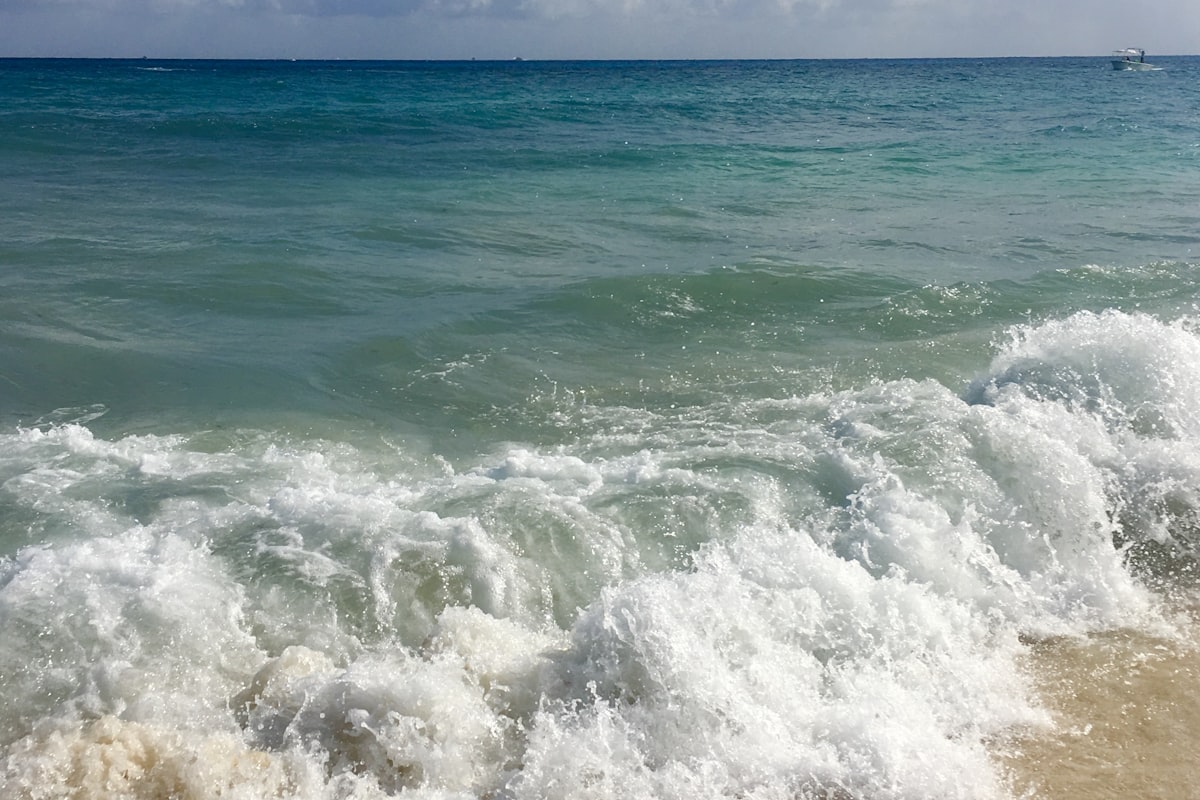
Playa del Carmen is the beach town that digital nomads have quietly colonised on Mexico's Caribbean coast. Where CDMX gives you culture, chaos, and urban energy, Playa gives you turquoise water, white sand, cenotes, and a pace of life built around sunshine and saltwater. You wake up, walk to the beach, open your laptop at a cafe on 5th Avenue, and somehow bills get paid.
It's touristy — no getting around that. Fifth Avenue is a pedestrian shopping mall dressed up as a street. But step two blocks west and you're in actual Mexico: taco stands with plastic chairs, fruit vendors, locals going about their lives. The trick to Playa is learning where the tourist zone ends and real life begins. That's where the value is.
For the nomad who wants to work from the Caribbean without sacrificing internet speeds or community, Playa still delivers — if you know what you're doing.
Quick Start: Your First Week
Don't try to figure everything out before you arrive. Here's a practical first-week plan:
Day 1-2: Land at Cancun airport (CUN). Take the ADO bus to Playa (~220 MXN / $12 USD). Check into a short-term Airbnb in Centro — you'll want to be walkable to everything while you get your bearings. Buy a Telcel SIM at an OXXO store (200 MXN / $11 USD for a starter pack with data).
Day 3-4: Walk the neighbourhoods. Visit Centro, check out the CTM area for longer-term apartments, and swing through Coco Beach to see if the vibe fits. Test WiFi at cafes using WiFi Speed Test in Sour Mango. Talk to at least two coworking spaces in person — pricing is often more flexible than what's posted online.
Day 5-6: Lock in your apartment. Most landlords want a one-month deposit plus first month. Pay in MXN, not dollars — you'll get a better rate. Use Sour Mango's Currency Converter to make sure you're not getting ripped off at the exchange house. Sign up for a coworking space or identify your rotation of work-friendly cafes.
Day 7: Settle in. Stock the fridge from Chedraui or Walmart (yes, there's a Walmart — and it's cheap). Do a cenote trip. You live here now.
In Sour Mango: Use the AI Trip Planner before arrival to map out your first week. Packing Lists will remind you to bring reef-safe sunscreen, a waterproof laptop sleeve, and mosquito repellent — the three things every Playa nomad wishes they'd packed.
The Internet Situation
Beach town internet has a reputation for being unreliable, and five years ago that was fair. Today, Playa is solid — not CDMX-solid, but workable.
Home connections: Telmex and Totalplay fibre deliver 50-200 Mbps in most apartments. Always test before signing a lease. Some older buildings in Centro still run on copper — avoid those. Apartments in newer developments in CTM and Coco Beach almost always have fibre available.
Coworking speeds: 100-300 Mbps with backup connections. Nest and Bunker both have redundant ISPs, which matters during storm season.
Cafe WiFi: 15-50 Mbps on a good day. Honestly inconsistent. Some cafes throttle after an hour to encourage turnover. The ones I list below are tested and reliable.
Mobile data: Telcel has the best coverage in the Riviera Maya. A monthly plan with 15-20GB runs 300-500 MXN ($17-$28 USD). Decent as a backup hotspot.
The real talk: Power outages happen, especially June through November during hurricane season. A portable battery bank and mobile hotspot aren't optional here — they're part of your work kit.
In Sour Mango: Run WiFi Speed Test at every cafe and apartment you're considering. The app logs your results by location so you can compare spots over time. This is genuinely one of the most useful features for Playa specifically, because WiFi quality varies block by block.
Cost of Living
Playa is more expensive than most of Mexico but cheaper than Tulum and far cheaper than Cancun's hotel zone. The key variable is how close you live to the beach and how much you eat on 5th Avenue versus local spots.
Budget Tier (~$1,200 USD/month)
| Category | Monthly Cost (USD) | MXN Equivalent |
|---|---|---|
| Rent (studio, CTM area) | $450-$600 | 8,000-10,800 MXN |
| Coworking (hot desk) | $80-$120 | 1,440-2,160 MXN |
| Groceries + local food | $250-$300 | 4,500-5,400 MXN |
| Transport (bike + colectivos) | $30-$50 | 540-900 MXN |
| Fun + social | $100-$150 | 1,800-2,700 MXN |
| Health insurance | $60-$80 | 1,080-1,440 MXN |
| Phone + misc | $30-$50 | 540-900 MXN |
This is doable but tight. You're cooking most meals, cycling everywhere, skipping the beach clubs, and choosing cenotes (free or 100-200 MXN entry) over boozy brunches.
Comfortable Tier (~$2,000 USD/month)
| Category | Monthly Cost (USD) | MXN Equivalent |
|---|---|---|
| Rent (1BR, near beach or Coco Beach) | $750-$1,000 | 13,500-18,000 MXN |
| Coworking (dedicated desk) | $120-$180 | 2,160-3,240 MXN |
| Food (mix of cooking + restaurants) | $350-$450 | 6,300-8,100 MXN |
| Transport (bike + occasional taxi) | $50-$80 | 900-1,440 MXN |
| Fun + social + day trips | $250-$350 | 4,500-6,300 MXN |
| Health insurance | $60-$80 | 1,080-1,440 MXN |
| Phone + misc | $50-$70 | 900-1,260 MXN |
At this level, you eat out regularly, take weekend trips to Tulum or Cozumel, and can occasionally treat yourself to a beach club day without guilt.
In Sour Mango: Pull up Playa del Carmen in Destinations for living cost benchmarks updated by other nomads. Use Currency Converter every time you're quoted a price — tourist-facing businesses love to quote in dollars at a terrible exchange rate. Price Checker helps you compare what locals pay versus what you're being charged.
The Visa Situation
The 180-Day FMM (Tourist Entry)
Most nationalities get stamped in for up to 180 days on arrival — no application, no fee at the border (the fee is included in your flight ticket). This is officially called the Forma Migratoria Multiple (FMM).
Critical detail: Immigration officers can stamp you for less than 180 days. It's at their discretion. If you get stamped for 30 or 60 days, you can visit an INM (immigration) office to request an extension — but it's a bureaucratic headache. Fly in with a return ticket or onward travel proof, dress presentably, and politely mention you'll be staying for tourism for several months. Most people get 180 days without issues.
You cannot legally work for a Mexican company on an FMM. Remote work for foreign clients exists in a grey zone — Mexico doesn't have a digital nomad visa (yet), and enforcement is essentially nonexistent.
Temporary Resident Visa (Residente Temporal)
If you want to stay longer than 180 days or want legal certainty, apply for a Temporary Resident Visa at a Mexican consulate in your home country before arriving. Requirements:
- Income: Proof of ~$2,500 USD/month (approximately 45,000 MXN) in income for the last 6 months, OR
- Savings: Bank statements showing ~$40,000 USD (approximately 720,000 MXN) average balance over the last 12 months
The visa is issued for 1 year initially and renewable up to 4 years. It allows you to live in Mexico full-time. Work permits are a separate add-on.
In Sour Mango: Visa Requirements shows you the exact entry rules for your passport. Visa Tracking counts down your 180 days so you don't accidentally overstay — overstaying results in fines and potential entry bans. Set it up the day you arrive.
Neighbourhoods: Where to Live
Centro / Quinta Avenida (5th Avenue) Area
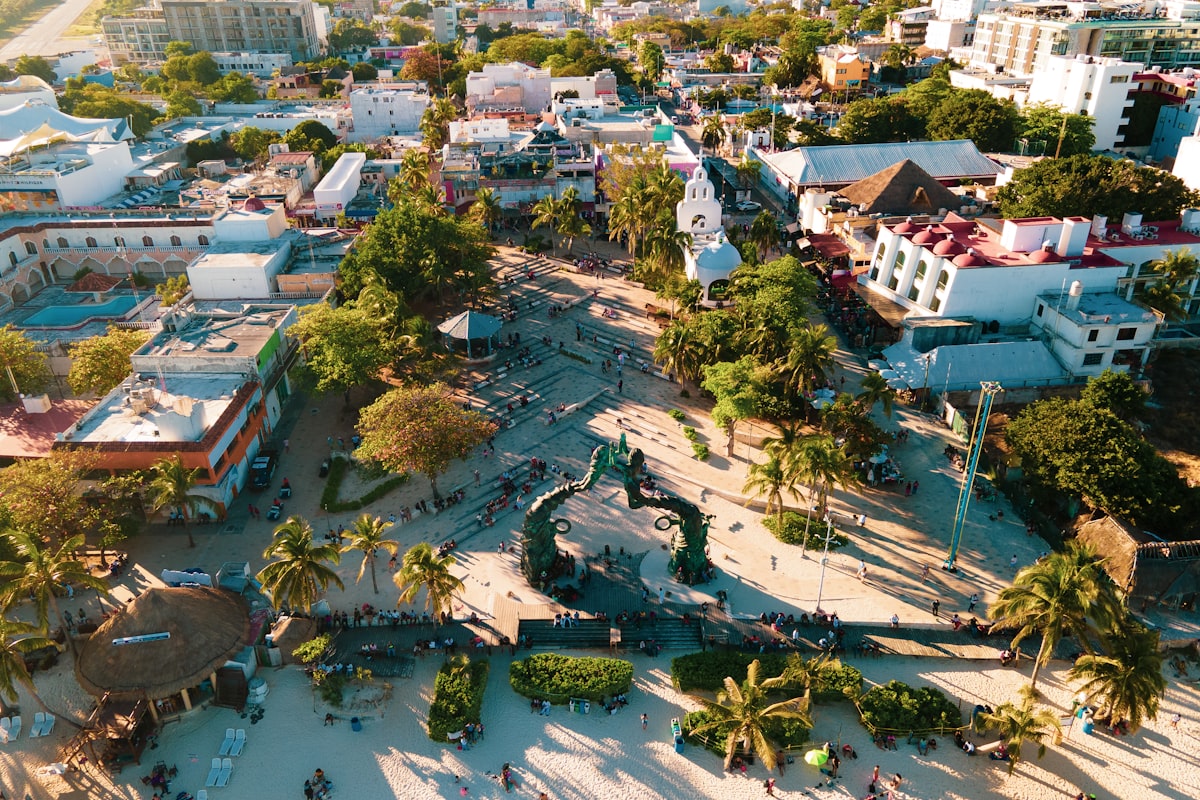
The beating heart of tourist Playa. Fifth Avenue is a long pedestrian strip running parallel to the beach, packed with restaurants, bars, and shops. Living here puts you within walking distance of everything — coworking, cafes, the beach, nightlife.
Pros: Maximum convenience. You never need transport. The best cafe and coworking density.
Cons: Noisy, especially Thursday through Sunday nights. Tourist markup on everything. Street touts get old fast.
Rent: $550-$900 USD/month (9,900-16,200 MXN) for a studio or 1BR.
Best for: Short-term stays (1-3 months), social nomads, people who want to be in the action.
CTM Area (North Playa)
North of the tourist centre, CTM is where long-term nomads and expats settle. It's more Mexican — local tiendas, street food vendors, neighbourhood parks. The cafe scene has grown significantly in recent years, and it's a straight 10-minute bike ride to 5th Avenue and the beach.
Pros: Significantly cheaper rent. Authentic neighbourhood feel. Less noise. Chedraui supermarket right there.
Cons: Further from the beach (15-20 min walk). Fewer English speakers. Some streets feel quiet at night.
Rent: $400-$650 USD/month (7,200-11,700 MXN) for a studio or 1BR.
Best for: Budget nomads, long-term stays, people who want to live in Mexico rather than on vacation.
Coco Beach (Fraccionamiento Coco Beach)
A newer residential development northeast of the centre. Clean streets, modern apartment complexes, growing restaurant scene. It strikes a good balance between local prices and comfortable living.
Pros: Modern apartments with good amenities (pools, gyms). Quieter than Centro. Decent walkability.
Cons: Less character. Can feel a bit suburban. Limited nightlife.
Rent: $600-$900 USD/month (10,800-16,200 MXN) for a furnished 1BR.
Best for: Nomads who want a comfortable base and don't mind biking to the beach.
Playacar (Phase 1 and Phase 2)
A gated community south of Centro, split into two phases. Phase 1 has more character — older homes, tree-lined streets, a Mayan ruin inside the neighbourhood (seriously). Phase 2 is the resort zone — all-inclusives and golf courses.
Pros: Safe, green, quiet. Playacar beach is less crowded than the main beaches. Good for families or anyone who wants peace.
Cons: Isolated from the town's social scene. You'll need a bike or scooter. Limited food options inside the gates.
Rent: $650-$1,100 USD/month (11,700-19,800 MXN) for a 1BR or house.
Best for: Families, couples, introverts, anyone who wants a quiet residential feel.
In Sour Mango: Browse real neighbourhood breakdowns in Destinations — other nomads rate areas by WiFi, walkability, safety, and vibe. Use Share Location to let your travel mates know which neighbourhood you've landed in.
Coworking Spaces
Nest Coworking (5th Avenue area)
The flagship nomad hub of Playa. Great community, regular events (pizza nights, skill shares, weekend trips). The WiFi is reliable at 150+ Mbps with backup. Air-conditioned, which matters more than you think when it's 35C and 90% humidity outside.
- Hot desk: 2,500 MXN/month (~$140 USD)
- Dedicated desk: 3,600 MXN/month (~$200 USD)
- Day pass: 250 MXN (~$14 USD)
- Meeting rooms available
Bunker Coworking (Calle 30 and 5th Avenue)
More professional and less "digital nomad backpacker" than Nest. Attracts freelancers and remote workers who want to put their head down. Clean design, standing desks available, phone booths for calls.
- Hot desk: 2,200 MXN/month (~$122 USD)
- Dedicated desk: 3,200 MXN/month (~$178 USD)
- Day pass: 220 MXN (~$12 USD)
Selina Playa del Carmen (5th Avenue near Calle 6)
Part of the global Selina chain — coliving and coworking combined. The coworking is decent, but the real draw is the built-in community if you're staying at the hostel. Pool, bar, events. The vibe is younger and more social.
- Coworking membership: 2,700 MXN/month (~$150 USD)
- Day pass: 280 MXN (~$16 USD)
- Coliving + coworking packages available
Terminal ADN (near Constituyentes Avenue)
A lesser-known spot popular with Mexican remote workers and entrepreneurs. Less English spoken here, which is great for your Spanish. Affordable, no-frills, reliable internet.
- Hot desk: 1,800 MXN/month (~$100 USD)
- Day pass: 180 MXN (~$10 USD)
Werks Coworking (Calle 34 between 5th and 10th)
Opened more recently and built with remote workers in mind. Good AC, ergonomic chairs, solid coffee. Smaller community but the space itself is well-designed.
- Hot desk: 2,400 MXN/month (~$133 USD)
- Dedicated desk: 3,400 MXN/month (~$189 USD)
In Sour Mango: Check coworking reviews and WiFi speeds other nomads have logged in Destinations. Run WiFi Speed Test during your trial day — test in the morning and afternoon, because speeds can dip when the space fills up after lunch.
Work-Friendly Cafes
Not every day needs to be a coworking day. These cafes have been tested for reliable WiFi, available outlets, and a tolerance for laptop workers.
Ah Cacao Chocolate Cafe (5th Avenue at Calle 30)
A Playa institution. Good coffee, excellent hot chocolate, consistent WiFi at 25-35 Mbps. Multiple outlets. Air-conditioned. They don't hassle you for staying — buy something every couple of hours and you're fine. Americano: 65 MXN (~$3.60 USD).
La Vagabunda (Calle 38 between 5th and 10th)
The best coffee in Playa, full stop. Single-origin beans, great pour-over. Small space with a laidback vibe. WiFi runs 20-30 Mbps. Popular with nomads so arrive before 10am for a seat with an outlet. Latte: 75 MXN (~$4.20 USD).
Chez Celine (5th Avenue at Calle 34)
French bakery and cafe. The pastries are dangerous for productivity but the WiFi is solid at 30-40 Mbps. Good workspace upstairs with fewer distractions. Croissant + coffee combo: 110 MXN (~$6 USD).
Burdo Coffee (Constituyentes Avenue)
A local favourite away from the tourist strip. Strong espresso, minimal decor, serious work energy. WiFi at 20-30 Mbps. Less crowded than 5th Avenue cafes. Espresso: 50 MXN (~$2.80 USD).
El Cafecito (Calle 2 between 5th and 10th)
Low-key spot near the ferry terminal. Good breakfast burritos and decent coffee. WiFi wobbles around 15-25 Mbps — fine for writing and email, not ideal for video calls. But the food-to-price ratio is excellent. Breakfast + coffee: 120 MXN (~$6.70 USD).
Chou Chou Coffee Lab (Calle 30)
Specialty coffee with a modern feel. Reliable WiFi, good AC, and they actively welcome remote workers. One of the newer spots that gets the nomad cafe formula right. Flat white: 80 MXN (~$4.45 USD).
In Sour Mango: Log your WiFi Speed Test results at each cafe. Your data helps other nomads in the community find reliable work spots, and you can check other people's logs before trekking across town.
The Food
Playa's food scene spans Yucatecan specialties, Caribbean seafood, international restaurants, and — critically — street food that costs almost nothing and tastes incredible. Here's what to eat and where.
Must-Try Local Foods
Tacos al Pastor — Spit-roasted pork with pineapple, cilantro, and onion on a soft corn tortilla. Available everywhere, but the best come from street stands. 15-25 MXN each (~$0.85-$1.40 USD). Hit up the taco stands on Calle 30 between 15th and 20th Avenue for the real deal.
Cochinita Pibil — Slow-roasted pork marinated in achiote paste and sour orange, wrapped in banana leaves. The signature dish of the Yucatan. Order it in tacos, tortas, or on a plate with pickled red onion. 35-70 MXN (~$2-$4 USD). Cochinita Naomy on Calle 36 is a local favourite for a reason.
Ceviche — Fresh fish or shrimp cured in lime juice with tomato, onion, cilantro, and chilli. Beach town ceviche hits different. 80-150 MXN (~$4.45-$8.35 USD) at a restaurant, cheaper from beach vendors but food safety is your call.
Marquesitas — Thin, crispy rolled crepes filled with Nutella, cajeta (caramel), and Edam cheese. Street dessert that shouldn't work but absolutely does. 25-40 MXN (~$1.40-$2.20 USD). The vendors on 5th Avenue near Parque Fundadores are solid.
Salbutes — Puffy fried tortillas topped with shredded turkey or chicken, pickled onion, avocado, and habanero salsa. Light, crunchy, addictive. 20-35 MXN each (~$1.10-$2 USD).
Panuchos — Similar to salbutes but the tortilla is stuffed with refried black beans before frying. Heartier and messier. 20-35 MXN each (~$1.10-$2 USD).
Agua de Chaya — A bright green drink made from chaya leaves (tree spinach), lime, and sugar. Looks like swamp water, tastes surprisingly refreshing. A Yucatecan thing. 20-35 MXN (~$1.10-$2 USD).
Poc Chuc — Grilled pork marinated in sour orange and served with black beans and pickled onion. Simple and satisfying. 60-100 MXN (~$3.35-$5.55 USD) at local restaurants.
Specific Spots to Eat
- El Fogon (Constituyentes Avenue) — Possibly the best tacos al pastor in Playa. Always packed with locals. Expect to wait. Worth it.
- Taqueria El Oasis (30th Avenue at Calle 28) — Late-night taco spot. Suadero and longaniza tacos. Cheap, fast, excellent.
- Cochinita Naomy (Calle 36) — The cochinita pibil torta here is a perfect lunch.
- La Cueva del Chango (Calle 38 near 5th) — Best breakfast in Playa. Tropical garden setting. Huevos motulenos are the move. Pricier but worth a once-a-week treat. Mains: 120-180 MXN (~$6.70-$10 USD).
- Don Sirloin (30th Avenue) — If you need a proper steak dinner without tourist prices. Quality cuts at fair prices.
- Mercado 30 (30th Avenue) — Not the cheapest food hall but a good variety of stalls under one roof. Good for when you can't decide what you want.
In Sour Mango: Local Food shows you neighbourhood food recommendations from other nomads, not tourist review sites. Price Checker lets you compare what dishes should cost — if you're paying more than 30 MXN for a taco al pastor, you're in the wrong spot.
Getting Around
Playa del Carmen is a flat, compact town. Most of your daily life will happen within a 2-3 km radius, which makes transport simple and cheap.
Bicycle: The best option for daily life. Flat terrain, manageable distances, and you skip the traffic on 5th Avenue entirely. Monthly rental from local shops: 900-1,500 MXN ($50-$83 USD). Buy a used bike on Facebook Marketplace for 2,000-4,000 MXN ($111-$222 USD) if you're staying 3+ months.
Colectivos: Shared minivans that run along Highway 307 connecting Playa to Cancun (north) and Tulum (south). Flag them down on the highway. To Cancun: 45-55 MXN (~$2.50-$3 USD). To Tulum: 40-50 MXN (~$2.20-$2.80 USD). Frequent, cheap, crowded. The authentic Riviera Maya experience.
ADO Bus: First-class buses for longer trips. Playa's ADO terminal is on 5th Avenue at Juarez. To Cancun airport: 220 MXN (~$12 USD). To Merida: 450-550 MXN (~$25-$30 USD). To Valladolid: 200-280 MXN (~$11-$16 USD). Comfortable, air-conditioned, reliable schedules.
Cozumel Ferry: Ultramar and Winjet ferries to Cozumel depart from the dock at the end of Calle 1. Round trip: 380-450 MXN (~$21-$25 USD). Takes about 45 minutes. Great day trip for diving.
Uber/Didi: Both apps work in Playa but taxi unions actively resist ride-hailing services. Drivers may ask you to sit in the front seat and not look at your phone. It works, but it's awkward. Regular taxis within town: 40-80 MXN (~$2.20-$4.45 USD).
In Sour Mango: Save your common routes and transport costs in Nomad Essentials for quick reference. Share Location is useful when you're coordinating colectivo meetups with friends heading to the same cenote.
Healthcare
Healthcare in Playa is adequate for most needs, with Cancun (45 minutes away) providing full hospital care for anything serious.
Clinics: Walk-in clinics like Farmacias Similares have attached doctor's offices where consultations cost 40-60 MXN (~$2.20-$3.35 USD) — sometimes free with a pharmacy purchase. Good for basic issues: stomach bugs, infections, prescriptions.
Hospital: Hospiten Playa del Carmen (Av. 10 at Calle 28) is the main private hospital. Quality care, many doctors speak English. A basic consultation runs 800-1,500 MXN (~$44-$83 USD) without insurance.
Dentistry: Mexico is famous for affordable dental work. Expect to pay 30-60% of US prices. Many nomads time dental visits for their Mexico stays.
Pharmacy: Farmacias Similares and Farmacias del Ahorro are everywhere. Most antibiotics, anti-inflammatories, and common medications are available over the counter without a prescription for a fraction of US/EU prices.
Insurance: Don't skip it. SafetyWing, World Nomads, or Genki are popular among nomads. Budget $60-$80 USD/month for solid coverage. Hurricane season makes this non-negotiable.
Common health issues: Stomach problems in your first week (the "Montezuma's Revenge" is real — ease into street food), sunburn (the Caribbean sun is no joke), mosquito bites (dengue exists here — use repellent).
In Sour Mango: Save your insurance details, local clinic addresses, and emergency contacts in Nomad Essentials so they're accessible even offline. Offline Translation is invaluable at pharmacies and clinics where English isn't always available.
Community and Social Life
Playa has a solid nomad community — smaller and tighter than CDMX or Lisbon, but genuinely welcoming. The town's size means you keep running into the same people, which accelerates friendships.
Online Groups
- Playa del Carmen Digital Nomads (Facebook) — The main group. Apartment recommendations, meetup announcements, visa questions.
- Expats in Playa del Carmen (Facebook) — More long-term residents, good for practical local knowledge.
- Playa del Carmen Reddit (r/playadelcarmen) — Smaller but useful for unfiltered opinions.
In-Person
- Nest Coworking events — Weekly meetups, skill-sharing sessions, Friday drinks. The easiest entry point into the community.
- Language exchange meetups — Several weekly Spanish/English exchanges at bars and cafes. Good for meeting locals too.
- Beach volleyball — Informal games on the main beach, usually late afternoon. Show up and ask to join.
- Full moon events — Not the Thailand kind. More mellow, beachside gatherings. Check local event pages.
Activities
- Cenotes — Hundreds of freshwater sinkholes within an hour's drive. Cenote Azul (free entry), Gran Cenote near Tulum (300 MXN / $17 USD), Cenote Suytun (200 MXN / $11 USD). One of the best things about the Yucatan, full stop.
- Diving and snorkelling — The Mesoamerican Reef is the second largest in the world. Two-tank dive: 1,800-2,500 MXN ($100-$139 USD). Cenote diving is a bucket-list experience.
- Day trips — Tulum ruins (1 hour south), Cozumel island (45-min ferry), Valladolid colonial town (2 hours), Chichen Itza (2.5 hours), Sian Ka'an biosphere reserve.
- Kite and paddleboard — Kite season runs November through March. Rentals and lessons available on the north beach.
In Sour Mango: Mates matches you with nomads in your area — filter by interests, profession, or just "who's around this week." Tribes lets you find or create groups: "Playa Divers," "Cenote Explorers," "5th Avenue Cafe Hoppers" — whatever your thing is. The community features are where Sour Mango really shines in a town this size, because the nomad population turns over constantly and you need a way to meet the new arrivals.
The Downsides (Honest)
No guide is useful if it only sells you the dream. Here's the reality.
Humidity: Playa is hot and humid most of the year. 30-35C with 70-90% humidity from May through October. Your laptop gets warm. You get sweaty walking five minutes. Air conditioning isn't optional — make sure your apartment has it, and budget for the electricity bill (which can add 500-1,000 MXN/month to your costs).
Sargassum seaweed: Seasonal blooms of brown seaweed wash up on Caribbean beaches, roughly March through August. Some years are worse than others. When it's bad, beaches are covered and the water smells sulphurous. It's not the postcard-perfect turquoise you signed up for. Check recent reports before booking.
Tourist prices: Anything on 5th Avenue or within two blocks of the beach charges a premium — often 50-100% more than the same thing five blocks inland. Learn where locals eat and shop. This is the single biggest factor in whether Playa feels expensive or affordable.
Hurricane season: June through November. Real storms are relatively rare, but when they hit, they shut the town down completely. Have insurance. Have a plan. Keep important documents in waterproof storage.
Safety: Playa is generally safe for tourists and nomads, but petty crime exists — phone snatching, bag theft, taxi scams. The occasional cartel-related incident makes international news but rarely affects the tourist zone. Use common sense: don't flash expensive gear, be cautious in unfamiliar areas at night, and don't buy drugs from strangers (this should be obvious but apparently isn't).
The expat bubble: It's easy to spend months in Playa and never meaningfully interact with Mexican culture. 5th Avenue is essentially an outdoor mall. Making local friends and learning Spanish requires deliberate effort here more than in most Mexican cities.
Construction noise: Playa is growing fast, and there's construction everywhere. Check the area around any apartment before signing — a building site next door will ruin your mornings.
In Sour Mango: Check real-time nomad reviews in Destinations — other users flag sargassum conditions, construction zones, and neighbourhood changes that guidebooks miss. Offline Translation helps you navigate situations where English won't cut it.
The Bottom Line
Playa del Carmen is the Caribbean coast nomad base that rewards you for going beyond the tourist strip. The cenotes are world-class. The street food is cheap and incredible. The weather is warm year-round. 180 days visa-free means you can settle in properly without paperwork stress.
It's not perfect — the humidity is oppressive, the seaweed is a gamble, and 5th Avenue will try to charge you double for everything. But if you learn the local spots, find your neighbourhood, and build a routine around the beach-to-laptop-to-taco cycle, Playa offers a quality of Caribbean life that's hard to beat at this price point.
Budget nomads can make it work for $1,200/month. Comfortable living with regular restaurants and weekend trips lands around $2,000/month. Both are a fraction of what similar beach-and-sun lifestyles cost elsewhere.
The community is real, the internet works, and the cenotes alone are worth the trip.
Plan your Playa del Carmen move, track your 180-day visa countdown, test every cafe's WiFi, and find your Caribbean coast crew — all in Sour Mango.
Travel smarter with Sour Mango
Visa tracking, AI trip planner, WiFi speed tests, and a global nomad community — all in one free app.
Explore more guides
Browse all city guides →