
Porto — Lisbon's Cooler, Cheaper Sibling on the River
Porto is the city that digital nomads discover after Lisbon gets too expensive, too crowded, or too full of other digital nomads. And then they wonder why they didn't come here first.
It's Portugal's second city, but calling it that undersells it completely. Porto has UNESCO-listed streets, the best sandwich in Europe, a wine scene that Lisbon can't touch, and a cost of living that's 15-25% cheaper across the board. The same D8 digital nomad visa works here. The same fibre internet. The same path to EU residency. You just get it all with better port wine and fewer influencers blocking the sidewalk.
If you're looking for an authentic, affordable European base with real character, Porto is the move.
The Internet Is Solid
Portugal invested heavily in fibre infrastructure, and Porto benefits just as much as Lisbon. Apartments with MEO or NOS fibre deliver 100-500 Mbps. Most buildings in the centre have fibre available — ask your landlord which provider they use before signing.
Coworking spaces average 100-300 Mbps. Cafe WiFi varies widely: 20-80 Mbps depending on the spot.
Mobile: A prepaid NOS or Vodafone SIM with 15-30GB runs €10-€20/month. For heavier usage, unlimited data plans cost €25-€30/month. You can pick up a SIM at the airport or any NOS/Vodafone store downtown. MEO also has decent options.
Pro tip: Use the WiFi Speed Test in Sour Mango before you settle into a cafe for a four-hour work session. Some of Porto's prettiest cafes have the worst connections, and some hole-in-the-wall spots have blazing speeds. Build your personal WiFi map of the city.
Cost of Living: Cheaper Than Lisbon, Seriously
This is Porto's biggest selling point for nomads. You get comparable quality of life to Lisbon at noticeably lower prices — especially rent, which is the biggest line item in any nomad's budget.
Budget Nomad (~€1,300/month)
- Rent: €550-€750 — studio in Cedofeita, Bonfim, or Campanhã
- Coworking: €80-€130 — hot desk at CRU or Porto i/o Riverside
- Food: €250-€350 — daily menus at tascas, cooking at home, market shopping
- Transport: €40 — monthly Andante card for metro and bus
- Phone: €15 — prepaid SIM
- Fun: €150-€200 — port wine tastings, weekend trips, going out
- Health insurance: €60-€80
Comfortable Nomad (~€2,200/month)
- Rent: €850-€1,200 — one-bedroom in Ribeira, Cedofeita, or Foz do Douro
- Coworking: €130-€200 — dedicated desk at Porto i/o or Selina
- Food: €400-€500 — eating out regularly, nice dinners, speciality coffee habit
- Transport: €40 — Andante card
- Phone: €20
- Fun: €300-€400 — Douro Valley day trips, port cellars, surf lessons at Matosinhos
- Health insurance: €60-€80
For context: Lisbon's budget tier starts at €1,500 and comfortable at €2,500. That €200-€300/month difference adds up fast — over a year, Porto saves you €2,400-€3,600. That's a month of living expenses, just from choosing the right city.
In Sour Mango: Open Porto in the Destinations tab for the full cost breakdown with current averages. Use the Currency Converter for live EUR rates against your home currency — especially useful if you're paid in USD or GBP and watching exchange rate fluctuations.
The Visa: Portugal's D8 Digital Nomad Visa
The same visa that makes Lisbon attractive works nationwide. Porto is a fully valid base for the D8, and anecdotally, the immigration office (AIMA) here is less overwhelmed than the Lisbon one.
D8 Visa Details:
- 1-year residency (renewable for up to 5 years)
- Must earn at least 4x Portugal's minimum wage (~€3,480/month in 2026)
- Income must come from outside Portugal
- Can lead to permanent residency and eventually Portuguese/EU citizenship
- Includes access to Portugal's public healthcare system (SNS)
- Grants Schengen Area freedom of movement
Requirements:
- Proof of remote employment or freelance income (3-6 months of bank statements)
- Tax residency registration in Portugal (Finanças office)
- Health insurance (or SNS enrolment after registration)
- Criminal background check from your home country (apostilled)
- Proof of accommodation in Portugal
- Application fee: ~€90
NHR Tax Regime (Updated)
Portugal's Non-Habitual Resident tax programme was revised in 2024 but still offers benefits. Flat 20% income tax on Portuguese-sourced income for certain qualifying professions, with potential exemptions on foreign income. The rules change frequently — consult a Portuguese tax advisor. Several English-speaking firms in Porto specialise in nomad tax situations, including Belion Partners and Lisbob (which despite the name covers all of Portugal).
Porto Advantage
Porto's AIMA office on Rua de Santa Catarina processes fewer applications than Lisbon's. Appointments are easier to book, waits are shorter, and the staff are reportedly more patient. If you're applying from inside Portugal, Porto is the better city to do it from.
In Sour Mango: Use Visa Requirements to check Portugal's entry rules for your specific passport. Add your D8 to Visa Tracking for countdown alerts before renewal deadlines — missing a renewal window can mess up your residency timeline.
Best Neighbourhoods for Nomads
Ribeira / Centro Histórico
Best for: Atmosphere, riverside beauty, walkability
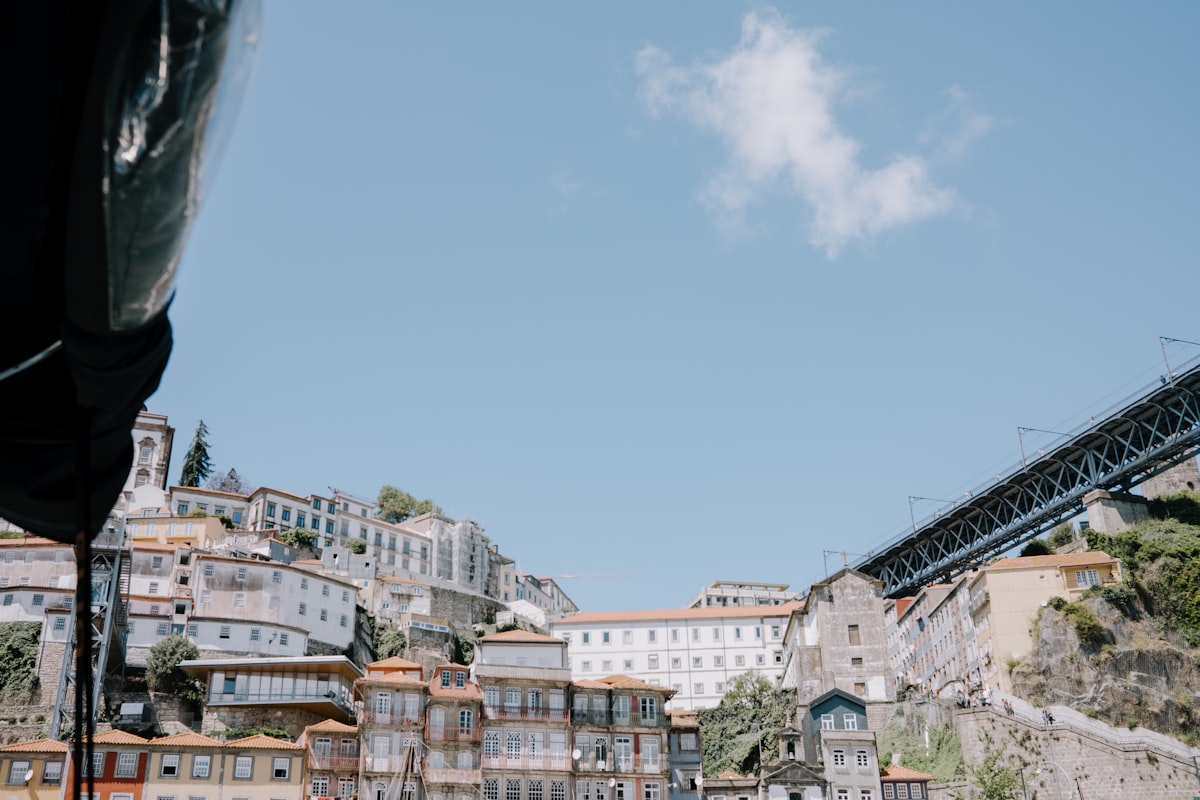
Porto's UNESCO World Heritage waterfront. The colourful buildings stacked along the Douro are what you see in every photo — and yes, it really looks like that. Tourist-heavy by day, empties at night. Stunning views, proximity to Gaia's port cellars, central location. €700-€1,100/month. Some apartments are old and lack insulation — inspect before signing. Waterfront restaurants are overpriced; walk two blocks uphill for local prices.
Cedofeita / Bonfim
Best for: Daily life, creatives, best cafe scene
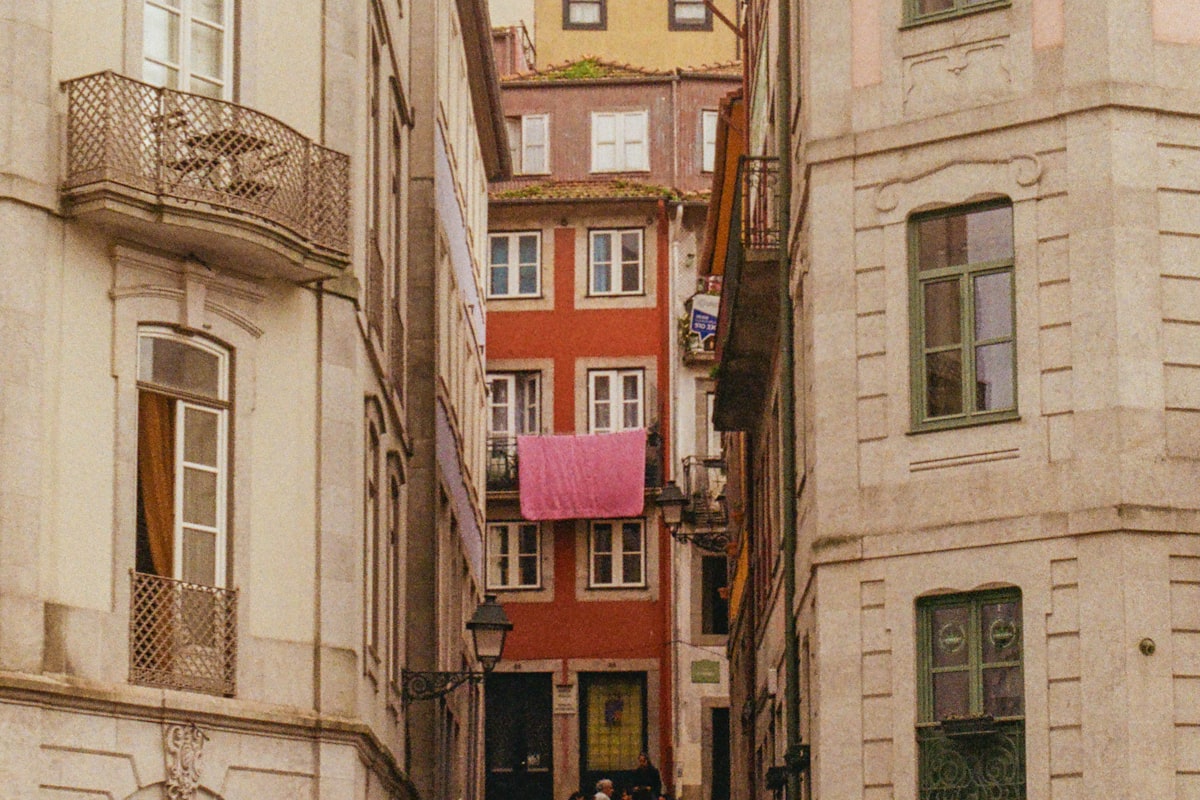
Where most nomads actually live. Cedofeita and adjacent Bonfim are Porto's trendiest areas — galleries along Rua Miguel Bombarda, vintage shops, third-wave coffee roasters, growing food scene. Bonfim is slightly cheaper and edgier. €550-€900/month for a studio or one-bedroom. Rua de Cedofeita for shopping, Mercado do Bolhão nearby. Highest concentration of work-friendly cafes in the city.
Foz do Douro
Best for: Beach access, ocean sunsets, upscale quiet living
Where the Douro meets the Atlantic. Porto's most upscale residential area — tree-lined streets, seafood restaurants, Passeio Alegre gardens, and beach access. €750-€1,200/month. Praia do Molhe for beach walks, tram connects to Ribeira, Casa da Música metro on the edge. Best sunset views from the Pergola da Foz.
Vila Nova de Gaia
Best for: Port wine lovers, views back at Porto, budget option
Technically a different city across the Douro, connected by the Dom Luís I Bridge. Home to the port cellars — Taylor's, Graham's, Sandeman, Cálem — with views back at Ribeira that are arguably better than being there. €500-€850/month. Walking distance across the bridge or metro Line D. Gaia cable car, riverside boardwalk. Fewer dining options but improving.
Campanhã
Best for: Budget nomads, emerging neighbourhood energy
Porto's eastern district. Less polished, more affordable, changing fast. The Campanhã Intermodal Terminal has brought investment — new cafes, restaurants, creative spaces. €400-€650/month. Train station connects to the entire country, 15-minute metro ride to the centre. Fewer tourist amenities, more local character, growing arts scene.
In Sour Mango: Browse Porto's neighbourhood breakdown in the Destinations guide. Use the AI Trip Planner to schedule neighbourhood visits during your first week so you can decide where to settle.
Coworking Spaces
Porto i/o
Porto's best and most established coworking network. Multiple locations — Porto i/o Riverside (near Ribeira), Porto i/o Downtown (Rua de Cândido dos Reis), and Porto i/o Senhora do Porto. Strong community vibe, regular events, networking drinks, and a mix of locals and nomads.
- Day pass: €15
- Hot desk monthly: €120
- Dedicated desk: €180
- WiFi: 200+ Mbps
CRU Cowork
Creative-focused space on Rua do Rosário in Cedofeita. Popular with designers, developers, and freelancers. Smaller and more intimate than Porto i/o. Good natural light, meeting rooms, and a kitchen.
- Hot desk monthly: €100
- Dedicated desk: €150
- WiFi: 150+ Mbps
Selina Porto
Part of the global Selina coliving/coworking network, located near Aliados. Combines accommodation and workspace. Good for short stays or nomads who want a ready-made social environment without apartment hunting.
- Day pass: €18
- Monthly coworking: €150
- Coliving + coworking: €700-€1,000/month
- WiFi: 100+ Mbps
Synco Cowork
Newer space in Boavista with a professional, modern feel. Phone booths, standing desks, meeting rooms. More corporate-friendly if you need to impress on video calls.
- Day pass: €20
- Hot desk monthly: €140
- Dedicated desk: €200
- WiFi: 300+ Mbps
In Sour Mango: Run the WiFi Speed Test at each space during your trial days. Compare with the Price Checker to see how Porto's coworking rates stack up against other nomad cities.
Work-Friendly Cafes
Porto's cafe scene is one of the best in Europe for laptop workers. Here are the spots that actually welcome you to stay.
- Combi Coffee Roasters (Bonfim) — Specialty roaster with fast WiFi, power outlets, and a "stay as long as you want" attitude. Flat white: €3. The cinnamon rolls are dangerous
- Mesa 325 (Cedofeita) — Bright, spacious, and openly laptop-friendly. Good brunch menu. WiFi: ~50 Mbps. Americano: €2.50
- Nego (Rua de Passos Manuel) — Small, excellent coffee, reliable WiFi. Locals and nomads mix. Espresso: €1.50
- Leitaria da Quinta do Paço (Praça Guilherme Gomes Fernandes) — Historic milk bar turned specialty cafe. Beautiful azulejo tiles. WiFi is decent. Galão: €1.80
- Bop (Cedofeita) — Vinyl cafe with DJs on weekends, workspace on weekdays. Good for afternoon sessions. Filter coffee: €2.50
- Cattivo (Bonfim) — Wine bar by night, quiet work cafe by morning. Espresso: €1.20. WiFi: ~40 Mbps
In Sour Mango: Use the WiFi Speed Test at each cafe and keep notes. The Nomad Essentials tab flags the best-rated cafes from other Sour Mango users in Porto.
The Food
Porto's food scene is reason enough to move here. It's hearty, unpretentious, absurdly good, and significantly cheaper than Lisbon.
Must-Try Dishes:
- Francesinha — Porto's legendary, unapologetic sandwich: layers of cured ham, linguiça sausage, fresh sausage, and steak, covered in melted cheese, drenched in a spicy beer-tomato sauce, served with fries. €8-€12. This is not health food. This is a spiritual experience. Best versions at Café Santiago (Rua de Passos Manuel) or Lado B (Rua de Passos Manuel). Avoid tourist traps on the waterfront
- Bacalhau à brás — Shredded salt cod with scrambled eggs, crispy matchstick potatoes, and olives. Portugal's national obsession, and Porto does it beautifully. €8-€12 at most tascas
- Tripas à moda do Porto — Tripe and white bean stew. Porto locals have been called "tripeiros" (tripe eaters) since the 15th century, and they wear it as a badge of honour. €7-€10. Try it at A Cozinha do Manel (Rua do Heroísmo)
- Bifana — Thin pork cutlet marinated in garlic, white wine, and paprika, served in a crusty roll. Porto's street food king. €2-€3. Best at Conga (Rua do Bonjardim) — there's always a queue, and it's always worth it
- Pastéis de nata — Custard tarts. Still magnificent here. Nata Lisboa on Rua de Santa Catarina and Manteigaria in Clérigos both do excellent versions. €1.20 each. Budget for at least two per day
- Caldo verde — Kale and potato soup with a round of chouriço floating in it. The most comforting soup on earth. €2-€4
- Arroz de polvo — Octopus rice, cooked slowly until the rice absorbs all the flavour. A Porto coastal classic. €10-€14 at seafood restaurants
- Alheira — A smoked sausage made with poultry and bread instead of pork, originally created by Jewish communities to disguise their dietary practices. Deep-fried and served with rice and a fried egg. €6-€9
Where to Eat:
- Café Santiago — The francesinha temple. Go at 11:30 to avoid the lunch queue
- Cantinho do Avillez — José Avillez's Porto outpost. Refined Portuguese cuisine without the formality. Mains: €14-€22
- Taberna dos Mercadores (Ribeira) — Small plates, big flavours. Good wine list. €20-€30 for a full dinner
- O Paparico — Special occasion spot. Tasting menus of traditional Porto cuisine. €40-€60
- Mercado do Bolhão — Porto's main market, beautifully renovated. Fresh produce, cheese, cured meats, and prepared food stalls. Lunch: €6-€10
Daily Menus (Prato do Dia):
Most local tascas offer a prato do dia for €7-€10 — soup, bread, a main course (usually fish or meat with rice/potatoes), a drink, and a coffee. This is how locals eat lunch, and it's the best food deal in Western Europe.
Port Wine:
You're in the birthplace of port wine. The cellars line the waterfront in Vila Nova de Gaia, and tastings are absurdly affordable:
- Taylor's — Classic cellar tour and tasting from €15. The terrace has the best views in Gaia
- Graham's — Premium tastings from €15. Beautiful lodge
- Sandeman — The most famous brand, guided tours from €15 with tasting
- Cálem — Combines the tour with a fado show. Tours from €18
- Wine Quay Bar (Ribeira side) — If you just want to drink port without a tour. Glasses from €3-€8
In Sour Mango: Use the Price Checker to verify you're not getting tourist-trapped on restaurant prices. Browse Local Food for Porto dish recommendations and user-rated spots. The Offline Translation tool helps decode Portuguese menus — "tripas" is tripe, "miúdos" is offal, and "prego" is a steak sandwich, not a nail.
Transport
Porto is compact and walkable, but the hills are real. Public transport fills the gaps.
Andante Card
€40/month for unlimited metro and bus access across the Porto metropolitan area. Buy it at any metro station. Covers zones that include the airport and Matosinhos beach. Best deal in the city.
Metro
6 lines covering the city centre, airport, Matosinhos, Vila Nova de Gaia, and the eastern suburbs. Clean, reliable, runs from 6am to 1am. The Line D crosses the Dom Luís I Bridge — ride it at sunset.
Buses
STCP buses fill the gaps the metro misses, especially to Foz do Douro. Same Andante card works.
Tram
Three historic lines. The Line 1 from Ribeira to Foz do Douro is gorgeous and a tourist attraction in its own right. Useful if you live in Foz.
Bolt / Uber
Both work well. Typical city ride: €3-€8. Airport to centre: €10-€15.
Getting to the Airport
Porto Airport (OPO) is connected by metro Line E (Violet). 30 minutes to the centre, €2 single ticket or free with your Andante pass. One of the most convenient airport connections in Europe.
Trains
São Bento station (centre) and Campanhã (east) connect Porto to the rest of Portugal. Lisbon: 3 hours by Alfa Pendular, €25-€35. Braga: 1 hour, €3.50. Coimbra: 1.5 hours, €15. Book at cp.pt.
In Sour Mango: The AI Trip Planner can build day trip itineraries from Porto. Use Share Location to coordinate meetups with other nomads across the city.
Healthcare
Portugal has universal healthcare through the SNS (Serviço Nacional de Saúde), and D8 visa holders can register.
- Public healthcare: Free or very low cost after SNS registration at your local health centre (Centro de Saúde)
- Private clinics: A doctor's visit costs €40-€80
- CUF Porto and Hospital da Luz Arrábida: Excellent private hospital networks with English-speaking doctors
- Dental cleaning: €50-€80
- Pharmacy: Well-stocked, often with pharmacists who speak English. Basic medications are affordable
SNS registration can take a few weeks, so arrange private health insurance before you arrive — you need it for the visa anyway. Once registered, the public system handles most things, though wait times for specialists can be long.
In Sour Mango: Store your health insurance details in Nomad Essentials for quick access. Offline Translation helps communicate symptoms if your Portuguese isn't there yet.
The Community
Porto's nomad community is smaller than Lisbon's but growing fast and more tight-knit.
- Porto Digital Nomads — Active Meetup group with weekly coffee meetups and monthly social events
- Porto i/o community — Regular networking events, talks, and after-work drinks
- Surf at Matosinhos — Porto's city beach, 15 minutes by metro. Surf schools offer lessons from €25. Regular nomad surf sessions
- Day trips — Douro Valley wine country (1.5 hours, stunning), Braga (1 hour, Portugal's religious capital), Guimarães (1 hour, birthplace of the nation), Aveiro (1 hour, "Portuguese Venice"), Espinho (30 min, quieter beach town)
- Livraria Lello — One of the world's most beautiful bookstores, right in the city. Go at opening to avoid queues
- Fado in Ribeira — Traditional Portuguese music. More intimate venues than Lisbon. Try Casa da Guitarra for live performances
Porto's smaller size means you keep running into the same people. Within a month, you'll know the regulars at your coworking space, your favourite cafe, and the Tuesday night meetup. That's harder to achieve in Lisbon's larger, more transient scene.
In Sour Mango: Find other nomads in Porto through Mates. Create a Tribe for your Porto crew — surf group, francesinha club, Douro Valley trip buddies. Use Share Location when coordinating meetups across the city.
The Downsides (Honest)
Rain. Real Rain.
Porto gets roughly double the rainfall of Lisbon. November through March is grey, wet, and occasionally miserable. We're talking 13-15 rainy days per month in winter. If you need sunshine to function, Porto's winters will test you. The upside: it's why everything is so green.
The Hills Are No Joke
Porto is built on hills overlooking the Douro River. Walking from Ribeira to Clérigos is a genuine cardio workout. Factor this into your neighbourhood choice if you have mobility concerns — or just accept that your legs will get strong.
Housing Shortage (Growing)
Less severe than Lisbon's crisis, but the same forces are at work: Airbnb conversions, foreign investment, Golden Visa aftermath. Expect competition for nice apartments in Cedofeita and Ribeira. Start searching 4-6 weeks before your arrival. Use Idealista.pt, OLX, and Facebook groups ("Porto Apartments," "Arrendar no Porto").
Smaller City, Fewer Options
Population ~240,000 in the city proper. Porto has fewer late-night options, fewer international restaurants, fewer concerts and events than Lisbon. If you thrive on a big-city social scene with something happening every night, Porto might feel quiet. If you prefer a more manageable, liveable pace, it's perfect.
Portuguese Bureaucracy
Same as Lisbon — AIMA appointments, Finanças registration, NIF applications. Everything takes longer than you expect. Porto's offices are less crowded, which helps, but patience is still required.
In Sour Mango: The Packing Lists feature for Porto includes rain gear recommendations. Check the Destinations tab for honest weather data by month so you can time your arrival.
Quick Start: Your First Week
- Before you fly — Use Sour Mango's AI Trip Planner to build your Porto first-week itinerary. Check Visa Requirements for your passport. Run through the Packing Lists (rain jacket: non-negotiable)
- Land at OPO — Take the metro Line E to the centre. Buy an Andante card at the station (€0.60 for the card, then load your zone). Pick up a NOS or Vodafone SIM at the airport shop
- Check into your temporary base — Book an Airbnb in Cedofeita or Bonfim for your first 2-3 weeks. Don't sign a lease without seeing the apartment in person
- Day 2: Cafe crawl — Hit Combi, Mesa 325, and Nego. Run the WiFi Speed Test at each. Order a bifana at Conga for lunch
- Day 3: Coworking trials — Buy day passes at Porto i/o and CRU. See which vibe fits
- Day 4: Cross the bridge — Walk across Dom Luís I to Vila Nova de Gaia. Do a port cellar tour at Taylor's. Eat dinner on the Ribeira side at Taberna dos Mercadores
- Day 5: Explore Foz — Take the tram to Foz do Douro. Walk along the coast. Eat seafood
- Day 6: Start apartment hunting — Idealista.pt, OLX, Facebook groups. Walk neighbourhoods and look for "Aluga-se" signs
- Day 7: Get social — Attend a Porto Digital Nomads meetup. Add people on Sour Mango Mates. Start building your Tribe
The Bottom Line
Porto gives you Lisbon's quality of life at lower prices, with better wine, equally outstanding food, and a more authentic Portuguese experience. The D8 visa, EU residency pathway, and Schengen access make it one of the strongest bases in Europe for remote workers.
It's not perfect. The rain is real, the hills are steep, and the city is quieter than Lisbon. But for nomads who value substance over scene, who want to actually know their neighbours and their barista, and who'd rather spend €1,300/month than €1,500 for the same lifestyle — Porto is the smarter choice.
Lisbon gets the hype. Porto gets the love.
Track your D8 visa renewal, test WiFi across Porto's cafes, convert currencies, check prices, and find nomads already here — all in Sour Mango. Download and travel smarter.
Travel smarter with Sour Mango
Visa tracking, AI trip planner, WiFi speed tests, and a global nomad community — all in one free app.
Explore more guides
Browse all city guides →