
Southeast Asia in Rainy Season — Worth It?
Every nomad forum has the same question every April: "Should I go to Southeast Asia during rainy season?" The answers are always split — half the people say avoid it, the other half call it the best-kept secret in nomad travel. The truth, as usual, is more nuanced than either camp admits.
Here's the honest breakdown: what rainy season actually looks like, country by country, and whether it's worth building your travel calendar around it.
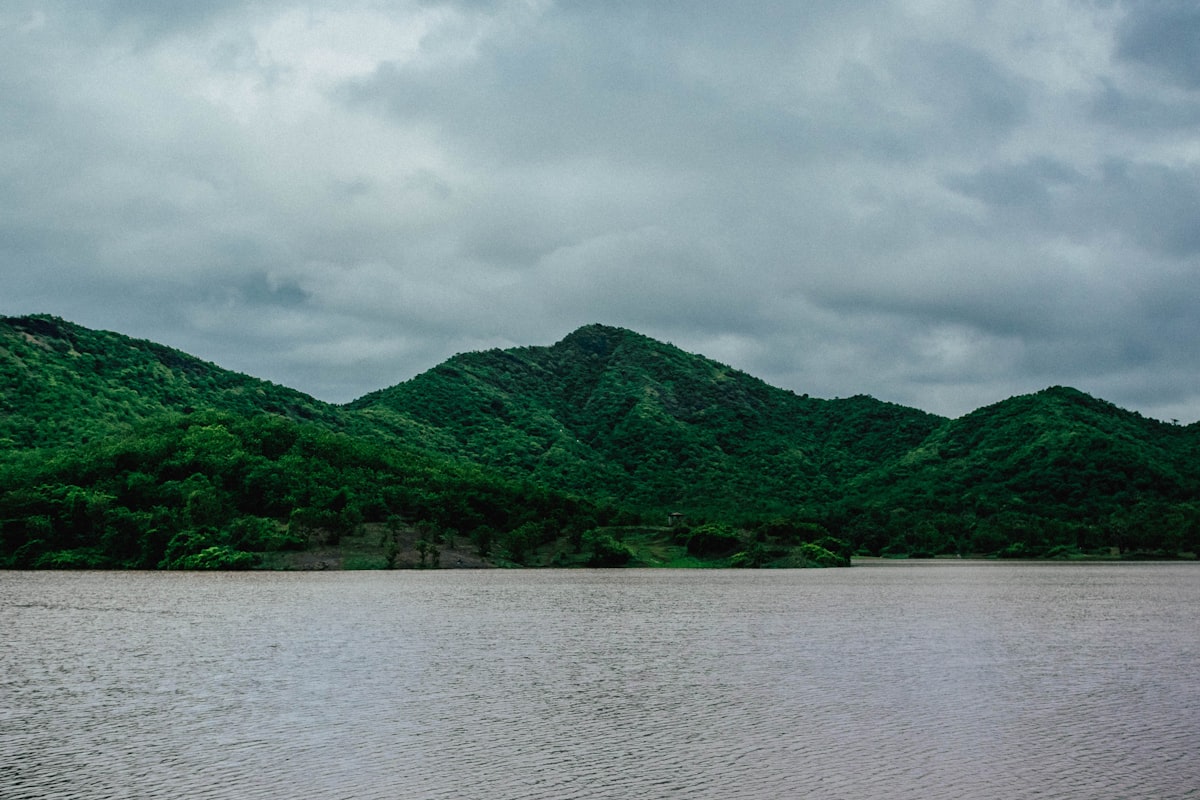
What Rainy Season Actually Looks Like
First, let's kill the biggest misconception. Rainy season in Southeast Asia does not mean constant rain. It doesn't mean grey skies all day, British-winter style. In most of the region, rainy season means:
- Morning: Clear skies, sunshine, 28-33°C
- Early afternoon: Clouds build
- 3-5pm: Intense downpour lasting 30 minutes to 2 hours
- Evening: Clears up, cooler air, sometimes a stunning sunset
That's the typical pattern. You get a solid 6-8 hours of sunshine most days. The rain is dramatic — tropical thunderstorms with sheets of water — but it's predictable and short. You learn to schedule outdoor activities for mornings and work through the afternoon storms.
The exceptions exist. Some locations get multi-day rain events, especially during typhoon season in the Philippines and Vietnam. Flooding happens in low-lying areas. And humidity sits at 80-90%, which means your clothes never fully dry and your laptop gets a permanent thin layer of moisture.
But on balance? Rainy season is workable. More than workable — it can be genuinely great.
Country-by-Country Timing
Thailand
Rainy season: June to October (peak in September)
Thailand's monsoon follows a predictable southwest pattern. Bangkok gets heavy afternoon rains from July to September — streets flood temporarily, taxis become impossible, and the BTS Skytrain becomes your best friend. Chiang Mai's rainy season is milder but overlaps with burning season smoke from March to April, making May-June a mixed bag.
The worst month: September in Bangkok. Serious flooding risk in some areas.
The best rainy-season month: June. Rain has started but isn't intense yet. Prices have dropped, crowds have thinned. Islands like Koh Lanta and Koh Phangan are quiet and cheap.
Nomad tip: Koh Samui and the Gulf islands (Koh Phangan, Koh Tao) have a different monsoon pattern — their rainy season is October to December. So while Bangkok drowns in September, the Gulf islands are still dry.
Vietnam
Rainy season: Varies dramatically by region
Vietnam is the trickiest country in Southeast Asia for weather planning because the country stretches 1,650km north to south. There's no single rainy season.
- South (Ho Chi Minh City, Mekong Delta): May to November. Afternoon storms, manageable.
- Central (Da Nang, Hoi An, Hue): September to January. This is the serious one — typhoons, flooding, and multi-day rain. October and November are the worst months for Da Nang.
- North (Hanoi, Sapa): May to September. Hot and wet. Monsoon rains can be heavy.
Nomad tip: The cheat code is to follow the dry zones. When the south is wet (June-October), head to Da Nang. When Da Nang gets hammered (October-December), move to Ho Chi Minh City or head south. Vietnam rewards nomads who move with the weather.
Bali, Indonesia
Rainy season: November to March (peak in January-February)
Bali's rainy season is the mildest on this list. The rain comes in short, heavy bursts — usually late afternoon — and the rest of the day is hot and sunny. The real downside isn't rain; it's humidity (85-95%) and occasional flooding in low-lying Canggu streets.
The worst month: January. Heaviest rainfall, highest humidity, occasional multi-day overcast stretches.
The best rainy-season month: November or March. Shoulder months with less rain and significantly lower prices than dry season.
Nomad tip: Ubud gets more rain than Canggu (it's higher altitude and surrounded by jungle). If rain bothers you, base in Canggu or Seminyak during wet season. The drainage is better and the beach dries faster.
In Sour Mango: Check Destinations > Bali for month-by-month weather data and current nomad community size.
Philippines
Rainy season: June to November (typhoon season peaks August-October)
The Philippines has the most intense rainy season in Southeast Asia. This is genuine typhoon territory — Luzon (including Manila) gets hit hardest, with super typhoons capable of serious destruction. Visayas (Cebu, Bohol) and Mindanao are less affected but still get heavy rain.
The worst months: August to October. Active typhoon season. International news-level storms.
The honest advice: Unless you have a specific reason to be in the Philippines during typhoon season, avoid August to October. The risk-reward ratio doesn't favour nomads. November can still be wet but typhoon risk drops significantly.
Nomad tip: Siargao (surfing island) and Palawan have slightly different patterns and dry out earlier than Luzon. But check forecasts weekly — typhoon tracks are unpredictable.
Cambodia
Rainy season: May to October (peak in September-October)
Cambodia's monsoon is straightforward and surprisingly manageable. Phnom Penh and Siem Reap both get afternoon downpours, but mornings are reliable sunshine. The Tonle Sap lake floods dramatically (which is actually a natural feature, not a disaster), and Angkor Wat reflected in rain puddles at sunrise is one of the most photogenic sights in Southeast Asia.
The worst month: September. Heaviest rain, muddiest roads.
The best rainy-season month: May or June. Rain starts gently, landscape turns green, and prices drop.
Nomad tip: Siem Reap is better than Phnom Penh in rainy season — it's less prone to urban flooding and the temple complex is actually more atmospheric with rain and clouds.
The Case For Rainy Season
1. It's significantly cheaper
Accommodation drops 20-40% across the board. A villa in Canggu that costs $1,200/month in July runs $750-$900 in January. Thai islands offer bungalows at half-price. Flights within the region are cheaper too.
In Sour Mango: Price Checker shows month-by-month cost variations for every destination. Compare your target city across seasons before committing.
2. Fewer tourists, more space
The coworking spaces have empty desks. The beaches have room. The restaurants don't need reservations. The Instagram spots don't have queues. You experience the actual place rather than the tourist version of it.
3. The landscape is alive
Dry season Southeast Asia can look brown and dusty. Rainy season turns everything lush — rice terraces glow emerald, waterfalls are at full power, and the air smells like jungle rain. If you care about nature, this is the better season.
4. The community gets tighter
When the casual tourists leave, the committed nomads remain. Rainy season communities are smaller but more connected. You'll make deeper friendships because there are fewer people competing for attention.
In Sour Mango: Mates shows who's in your target city right now. Tribes connects you to rainy-season-specific groups — the people who know the best covered cafes and which streets flood.
5. Cooler evenings
After months of 35°C heat, the rainy season cools things down to 25-28°C in the evenings. Sleeping without air conditioning becomes possible. Your electricity bill drops.
The Case Against
1. Flooding is real
Bangkok streets flood. Canggu roads turn to rivers. Phnom Penh's riverside overflows. If you have mobility issues or expensive gear at ground level, flooding is a genuine concern. Always rent upper-floor apartments during monsoon.
2. Humidity destroys everything
Your clothes take three days to dry on a rack. Leather goods grow mould. Electronics fog up. Books warp. Camera lenses need silica gel packets. The humidity is oppressive and inescapable without air conditioning.
3. Some activities close
Island boats stop running in rough seas. Diving visibility drops. Trekking trails become dangerous mudslides. Some remote guesthouses close entirely from June to September.
4. Health risks increase
Mosquito populations explode after rain. Dengue fever cases spike during and immediately after monsoon season. Use repellent religiously, sleep under treated nets in budget accommodation, and keep standing water out of your room.
5. Internet can suffer
Power outages are more common during storms. Cell towers go down. WiFi routers reset. If you have a critical video call at 3pm, rainy season adds an element of anxiety.
In Sour Mango: WiFi Speed Test logs your connection history so you can identify which times of day are most reliable. Test during a storm to know your worst-case scenario.
Practical Tips for Rainy Season Nomading
Schedule around the rain. Do your outdoor activities and errands in the morning. Block your calendar for deep work during the 2-5pm storm window. You'll be more productive, paradoxically.
Waterproof your bag. A dry bag or waterproof backpack cover is non-negotiable. One unexpected downpour on a scooter ride will destroy an unprotected laptop.
Get upper-floor accommodation. Ground-floor rooms flood first. Second floor minimum during monsoon, especially in Canggu and Bangkok's Sukhumvit area.
Carry a packable rain jacket. Not an umbrella — you need both hands free on a scooter, and umbrellas flip in tropical wind. A lightweight waterproof jacket stuffs into any bag.
Have a backup internet plan. Local SIM with data as a phone hotspot, always. When your apartment WiFi goes down during a storm, your phone's 4G will keep the Zoom call alive.
Embrace it. The best rainy season moments are watching a monsoon storm from a covered cafe with a Vietnamese iced coffee and your laptop. It's atmospheric, cosy, and genuinely one of the great experiences of nomad life.
In Sour Mango: Packing Lists includes rainy-season-specific gear for each Southeast Asian country. Offline Translation works without data — essential when your connection drops during a storm and you need to communicate with a tuk-tuk driver.
Rainy Season Gear Essentials
Your packing list changes materially for monsoon travel. These are the non-negotiable additions:
- Dry bag (10-20L): For your laptop and electronics when on a scooter or boat. The single most important item on this list.
- Quick-dry towel: Regular towels never dry in 85% humidity. Microfibre dries in hours.
- Waterproof phone pouch: $5 insurance for a $1,000 device. Use it.
- Silica gel packets: Throw them in your electronics bag, camera case, and shoe storage. They absorb moisture and prevent mould.
- Reef-safe sunscreen: The sun is still intense between storms. You'll burn faster than you expect because the clouds create a false sense of safety.
- Insect repellent with DEET: Mosquitoes spike after rain. Apply it every evening, no exceptions.
- Portable power bank (20,000mAh): When the power goes out mid-storm, your phone becomes your hotspot, flashlight, and communication lifeline.
In Sour Mango: Packing Lists has a dedicated rainy-season Southeast Asia template. Nomad Essentials covers the health and safety gear you shouldn't skip.
Month-by-Month Quick Reference
| Month | Thailand | Vietnam (South) | Vietnam (Central) | Bali | Philippines | Cambodia |
|-------|----------|-----------------|-------------------|------|-------------|----------|
| May | Early rain | Rain starts | Dry | Drying up | Rain starts | Rain starts |
| Jun | Moderate | Moderate | Dry | Dry season | Moderate | Moderate |
| Jul | Heavy | Moderate | Dry | Dry season | Heavy | Heavy |
| Aug | Heavy | Moderate | Dry | Dry season | Typhoon risk | Heavy |
| Sep | Peak rain | Heavy | Rain starts | Dry season | Typhoon risk | Peak rain |
| Oct | Tapering | Heavy | Peak rain | Shoulder | Typhoon risk | Tapering |
| Nov | Dry starts | Tapering | Peak rain | Rain starts | Tapering | Dry starts |
The Verdict
Is Southeast Asia worth it during rainy season? Yes — with caveats.
Go if: You want lower costs, fewer crowds, greener landscapes, and you can handle humidity and schedule flexibility. Bali's rainy season and Thailand's early monsoon (June) are the easiest introductions.
Skip if: You're heading to the Philippines during peak typhoon months (August-October), you have equipment that can't handle humidity, or your work requires rock-solid internet with zero downtime.
The sweet spot: Arrive at the start or end of rainy season — the shoulder weeks where prices have dropped but the rain hasn't fully committed. May in Thailand, November in Bali, June in Cambodia. You get 80% of the savings with 40% of the rain.
Check real-time destination conditions, compare seasonal prices, test WiFi reliability, and connect with nomads who are already weathering the storms — all in Sour Mango.
Travel smarter with Sour Mango
Visa tracking, AI trip planner, WiFi speed tests, and a global nomad community — all in one free app.
Explore more guides
Browse all city guides →