
Tallinn — The Digital-First City for Nomads
Estonia doesn't just welcome digital nomads — it built an entire national infrastructure around them. This is the most digitally advanced country on Earth: a place where 99% of government services are online, babies are issued a digital identity at birth, citizens vote from their phones, and free public WiFi is treated as a fundamental right. Tallinn, its compact capital, is where 13th-century cobblestone lanes meet the startup ecosystem that produced Skype, Bolt, Wise, and Pipedrive. If you want to live somewhere that actually understands what remote work means at a systemic level, Estonia is it.
Quick Start: Your First Week
Day one in Tallinn can feel disorienting — the city is small, efficient, and shockingly quiet compared to most European capitals. Here's how to hit the ground running.
Days 1-2: Get Set Up
- Grab a Telia or Elisa prepaid SIM at the airport (50GB for €10-€15/month)
- Take Bus 4 into the centre (20 minutes, under €2) or grab a Bolt for €5-€7
- Check into your Airbnb in Telliskivi or Kalamaja — the best neighbourhood for a first stay
- Walk to Rimi or Selver (the main supermarket chains) and stock up — groceries are surprisingly affordable
Days 3-4: Find Your Workspace
- Try a day pass at Lift99 (€20) or Spring Hub (€15) to test the vibe
- Scope out cafes — Røst in Telliskivi and Pagaripoisid near Old Town are solid first picks
- Open Sour Mango's WiFi Speed Test and benchmark your apartment, your coworking shortlist, and your favourite cafe
Days 5-7: Explore and Connect
- Walk Old Town end to end (takes 45 minutes, stops you in your tracks every 5)
- Visit Telliskivi Creative City on a Saturday for the flea market
- Check Mates in Sour Mango to find other nomads already in Tallinn
- Join the Tallinn Digital Nomads Meetup group — they run events every two weeks
In Sour Mango: Use the AI Trip Planner before you arrive to build a Tallinn-specific itinerary. The Packing Lists feature will remind you to bring thermals if you're arriving October through April.
The Internet: Best Public WiFi in Europe
Estonia declared internet access a basic human right back in 2000. That wasn't marketing — they meant it. Free public WiFi blankets Tallinn: parks, buses, trams, government buildings, public squares. You can sit on a bench in Kadriorg Park and push a video call without a stutter.
Home fibre connections deliver 300-1,000 Mbps and cost €25-€35/month. Most Airbnbs include fibre in the rent. Coworking spaces push 200-500 Mbps with enterprise-grade reliability. Even most cafes sit comfortably at 50-150 Mbps.
Mobile data: A Telia or Elisa SIM card with 50GB costs €10-€15/month. No contract, no drama. Pick one up at the airport R-Kiosk or any Telia store in the city centre.
Pro tip: Use the WiFi Speed Test in Sour Mango to benchmark every workspace you try — though honestly, in Tallinn, you'll rarely find anything below 50 Mbps. The tool is more useful here for comparing "great" versus "incredible."
Cost of Living
Tallinn sits in a sweet spot: dramatically cheaper than Helsinki (a two-hour ferry away), cheaper than Stockholm or Copenhagen, but pricier than Lisbon or the Balkans. The euro is the currency, so no conversion headaches if you're coming from the eurozone.
Budget Nomad (~€1,300/month)
- Rent: €500-€700 — studio or shared flat in Kalamaja, Telliskivi, or Nõmme
- Coworking: €100-€150 — monthly hot desk at Workland or a cafe-only approach
- Groceries & eating in: €200-€280 — cooking most meals, shopping at Rimi or Selver
- Eating out: €80-€120 — lunch specials at €7-€10, occasional dinner out
- Transport: €0-€30 — free if registered as a resident, otherwise €30/month pass
- Phone/data: €10-€15
- Fun & social: €100-€150 — a few beers out, sauna visits, day trips
- Health insurance: €60-€80 — SafetyWing or similar nomad insurance
Comfortable Nomad (~€2,200/month)
- Rent: €900-€1,200 — one-bedroom in Old Town, Rotermann, or a nice Kalamaja flat
- Coworking: €180-€250 — dedicated desk at Lift99 or Spring Hub
- Groceries: €150-€200
- Eating out: €250-€350 — restaurants 4-5 times per week
- Transport: €30-€50 — public transport plus occasional Bolt rides
- Phone/data: €15
- Fun & social: €200-€300 — concerts, sauna memberships, weekend trips to Tartu or Pärnu
- Health insurance: €60-€80
In Sour Mango: Check Tallinn in Destinations for up-to-date cost breakdowns from other nomads. Use the Currency Converter for live EUR rates if you're earning in USD, GBP, or anything else. The Price Checker is useful at tourist-trap restaurants near Town Hall Square — some places charge double what the locals pay two streets away.
The Visa Situation
This is where Estonia genuinely shines. No other country has thought about remote workers as carefully.
Estonia Digital Nomad Visa (DNV)
Estonia was one of the first countries in the world to launch a dedicated digital nomad visa, in August 2020. The details:
- Duration: Up to 1 year (short-stay type C for 90 days, or long-stay type D for up to 365 days)
- Income requirement: You must earn at least €3,504/month gross (roughly €42,000/year)
- Eligibility: You must work for a foreign employer, run a foreign-registered company, or freelance for clients outside Estonia
- Application fee: €80 (short-stay) or €100 (long-stay)
- Processing time: Typically 15-30 business days
- Healthcare: You must have valid health insurance for the entire stay
- Tax note: If you stay 183+ days in a calendar year, Estonia may consider you a tax resident — consult a tax advisor
E-Residency: Estonia's Killer Feature
This is the thing that makes Estonia unique in the world. E-residency is a government-issued digital identity that lets anyone — regardless of nationality or location — register and run an EU-based company entirely online.
- Cost: €100-€120 application fee
- What you get: A smart ID card, access to Estonia's digital business environment, and the ability to open an Estonian company, EU bank account, and sign documents digitally from anywhere
- What it's NOT: It's not a visa, not a residency permit, and doesn't grant the right to live in Estonia
- Why nomads love it: Combine e-residency (EU company) with the digital nomad visa (legal residency) and you've got a fully legitimate EU business base while living in Tallinn. Freelancers use it to invoice EU clients without the headaches of VAT registration in larger countries
The e-residency ecosystem includes service providers like Xolo, 1Office, and LeapIN that handle company formation, accounting, and tax filings for a monthly fee (€49-€99/month).
Schengen Zone
Estonia is an EU and Schengen member. Non-EU citizens get the standard 90 days per 180-day period on a tourist visa/visa waiver. The DNV lets you stay beyond that. EU/EEA citizens can live and work freely.
In Sour Mango: Check Visa Requirements for Estonia based on your passport. Add your DNV or Schengen days to Visa Tracking for countdown alerts — especially important if you're juggling the 90/180 rule across multiple Schengen countries. The Nomad Essentials section has a dedicated e-residency explainer.
Best Neighbourhoods
Telliskivi / Kalamaja
Best for: Creatives, remote workers, best cafe and food scene, long-term stays
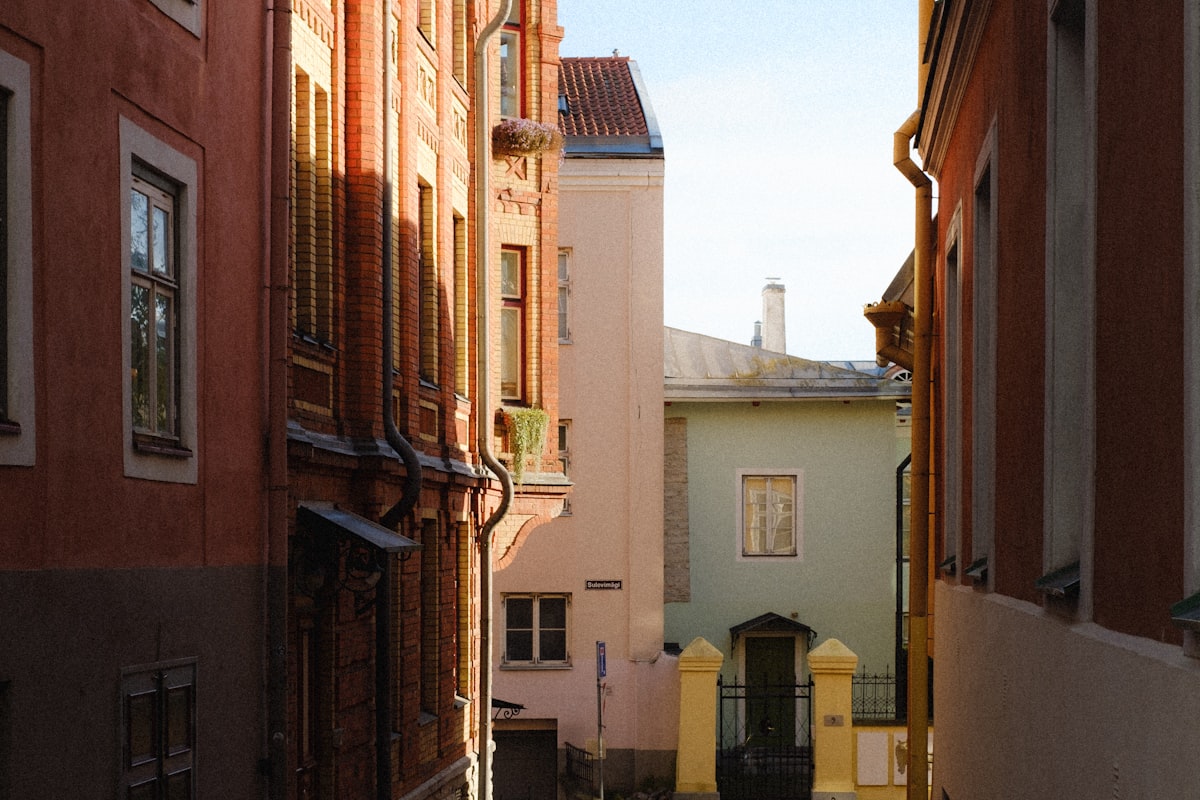
The undisputed coolest area in Tallinn. Telliskivi Creative City is a repurposed industrial complex packed with studios, cafes, vintage shops, a street food hall, and weekend flea markets. Kalamaja surrounds it — colourful wooden houses on quiet streets, excellent bakeries, zero tourist crowds. This is where most nomads end up, and for good reason.
- Rent: €500-€800/month for a studio or one-bedroom
- Vibe: Berlin-lite, creative, walkable, young
- Key spots: Telliskivi flea market, F-Hoone restaurant, Peatus bar, PROTO Invention Factory
Old Town (Vanalinn)
Best for: Atmosphere, short stays (1-3 months), history buffs
A UNESCO World Heritage site and one of Europe's best-preserved medieval city centres. Cobblestone streets, church spires, town walls. Gorgeous but tourist-heavy, especially in summer. Apartments here are charming but can be noisy and overpriced for what you get. Better for Airbnb stays than signing a long lease.
- Rent: €700-€1,100/month
- Vibe: Stunning, touristy by day, quieter at night
- Key spots: Town Hall Square, Toompea Hill viewpoints, St. Olaf's Church
Rotermann Quarter
Best for: Modern living, professionals, proximity to everything
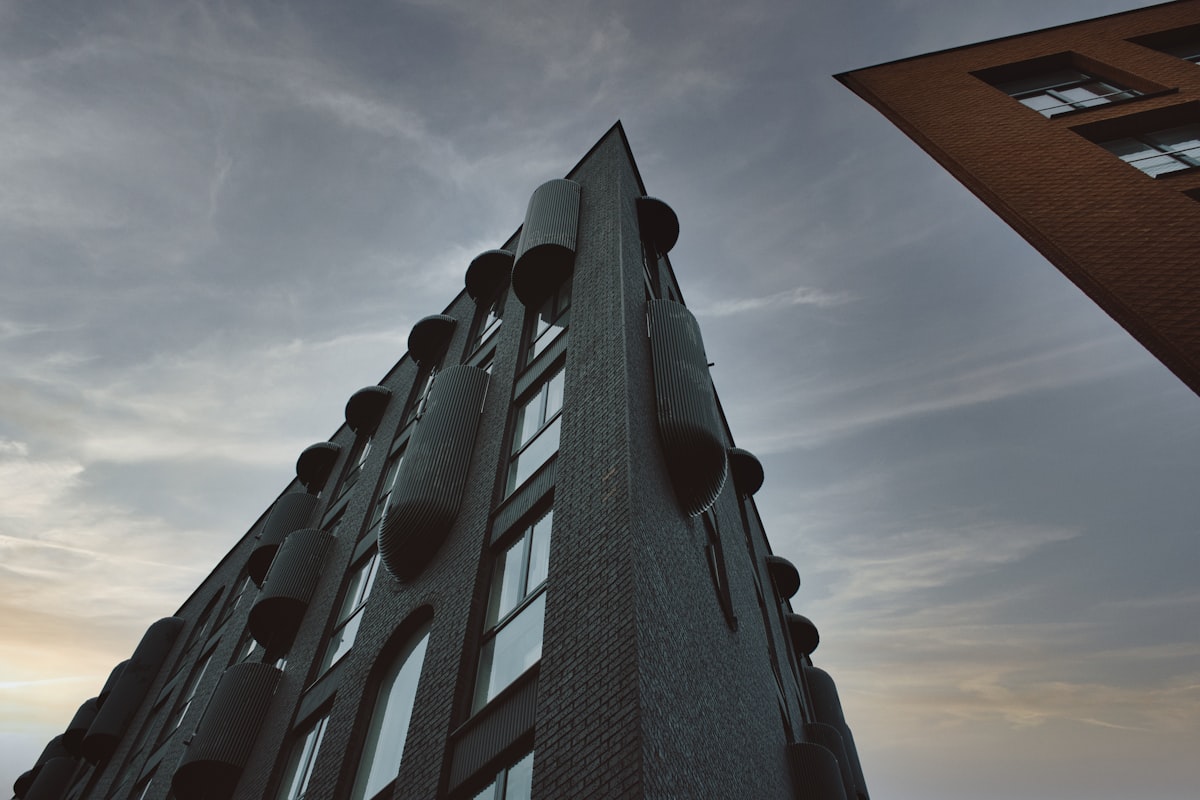
A converted industrial district wedged between Old Town and the port. Modern architecture, high-end restaurants, good gyms, new apartment buildings. It's the most "international" feeling neighbourhood — clean, efficient, slightly sterile. Great if you prioritize convenience and quality apartments over character.
- Rent: €800-€1,100/month
- Vibe: Modern, professional, walkable to Old Town in 5 minutes
- Key spots: Rotermann wine bars, Fotografiska Tallinn (photo museum), the port ferry terminals
Nõmme
Best for: Budget-conscious nomads, families, nature lovers, quiet life
A leafy, suburban district south of the centre. Pine forests, wooden houses, a village-like atmosphere inside a capital city. Significantly cheaper than central neighbourhoods. The trade-off: 20-25 minutes by tram/bus to Old Town, and the cafe scene is local rather than trendy.
- Rent: €400-€650/month
- Vibe: Quiet, green, residential, family-friendly
- Key spots: Nõmme market, forest walking trails, local Estonian bakeries
Pirita
Best for: Beach lovers (summer), runners, outdoorsy types
Tallinn's coastal district, stretching along a sandy beach on the Baltic. The Pirita promenade is a favourite running and cycling route. In summer it's lovely; in winter it's bleak and windswept. Not ideal as a primary base unless you really want space and sea views.
- Rent: €500-€800/month
- Vibe: Coastal, spacious, seasonal
- Key spots: Pirita Beach, Tallinn TV Tower, Pirita Convent ruins
In Sour Mango: Use Destinations to compare neighbourhoods. Share Location with your Tribe so friends and fellow nomads can find you around the city.
Coworking Spaces
Lift99 — Telliskivi
The spiritual home of Tallinn's startup scene. This is where the early teams of Wise, Bolt, and other Estonian unicorns worked. The community is the real draw — founders, developers, and remote workers who actually talk to each other. Regular events, demo nights, and a deliberately curated membership.
- Day pass: ~€20
- Hot desk monthly: ~€200
- Dedicated desk: ~€280
- WiFi: 300+ Mbps
- Address: Telliskivi 60a
Spring Hub — City Centre
A polished, professional coworking space near Viru Gate. Meeting rooms, phone booths, reliable infrastructure. Less startup energy than Lift99, more "get your head down and work" vibe. Good if you need to take a lot of client calls.
- Day pass: ~€15
- Hot desk monthly: ~€180
- Private office: from €400
- WiFi: 200+ Mbps
Workland — Multiple Locations
Estonia's largest coworking chain with several Tallinn locations (Rotermann, Ülemiste, city centre). More corporate feel, consistent quality, good for people who want a no-surprises professional environment. The Rotermann location is the most convenient for central living.
- Day pass: ~€15
- Hot desk monthly: ~€150-€190
- Dedicated desk: ~€220-€260
- WiFi: 200+ Mbps
Garage48 Hub — Ülemiste City
Located in Tallinn's "smart city" business district near the airport. Tech-focused, often hosts hackathons and startup events. Less central but great if you live in the southern part of the city.
- Hot desk monthly: ~€120-€160
- WiFi: 300+ Mbps
In Sour Mango: Use the WiFi Speed Test to verify speeds at any space before committing to a monthly plan. Check Destinations for nomad-submitted coworking reviews and current pricing.
Work-Friendly Cafes
Not every day calls for a coworking space. Tallinn's cafe scene is excellent, and most places genuinely welcome laptop workers.
Røst — Telliskivi. Arguably the best specialty coffee in Tallinn. Sourdough pastries, Scandi minimalism, fast WiFi. Gets busy after 10am on weekdays. Coffee €3-€4.50.
Pagaripoisid — Multiple locations including Old Town and Telliskivi. Estonia's favourite bakery chain. Excellent rye bread, cinnamon buns, and savoury pastries. WiFi is solid, seating is generous. Coffee + pastry €4-€6.
Caffeine — Rotermann Quarter. Industrial-chic space with strong espresso and a loyal remote worker crowd. Quieter than Røst, better for focused work. Coffee €3-€5.
Must Puull — Kalamaja. A hidden gem in a residential street. Great filter coffee, relaxed vibe, rarely crowded. Perfect for morning deep work. Coffee €2.50-€4.
NOP — Telliskivi. Part cafe, part community space. Vegetarian food, excellent chai, a bit crunchy but genuinely welcoming. Good for afternoons. Coffee €3-€4, lunch plates €7-€9.
Karu Talu — Old Town fringe. Small, cosy, serves Estonian-style coffee and homemade cakes. Tourist-free despite being 2 minutes from the main drag. Coffee + cake €5-€7.
In Sour Mango: Log your favourite spots in Local Food and check WiFi Speed Test results other nomads have posted for each cafe.
The Food
Estonian cuisine is hearty, Northern, and deeply underrated. The modern Tallinn restaurant scene has exploded in the last decade — several places now hold serious international recognition. But the everyday food culture is what'll win you over: dark rye bread with every meal, foraged mushrooms in autumn, smoked fish from the Baltic.
Estonian Essentials
- Leib (black bread) — Dense, dark, slightly sweet rye bread. The foundation of Estonian cuisine. Served with every meal, ideally with salted butter. A loaf from the bakery: €2-€3
- Kiluvõileib — Open-faced sandwich topped with sprats (small smoked Baltic fish), boiled egg, and fresh herbs on black bread. The quintessential Estonian snack. €3-€5 at a cafe
- Verivorst — Blood sausage served with sauerkraut and lingonberry jam. Traditional Christmas/winter dish, but available year-round at Estonian restaurants. €8-€12 as a main
- Mulgikapsad — Sauerkraut stewed with pork and barley. Peasant food that's deeply comforting on a -15°C January evening. €7-€10
- Kohuke — A cult-status sweet curd snack bar, coated in chocolate or glaze. Estonians are genuinely obsessed — there are entire kohuke ranking websites. €0.40-€1.00 at any supermarket
- Kama — A traditional Estonian flour mixture (roasted barley, rye, oat, and pea flour) mixed with kefir or buttermilk. Sounds weird, tastes like toasted cereal. €3-€5 as a dessert
- Hapukoor (sour cream) — Estonians put sour cream on everything. Soups, potatoes, pancakes, salads. You'll start doing it too
- Craft beer — Tallinn has a thriving craft scene. Põhjala Brewery in Noblessner is world-class. A pint at a brewery tap: €4-€6
Where to Eat
- Leib Resto ja Aed — Old Town. Modern Estonian using local, seasonal ingredients. One of the best restaurants in the Baltics. Dinner for two: €60-€90
- F-Hoone — Telliskivi. Casual, creative comfort food in a converted factory. Lunch specials €8-€11. The go-to Telliskivi lunch spot
- Ö — City centre. Fine dining with a focus on Estonian island cuisine. Tasting menu: €55-€75
- Rataskaevu 16 — Old Town. Consistently rated Tallinn's best traditional Estonian restaurant. Mains €12-€18
- Põhjala Tap Room — Noblessner/Kalamaja. Outstanding craft beer and solid bar food. Pint + snack: €8-€12
- Balti Jaama Turg — The market hall at Balti Station. Street food stalls, fresh produce, cheap lunch options €5-€8
Lunch specials: Most Tallinn restaurants offer €7-€10 weekday lunch menus (soup + main or main + drink). This is how locals eat affordably — use it.
In Sour Mango: Browse Local Food for Estonian dishes and nomad-recommended restaurants. Use the Price Checker before ordering at tourist-heavy Old Town spots — some menus on Town Hall Square are 40% more expensive than identical food two blocks away.
Transport
Tallinn is compact. You can walk from Telliskivi to Old Town in 15 minutes, Old Town to Rotermann in 5.
- Public transport: Buses, trams, and trolleybuses run efficiently. A monthly pass costs €30. If you register as a Tallinn resident (free, takes 10 minutes at the city office), public transport is completely free. Yes, free. Tallinn was the first capital city in the world to offer this
- Bolt: Estonia's own ride-hailing app (their answer to Uber). Rides within the city typically €3-€8. Also offers scooters and e-bikes
- Cycling: Tallinn is mostly flat with improving bike infrastructure. Bolt bikes and e-scooters are everywhere in summer. Less viable November-March due to ice
- Airport: Lennart Meri Tallinn Airport (TLL) is absurdly close — 10 minutes from city centre by car, 20 minutes by Bus 4. Direct flights to most European capitals. Ryanair, Wizz Air, and airBaltic keep prices low
- Ferries: Tallink and Viking Line run daily ferries to Helsinki (2-2.5 hours, from €15 one-way). A classic weekend trip
- Trains: Elron trains connect Tallinn to Tartu (2.5 hours, €12-€15) and Pärnu (2 hours, ~€10)
In Sour Mango: Use the AI Trip Planner to map out day trips — Lahemaa National Park, Tartu, Pärnu, or the Helsinki ferry. Offline Translation helps with Estonian signage on rural buses, though in-city everything is also in English.
Healthcare
Estonia's healthcare system is modern and increasingly digital (of course). As a nomad, here's what matters:
- Nomad insurance: Required for the DNV. SafetyWing (~€42/month) or World Nomads are popular choices
- Pharmacies: Well-stocked. Many medications available without prescription that would require one elsewhere in the EU. Look for "Apteek" signs
- Private clinics: Confido and Medicum are the main private clinic chains. English-speaking doctors, minimal wait times. A GP visit costs €50-€80 without insurance
- Dental: Excellent quality, significantly cheaper than Western Europe. Cleaning: €40-€60. Filling: €50-€90
- Hospitals: North Estonia Medical Centre (Põhja-Eesti Regionaalhaigla) is the main hospital. East Tallinn Central Hospital is another option
- Digital prescriptions: Estonia's e-health system means prescriptions are digital — linked to your ID. If you have e-residency or a local ID, prescriptions can be picked up at any pharmacy
In Sour Mango: The Nomad Essentials section includes healthcare checklist items and insurance recommendations for Estonia.
Community & Social Life
Tallinn's nomad community is small but high-signal. Heavy on developers, startup founders, and people who chose Tallinn deliberately for the e-residency ecosystem. You won't find the party-hostel nomad crowd here — this is a serious, builder-oriented community.
Events and Meetups
- Latitude59 — Estonia's flagship startup and tech conference, held every May. Draws founders from across Europe. Worth timing your visit around
- Garage48 hackathons — Regular startup hackathons, great for meeting builders
- Lift99 community events — Demo nights, founder dinners, casual Friday beers
- Tallinn Digital Nomads Meetup — Bi-weekly meetups at various venues
- Startup Estonia events — Government-backed programs and networking nights
Sauna Culture
This is non-negotiable. Estonia, like Finland, has deep sauna culture. It's where business deals happen, friendships form, and winter depression gets sweated out.
- Kalma Saun — Kalamaja. A no-frills, authentic public sauna. Entry: €5-€8. The real deal
- Iglupark — Winter-only. Hot tubs and saunas on the waterfront. Entry: €15-€25
- Many Airbnbs include private saunas — prioritize this when booking
Day Trips
- Lahemaa National Park — 1 hour east. Coastal trails, bogs, manor houses. Estonia's wildest landscape
- Tartu — 2.5 hours south. Estonia's university town, intellectual and charming
- Pärnu — 2 hours south. Beach resort town, best in summer
- Helsinki — 2-hour ferry. An easy weekend trip to a very different Nordic capital
- Haapsalu — 1.5 hours west. A quiet spa town on the coast, beautifully eerie
In Sour Mango: Find other nomads through Mates — the density is lower than Lisbon or Bali, so every connection matters more. Create a Tribe for your Tallinn crew to coordinate coworking sessions, sauna evenings, and weekend trips. Use Share Location when you're at a cafe and open to meeting up.
The Downsides — Be Honest With Yourself
Dark, Brutal Winters
This is the big one. November through February: sunrise at 9am, sunset at 3:30pm. December gives you about 6 hours of grey daylight. Temperatures drop to -10°C to -25°C. The wind off the Baltic cuts through you. SAD lamps are not a joke here — buy one. Vitamin D supplements are essential. If you've never experienced a Northern European winter, Tallinn in January will test you.
It's a Small City
Population ~450,000. The nomad community is tight but thin. You'll see the same faces at every event within a month. If you need constant novelty and a huge social pool, Tallinn will feel limiting.
Limited Nightlife (Outside Summer)
Summer brings outdoor festivals, rooftop bars, and white nights where the sun barely sets. The rest of the year, nightlife is quiet. A handful of good bars (Sveta, Pudel, Koht), but nothing approaching Berlin or Lisbon. Estonians tend to socialize privately — dinner parties and sauna sessions rather than clubbing.
Language Barrier Outside Tallinn
English is excellent in Tallinn's centre. Step outside the capital and Estonian (a Finno-Ugric language, famously difficult) becomes necessary. Even in Tallinn, government offices and older service workers may struggle with English.
Food Can Feel Heavy
If you're used to fresh Mediterranean or Southeast Asian cuisine, Estonian winter food — heavy on pork, potatoes, cream, and rye — can feel monotonous after a few months. The restaurant scene compensates, but daily home cooking requires creativity.
In Sour Mango: Use Offline Translation for Estonian when you venture outside Tallinn or deal with local bureaucracy. The app works without data, which is handy in rural areas.
The Bottom Line
Tallinn is for the tech-minded nomad who values digital infrastructure, e-residency opportunities, a legitimate EU business base, and a compact, beautiful, walkable European capital. It's the only city in the world where you can register a company, sign contracts with a digital ID, file taxes online, vote electronically, and access virtually every government service without visiting a single office — and that philosophy extends to daily life. The WiFi is fast, the bureaucracy is minimal, the startup community is world-class for its size.
The winters will break you if you're unprepared. But June through September — when the sun barely sets, the Old Town glows gold, and the entire city moves outdoors — Tallinn is one of the most magical places in Europe. Come for the e-residency, stay for the black bread and the sauna sessions.
If you're building something, this city gets it.
Plan your Tallinn move with Sour Mango — check visa requirements, track your Digital Nomad Visa countdown, test WiFi at every coworking space, convert currencies, find nomad friends through Mates, build your Tribe, and explore Estonian food recommendations. Download Sour Mango and make the most digitally advanced country in the world work for you.
Travel smarter with Sour Mango
Visa tracking, AI trip planner, WiFi speed tests, and a global nomad community — all in one free app.
Explore more guides
Browse all city guides →