
Tenerife — Year-Round Sun in the EU
Tenerife is the cheat code for European nomads who hate winter. While Berlin, Amsterdam, and London are locked in grey drizzle from November to March, the largest Canary Island sits at a permanent 20-25°C, bathed in Atlantic light, surrounded by banana plantations and black-sand beaches. But it's not just weather. Spain's Ley de Startups digital nomad visa, EU/Schengen access, fibre internet reaching 300 Mbps, and a cost of living 20% below Barcelona make Tenerife one of the most compelling year-round bases in Europe — if you know where to look.
This is not a tourist guide. This is a practical playbook for working remotely from a volcanic island in the Atlantic.
In Sour Mango: Open Destinations and search Tenerife for the full nomad profile — internet stats, cost index, visa info, and community size, all in one place.
Quick Start: Your First Week
Don't overthink it. Here's how to hit the ground running:
Day 1-2: Fly into Tenerife South (TFS) if you're on a budget carrier like Ryanair or easyJet. Grab a TITSA bus (line 111) to Santa Cruz or book a transfer. Check into a short-term Airbnb in La Laguna or Santa Cruz — you'll apartment hunt properly once you're on the ground. Get a Lobster or Digi Spain SIM at any phone shop (€10-€15 for 20GB).
Day 3-4: Visit coworking spaces for day passes. Try Coworking in the Sun in El Médano and La Laguna Coworking to feel the vibe. Stock up at a Mercadona or HiperDino supermarket. Download the TITSA app for bus routes and buy a Ten+ card (rechargeable transit card, saves ~30% per ride).
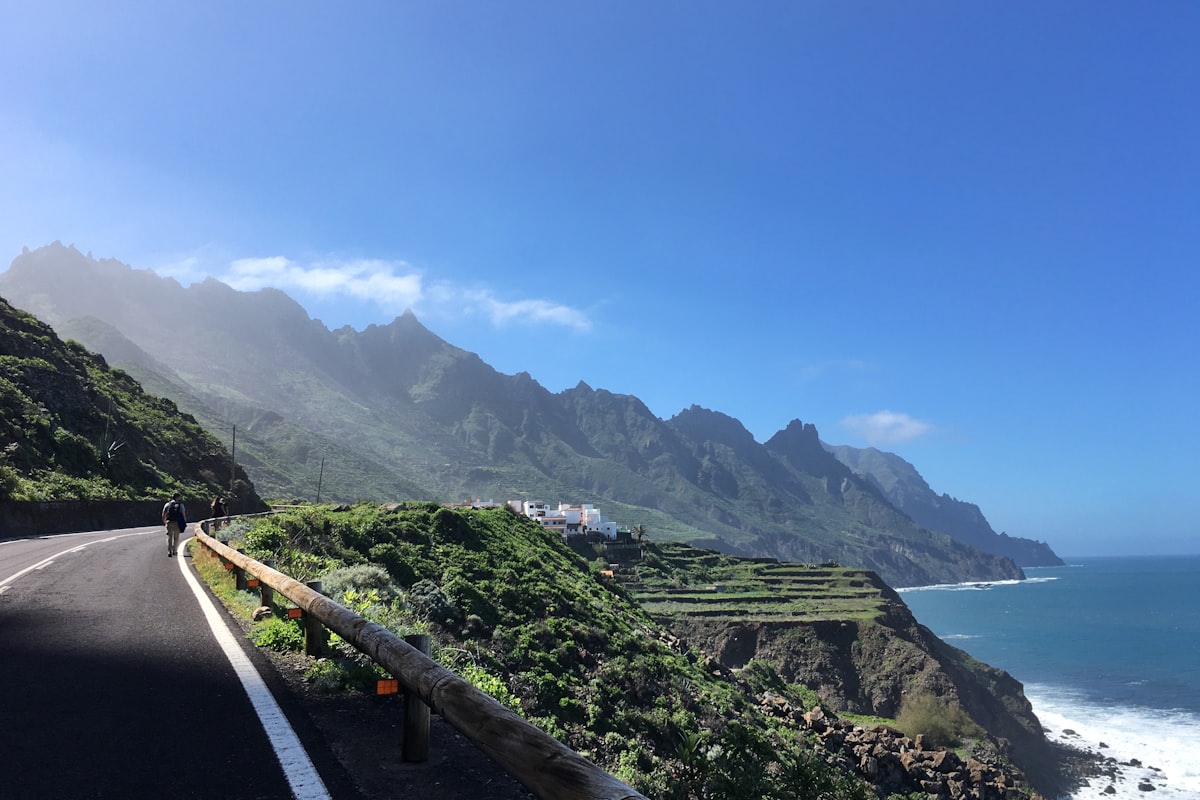
Day 5-7: Explore neighbourhoods for your longer-term flat. Check Idealista, Fotocasa, and local Facebook groups for rentals. Sign a month-to-month if possible — landlords in the Canaries are more flexible than mainland Spain. Get your first papas arrugadas con mojo at a guachinche (informal family restaurant). Hike Anaga Rural Park.
In Sour Mango: Use AI Trip Planner to map out your first week. Packing Lists will remind you that Tenerife's north is cooler and cloudier than the south — bring a light jacket. Nomad Essentials has the checklist for SIM cards, banking, and coworking setup.
The Visa: Spain's Digital Nomad Visa (Ley de Startups)
This is the headline reason Tenerife beats every non-EU warm destination. Since January 2023, Spain offers a dedicated digital nomad visa under the Ley de Startups (Startup Law), and because the Canary Islands are Spanish territory, you get full EU and Schengen access from an island off the coast of Africa.
Key details:
- Duration: Initial 1-year visa, renewable for up to 3 years, then convert to standard residency
- Minimum income: €2,520/month (roughly €30,000/year) — must come from non-Spanish companies (at least 80%)
- Tax rate: 15% flat IRPF rate for the first 4 years via Beckham Law regime — compared to Spain's normal progressive rate up to 47%
- Schengen access: Travel freely across 27 Schengen countries while based in Tenerife
- Healthcare: Access to Spain's public healthcare system (one of the best in Europe) after registering for residency
- Application: Apply at a Spanish consulate abroad or convert a tourist stay in-country. You'll need a clean criminal record, proof of remote employment or freelance contracts, and health insurance
- Processing time: 20 business days officially, but expect 1-3 months in practice
The Canary Islands also have the ZEC (Zona Especial Canaria) tax regime with a 4% corporate tax rate, making it attractive if you run a company. Combine that with the nomad visa's 15% personal rate and you're looking at one of the lowest tax burdens in Western Europe — legally.
The catch: You cannot work for Spanish clients as your primary income source. And the bureaucracy is Spanish bureaucracy — expect paperwork, waiting, and at least one visit to a police station for your TIE (foreigner identity card).
In Sour Mango: Visa Requirements gives you the complete document checklist for Spain's digital nomad visa. Visa Tracking lets you log your application date, appointments, and renewal deadlines so nothing slips through the cracks.
The Internet
Spanish fibre infrastructure extends fully to the Canaries, and it's genuinely good.
- Apartments: 100-300 Mbps symmetric fibre via Movistar, Vodafone, or O2. A 300 Mbps plan runs €30-€40/month
- Coworking spaces: 100-200 Mbps, generally stable with backup connections
- Cafe WiFi: 15-40 Mbps — usable for calls at the better spots, sketchy at tourist cafes
- Mobile data: Same Spanish carriers as the mainland. Digi Spain offers 30GB for €10/month. Lobster does 50GB for €15/month. Coverage is excellent in urban areas, patchy in the mountains
The south (Los Cristianos, Costa Adeje) has slightly better infrastructure than remote northern villages. Santa Cruz and La Laguna are rock solid. If you're on video calls all day, prioritise fibre apartments over cafe-hopping.
In Sour Mango: Run WiFi Speed Test at every potential apartment and coworking space before committing. The app logs your results by location so you can compare.
Cost of Living
Tenerife is 15-20% cheaper than Barcelona and about 30% cheaper than Lisbon. The Canary Islands also have reduced VAT (IGIC at 7% instead of mainland Spain's 21% IVA), which keeps daily costs noticeably lower.
Budget (~€1,200/month)
- Rent: €500-€750 — studio or shared flat in Santa Cruz, La Laguna, or Puerto de la Cruz
- Coworking: €80-€120 — basic hot desk
- Groceries: €180-€250 — cook at home, shop at Mercadona and local markets
- Eating out: €80-€120 — guachinches and menú del día lunches (€8-€12)
- Transport: €30-€50 — TITSA bus pass plus occasional tram
- Phone/Internet: €10-€20 — prepaid SIM
- Fun: €100-€150 — hiking is free, beers are €2-€3
- Insurance: €50-€70 — SafetyWing or similar
Comfortable (~€2,000/month)
- Rent: €800-€1,200 — one-bedroom apartment near the coast or in a nice La Laguna flat
- Coworking: €130-€200 — dedicated desk or private office
- Groceries: €200-€300
- Eating out: €200-€300 — restaurants 3-4 times a week
- Transport: €80-€150 — occasional car rental for weekends
- Phone/Internet: €30-€40 — contract plan with fibre
- Fun: €200-€300 — diving courses, island hopping, wine tours
- Insurance: €60-€80
Key savings vs. mainland: Lower IGIC tax, cheaper rent outside tourist zones, affordable local produce (bananas, avocados, and tomatoes grow here year-round), and guachinches where a full meal with wine costs €8-€12.
In Sour Mango: Price Checker shows real-time cost comparisons between Tenerife and other nomad hubs. Currency Converter handles EUR conversions if you're earning in USD, GBP, or crypto.
Best Neighbourhoods
Santa Cruz de Tenerife
The island's capital and most urban area. Santa Cruz has the best infrastructure, the main hospital (Hospital Universitario de Canarias), government offices for visa processing, and a genuine city feel without being overwhelming (population ~200,000). The Mercado de Nuestra Señora de África is a stunning covered market for fresh produce. Calle La Noria has the best nightlife strip. The García Sanabria Park is perfect for laptop-free afternoon walks. Apartments here run €600-€900/month for a decent one-bedroom.
Best for: Nomads who want city amenities, bureaucratic convenience, and don't need a beach outside their door.
San Cristóbal de La Laguna
The university town, 20 minutes from Santa Cruz by tram (line 1, €1.35). La Laguna is a UNESCO World Heritage Site with colonial-era architecture, cobblestone streets, and a young, intellectual energy thanks to the Universidad de La Laguna. The cafe scene here is the best on the island. Cooler temperatures (600m altitude) and occasional clouds — bring a light layer. Rent: €500-€800/month.
Best for: Nomads who want walkability, culture, cafe-working, and a community that isn't all tourists.
Puerto de la Cruz (North Coast)
Green, lush, and traditional. Puerto de la Cruz feels like old Tenerife — botanical gardens, natural volcanic rock pools (Lago Martiánez), narrow streets with local bars. The north coast gets more clouds than the south, but it rarely rains heavily and the landscape is dramatically more beautiful. Good for nomads who want quiet focus time. Rent: €450-€750/month.
Best for: Nature lovers, writers, introverts, and anyone who finds tourist resorts depressing.
Los Cristianos / Playa de las Américas (South Coast)
The tourist south. Best weather on the island (sunshine 350+ days/year), golden beaches, and the most reliable WiFi infrastructure. But it's also the most generic — think British pubs, all-inclusive resorts, and souvenir shops. Los Cristianos has more of a local Spanish feel than neighbouring Playa de las Américas. The harbour has ferries to La Gomera. Rent: €650-€1,100/month (tourist markup).
Best for: Short-term stays, beach addicts, and nomads who want guaranteed sun every single day.
El Médano (Southeast)
A small, windy town that's become the unofficial nomad village. El Médano is a kitesurfing and windsurfing hub, which attracts a young, active, international crowd. It's walkable, has a few good cafes, a Saturday morning market, and a relaxed beach-town vibe. The wind is constant — great if you surf, annoying if you don't. Rent: €550-€850/month.
Best for: Active nomads, kitesurfers, and people who want a tight-knit international community.
In Sour Mango: Destinations has neighbourhood-level breakdowns for each area. Use Share Location to let your Sour Mango contacts know which part of the island you're based in.
Coworking Spaces
Coworking in the Sun (El Médano)
The island's most nomad-focused space, right in El Médano's surf town. Regular community events, strong WiFi (150 Mbps), rooftop terrace, and a crowd that's 80% international remote workers. They organise weekly social dinners and hiking groups.
- Hot desk: €120/month, €15/day
- Dedicated desk: €170/month
- Website: coworkinginthesun.com
La Laguna Coworking (La Laguna)
Inside the university district, attracting a mix of local entrepreneurs and international nomads. Quieter, more focused atmosphere. Good coffee machine. Close to everything walkable in La Laguna.
- Hot desk: €95/month, €12/day
- Dedicated desk: €140/month
Hub Tenerife (Santa Cruz)
Modern space in the capital with meeting rooms, phone booths, and a professional setup suited for video calls. Best option if you need to look corporate on camera.
- Hot desk: €110/month, €14/day
- Dedicated desk: €160/month
- Private office: From €350/month
Coworking El Médano (El Médano)
A smaller, more intimate space for nomads who want fewer distractions. Strong community board with apartment listings and activity postings. Air-conditioned, which matters in summer.
- Hot desk: €100/month, €12/day
- Dedicated desk: €150/month
The Work Hub (Costa Adeje)
Located in the south's tourist zone but designed for professionals, not holidaymakers. Good for nomads staying short-term in the resort area who need a reliable desk.
- Hot desk: €130/month, €16/day
- Dedicated desk: €180/month
In Sour Mango: All five spaces are listed under Destinations > Tenerife > Coworking with current prices, opening hours, and user reviews.
Work-Friendly Cafes
Not every day needs a coworking space. These cafes welcome laptops and have tested WiFi.
- Café La Máquina (La Laguna) — Best work cafe on the island. Exposed brick, good flat whites, power outlets at every table, and 35 Mbps WiFi. Americano: €1.80. They don't rush you.
- Santo Coffee Roasters (Santa Cruz) — Specialty coffee in the capital. Bright interior, solid WiFi (30 Mbps), and an upstairs area that's quieter. Pour-over: €3.00. Flat white: €2.50.
- Ebano Café (La Laguna) — A local favourite in the old town. Great pastries, decent WiFi (25 Mbps), and a courtyard for when you need air. Cortado: €1.40.
- Palmelita (Santa Cruz) — Brunch spot with reliable WiFi (28 Mbps) and a long menu. Good for a working lunch. Avocado toast: €7.50. Laptop-friendly until about 1pm when it fills for lunch.
- Cofradía de Pescadores (Puerto de la Cruz) — Not a cafe — this is a fisherman's co-op restaurant right on the waterfront. No WiFi, but worth mentioning because you'll want a long lunch here. Fresh grilled fish with papas arrugadas: €10-€14. Work from your phone hotspot and call it a "creative offsite."
- Café Bilbao (El Médano) — Right on the main square facing the beach. WiFi is 20 Mbps (fine for most work), and the people-watching is world-class. Barraquito: €2.50.
In Sour Mango: Rate cafes after visiting using WiFi Speed Test — your results help other nomads find the best spots.
Canarian Food
Canarian cuisine is distinct from mainland Spain — influenced by Latin America, North Africa, and the Atlantic. Eat like a local, not a tourist.
- Papas arrugadas con mojo — Small wrinkly potatoes boiled in heavily salted water, served with mojo rojo (spicy red pepper) and mojo verde (coriander and parsley). The island's signature dish. Found everywhere. €4-€6.
- Gofio — Toasted grain flour (wheat or maize) that Canarians put in everything. Mixed into soups, kneaded into a dense ball (gofio amasado) with honey and almonds as dessert, or blended into milk for breakfast. You'll either love it or find it baffling. €2-€4 for gofio amasado.
- Ropa vieja canaria — "Old clothes" stew: shredded beef or chicken with chickpeas, potatoes, and vegetables in a tomato-rich broth. Hearty, cheap, and everywhere at lunch. €7-€10 at a guachinche.
- Vieja a la espalda (parrotfish) — Tenerife's prized local fish, fried or grilled whole. The flesh is firm, slightly sweet, and unlike anything you'll find on the mainland. Best at harbour restaurants. €10-€16.
- Queso asado con mojo — Grilled local cheese (often smoked) drizzled with mojo and served as a starter. Canarian goat and sheep cheeses are genuinely excellent. €5-€8.
- Barraquito — The island's signature coffee: espresso layered with condensed milk, frothed milk, Licor 43, a twist of lemon peel, and a dusting of cinnamon. Looks like a cocktail. Tastes like dessert. Order one at any traditional cafe. €2.50-€3.50.
- Carne fiesta — Marinated pork chunks in a garlicky, paprika-laced sauce, fried until crispy. Classic guachinche fare, usually served with bread to mop up the sauce. €6-€9.
- Bienmesabe — A traditional almond cream dessert with honey, egg yolks, and lemon zest. Rich, sweet, and old-fashioned. €3-€5 for a portion.
Where to eat like a local: Skip the tourist-front restaurants in Los Cristianos. Instead, hunt down guachinches — informal, family-run eateries (often in someone's garage or courtyard) in the north that serve home-cooked food with local wine. They're unlicensed in the traditional sense, seasonal, and the best food on the island. Ask locals or check the Buscaguachinches app.
In Sour Mango: Local Food has a curated Canarian food guide with dish descriptions and where to find them. Price Checker tracks meal costs across the island's restaurants.

Transport
Tenerife is not a walkable island (unless you stay exclusively in La Laguna or El Médano). You'll need to understand the transport options.
TITSA Buses (Guaguas)
The island's public bus network covers most major routes. Buses run frequently between Santa Cruz, La Laguna, and the south coast. Less frequent to rural areas.
- Single ride: €1.35-€5.50 depending on distance
- Ten+ card: Rechargeable contactless card, gives ~30% discount on every ride. Get one at any TITSA office or bus station. Essential.
- Monthly pass: €50 for unlimited rides in one zone, €75 for two zones
- App: Download TITSA Tenerife for real-time tracking and route planning
Tram (Tranvía)
Two lines connecting Santa Cruz and La Laguna. Clean, reliable, and frequent (every 5-10 minutes). If you live in one city and cowork in the other, this is your commute.
- Single ride: €1.35 with Ten+ card
- Monthly pass: €38
Car Rental
Honestly, you want a car for weekends even if you don't need one for work. Tenerife's best experiences — Teide National Park, Masca village, Anaga forests, remote beaches — require driving. The island's roads are good, though mountain roads have tight hairpin curves.
- Long-term rental: €250-€400/month through local agencies like Cicar or Plus Car (cheaper than international brands)
- Short-term: €20-€35/day through AutoReisen or similar
- Fuel: €1.20-€1.40/litre (cheaper than mainland Spain due to lower Canarian fuel tax)
- Parking: Free in most residential areas. €1-€2/hour in Santa Cruz centre
Flights
- Tenerife South (TFS): Budget airlines to all of Europe. Ryanair, easyJet, Vueling. This is how you'll arrive and leave
- Tenerife North (TFN): Inter-island flights and mainland Spain connections via Binter and Iberia Express
- Inter-island: Binter flies to all Canary Islands. €30-€80 one-way. Fred Olsen and Naviera Armas ferries connect to La Gomera (1 hour, ~€35 return) and Gran Canaria (ferry ~€60 return)
In Sour Mango: AI Trip Planner can map weekend trips to Teide, Masca, or neighbouring islands. Share Location keeps your travel mates updated when you're off exploring.
Healthcare
Spain has one of the best public healthcare systems in Europe, and it extends fully to the Canary Islands.
With the digital nomad visa: Once you have your TIE (residency card) and register with Social Security, you're entitled to a tarjeta sanitaria (health card) giving you free access to the public system — GP visits, specialists, hospitals, emergency care, prescriptions (small copay).
Without residency: You'll need private insurance. Bring an EHIC/GHIC card if you're from another EU country. SafetyWing (€45-€70/month) or Genki (€35-€60/month) cover nomads well. Emergency care is available regardless of insurance status.
Key facilities:
- Hospital Universitario de Canarias (HUC) — La Laguna. The island's main public hospital. Full services including specialists
- Hospital Universitario Nuestra Señora de Candelaria — Santa Cruz. Second major public hospital
- Hospiten — Private hospital chain with locations in Santa Cruz and the south. English-speaking staff, faster service, higher cost
- Pharmacies: Everywhere, well-stocked, and pharmacists can advise on minor issues and sell many medications without prescription that would require one in northern Europe
In Sour Mango: Nomad Essentials includes a healthcare setup guide for Spain, with links to Social Security registration and a list of English-speaking doctors.
Community and Social Life
Tenerife's nomad community is growing but still small enough that you'll recognise faces within a week. It's not Lisbon or Bali — and that's the point.
Nomad community:
- Tenerife Digital Nomads (Facebook/Telegram) — The main group. Regular meetups, apartment listings, and local tips. ~3,000 members
- Coworking in the Sun events — Weekly social dinners, weekend hikes, surfing meetups. The social hub for El Médano nomads
- Nomads & Expats Tenerife — Meetup.com group with regular events across the island
- InterNations Tenerife — More expat-focused, good for professional networking
Activities:
- Hiking: Mount Teide National Park (Spain's highest peak at 3,718m — permit required for the summit), Anaga Rural Park (ancient laurel forests), Masca Gorge (challenging but spectacular), Barranco del Infierno (Hell's Ravine near Adeje)
- Surfing: North coast breaks around Bajamar and Punta del Hidalgo. El Médano for wind/kitesurfing. Playa de las Américas has a surf school strip
- Diving: Los Gigantes cliffs underwater, turtle spotting near El Puertito, and wreck dives off the south coast. PADI courses from €250-€350
- Stargazing: Teide is one of the world's best stargazing locations. Free guided sessions at the national park on clear nights
- Wine: The Tacoronte-Acentejo wine region in the north produces volcanic wines unlike anything on the mainland. Bodegas Monje does tastings for €12-€18
- Island hopping: La Gomera (ferry from Los Cristianos, 1 hour) is unmissable. Tiny, vertical, covered in ancient forest. Perfect for a weekend trip
In Sour Mango: Mates connects you with other nomads currently in Tenerife. Tribes lets you join or create groups — Tenerife Hikers, Canary Island Surfers, Teide Wine Club, whatever fits. Offline Translation handles Spanish conversations when your castellano runs out.
The Downsides (Honest)
Every destination has them. Here's what might grind on you:
- Island isolation is real. After 2-3 months, the island can feel small. You know every restaurant, you've hiked every trail, and the ocean surrounds you in every direction. Some nomads thrive on this; others get restless. Budget for a flight to the mainland or another island every 4-6 weeks
- Car dependency. If you live in La Laguna or Santa Cruz, you can manage without a car for daily life. Everywhere else, you'll want one. TITSA buses exist but schedules to remote areas are thin, especially evenings and weekends
- Limited nightlife. Santa Cruz has bars and La Laguna has a student scene, but this is not Madrid or Barcelona. Playa de las Américas has clubs, but they're tourist traps. If nightlife matters, Tenerife will disappoint
- Calima (Saharan dust storms). A few times a year, hot dusty air from the Sahara blankets the island. Temperatures spike to 35°C+, the air turns hazy, and it's genuinely unpleasant. Usually lasts 2-5 days
- Tourist zones are soulless. The south coast between Los Cristianos and Costa Adeje is a strip of British pubs, German restaurants, and identical souvenir shops. It funds the island's economy but has zero cultural interest. Stay in the north or in El Médano
- Rental competition. Like everywhere in Spain, the rental market is tightening. Airbnb and holiday lets have pushed up prices. Start searching early and be ready to act fast on good apartments
- Spanish bureaucracy. Getting your NIE, TIE, empadronamiento (registration), and health card involves multiple office visits, long queues, and occasionally contradictory information. It works eventually, but bring patience
Your First Week Schedule
| Day | Morning | Afternoon | Evening |
|-----|---------|-----------|---------|
| 1 | Land at TFS, bus to accommodation | Grocery run at Mercadona | Walk the neighbourhood |
| 2 | Get SIM card, set up mobile data | Explore Santa Cruz or La Laguna | Dinner at a guachinche |
| 3 | Day pass at Hub Tenerife | Apartment hunting on Idealista | Join Tenerife Digital Nomads group |
| 4 | Day pass at La Laguna Coworking | Walk La Laguna's old town | Barraquito at Ebano Café |
| 5 | Day pass at Coworking in the Sun | Explore El Médano beach | Meet nomads at coworking social |
| 6 | Work from Café La Máquina | Hike in Anaga Rural Park | Fresh fish in Puerto de la Cruz |
| 7 | Decide your base area | Sign short-term lease | Sunset at Los Gigantes cliffs |
The Bottom Line
Tenerife delivers permanent sunshine, dramatic volcanic landscapes, affordable EU living, world-class hiking, and Spain's digital nomad visa with its 15% tax rate — all on an island where a full lunch with local wine costs €10 and your apartment has fibre internet. It's not a party island and it's not a metropolis. It's a place where you can build a focused, healthy routine with ocean swims before work and Teide sunsets after.
The sweet spot: base yourself in La Laguna or Santa Cruz for daily life, cowork during the week, and rent a car on weekends to explore Anaga, Masca, and Teide. Fly to the mainland or another island when you need a change of scene. Do this for 3-6 months and you'll understand why some nomads never leave.
For European nomads escaping winter — or anyone who prioritises weather, nature, and low cost over big-city energy — Tenerife is the answer you've been circling on Google Maps at 2am.
Track your Spanish digital nomad visa, find Tenerife's best coworking spaces, test WiFi speeds at every cafe, and connect with island nomads — all in Sour Mango. Download it before you land.
Travel smarter with Sour Mango
Visa tracking, AI trip planner, WiFi speed tests, and a global nomad community — all in one free app.
Explore more guides
Browse all city guides →