
Tokyo — The World's Greatest City Now Welcomes Nomads
Tokyo was always the dream destination. The problem was that Japan's visa system, high costs, and language barrier made it impractical for long-term nomad stays. All three of those barriers have crumbled. Japan's digital nomad visa now allows six-month stays. The weakened yen has made Tokyo 30-40% cheaper in dollar terms than a decade ago. And the city's infrastructure is so good that you can navigate everything without speaking a word of Japanese.
Tokyo is not just a city — it's an alternate reality where trains arrive to the second, convenience stores serve Michelin-quality food, and a $10 bowl of ramen changes your understanding of what food can be. For digital nomads in 2026, it's finally, fully on the table.
The Internet Situation
Japan's internet infrastructure is excellent. Not quite Seoul-level at the very top end, but more than enough for any remote work scenario. Most apartments come with 100-1,000 Mbps fibre from NTT, au Hikari, or SoftBank. Gigabit connections are increasingly common in newer buildings.
Cafes are the one weak point. Many traditional kissaten and smaller cafes don't offer WiFi at all, and those that do often require registration or time limits. However, the laptop-friendly cafe scene has grown enormously — dedicated work cafes like Caffice and larger chains like Tully's and Starbucks reliably offer 30-80 Mbps.
Coworking spaces deliver the consistency you need: 100-500 Mbps across major operators.
Mobile data is solid. 5G coverage covers central Tokyo through NTT Docomo, au (KDDI), and SoftBank. For nomads, the best option is a prepaid eSIM or data SIM — providers like IIJmio, Mobal, or tourist SIMs offer unlimited data for JPY 3,000-5,000 ($20-$34/month). Pocket WiFi rental is another popular option at JPY 4,000-6,000/month.
Pro tip: Use the WiFi Speed Test in Sour Mango before settling into a cafe. Tokyo has thousands of cafes, but not all are laptop-friendly. Building a personal map of tested, work-appropriate spots saves you the awkwardness of pulling out a laptop somewhere it's not welcome.
Cost of Living: The Weak Yen Changes Everything
Tokyo used to be one of the most expensive cities on earth. In 2026, thanks to the yen's weakness against the dollar and euro, it's genuinely affordable — especially for the quality of life you get. You're eating $10 meals that would cost $30 anywhere else, riding the world's best trains for $1.50, and living in one of the safest, cleanest, most efficient cities ever built.
Budget Nomad (~JPY 230,000 / $1,550/month)
- Rent: JPY 80,000-110,000 ($540-$745) — studio apartment or share house in Nakano, Koenji, Kichijoji, or outer Shinjuku. Small by Western standards, spotlessly clean
- Coworking: JPY 15,000-25,000 ($100-$170) — monthly hot desk at a smaller operator
- Food: JPY 60,000-80,000 ($405-$540) — mix of convenience stores, ramen shops, teishoku (set meal) restaurants, and gyudon chains
- Transport: JPY 10,000-15,000 ($68-$100) — IC card (Suica/Pasmo) for trains and buses
- Phone: JPY 3,000-5,000 ($20-$34) — data SIM or eSIM
- Fun: JPY 30,000-50,000 ($200-$340) — izakaya nights, temples, day trips, local festivals
- Health insurance: JPY 8,000-12,000 ($54-$80) — SafetyWing or required Japanese insurance
Comfortable Nomad (~JPY 380,000 / $2,550/month)
- Rent: JPY 130,000-180,000 ($880-$1,215) — one-bedroom in Shibuya, Meguro, or Shinjuku. Or a very nice studio in a prime location
- Coworking: JPY 25,000-45,000 ($170-$305) — dedicated desk at WeWork or a premium space
- Food: JPY 90,000-120,000 ($610-$810) — sushi counters, izakayas, ramen shops, the occasional omakase
- Transport: JPY 15,000-20,000 ($100-$135)
- Phone: JPY 5,000
- Fun: JPY 50,000-80,000 ($340-$540) — day trips to Kamakura, Hakone, Nikko; karaoke; craft cocktails in Golden Gai
- Health insurance: JPY 8,000-12,000
The food value is extraordinary. A bowl of ramen at a top-tier shop: JPY 900-1,200 ($6-$8). A full teishoku (set meal with rice, miso soup, pickles, and main): JPY 800-1,200 ($5.40-$8). A conveyor-belt sushi lunch: JPY 1,000-2,000 ($6.75-$13.50). None of this is "cheap food" — it's genuinely excellent food at prices that would be impossible in any other world-class city.
In Sour Mango: Open Tokyo in the Destinations tab for the full cost breakdown. The Currency Converter handles JPY with live rates — the yen's fluctuations make real-time conversion essential.
The Visa Situation
Japan's 2024 digital nomad visa was a game-changer for remote workers, and by 2026 the system is well-established.
Digital Nomad Visa (Specified Activities No. 49)
- Up to 6 months, non-renewable (but you can re-enter after leaving)
- Must earn at least JPY 10,000,000/year (~$68,000) from foreign sources
- Must have nationality of a country with a tax treaty with Japan (covers most Western countries)
- Valid health insurance with coverage in Japan required
- No work for Japanese companies — remote work for foreign clients/employers only
- Apply at a Japanese embassy or consulate before arrival
- Fee: varies by embassy, typically $20-$50
Alternatively:
- 90-day visa-free entry — Available to most Western passport holders. No work is technically permitted, but enforcement is practically non-existent for laptop-based remote work
- Working Holiday Visa — Ages 18-30 for eligible nationalities. 1 year, allows part-time work
- Investor/Business Manager Visa — For those starting a business in Japan
The 90-day visa-free entry is how most nomads start. For longer stays, the digital nomad visa is the legitimate path. The income requirement ($68,000/year) is high, but for qualifying remote workers, 6 months in Tokyo is now officially possible.
In Sour Mango: Check Visa Requirements for Japan's entry rules for your passport. Track your 90-day or DN visa duration with Visa Tracking — Japan takes overstays seriously, and the app's countdown notifications keep you on the right side of immigration.
Best Neighbourhoods for Nomads
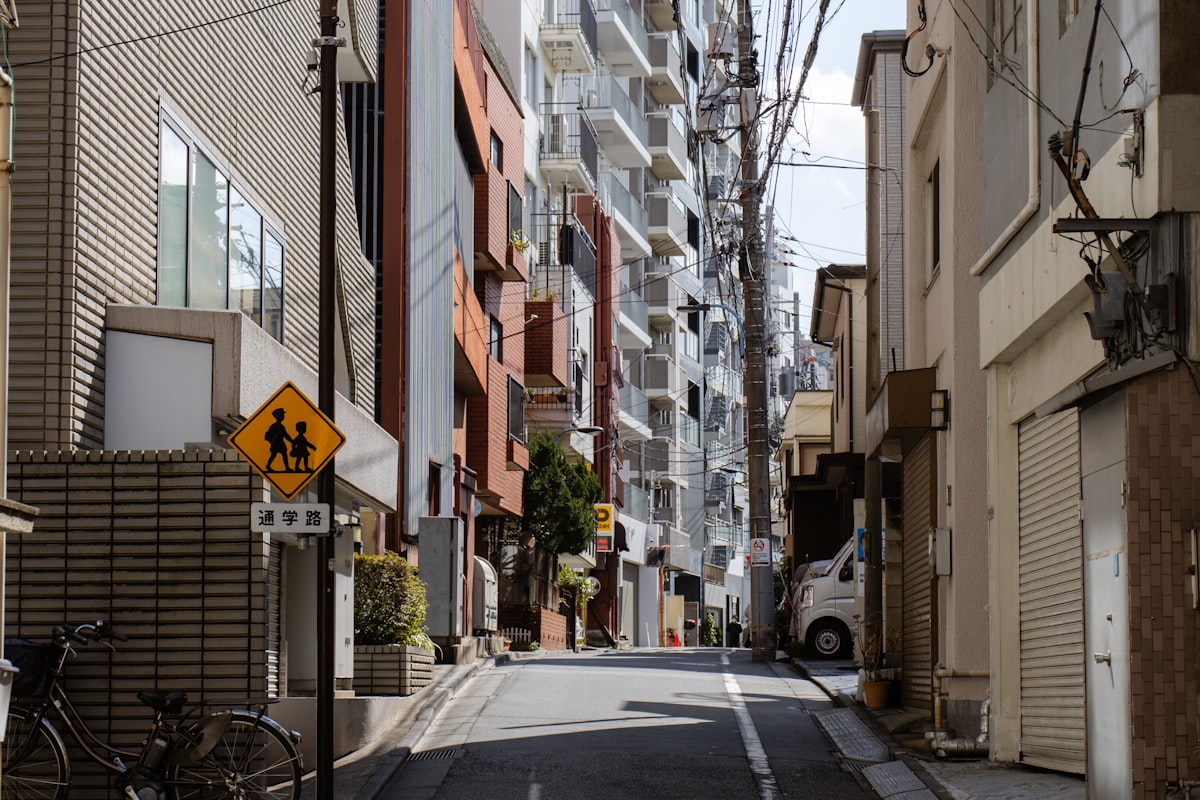
Tokyo is a city of distinct neighbourhoods, each with its own personality. The train system means you're never more than 30 minutes from anywhere, so choose based on lifestyle, not commute.
Shimokitazawa
Best for: Creative nomads, vintage shopping, indie vibes, cafe culture
"Shimokita" is Tokyo's most bohemian neighbourhood — a tangle of narrow streets lined with vintage clothing shops, independent cafes, live music venues, and tiny bars. The recent redevelopment around the station (Bonus Track, Reload) has added modern cafes and shops while keeping the area's quirky soul intact.
- Incredible independent cafe scene — Bear Pond Espresso, Frankie Melbourne Espresso
- Bonus Track — new mixed-use development with cafes, bookshops, and creative studios
- Live music venues — dozens of tiny live houses
- JPY 70,000-110,000/month for a studio
- Keio and Odakyu lines — quick access to Shinjuku and Shibuya
- Walkable, human-scale, endlessly interesting
Nakano / Koenji (Chuo Line)
Best for: Budget nomads, otaku culture, local flavour
The Chuo Line running west from Shinjuku is Tokyo's nomad corridor. Nakano (home to Nakano Broadway, the otaku shopping complex) and Koenji (vintage shops, live houses, relaxed izakaya scene) offer genuine Tokyo living at lower rents than the big-name neighbourhoods.
- JPY 60,000-90,000/month for a studio — real budget option
- Excellent local izakayas and ramen shops
- 5-15 minutes to Shinjuku by train
- Koenji's relaxed, slightly countercultural vibe
- Nakano Broadway for anime, manga, and collectibles
- Saturday morning flea markets in the area
Shibuya / Ebisu / Daikanyama
Best for: Social nomads, international crowd, polished urban living
The Shibuya area is Tokyo's most dynamic ward. Shibuya itself is chaotic and exciting; nearby Ebisu and Daikanyama are more refined — tree-lined streets, boutique shopping, excellent restaurants. Shibuya Stream and Shibuya Scramble Square have added modern coworking options and rooftop spaces.
- Shibuya is pure urban energy — the famous crossing, Dogenzaka, Center-gai
- Ebisu is quieter, more sophisticated — excellent restaurants, Yebisu Garden Place
- Daikanyama is Tokyo's version of a design-forward village — T-Site bookstore, boutiques
- JPY 100,000-160,000/month for a studio in the area
- Major transit hub — JR, Metro, Tokyu, and Keio lines
- Where Tokyo's international crowd gravitates
Asakusa / Kuramae
Best for: Traditional Tokyo atmosphere, budget-friendly, emerging creative district
East Tokyo along the Sumida River has been the quiet nomad discovery of recent years. Asakusa has Senso-ji temple and traditional Tokyo charm; Kuramae (just south) has emerged as a creative hub with specialty coffee roasters, craft workshops, and renovated warehouse spaces.
- Kuramae's cafe and creative scene is booming — Nui Hostel, Leaves Coffee, SOL's Coffee
- Asakusa offers traditional Tokyo atmosphere and cheaper rent
- JPY 65,000-100,000/month for a studio
- Sumida River walks and views of Tokyo Skytree
- Ginza Line and Asakusa Line connectivity
- Less international, more authentic neighbourhood feeling
In Sour Mango: Check the Tokyo Destinations guide for neighbourhood breakdowns, average rents, and vibe descriptions to find your ideal Tokyo base.
Coworking Spaces Worth Your Money
WeWork (Multiple Locations)
WeWork's Tokyo locations are some of the best in their global network. The Shibuya Scramble Square location has panoramic views; GINZA SIX is polished and professional. Reliable, fast, English-friendly — the safe choice.
- Day pass: JPY 4,400 ($30)
- Monthly hot desk: JPY 40,000-55,000 ($270-$370)
- Fast WiFi (300+ Mbps), meeting rooms, phone booths
- English-speaking staff at all locations
- Multiple locations across Tokyo
Andwork (Multiple Locations)
Japanese coworking chain designed specifically for focused work. Clean, minimal, quiet. The aesthetic is very Japanese — thoughtful design, attention to detail, no unnecessary noise. Locations in Shibuya, Shinjuku, and other central areas.
- Monthly: JPY 20,000-35,000 ($135-$235)
- Japanese design sensibility — beautiful, functional spaces
- Quiet work environment
- Good value for the quality
COIN SPACE / Fabbit
Drop-in coworking spots scattered across Tokyo. COIN SPACE works on a per-minute or per-hour basis — great for flexible days when you don't need a full-day commitment. Fabbit is slightly more structured with monthly plans.
- COIN SPACE: JPY 200-500/hour ($1.35-$3.40)
- Fabbit monthly: JPY 15,000-25,000 ($100-$170)
- Locations near major stations — convenient for working between meetings
- No commitment, no contracts
The Cafe Circuit
Tokyo's cafe culture is vast but different from the West — not all cafes welcome laptops, and those that do deserve your respect and patronage:
- Starbucks (everywhere) — The most consistently laptop-friendly chain in Tokyo. Fast WiFi, power outlets, and no judgement. The Shibuya TSUTAYA location and the Reserve Roastery in Nakameguro are particularly good
- Tully's Coffee (everywhere) — Japan's answer to Starbucks, but quieter and less crowded. Good WiFi, outlets, comfortable seating. An excellent work option
- Caffice (Shinjuku) — Dedicated work cafe. JPY 600/hour includes drinks and WiFi. Designed specifically for laptop workers
- Brooklyn Roasting Company (Kuramae) — Converted warehouse along the Sumida River. Great coffee, spacious, laptop-friendly
- Blue Bottle Coffee (multiple locations) — Beautiful spaces, excellent coffee, fast WiFi. The Kiyosumi location is the original Tokyo outpost
- Fuglen (Tomigaya) — Norwegian-born cafe/bar. Excellent coffee during the day, cocktails at night. Cozy, friendly, good WiFi
Cultural note: If a cafe doesn't have visible power outlets or WiFi signs, it likely isn't laptop-friendly. Respect this. Buy a drink at minimum every 60-90 minutes at places where you do work. Japanese cafe culture values consideration for others.
In Sour Mango: The WiFi Speed Test is especially valuable in Tokyo, where not all cafes are work-appropriate. Your tested-and-approved list becomes essential navigation.
The Food: A Religious Experience
Tokyo has more Michelin stars than any other city on earth. But the real miracle is that you can eat extraordinarily well for $5-10 per meal. The floor of food quality in Tokyo is higher than the ceiling in most cities.
Affordable Excellence (JPY 700-1,500 / $4.75-$10)
- Ramen — Tokyo has thousands of ramen shops, each perfecting a specific style. Shoyu (soy sauce), miso, shio (salt), tonkotsu (pork bone) — the variations are endless. JPY 900-1,200 per bowl. Go to: Fuunji (Shinjuku, tsukemen specialist), Afuri (yuzu shio ramen, multiple locations), Ichiran (solo ramen booths, customise everything)
- Gyudon — Beef rice bowl. Yoshinoya, Matsuya, and Sukiya serve a filling beef-over-rice for JPY 400-600. The ultimate budget meal. Available 24/7 at chain restaurants on every major street
- Teishoku (Set Meals) — A main dish with rice, miso, pickles, and sometimes a small salad. JPY 800-1,200 at shops like Ootoya and Yayoi-ken. A perfectly balanced, affordable lunch
- Sushi — Conveyor-belt sushi (kaitenzushi) at chains like Sushiro, Kura Sushi, and Hama Sushi: JPY 100-350 per plate (2 pieces). A full lunch for JPY 1,000-2,000. The quality is absurdly good for the price
- Udon — Thick wheat noodles in broth. Marugame Seimen and Hanamaru Udon serve a basic udon for JPY 350-500. Fast, hot, filling
- Curry Rice — Japanese curry is a comfort food staple. CoCo Ichibanya lets you customise spice level, toppings, and rice amount: JPY 700-1,000
- Onigiri — Rice balls from convenience stores. JPY 120-200 each. Seven different flavours, all good. The Japanese convenience store is a culinary institution
Convenience Store Food:
This deserves its own section because Japanese konbini (convenience stores) are unlike anything in the world:
- 7-Eleven, Lawson, FamilyMart — available on every other corner
- Fresh onigiri, sandwiches, bento boxes, hot snacks, salads, desserts
- Quality comparable to a decent restaurant — Japanese standards are relentless
- A full konbini meal: JPY 500-800 ($3.40-$5.40)
- Seasonal specialities that change monthly
Beyond Budget:
- Izakaya — Japanese pub-restaurants. Order multiple small dishes, share with friends, drink beer and highballs. JPY 2,000-4,000 per person for a fun evening. The best social dining experience in Tokyo
- Omakase sushi — Chef's choice multi-course sushi. A mid-range omakase: JPY 8,000-15,000 ($54-$100). A splurge, but a transcendent food experience
- Depachika — Department store basement food halls. Takashimaya, Isetan, and Mitsukoshi have floors of prepared food, pastries, and groceries. Window-shopping here is a hobby in itself
In Sour Mango: Browse Local Food in the Tokyo destination guide for dish recommendations, price ranges, and neighbourhood-specific suggestions.
Transport: Perfection on Rails
Tokyo's train system is the gold standard for urban transit. It runs on time (to the second), covers the entire metropolitan area, and is clean, safe, and efficient beyond belief.
Trains
- JR (Japan Railways) — The Yamanote Line (green loop) connects all major hubs: Shinjuku, Shibuya, Ikebukuro, Tokyo, Ueno, Akihabara. This is the spine of Tokyo transit
- Tokyo Metro — 9 lines covering the central city extensively
- Toei Subway — 4 additional lines filling Metro gaps
- Private railways — Keio, Odakyu, Tokyu, Seibu — extending into the suburbs
- Fares: JPY 170-400 ($1.15-$2.70) per ride
- Suica or Pasmo IC card — Rechargeable transit card, tap on/off. Also works at convenience stores and vending machines
- Runs ~5:00am to ~midnight. Peak frequency: every 2-3 minutes
- Last train culture is real — miss the last train and you're taking a taxi or staying at a manga cafe until 5am
Getting Around:
- Walking — Many Tokyo neighbourhoods are wonderfully walkable. Shimokitazawa, Daikanyama, Yanaka, Koenji — all best explored on foot
- Cycling — Flat terrain in many areas. Docomo Bike Share (JPY 165/30 min) has stations across central Tokyo
- Taxi — Base fare JPY 500, then metered. A 10-minute ride: JPY 1,000-2,000. Use the JapanTaxi or GO app
Day Trips:
- Kamakura — Great Buddha and coastal temples. 1 hour from Tokyo Station
- Hakone — Hot springs and Mount Fuji views. 1.5 hours from Shinjuku
- Nikko — Ornate shrines in mountain forests. 2 hours from Asakusa
- Mount Fuji — Visible on clear days, hikeable July-September. 2.5 hours by bus
Healthcare
Japan's healthcare is world-class:
- St. Luke's International Hospital (Tsukiji) — Premier English-speaking hospital for foreigners
- Tokyo Midtown Medical Center — Excellent, international staff
- General consultation: JPY 3,000-8,000 ($20-$54) depending on insurance
- Dental: Professional cleaning JPY 3,000-8,000 ($20-$54)
- Pharmacies: Available everywhere but require prescriptions for most medications. Drugstores (Matsumoto Kiyoshi, Sugi) carry over-the-counter options
Insurance tip: The digital nomad visa requires health insurance. Japanese National Health Insurance (NHI) covers 70% of costs for enrolled residents. For tourist visa stays, SafetyWing or World Nomads are the standard options.
The Community
Tokyo's nomad community is newer and smaller than Southeast Asian hubs but growing rapidly thanks to the DN visa.
- Tokyo Digital Nomads — Facebook and Meetup groups, regular gatherings
- Tokyo Startup community — Active scene with events at WeWork, Plug and Play, and various incubators
- Language exchange — Abundant. Tokyo has a huge English-learner population eager to practice
- Fitness — Running along the Imperial Palace moat (5km loop), climbing gyms (B-Pump, Gravity Research), yoga studios
- Seasonal events — Cherry blossom season (late March-early April) is life-changing. Autumn foliage (November) is equally stunning. Fireworks festivals (hanabi) in summer are massive communal events
- Weekend escapes — Kyoto (2.5 hours Shinkansen), Osaka (2.5 hours), Kanazawa (2.5 hours), ski resorts in Hakuba or Nozawa Onsen (winter)
In Sour Mango: Find nomads in Tokyo through Mates. Create a Tribe group for your Tokyo crew — coordinate izakaya outings, cherry blossom picnics, and weekend trips.
The Downsides (Being Honest)
Small Apartments
Tokyo apartments are small. A typical studio (1R or 1K) is 18-25 square metres. You're not getting a spacious living room. Newer buildings are better designed, and Japanese space optimisation is impressive, but if you need room to spread out, budget accordingly or work from coworking spaces.
Language Barrier
Japanese is difficult, and outside of tourist areas, English proficiency is limited. Google Translate with camera mode helps enormously for menus and signs. Learning basic Japanese phrases goes a long way socially. The good news: signage in train stations is bilingual, and you can navigate the city functionally without Japanese.
Cash Culture
Japan is still more cash-dependent than most developed countries. Many restaurants, smaller shops, and local businesses are cash-only. Always carry JPY 10,000-20,000 in cash. IC cards (Suica/Pasmo) and credit cards are increasingly accepted, but cash remains essential.
Social Isolation
Japanese culture is polite but reserved. Making close local friends takes time and effort. The nomad community provides connection, but if you're coming from the easy social warmth of Southeast Asia or Latin America, Tokyo can feel lonely initially. Language exchange meetups are the best bridge.
Quick Start: Your First Week in Tokyo
- Before you fly — Use Sour Mango's AI Trip Planner for a Tokyo itinerary. Check Visa Requirements for your passport. Use Packing Lists — Tokyo's seasons are distinct, and packing wrong means shopping on arrival
- Land at Narita (NRT) or Haneda (HND) — Get a SIM or activate your eSIM. Get a Suica card from the airport train station. Take the Narita Express to Shinjuku (1 hour, JPY 3,250) or the monorail from Haneda
- Stay in Shimokitazawa or Shibuya — Short-term Airbnb or guesthouse for your first week (JPY 5,000-10,000/night)
- Walk everywhere for the first 3 days — Tokyo reveals itself on foot. Explore Shibuya, Shinjuku, Asakusa, Akihabara
- Cafe-hop — Fuglen, Blue Bottle Kiyosumi, Brooklyn Roasting Company Kuramae. Run the WiFi Speed Test
- Try coworking — Day pass at WeWork Shibuya or drop in at COIN SPACE
- Find longer-term housing — GaijinPot Apartments, Real Estate Japan, or Tokyo share houses (Oakhouse, Social Apartment) for furnished, no-key-money options
- Eat ramen on day one — Fuunji in Shinjuku for tsukemen, or Afuri for yuzu shio. The bar is set immediately
- Connect — Join a language exchange meetup, attend a Tokyo Digital Nomads event, add people on Sour Mango Mates
The Bottom Line
Tokyo is the city that was always on the nomad wishlist but never quite practical. In 2026, it finally is. The digital nomad visa opens six-month stays, the weak yen makes it 30-40% cheaper than historic averages, the internet is fast and reliable, the food is the best in the world at any price point, and the infrastructure operates at a level of precision that is genuinely awe-inspiring.
At $1,550-$2,550/month, you're living in the world's most fascinating city — safe, clean, efficient, culturally bottomless, and home to food that will recalibrate your standards permanently. The apartments are small, the language is hard, and the social scene takes effort. But no other city on earth gives you what Tokyo gives you.
It was worth the wait.
Track your Japanese visa countdown, test WiFi at Tokyo's work-friendly cafes, check cost breakdowns in JPY, convert currencies with live yen rates, plan your trip with AI, and connect with nomads already in Tokyo — all in one app. Download Sour Mango and travel smarter.
Travel smarter with Sour Mango
Visa tracking, AI trip planner, WiFi speed tests, and a global nomad community — all in one free app.
Explore more guides
Browse all city guides →